Accept That You Are Not the Exception
By Natalie McCarty
Twenty minutes into our first date—between a seltzer I didn’t like and a story about our shared love of a niche ’80s movie—my now-ex-boyfriend told me, “Natalie, I am going to ruin your life.” Forty-five minutes later, he got down on one knee with just enough charm to blur the line between joke and prophecy. “Marry me,” he said, grinning.
I laughed. I thought twice about it, and then I laughed again.
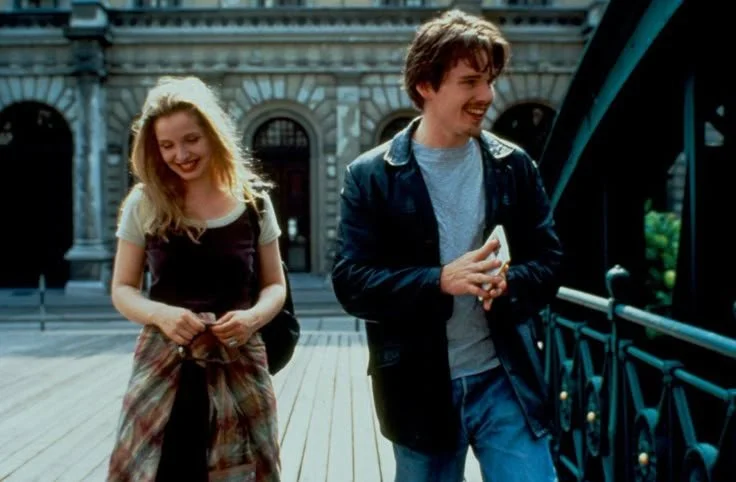
Before Sunrise (1995)
Because it was funny, but also because I felt, even then, that I was walking into something bigger than I could even anticipate. This man probably was going to ruin my life. Our relationship hadn’t even started, and I was already picturing the aftermath: myself on a friend’s couch, a pint of plant-based ice cream in hand, rewatching La La Land and crying. I anticipated the regular degular heartbreak that comes with dating an “artistic” man.
I anticipated everything, except the part where I should have listened to what the fuck he just said.
“Natalie, I am going to ruin your life” is not a very chill first date sentiment. Nor was the faux marriage proposal, but I digress.
This man, seconds into our beginning, told me point-blank that he was going to derail everything for me, and I didn’t believe him. Because if I had, I would have had to get up, leave, and admit that the universe hadn’t delivered an effortless meet-cute. Would I listen? Would I be wise enough to walk away? Nope! Not yet–at least, not until his self-fulfilling prophecy came true.
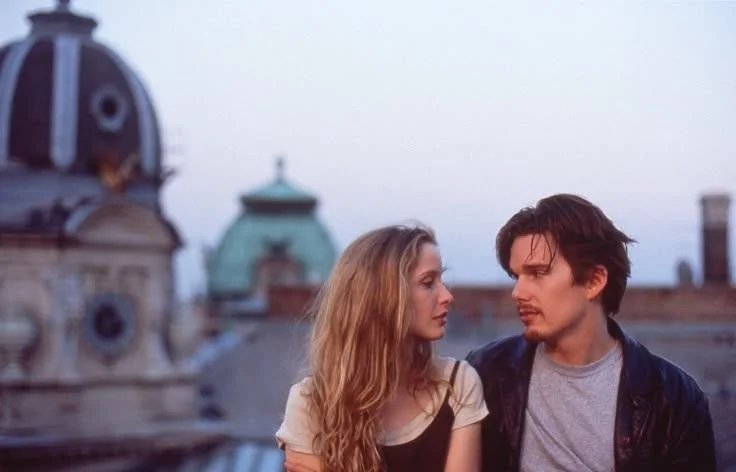
Before Sunrise (1995)
There is a particular kind of delusion reserved for otherwise intelligent women. It doesn’t look like naïveté. It does, however, sound a lot like: I see who you are, and I understand why—and that understanding makes me different. Special, even. Immune.
I get, I understand. I write this before you now as a reformed delusional dater.
We ignore red flags, and maybe even subconsciously worship the heartbreak we know is coming, because it makes us feel closer to the songs we love and makes us understand Normal People all the more. We turn the very clear warning signs into character traits or quirks. Into evidence of complexity. “He’s just intense.” “He’s brutally honest.” “He’s been hurt before.” As if pain, once explained, becomes harmless. As if self-awareness is a substitute for self-control.
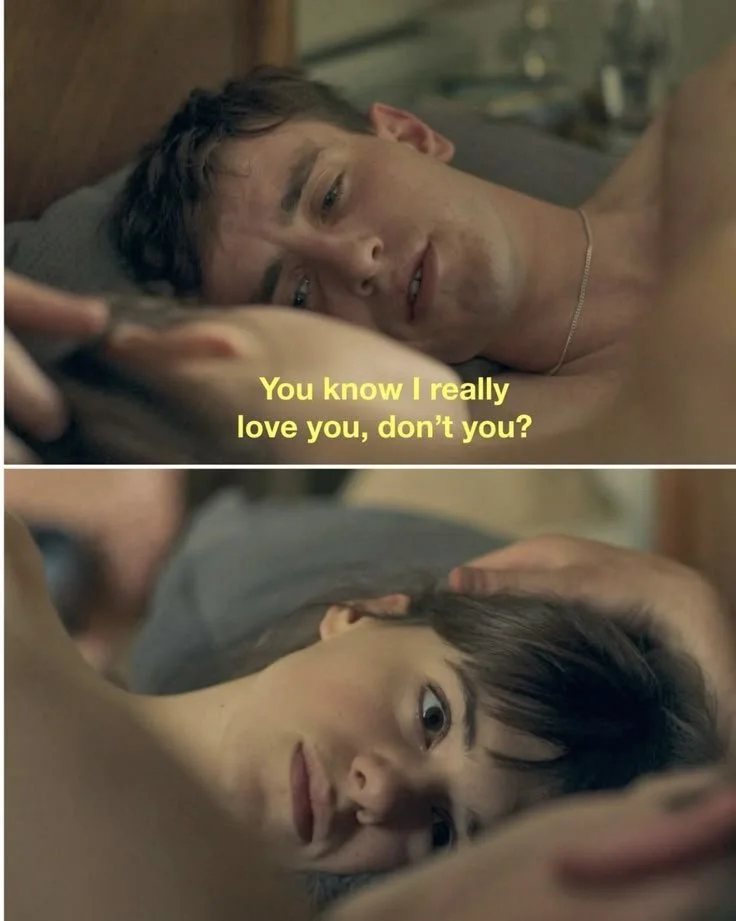
Normal People (2020)
But here’s the least romantic truth I’ve ever had to learn: accept that you are not the exception.
Trust me—trust him—it will not be different with you.
When someone tells you who they are, believe them. Not the version you think they could become. Not the version that emerges at 2 a.m. off a couple of beers.
Believe the midday version. Learn from me: Who someone is on a Tuesday is who they are all the time. Who they are on a Friday night is not the person you are building a future with. Does this make sense?
People don’t accidentally reveal themselves; the truth just has a way of seeping out of them.
And we—desperate, hopeful, a little too invested in the idea of a good story—collect those moments like they’re clues to a mystery instead of answers to a question that’s already been asked and settled.
Because the alternative is far less flattering, and it would mean admitting you were told the truth and stayed anyway.
It means accepting that you cannot change someone else’s patterns. That your love, your connection, your presence is not powerful enough to override who they have already shown themselves to be.
You are not the one who finally makes them ready. Not the one who inspires them to change. Not the one who breaks the pattern just by being better, softer, more understanding.
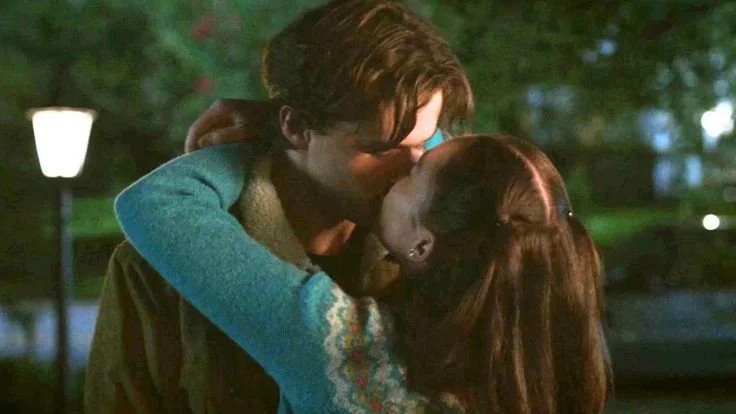
The Summer I Turned Pretty (2023)
There is an ego in believing you are the turning point in someone else’s life—a kind of romantic narcissism that tells you love, if done correctly, is transformative by default.
It isn’t.
Love doesn’t rewrite people. At best, it temporarily alters their pattern of behavior.
We like to think we’re sophisticated enough to read between the lines. But what do you do when there are no lines to read between? When someone looks you directly in the eye and hands you the answer key on the first date?
Because let’s be honest—that seldom happens.
People don’t usually introduce themselves with a disclaimer like saying, “Hi, I’m emotionally unavailable,” or “Nice to meet you, I have a pattern of sabotaging good things.” If anything, they usually do the opposite and conceal.
So when someone bypasses all of that and goes straight to the truth, it is statistically, spiritually, almost comically rare.
It’s like being handed the ending of a movie before you’ve even bought the ticket. And instead of saying, this saves me two hours, we say, no, I think I’ll still sit through it—just to see if it changes.
It won’t.
Are you getting this by now?

Materialists (2025)
Years later, after that relationship ended (after I thought I had learned), I met a new friend who told me–very early on–that he had a habit of getting extremely close to people, taking what he needed from them, and then leaving.
He did not hide it. He did not soften it. He told me quite frankly that we were going to become extremely enmeshed and then he’d dip.
And dip he did, listen I did not.
When you train yourself to look out for it in relationships, you can often forget to prepare when it comes to friendships, too.
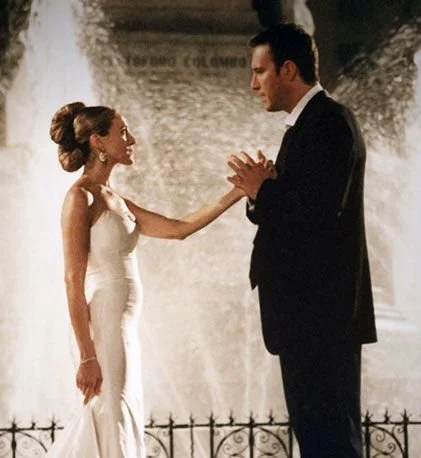
Sex and the City (2001)
That’s the part no one wants to admit: the rarity of the honesty does not make it negotiable. It makes it definitive. If anything, it demands more respect, not less.
If someone tells you, plainly, who they are, your only job is to decide if that works for you—not to rewrite it into something that does.
We like to believe that heartbreak is something that happens to us–sudden, unpredictable, a twist in the plot we couldn’t have anticipated. But more often than not, it’s something we slowly collaborate with through a series of small permissions and tiny negotiations with ourselves.
You hear something unsettling, and instead of taking it at face value, you file it away under “complicated” instead of “concerning.” You stay, because leaving would require a different kind of confidence—the kind that isn’t rooted in being chosen, but in choosing yourself before the story gets good. Or worse, before it gets familiar.
As I said, he told me flatly that he would ruin my life. Not cryptically or accidentally, but with the kind of conviction and clarity most people spend months trying to decode.
And all I did was laugh.
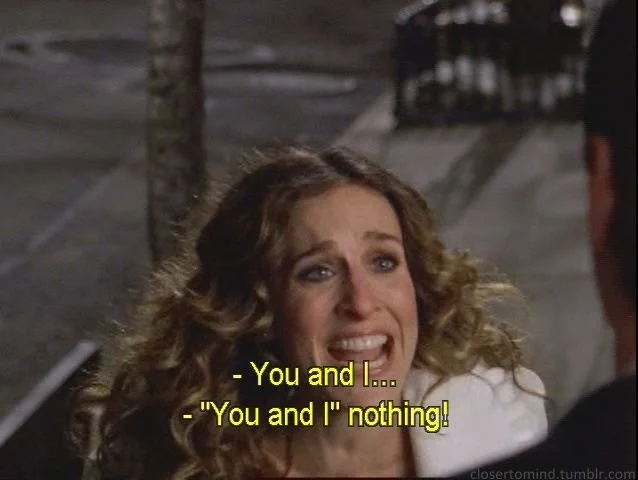
Sex and the City (2002)
I think about that now—about how clearly I was told, how early, how directly.
And I can’t help but wonder, how many of us have mistaken an earnest confession for chemistry?
And maybe more importantly: why does it feel so good when we do?
There is a thrill in proximity to chaos when you believe you are exempt from it. A kind of borrowed danger that makes everything feel heightened, cinematic, alive. The stakes feel higher, the connection feels deeper, the story feels worth telling. You mistake volatility for passion, unpredictability for intrigue. You convince yourself that what you’re experiencing is rare, when in reality, it’s just familiar dysfunction in maybe a hotter package.
There’s also something deeply flattering about being chosen by someone who has already told you they are difficult. It feels like access or like you’ve been let in on something other people couldn’t handle. You start to confuse tolerance with intimacy and endurance with love.
But being able to withstand someone is not the same thing as being cared for by them!
And at some point (usually later than you’d like), you realize that the very thing you thought made the connection special is the thing that makes it unsustainable.
It’s not about thinking less of yourself, rather it’s about thinking more clearly about other people.
It’s understanding that patterns exist, whether or not you feel special inside them. That someone’s history is not a challenge you’ve been uniquely assigned to fix. That love cannot heal all wounds.
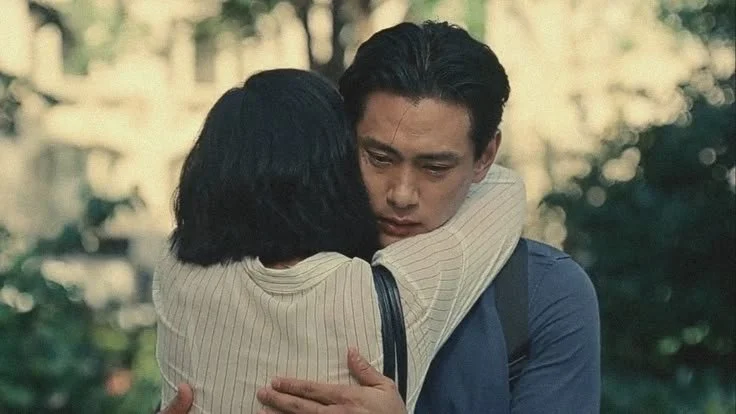
Past Lives (2023)
And the smartest thing you can do is take someone at their word the first time.
Because the truth is, most people are honest. Sometimes painfully, almost absurdly so.
So when someone tells you who they are, believe them.