Curating Care with VOCES: Marie Anne Arreola on the Art of Editorial Responsibility
By Natalie McCarty
In Sonora, Mexico, where the desert stretches toward the border, and cultures collide in everyday life, independent media is more than just storytelling; it’s a true act of care. For Marie Anne Arreola, editor-in-chief of VOCES, her editorial vision is rooted in the tension of her surroundings: between instinct and accountability, visibility and protection, and the multiplicity of languages, identities, and geographies she navigates daily.
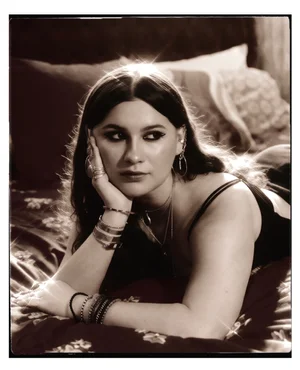
Image Provided by Marie Anne Arreola.
“The border is not just a geopolitical condition, but a way of thinking,” Marie explains. “Editing from Sonora means carrying the border with you, almost physically. You grow up understanding that culture isn’t something fixed or fully inherited; it’s something you move through, negotiate, and translate as you go.” That lived awareness of borderlands informs everything at VOCES, guiding editorial decisions with a mix of intuition and discipline.
Every editorial choice carries weight. “Am I amplifying a voice, or exposing it? Am I documenting a cultural process, or turning it into something consumable?” Marie asks. In Northern Mexico, where professional digital media infrastructure is limited, VOCES was founded to provide context and sustained attention for emerging creatives in cities like Hermosillo, Guaymas, and Ciudad Obregón. She notes that Mexico has a long, precarious history with independent written media—student initiatives and unpaid collectives often operated without institutional protection, especially in border regions treated as cultural peripheries.
Marie balances instinct with responsibility, aiming to publish work that is daring yet grounded. “Time, money, sustainability; those limits are always there, shaping what’s possible. But I don’t experience them as working against my vision. I see them as part of the ethical framework of the work itself.” Her responsibility often pulls her toward local voices that may not be globally legible but matter deeply where they were created. “From the border, vision is never abstract, but more so embodied, negotiated, and always accountable to the people whose stories you’re holding,” she says.
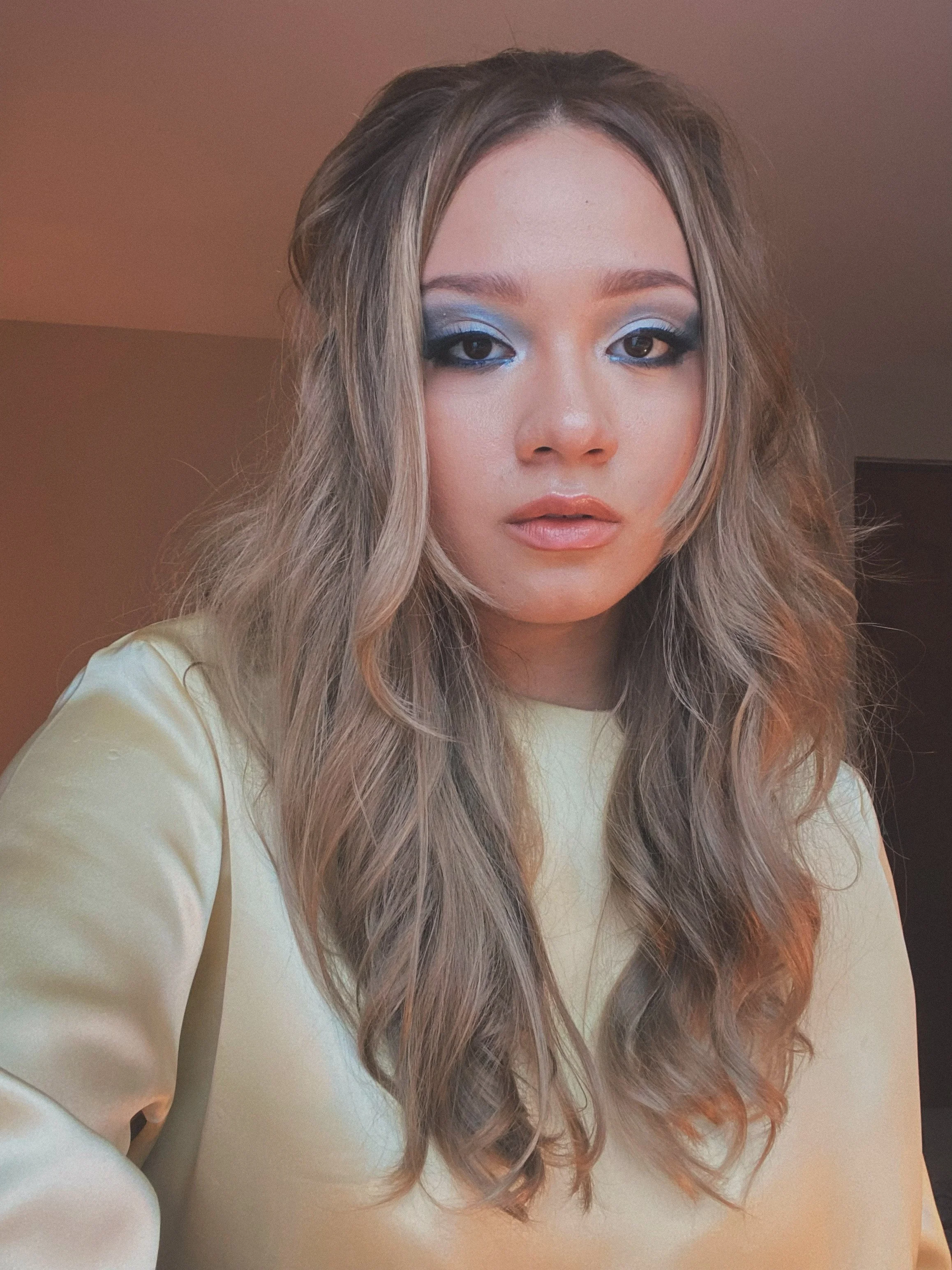
Image Provided by Marie Anne Arreola.
“I want VOCES to be critical without being extractive, welcoming without being superficial. I want it to function as both an archive and a conversation,” Marie emphasizes. Every story is carefully framed and contextualized. “Our editorial responsibility isn’t to dramatize or extract meaning, but to frame work carefully, with context, and in close dialogue with the people who made it,” she adds.
VOCES’ approach to audience is equally intentional. Marie resists the idea that scale equals success, focusing instead on cultivating genuine connections. “People don’t just read a piece and move on. They discover someone new, follow their work, show up to their events, or reach out to collaborate. That kind of slow, organic circulation feels far more meaningful than chasing constant visibility.” Collaboration is treated with care: “I try to approach every collaboration as a way of entering an existing community, not as an attempt to manufacture one from scratch.” She also brings personal experience to these collaborations—having participated in Raiza Revelles and Claudia Ramírez’s writing camp herself, Marie ensures that publishing their participants’ work feels reciprocal rather than extractive. “When people understand what you’re trying to build, they don’t just consume the work, but you grow together.”
Bilingualism and cultural multiplicity shape VOCES’ editorial philosophy. Publishing in both Spanish and English, the magazine approaches translation as expansion rather than dilution. “Bilingualism isn’t a branding choice for us, but a lived reality. We don’t see translation as loss, but as expansion.” In border cities, where languages coexist in daily life, meaning is never singular. Marie explains, “Editing from the border has taught me that multiplicity isn’t something to fix or resolve, it’s a condition you learn to work within.” Translation and international scope are tools that allow work to travel while remaining faithful to its origins.
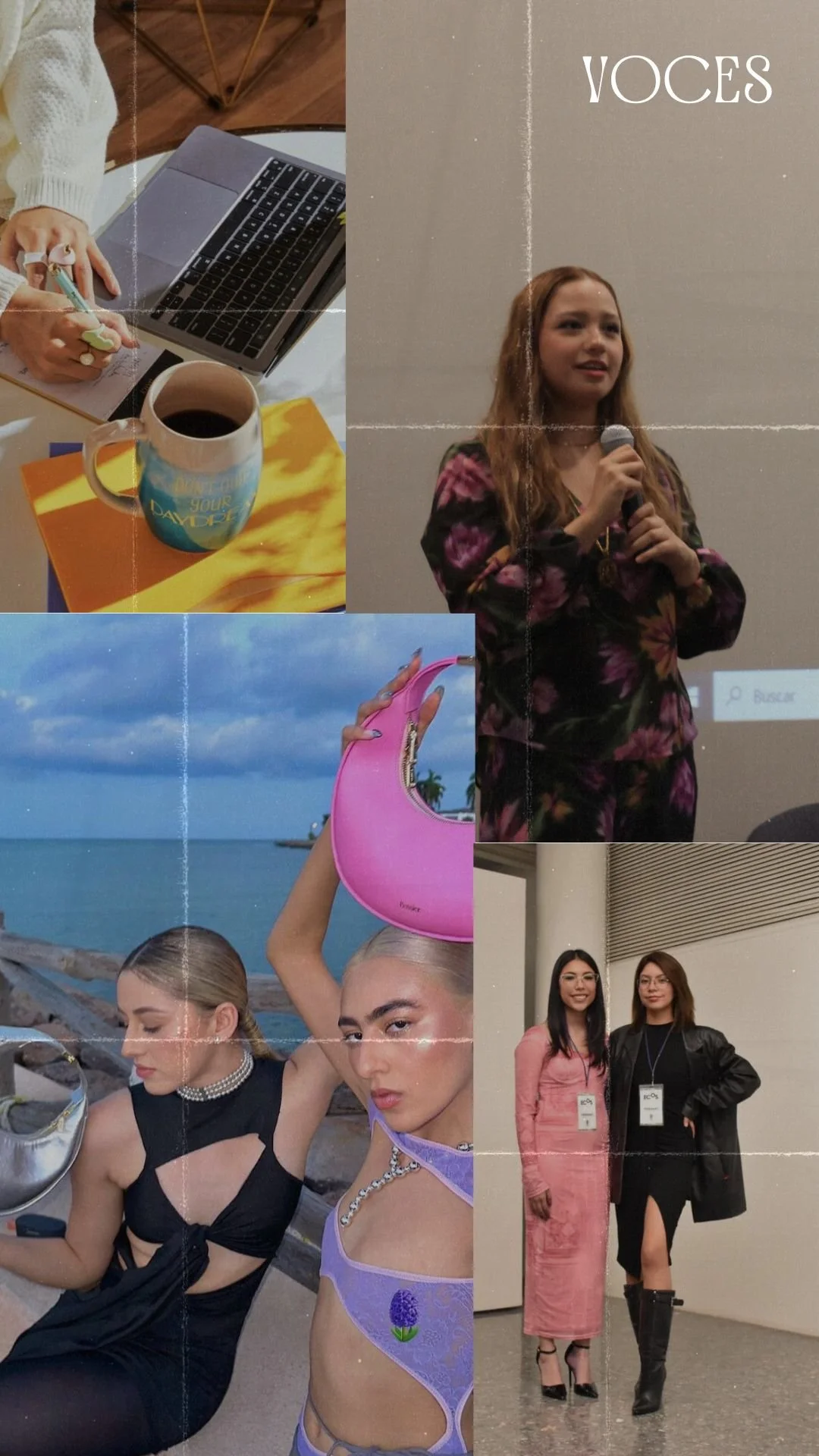
Image Provided by Marie Anne Arreola.
Ethics guide every editorial decision. Marie moves through each story as both editor and poet, considering narrative, context, and impact. “I move through every piece I publish not only as an editor, but also as a writer and a poet. That lens shapes how much attention I give to narrative.” When stories feel risky, she engages in direct dialogue with collaborators. “When a story feels risky or complex, the first step is always a direct, open, and ongoing conversation with the collaborator.” Her article on Vanessa Saavedra’s En Memoria Digna reconstructs the lives of women taken too soon, remembering them not for tragedy but for dignity and presence.
Publishing marginalized voices requires constant negotiation. “When you’re publishing marginalized voices—especially now, when identity is so easily commodified—the balance between visibility and protection is something I’m constantly negotiating. Representation, for me, has to be rooted in authenticity, not stereotypes, and also in an honest acknowledgment of the very specific positions we speak from and move through.” Many Latino cultural projects exist within fragile ecosystems shaped by uneven access to funding and support, and VOCES’ coverage ensures these realities are visible. “Context matters. A lot.” She is especially drawn to niche initiatives and creatives operating outside dominant algorithms, such as Kian McHugh of The Collection, Sameera and Brittany from The Internet Is Dead podcast, and regional artist Isaac Montijo. Highlighting their methods, daily practices, and sustainability strategies, Marie says, “Preserving knowledge of process, limitations, and daily practices feels just as important as amplifying the work itself.”
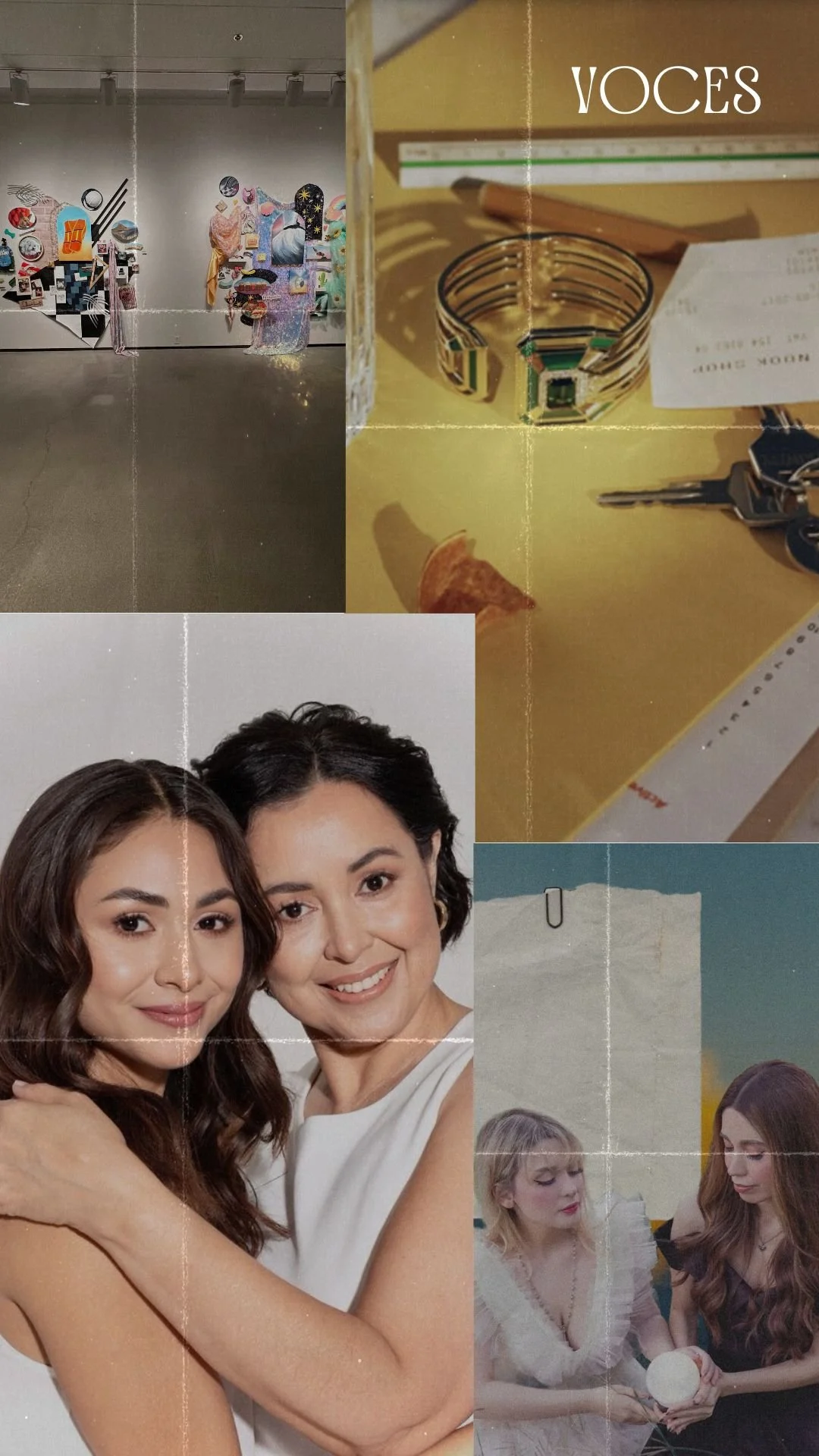
Image Provided by Marie Anne Arreola.
Looking ahead, Marie envisions independent media ecosystems built on honesty, transparency, and trust. “More honesty! Full transparency about how projects are funded, how decisions are made, what’s working, and what isn’t. Less posturing, less performative collaboration, and more real conversations about capacity, care, and limits.” She continues, “Spaces where collaboration doesn’t mean extraction, and where success isn’t measured only by scale, but by sustainability and trust.” For her, the future of independent media is rooted in accountability—to collaborators, audiences, and the communities the work comes from. “If we can build media futures rooted in accountability—to our collaborators, our audiences, and the communities we’re writing from—then independent media won’t just survive. It’ll actually feel livable.”
At VOCES, editorial care, cultural consciousness, and ethical responsibility are inseparable. From Mexico and beyond, Marie Anne Arreola demonstrates that independent media can preserve, protect, and amplify culture in ways that endure.