Entering Swinewomb: A Conversation with Reese Villella and Jacksyn Ivy Jayne
By Valentina Roca
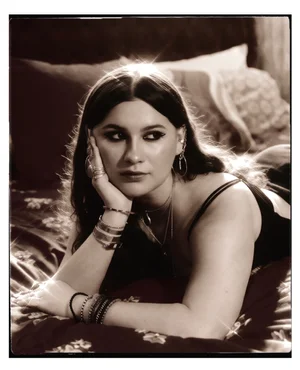
When I sat down with Swinewomb writer Reese Villella and co-director Jacksyn Ivy Jayne, it became clear that their show was not built to scare in the traditional sense. It’s meant to unsettle, to linger, to crawl into your thinking long after the lights come up. Talking to them felt like stepping into the world they have created: full of southern gothic tension, thick with religious undertones, and sharpened by a psychological edge that feels strikingly contemporary.
Swinewomb began as a one-act Reese wrote during her senior year at NYU. The earlier version, titled Pudding Grass after an herb once used for self-administered abortions, already felt charged with potential. Reese told me she left the one-act process feeling inspired rather than finished. So she tore it open and built something larger and more disturbing: an unapologetically intense full-length version of Swinewomb.
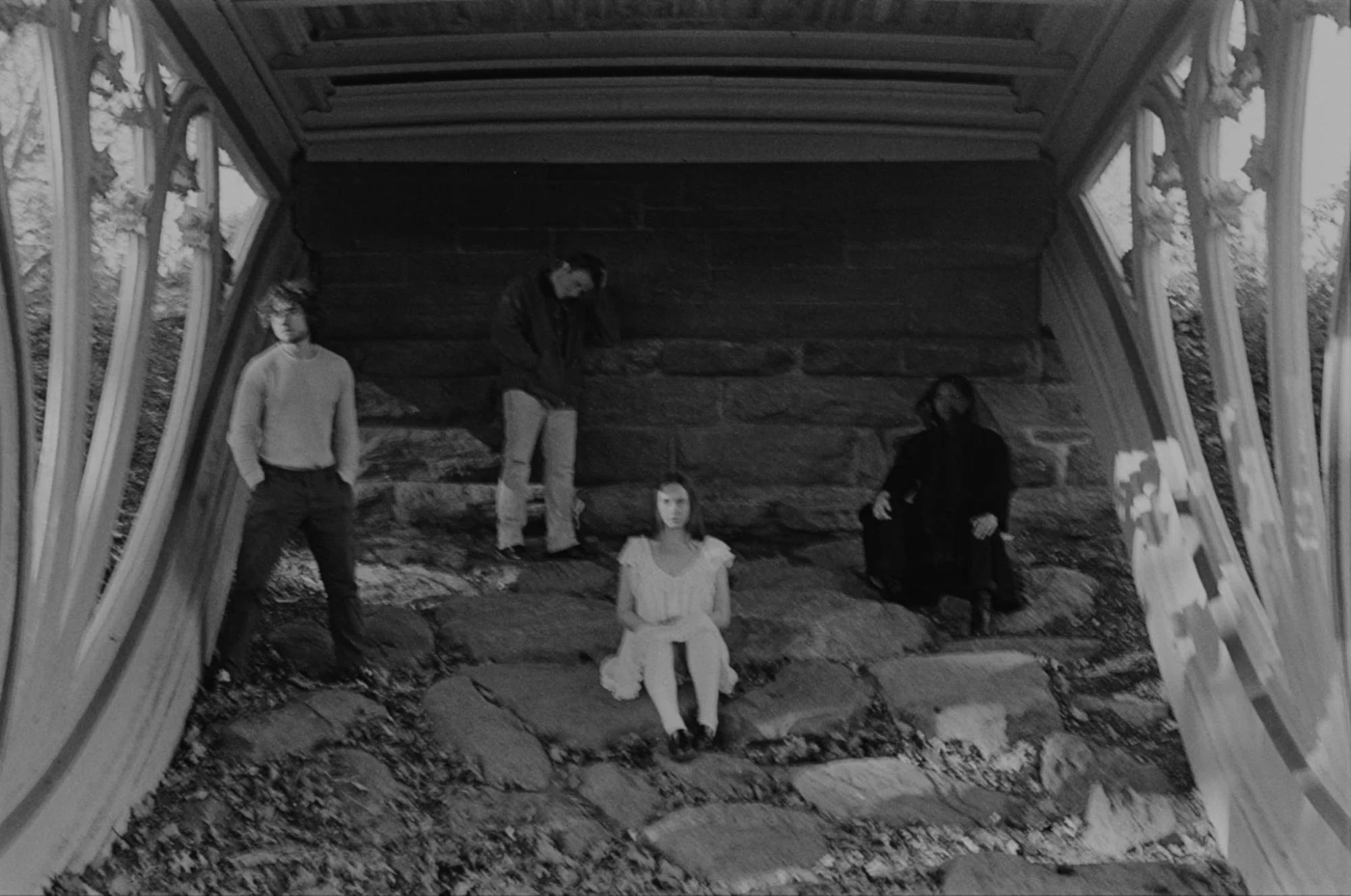
Photos by Sara Gomez (@filmforsara)
Though people tend to associate Reese with comedy, she has always had a deep passion for horror. She and Jacksyn agreed that Swinewomb demanded a kind of intimacy rooted in darkness. That vulnerability lives in Caleb’s Rest, the god-fearing small town where the play is set. The story centers on Shiloh and Ellis, siblings grieving the loss of their parents. Shiloh becomes the axis of the show. Once considered “pure” by her community, she begins acting in ways that terrify the town: sexually forward, blunt, unpredictable, almost animalistic. Whether this shift is caused by demonic possession or psychological rupture is intentionally unclear. Reese and Jacksyn spoke about the uncomfortable question the show forces the audience to face: what is supernatural, and what is the kind of haunting and trauma we don’t have language for?
Jacksyn explained that the play constantly puts viewers at odds with themselves, the same way the actors are forced to wrestle with who they believe at any given moment. The show presses on the lines of intimacy between people, especially when questions of autonomy, pregnancy, and possession come into play. When something is being done to you, how do you make sense of it? Shiloh’s new behavior is framed as filthy by the town, provocative, and deviant. But the more I talked to Reese and Jacksyn, the more I understood that what people fear most isn’t the filth itself, but the agency behind it. Shiloh’s refusal to maintain “pure” becomes the engine of horror. Her boldness, sexuality, and honesty frighten the men around her. Meanwhile, Ellis spirals into violent righteousness, and then there is Maud, the herbalist, whose remedies tangle her in the story’s fallout.
When I asked Reese and Jacksyn about the show’s relationship to grime and filth, they told me they leaned into it, not just visually but thematically. They wrestled with questions of what filth and depravity actually are. Where do we draw the line? Swinewomb answers by refusing to sanitize anything. The play is unrestrained in the best possible way. Jacksyn left me with the question they hope viewers ask themselves while watching: “Who has the dirt on their hands at any given time?”
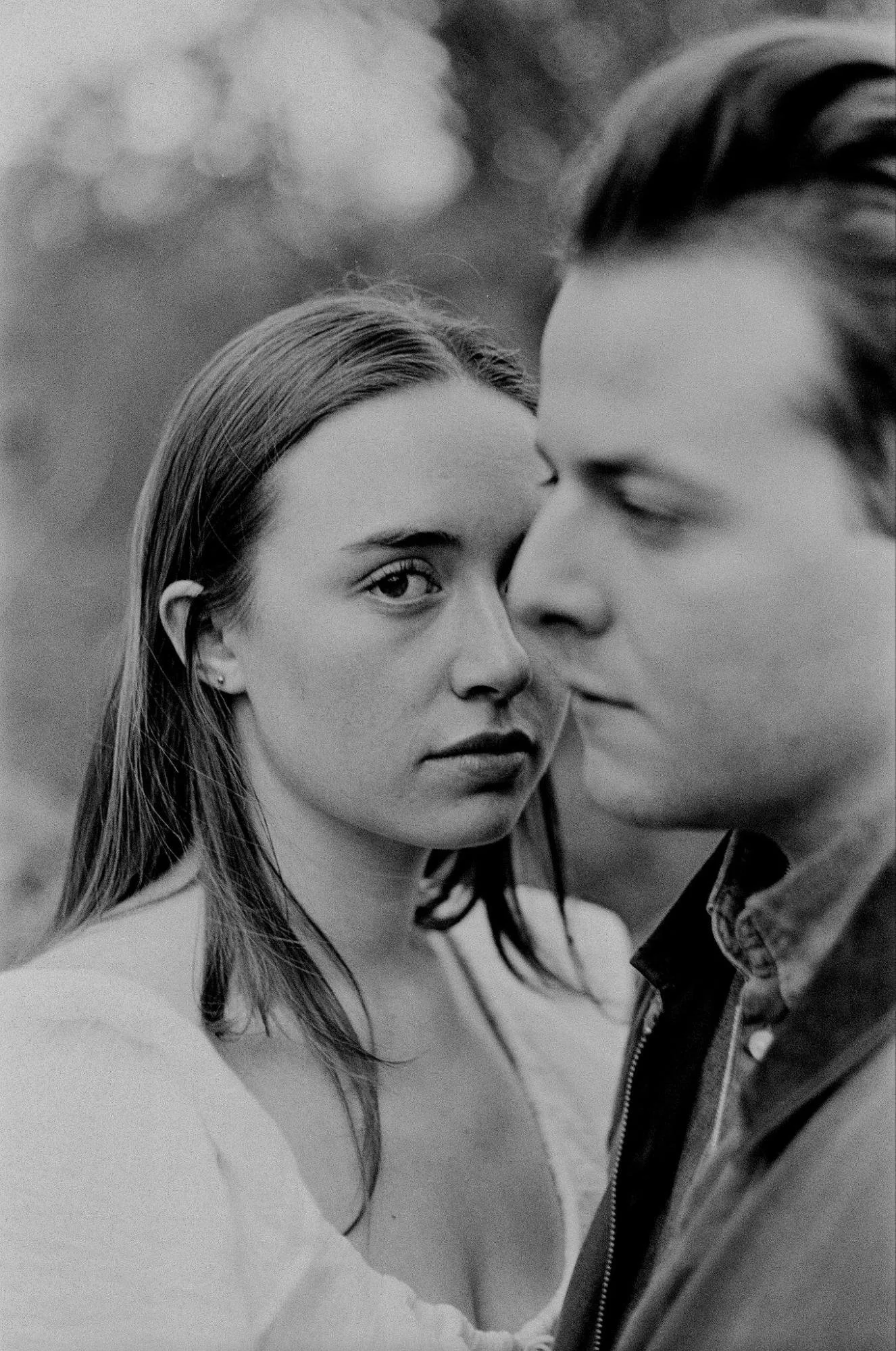
Photos by Sara Gomez (@filmforsara)
I was very interested in how the title Swinewomb came to be. After the one-act and its expansions, Reese considered calling the full show Milk Teeth, a name tied to another drug that appears in the story. Eventually, the title shifted. Reese said she wanted something more arresting, absurd, and uncertain, something that would signal to audiences that “they were walking into something funky without knowing exactly what it was.” Swinewomb arrived once Reese leaned fully into the piglike demon imagery that runs through the narrative and the local legend at the center of Caleb’s Rest. When she explained the title, it made immediate sense. It’s the kind of name that stops you for a moment and tells you the show is willing to be strange, grotesque, and unforgettable.
Much of the show’s power comes from how it stages body horror without the tricks of film. Everything lives in the performers’ bodies. The body becomes the language through which sexual trauma and coercion reveal themselves in ways that feel uncomfortable and tangible. Reese praised Julia Ordway’s performance as Shiloh, calling it so physical and immediate that the audience cannot retreat into abstraction. The semi-immersive staging forces viewers into the same room as the unraveling, creating a closeness that exposes the raw impact of violation and survival. The play rejects the idea of a “perfect” survivor. It shows how that expectation has shaped who gets believed and what trauma is allowed to look like. Jacksyn told me the show isn’t interested in telling the audience what to think. Instead, it presents reality and asks you to sit with it. That honesty has the potential to reshape how viewers consider grief, agency, and the aftermath of harm. Jacksyn said they found catharsis in reading the play, and the performance invites the audience to respond in a similar way.
Reese described her creative style as transgressive and subversive, and it became clear why the longer I talked with her. Her interest in horror runs deep, the kind that leads someone to casually research medieval torture methods on an iPad before bed. She spoke about characters played by actors like Sheryl Lee, Lily-Rose Depp, and Isabelle Adjani: all characters whose unraveling becomes a commentary on the control imposed on them. Reese’s research returned again and again to the idea that female characters in horror are often reduced the moment they assert agency.
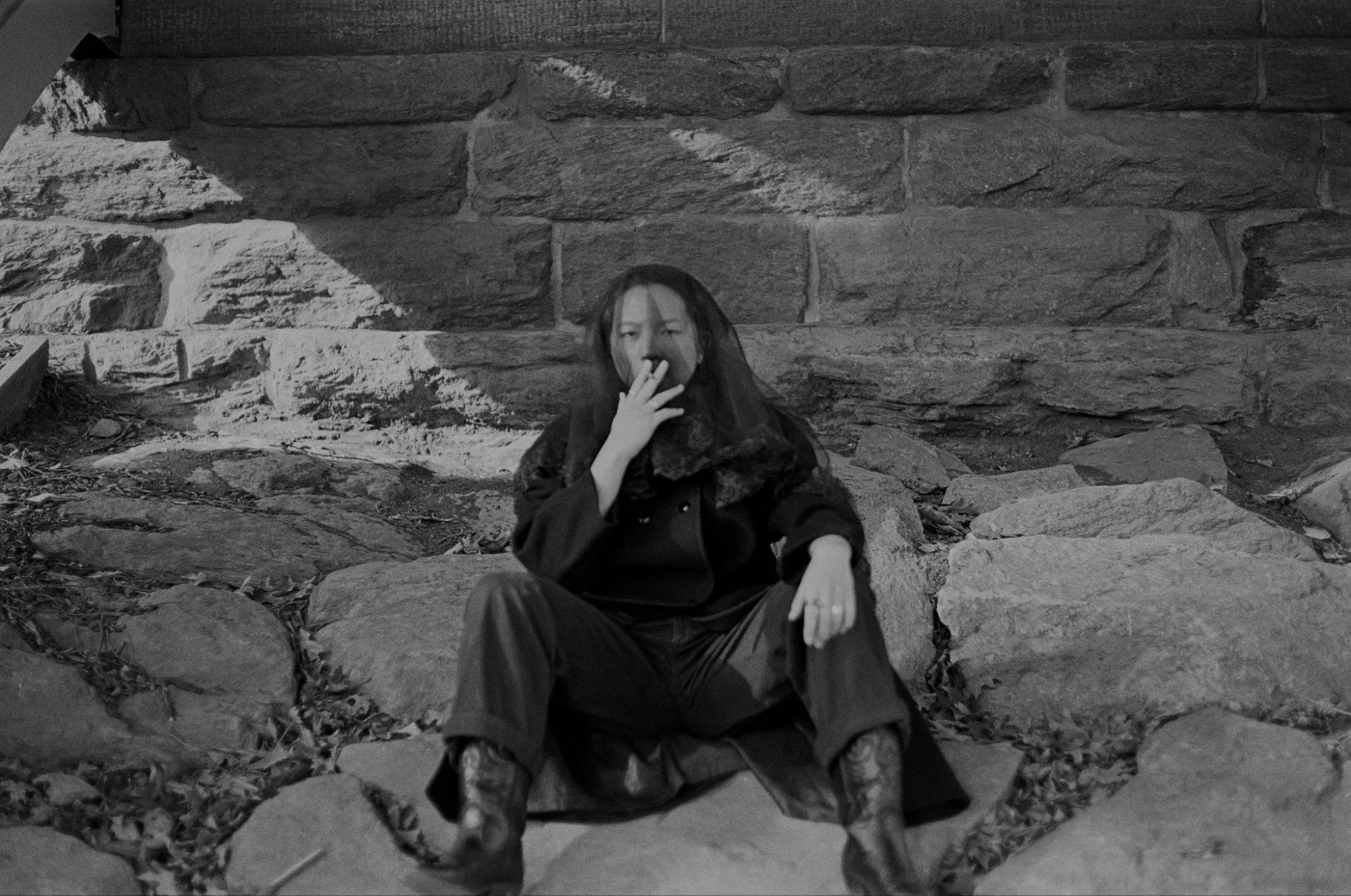
Photos by Sara Gomez (@filmforsara)
When I asked Reese and Jacksyn about the responsibility of making work that deals with taboo or difficult themes, they told me the notion of risk is almost irrelevant. Swinewomb is intense by design, and it surprises people who expect comedy from Reese. She said the best compliment to receive is that her work is “hard to watch or hard to read.” Both Reese and Jacksyn are interested in creating spaces where stories can remain unsanitized and where the rehearsal room is safe enough to hold them. They leaned into the instinct to make something difficult and unfiltered, insisting that the real responsibility lies in the space they build around the work, not in avoiding discomfort within the work itself.
When the conversation shifted to why Swinewomb resonates so strongly with younger audiences, Reese and Jacksyn pointed to a growing desire for stories that push past what has been traditionally considered acceptable. They mentioned how often the same plays are recycled, usually written by older white men and shaped by outdated ideas about gender, morality, and control. There is a drought of genuinely boundary-pushing work right now, and the little that exists is often censored before it reaches the stage. Younger audiences are drawn to the taboo, to stories that explore the line between sex and violence, to worlds where mass hysteria reflects something happening in the present. Swinewomb reimagines old religious tropes through a modern lens and places audiences inside a setting that feels both theatrical and dreamlike. People want stories that leave them raw and questioning. They want the sucker punch. They want art that refuses to behave.
After spending time with Reese and Jacksyn, and with the world they have built around Swinewomb, it already feels like a piece that is going to hit with force once it opens. If my conversation with Reese and Jacksyn is any indication, audiences on opening night are in for something immersive, uncomfortable, and unusually honest.
If you’d like to feel it for yourself, Swinewomb opens on December 4. Tickets are now live, and the team is offering a discount for early buyers. Use the code BAALRATH at checkout.
This is the kind of show you talk about for days afterward; it doesn’t just tell a story. It possesses you. And if you are anywhere near the city this winter, you should go let it.
GET YOUR TICKETS HERE: https://www.eventbrite.com/e/swinewomb-tickets-1800661981459?aff=oddtdtcreator