I Saw All the Weird Films at Sundance So You Don’t Have To
By Joshua Holtzman
Courtesy of Sundance Institute
Frigid Park City air warms as the independent film elites fill the quaint ski town with cinema, a lot of money, and dreams of their names flashing on screen. The excitement of film festivals sometimes soils to feel more like a chore. Waiting an hour to see a 30-minute panel, fleeting connections you immediately forget the name of, endless tiers of access, and a bunch of weird films. These lovely weirdos make it all worth it to me. Yet the odd films and peculiar filmmakers can be drowned out at these larger festivals.
Relentless advertising from Acura, Ketel One, Chase Sapphire, and United Airlines makes Sundance feel extremely commercial, but the festival succeeds in being filmmaker-centric with post-screening Q&As nearly as memorable as the films. The audiences here are equally as focused as filmmakers are, as the nichest directors walk around Main Street like gods on gold bricks. And of course, the weirder the films, the weirder the audience, no better exemplified by a passionate Sundance curator shouting, “Welcome to the Midnight Shorts, you freaks!” A different type of advertising was ruining the festival's weirdness for me.
Live-action features, animated shorts, or an epic documentary saga, AI intruded on every part of the festival. AI-filmmaking workshops, ChatGPT-ridden laptops, AI-assisted short premieres, and two documentaries: The AI Doc: Or How I Became an Acolpytamist, produced by Daniel Kwan (Everything Everywhere All at Once), and Ghost in the Machine, directed by Valerie Veatch. Even my favorite short, Homemade Gatorade, directed by the elegant Carter Amelia Davis, dropped a joke on AI’s water usage. While companies want the public to passively accept AI slop, this era of filmmakers takes direct action against a system that steals their work. Whether in implicit or overt protest, making weird films that no other human or machine can create is emerging as the best way to combat this slop.
Busy Bodies | Directed by Kate Renshaw-Lewis | Animated Shorts
Courtesy of Sundance Institute
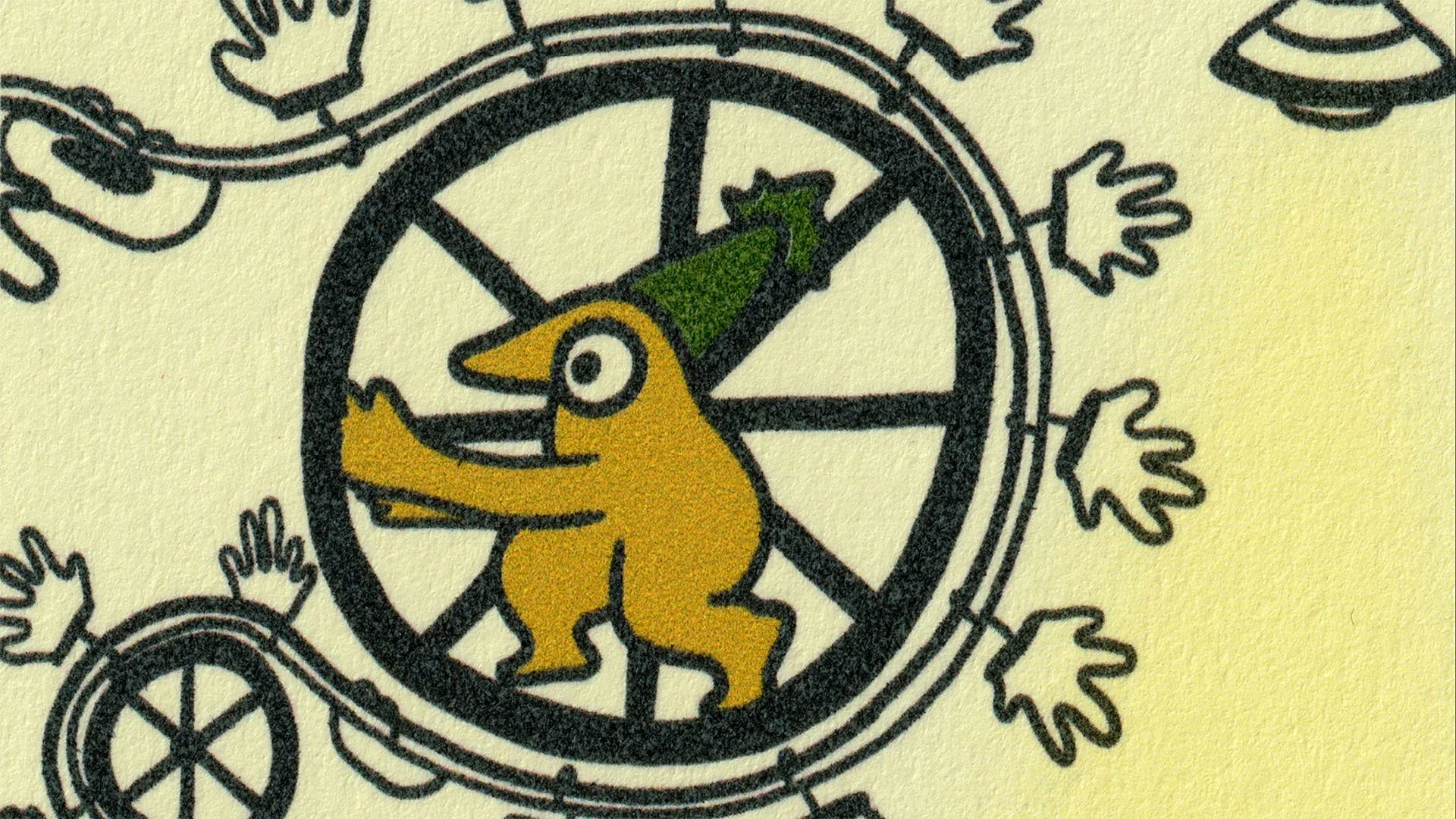
Reminiscent of Suzann Pitt’s dreamy and tactile worldbuilding, Kate Renshaw-Lewis breathes life into a colorful and unique world that could be seen as aesthetically pleasing but is obviously full of meaning. And I was lucky enough to talk to her!
The idea for this film sparked when she picked a tuna sandwich to eat next to hundreds of identical sandwiches, and she pondered the absurdity of production. What stuck out to me most was the little beings in her film, and I was delighted to see variations of these little beings in a lot of her work. When I asked her about these little guys, Kate giggled, “I was deeply traumatized by the image of E.T. when I was a kid, and that image is embedded in my brain forever.”
Kate doesn’t like it when people call her work “cutsie,” and I have to agree. Her world is beautiful and cute, but the little creatures and odd machines mean something. BUSY BODIES even gives its meaning away in the title. Why are these little bodies so busy? Is there meaning to their busyness? What is their business making these strange fish? Why do we keep ourselves so busy? Why should machines make art while people in prison serve us McDonald’s?
Barbara Forever | Directed by Brydie O’Connor | Documentary World Premiere
Courtesy of Sundance Institute
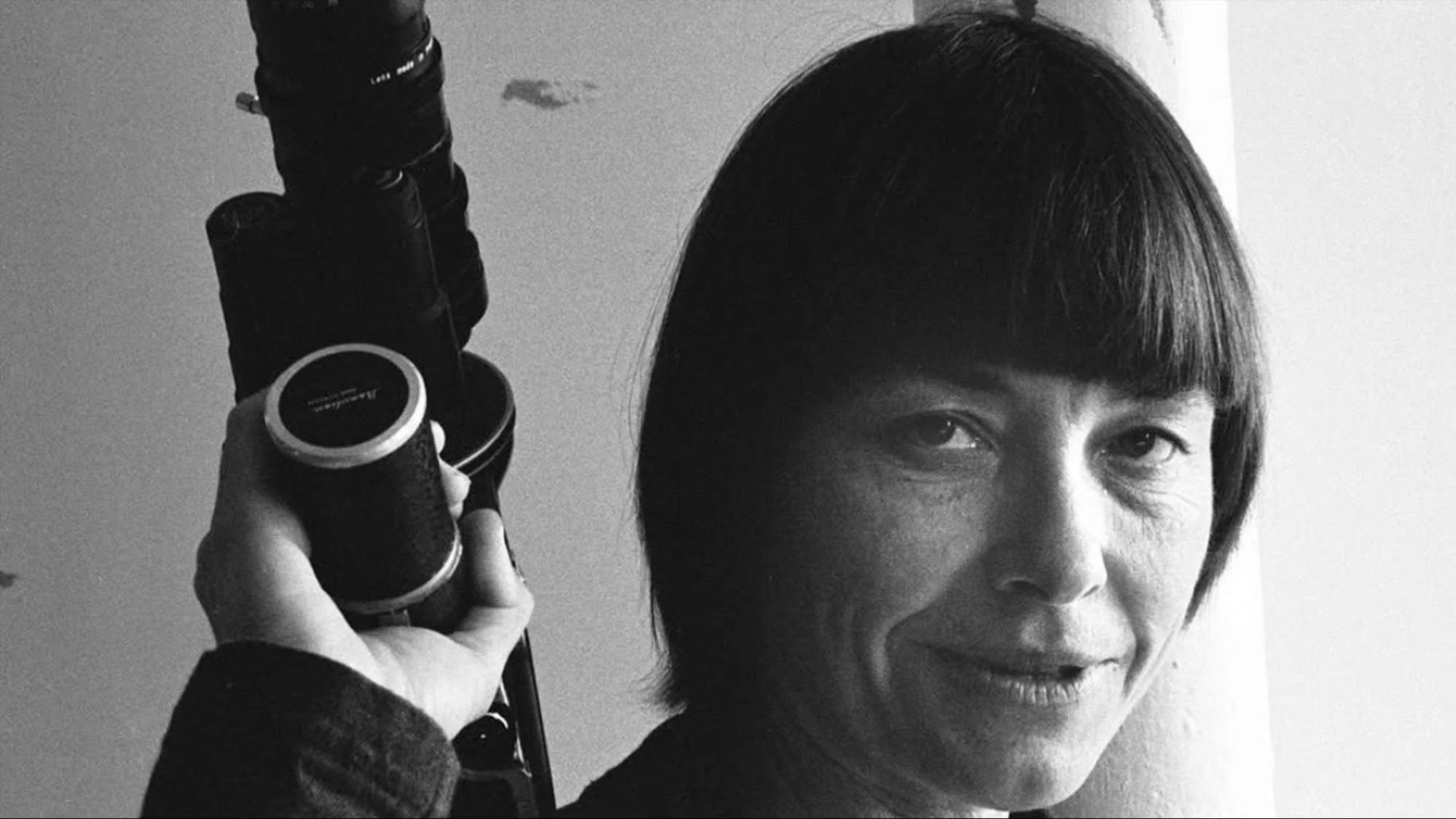
If you don’t know who Barbara Hammer is, click away and watch one of her 80 prolific films. She is a legend and not just a queer one. Through an immersive soundscape, enigmatic visuals, and the feeling of touch that pervades all of Barbara’s work, Brydie O’Connor achieves the impossible by capturing the soul and palpability of Barbara Hammer’s life through film.
The world premiere felt like an exorcism of queer grief as Barbara’s partner took part in the Q&A and signed off on her joys of the film. When the Yale Institute took Hammer’s work to their archive, she said, “That’s my life. That’s our lives. That’s lesbian history.” Her body of work was experimental while staying truly grounded in history, creating history for women everywhere. Filmmakers are forever in debt to her dedication to humanity and the craft of filmmaking. I left the theater wanting to film my frostbitten feet and turn them into a Whitney exhibit. Alas, I am no Barbara Hammer….yet…
RIP Barbara Hammer. She would’ve disdained people siphoning their humanity off to machines.
Burn | Directed by Makoto Nagahisa | NEXT World Premiere
Courtesy of Sundance Institute
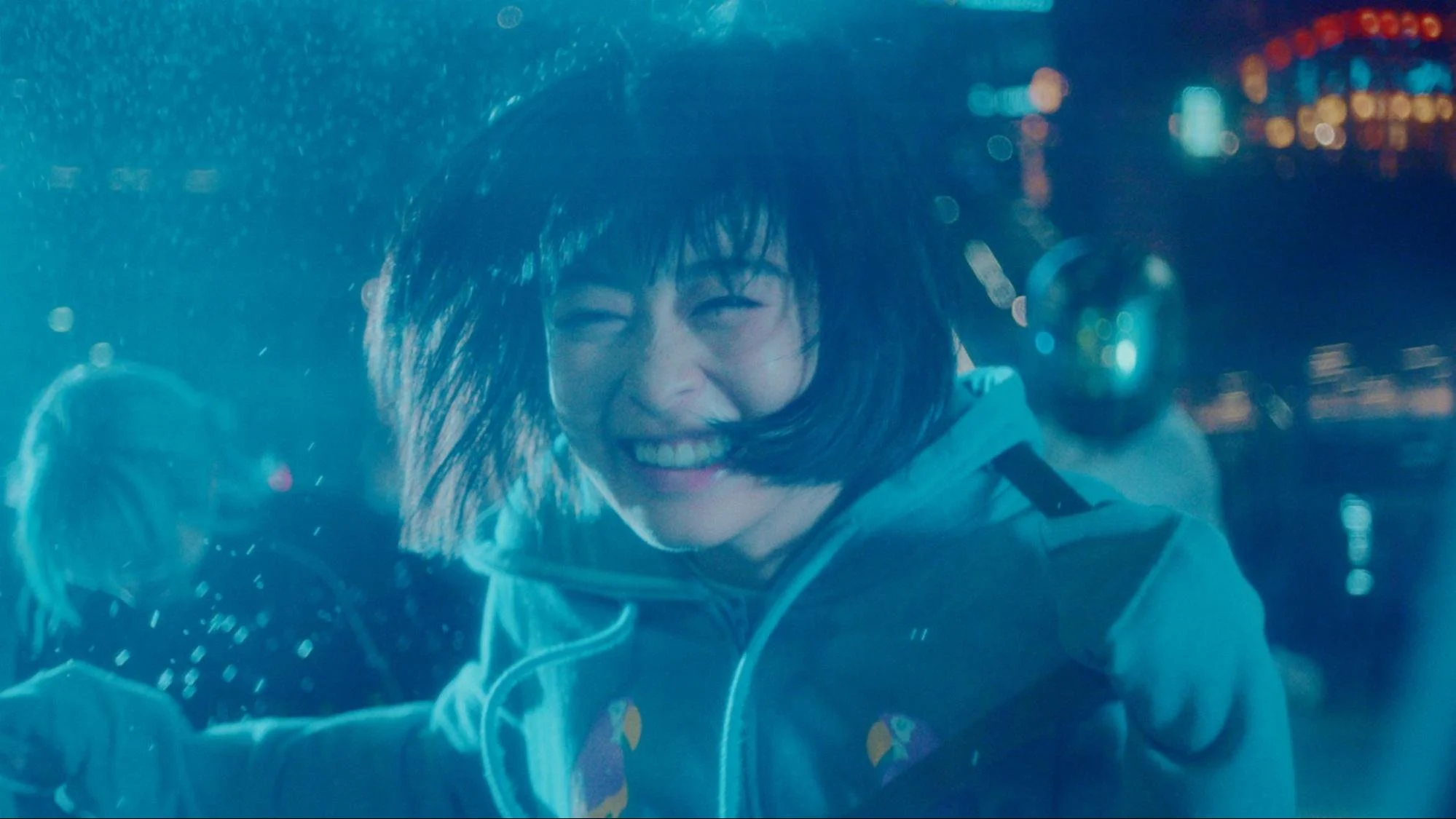
This coming-of-age collage generates some truly heartwarming moments and laughs. Burn juggles transformative elements of working-class pain, abuse, and innocence like The Florida Project while blending experimentation and the absurdity of the digital world.
I’ll never forget the echoing laughter throughout the audience when the protagonist and her best friend sang, “Chilling and watching Chihuahuas,” for two straight minutes. But that glee did not last—this was a hard watch. This film did not pull its punches. It slayed you with scares and rubbed those wounds with burning salt and lemon juice.
The cruelty would’ve been worth it if the story redeemed integral relationships in the narrative, as the main character Juju’s only reason to live was her female relationships—which the film abandoned. The direction from Makoto Nagahisa was inventive and vast, using camcorders, cinema cameras, film photos, 3D spaces, and overlays of all these realities to show the splintered and disorienting world Juju lives in. However, after the third SA incident and some gruesome self-mutilation that precedes a character’s death, I left the theater feeling, “All of that pain for what?” AI could’ve never written a woman beating her best friend to death with a shiny dildo, though.
1981 | Directed by Andy London & Carolyn London | Animated Shorts Section
Courtesy of Sundance Institute
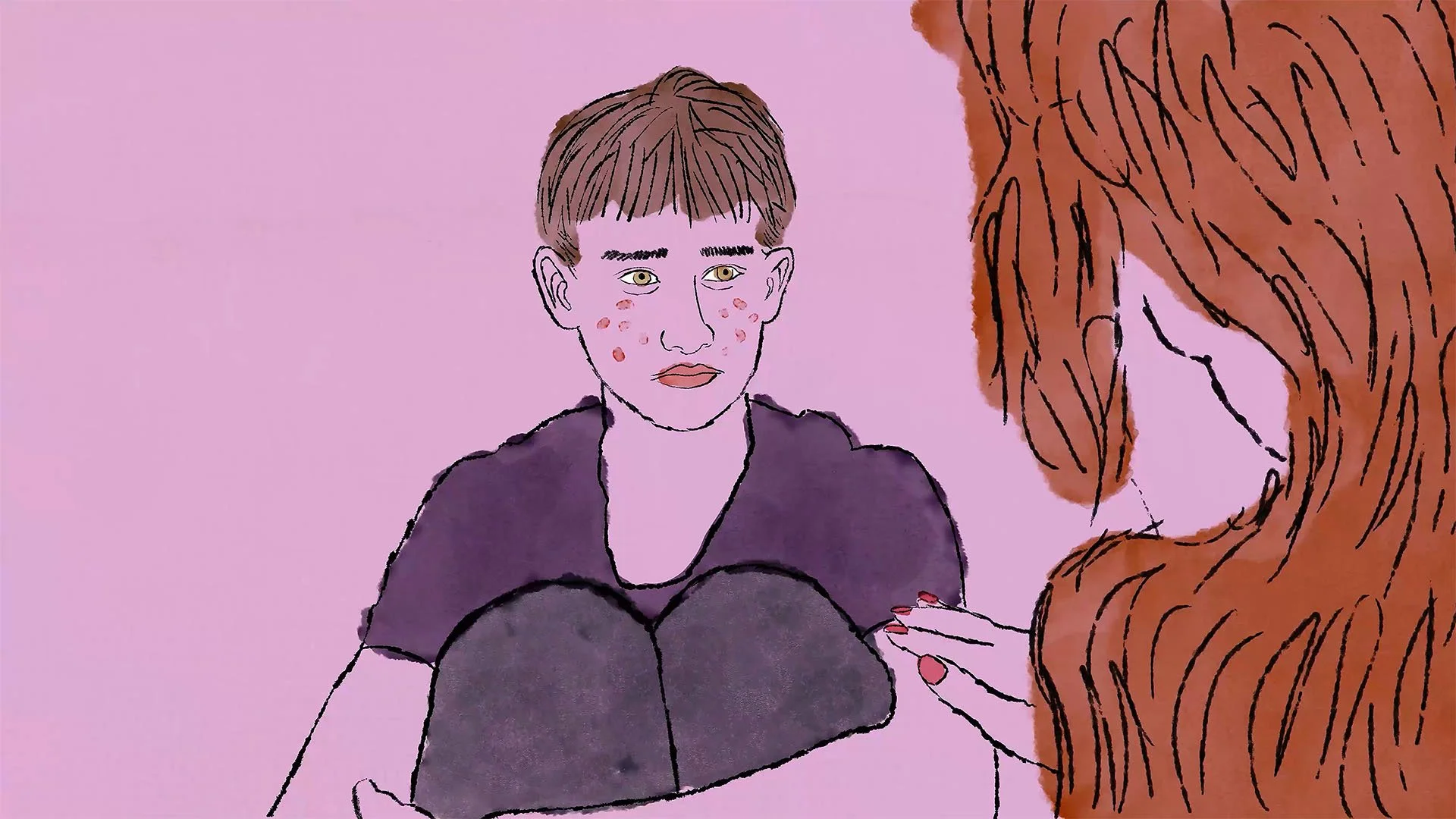
An honest, kaleidoscopic glance at what it was like to be a young man in 1981. Hilarious, heartbreaking, and off-kilter, 1981 creates an immersive world with a story so painfully awkward that it can’t not be a true story—and the filmmakers confirmed it was. The co-director's parents did indeed bring a pole dancer to his teenage birthday party.
Mangittatuarjuk (The Gnawer of Rocks) | Directed by Louise Flaherty | Animated Shorts
Courtesy of Sundance Institute
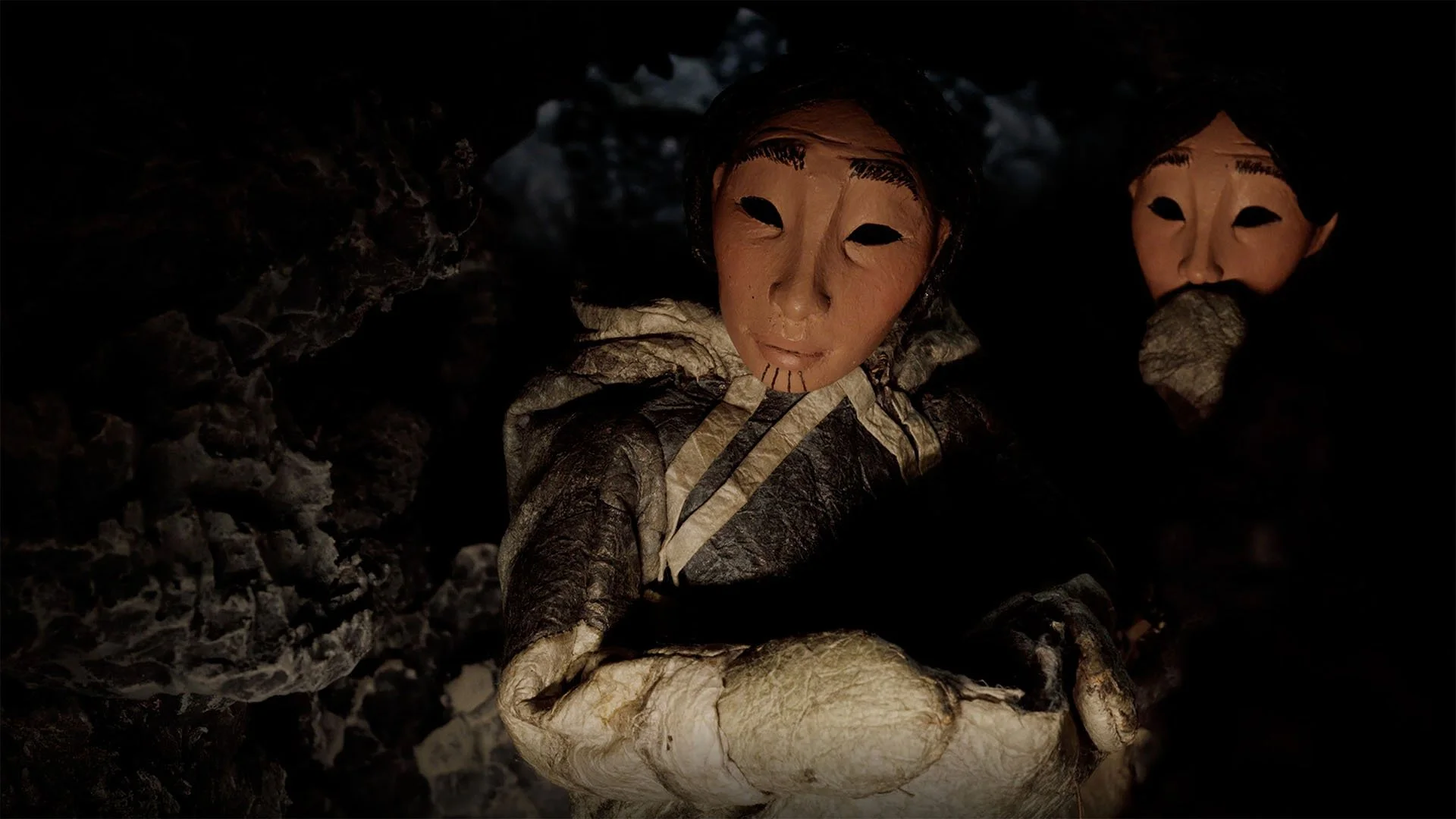
A stunning stop-motion film entirely in Inuktitut, an Inuit language spoken in the central and eastern Canadian Arctic, where two young women adventure into the lair of the Mangittatuarjuk, the Gnawer of Rocks.
Owning the human touch in Toronto, Canada, is Evan DeRushie, the animation director for this film and for The AI Doc—also at Sundance. I was elated to hear that Evan does not think about AI on a daily basis and is deeply devoted to human control of art, whether it be puppets, claymation, or striving for naturalistic lighting.
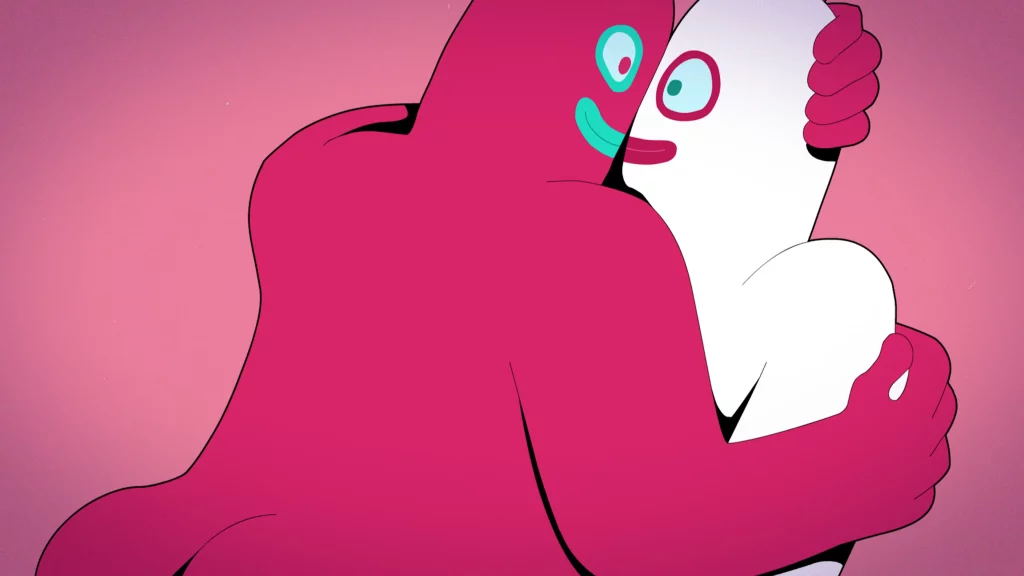
Hugs | Directed by Nicolas Fong | Animated Shorts
Courtesy of Sundance Institute
The trippiest bike ride through a sea of humanoid-like figures embarrassing each other with love. Nicolas Fong carefully creates joy and wonder through hugs and a biker watching them fly by. He told me the first hug he animated was where a hug ends with a little finger sliding into the embracer’s mouth, and he thought, “Oh, this film might be a little bit kinky.” It was kinky in the best way.
Fong insists on the political message of his film: “This world would be a lot better and safer if we choose to hug instead of picking up guns.” Gracefully stated by the Brussels-based animator.
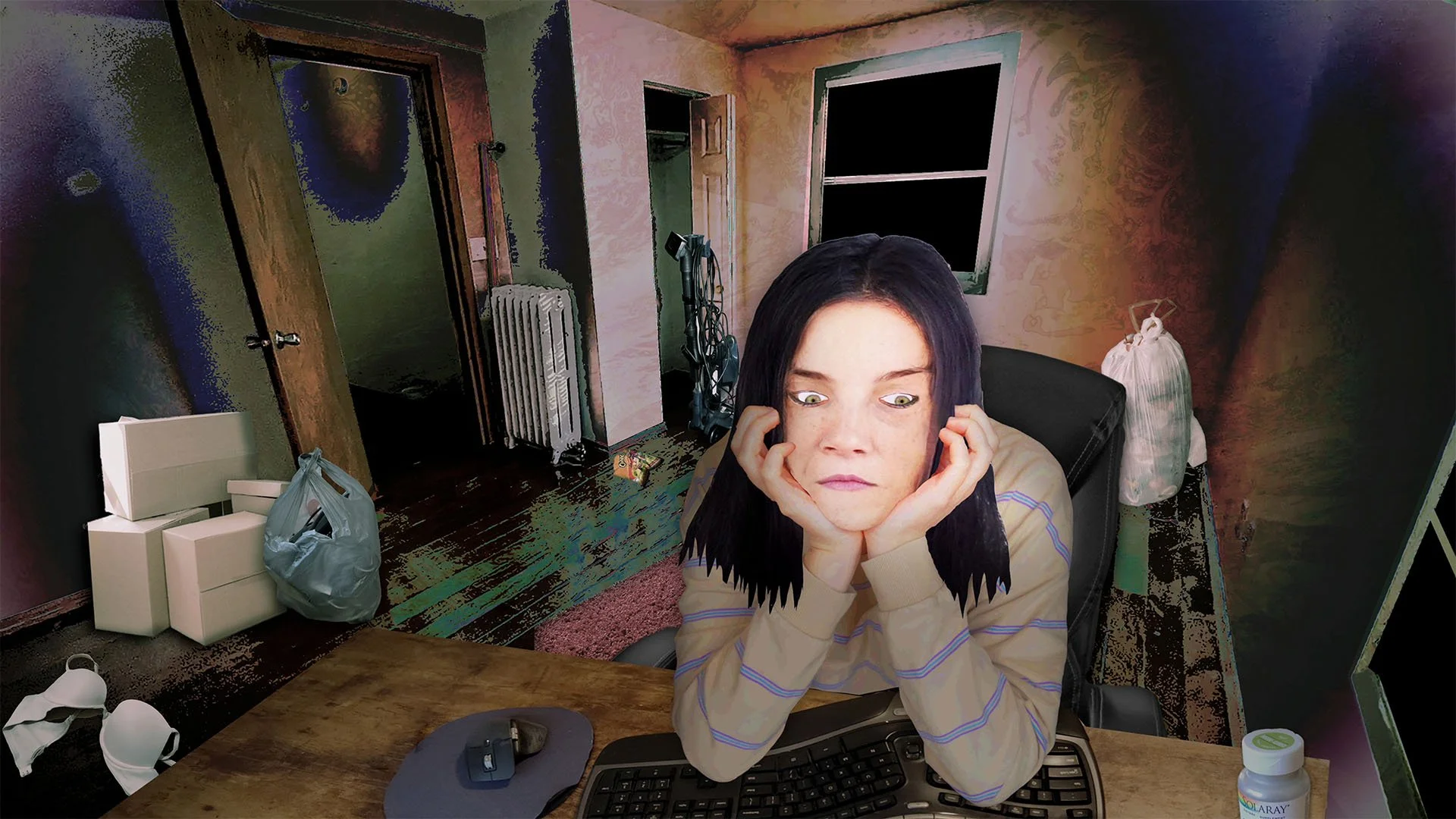
Homemade Gatorade | Directed by Carter Amelia Davis | Midnight Shorts
Courtesy of Sundance Institute
Homemade Gatorade infested the audience with harrowing laughter as if it were a primordial disease we will never find the cure for. Even after the credits rolled, cackles filled the air as the next film faded in. Carter Amelia Davis succeeds in a tightrope walk of DIY filmmaking and pristine control of tone. Featuring her own hands, house, and car, Carter envisions a world as uncomfortable and disjointed as the one we currently bear the weight of existing in. Thank God she quit her tech job recently to pursue filmmaking full-time. I will not spoil her film, because you can watch it on YouTube right now.
This film spawned from a yearning for the old internet, when there was still a sense of discovery. The protagonist’s primary source of alienation—stemming from lack of success despite her attempts to conform to the rules of society—was furthered by her relationship with the online world and even sprinkled with some AI usage. Fitting for someone driving 5 hours and 52 minutes to deliver a frothy sports drink to a desperate woman she met online.
Carter takes inspiration from the trans music scene, where distorted sound and visuals go hand in hand. She brings this distortion to her films with a sense of preciousness and brevity. Talking about her early days of creating visual art, she said, “Since no one was taking me seriously, I didn’t feel the shame of making art and it not being good. The lack of judgment enabled me to develop a unique personal style.”
Maybe we should try feeling less shame when making something honest—and a lot more shame when letting an algorithm make for us.