Love as Consumption in 'polarangel.' ★
By Reese Carmen Villella
There’s nothing more nauseating to me than a rom-com.
Rom-coms feel like a misogynistic insult to my intelligence. The formula is always the same: meet-cute, minor conflict, reconciliation, credits roll. Even when relationships implode, mainstream romance still wants you to walk away believing love is the solution to everything. Apparently, if you find the right person, your entire life snaps into focus like the ending of a Nancy Meyers movie.
But for filmmaker Katherine Quinn, love is not a resolution. It is not Ryan Gosling standing in the rain begging for another chance. Love, in Quinn’s work, is something that lingers, persists, and becomes all-consuming. “I’ve always seen love depicted as a joyous, simple thing,” Quinn told me. “In my personal experience, love can be destructive, animalistic, and self-cannibalizing.” The second she said “self-cannibalizing,” I knew I was on board.
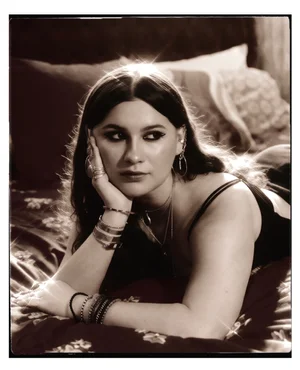
Quinn’s Headshot; Courtesy of Mathis Andrieux
Visually, Quinn’s work is reminiscent of Sofia Coppola and Petra Collins. She’s got Tumblr-era soft grunge and coquette aesthetics, with girls in silk robes staring out windows dramatically. Her visuals would send the coquette girlies into cardiac arrest. But underneath all the softness is something grittier as she uses surrealism to explore alienation, obsession, emotional instability, and shame.
Despite what TikTok might suggest, coquette has never really just been about bows, lip gloss, and pretending to read Lolita in a park with your older boyfriend. The aesthetic has always been deeply tied to media consumption and romantic pathology, stories centering femininity as something performative. As a Lana fan, former film major, and feminist, I could go on a whole tangent overintellectualizing aesthetics, but for now, I’ll focus on Quinn.
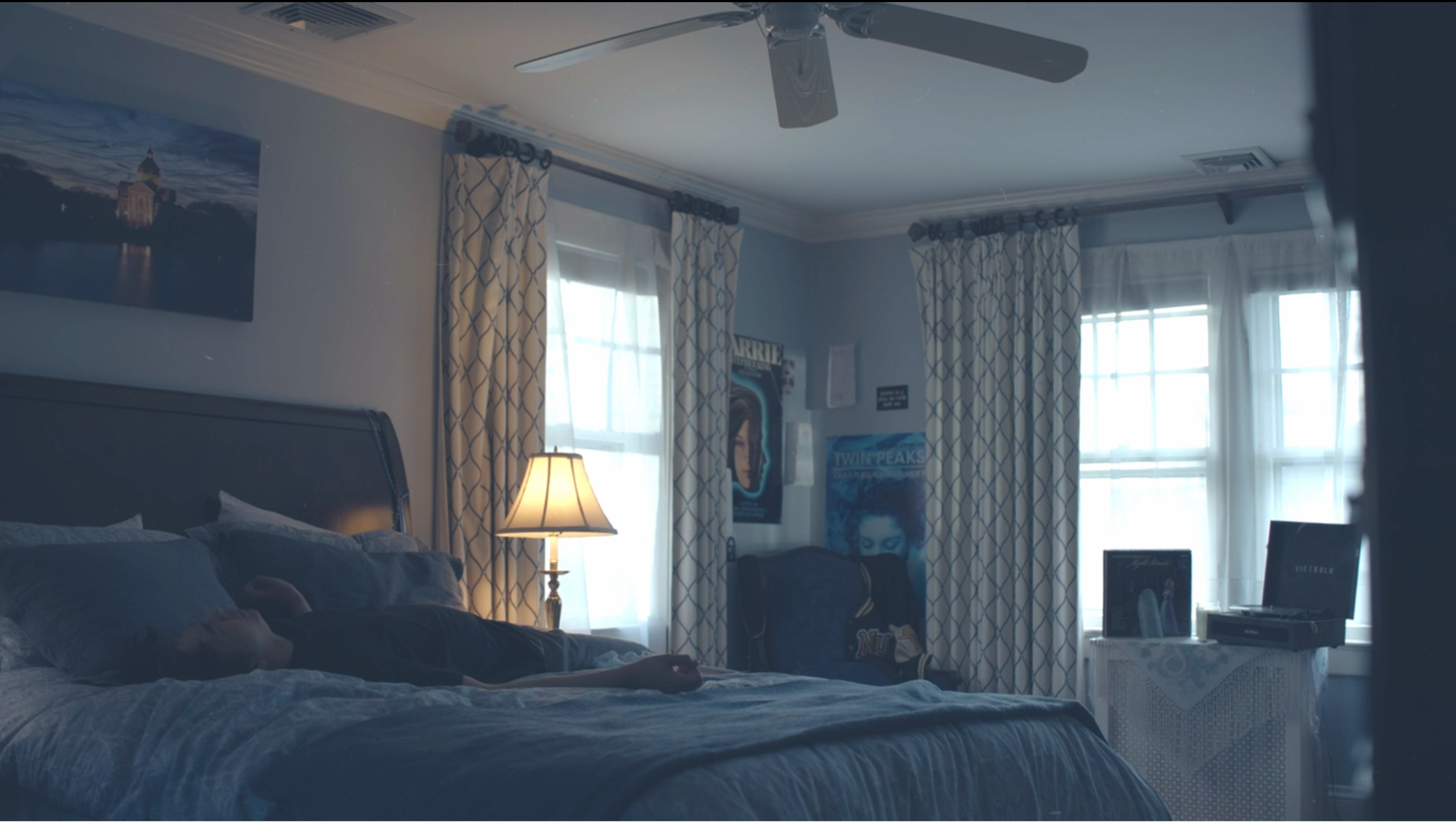
Still from polarangel.
Quinn’s films are beautiful, but they’re not empty aesthetic exercises masquerading as substance. She is intentionally interested in femininity as both a visual language and a subject matter, a focus that dates back to her beginnings as a filmmaker. During COVID lockdowns, when most student filmmakers were losing their minds because they couldn’t access actors or crews, Quinn started making films using ball-jointed dolls. Which is not only the most coquettish solution imaginable, but it’s also thematic. The dolls created this uncanny, hyper-stylized atmosphere while also feeding directly into her themes of femininity as performance and objectification.
Quinn also credits her first film professor, Kym McDaniel at Binghamton University, with encouraging her artistic instincts early on and helping shape her visual sensibilities. That experience also pushed her toward female-led creative spaces, which continue to inform her work now. A lot of male-directed media still treats women as emotional spectacles: hysterical, irrational, difficult. Meanwhile, the men remain grounded and psychologically legible.
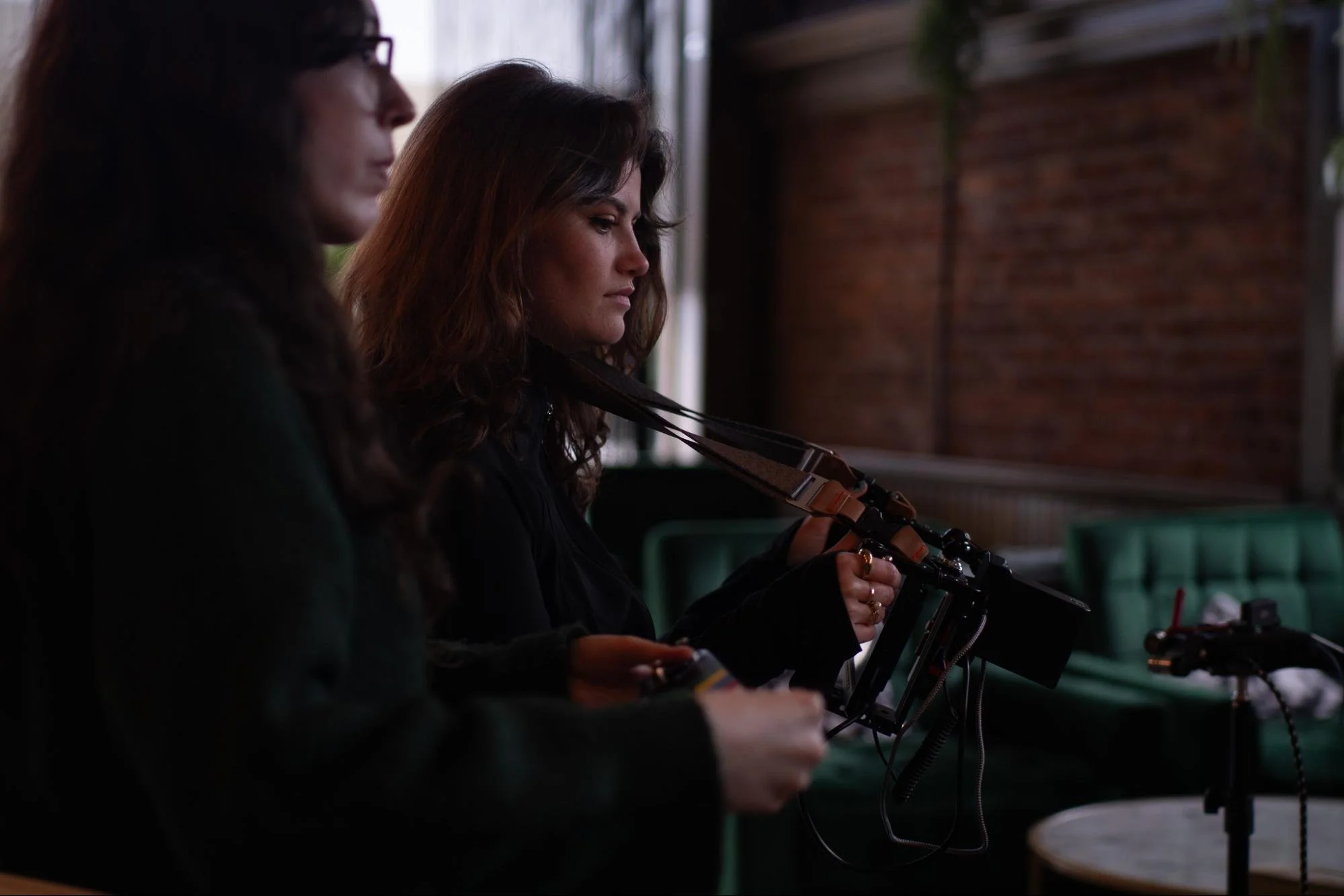
Quinn on Set for Her Film eleven:eleven.
Quinn’s work flips that dynamic, which is so refreshing and frankly, necessary. As soon as the phrase “female rage” blew up on TikTok, people started treating any image of a woman screaming, crying, throwing up, or smashing plates as inherently feminist. But not every screaming woman in a film is Isabelle Adjani in Possession. Somewhere along the line, audiences began conflating feminist catharsis with what is often just a man’s exaggerated interpretation of hormones. Quinn avoids this conflation by portraying her female characters as composed and restrained, while the men are the ones unraveling emotionally under the weight of guilt, grief, and desire.
“My friend recently joked that I really like the stoic woman trope,” Quinn said. “I think unintentionally, I tend to write the female characters as more composed, and the male characters as more fickle and emotional.” And her upcoming short film polarangel. is built around exactly that idea.
The film follows a man (Alejandro Joewono) trapped in a snowstorm who is visited by the ghost of his high school girlfriend (Anna Toloczko), who died years earlier in a car crash he caused. This is not one of those horror movies where a vindictive dead girl crab-walks down a hallway while violins screech in the background. polarangel. is much quieter and much sadder than that. It’s about guilt, memory, nostalgia, and what happens when love continues after the relationship (and even the person) is gone.
“An absence can be felt so strongly, it becomes like a presence,” Quinn explained.
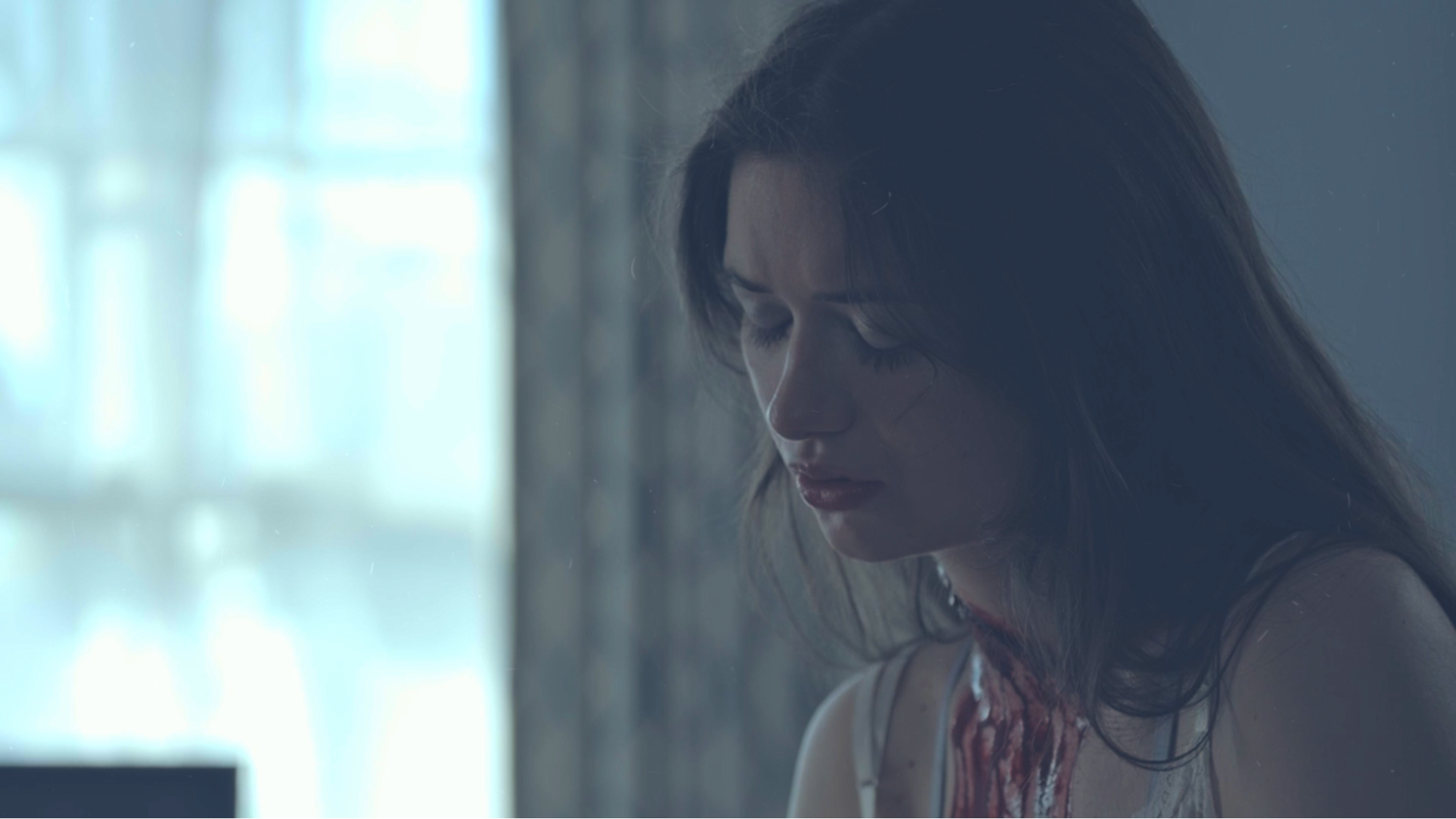
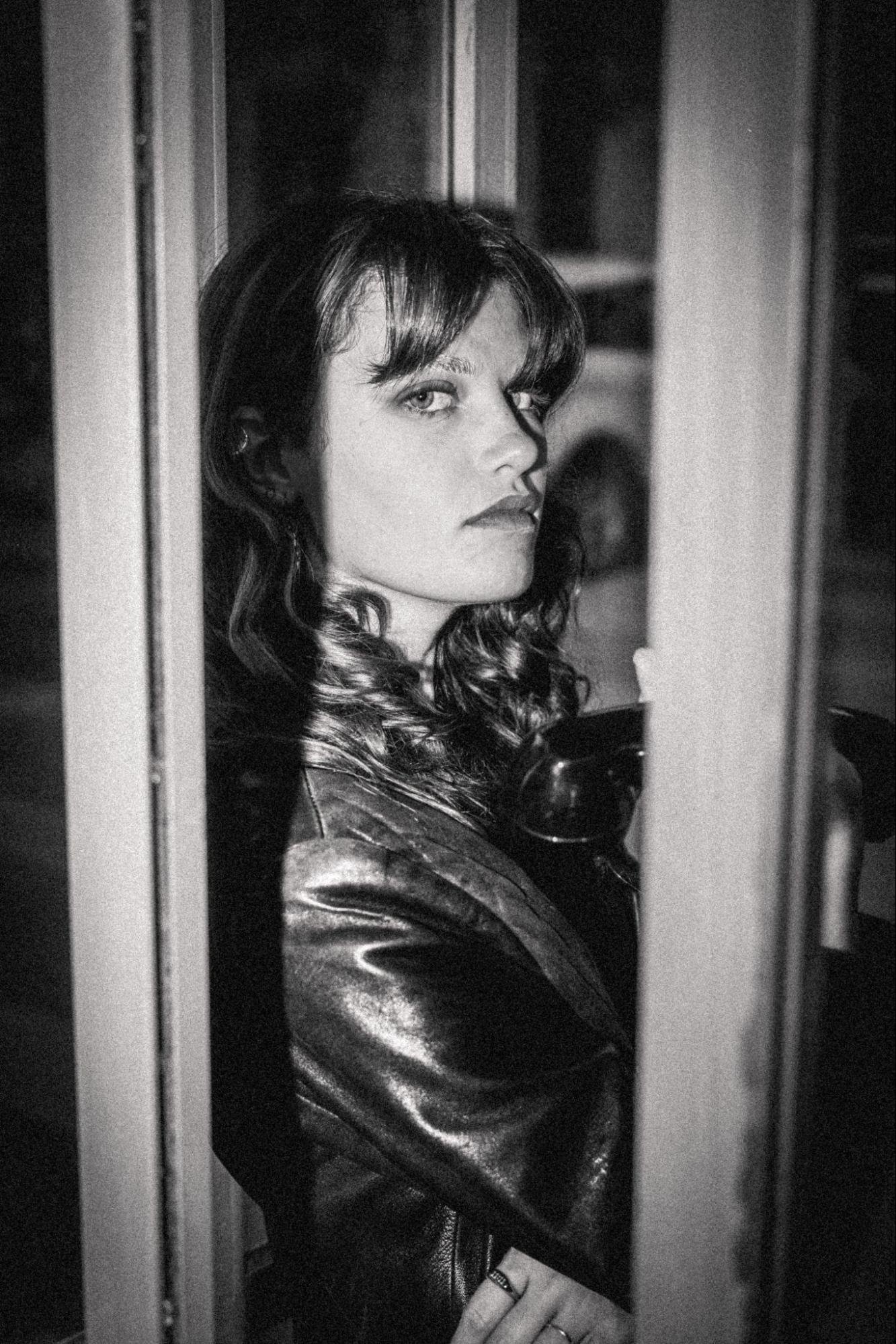
Anna Toloczko in polarangel.
Part of why Quinn’s work feels so relevant right now is that women seem increasingly exhausted by sanitized romance narratives altogether. People do not want clean, market-tested love stories. They do not want another quirky “she teaches him how to live again” rom-com with acoustic guitar music playing over the credits.
They want the catharsis of seeing love and human nature displayed in all its raw human ugliness. That’s also why Quinn cites Nicole Dollanganger as a major influence. Quinn described hearing Dollanganger’s music for the first time as hearing someone articulate feelings she’d previously felt too ashamed to express. That influence makes perfect sense. Like Dollanganger’s music, Quinn’s films are interested in desire beyond what is socially acceptable or aesthetically digestible. Not the polished version of romance, the messy version. “The human experience can be very ugly and unhealthy,” Quinn said. “I love artists who are unafraid to confront it.”
Quinn understands that, sometimes, love turns people into freaks. Sometimes grief lingers so long it starts feeling physical. Sometimes memory itself becomes haunting.
Quinn doesn’t want to make films that “change lives,” but films that allow people to “recognize themselves.” In her work, though, recognition is rarely comforting; it’s the uncomfortable realization that the things haunting her characters are not supernatural, but human. Perhaps that’s why her films have a lasting impact. Like love itself, Quinn’s films refuse to fade away.