Mask Hysteria
Talking COVID with Noire and Arson with Ace
By Reese Villella
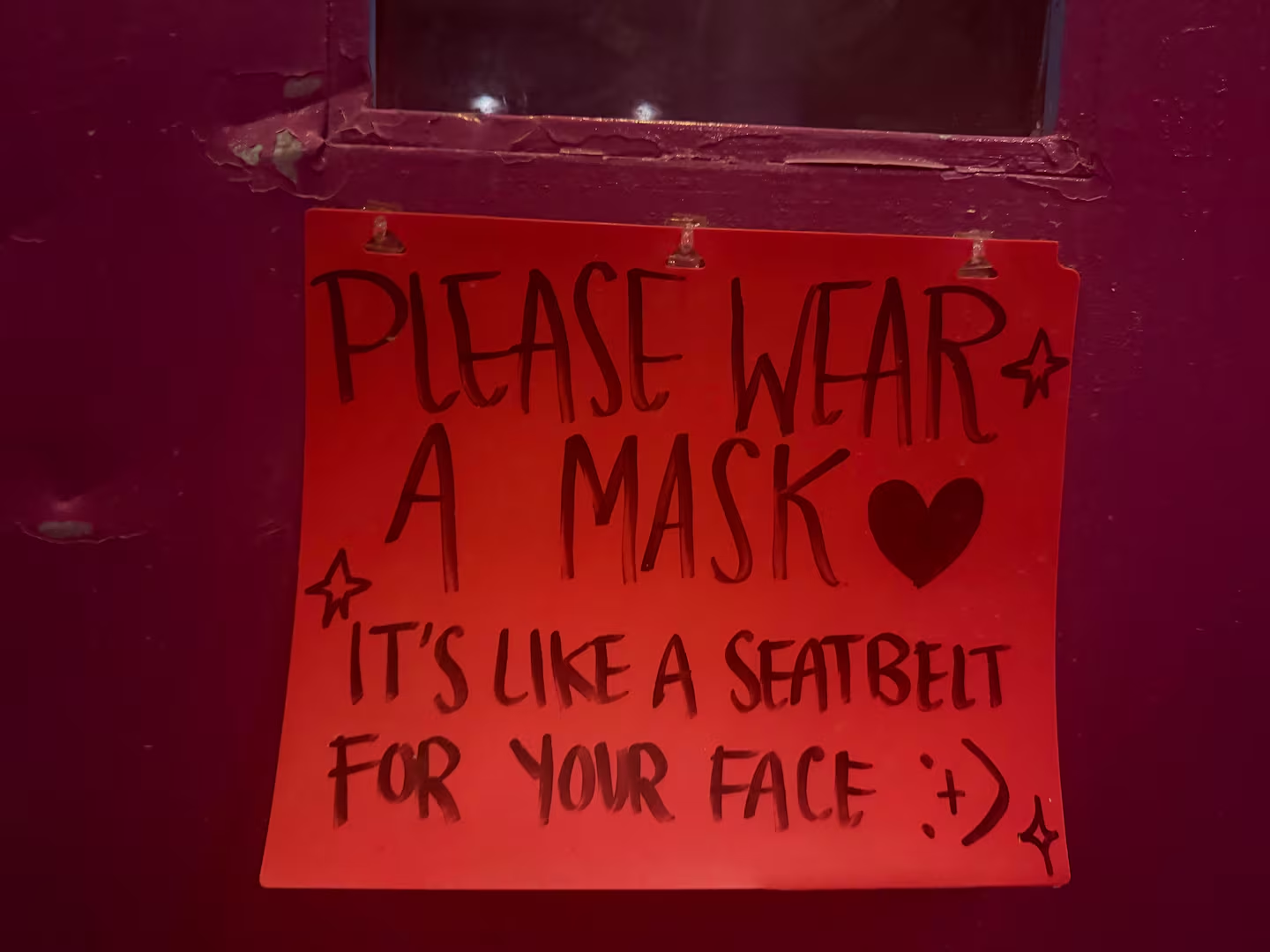
If you have access to the internet, own a phone, or generally go outside, you may have seen the Boston Globe story about Last Ditch, a lesbian bar in Massachusetts that made Saturday nights mask optional and faced a backlash that might make you think this happened in March 2020.
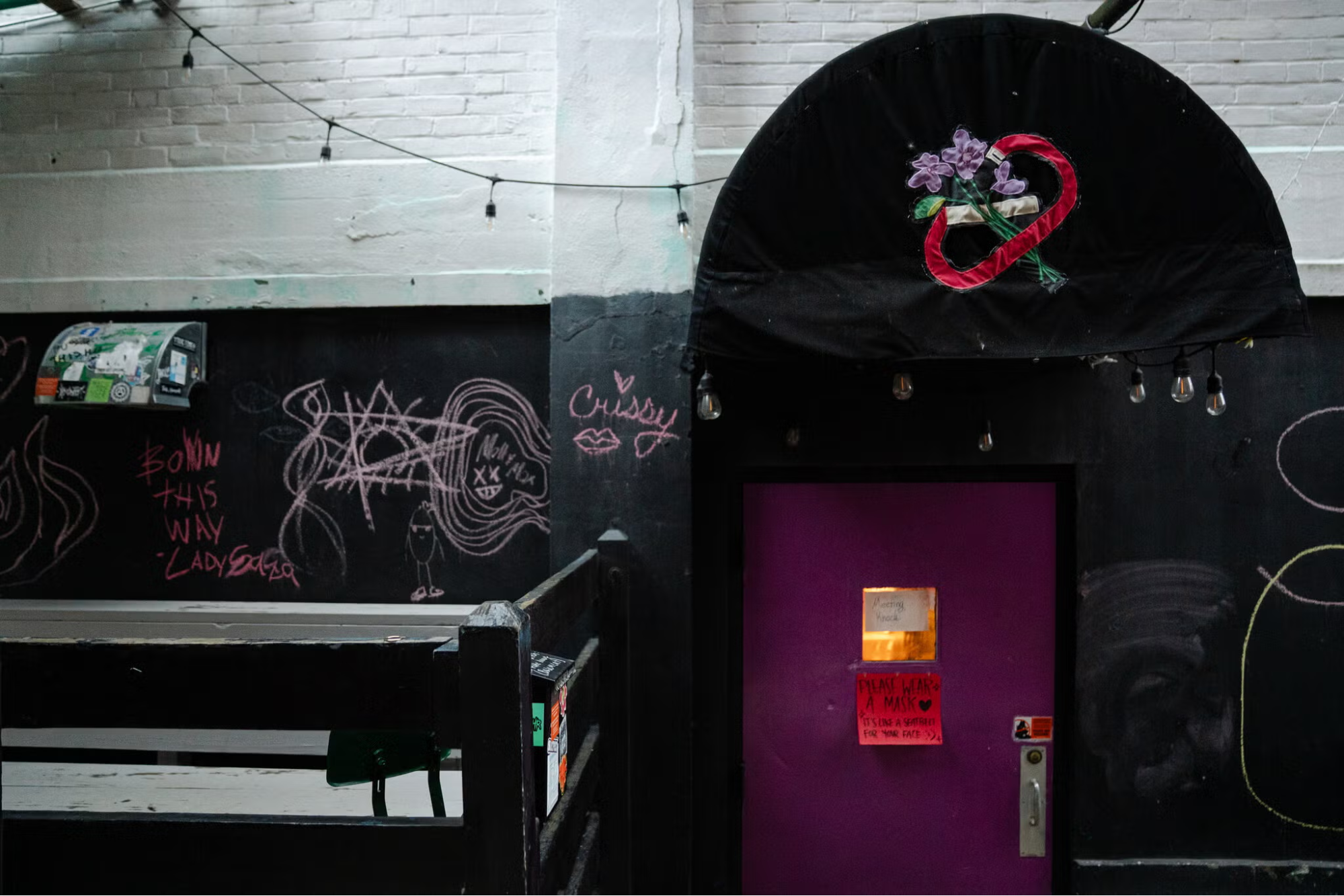
The New York Times
If you somehow missed the story, I’m honored to share this moment with you. The TL;DR: Last Ditch had required patrons to wear KN95 masks “or better.” Struggling to stay open, the bar decided to try one mask-optional night a week to boost Saturday patronage while keeping the requirement on other nights. The announcement drew hundreds of (now hidden) hate comments. Then the Globe covered the backlash, and the entire internet found a new rabbit hole; now everyone has their own opinions on the municipal affairs in Greenfield, Massachusetts.
I hadn’t planned on studying queer Massachusetts nightlife this week, but now I have, and it matters very much to me, as someone who has spent no significant time in Massachusetts. Several new phrases have entered my lexicon, legendary Twitter scrolls have happened this week, and I’m having a ball.
A lot of people wrote off the backlash as “too woke,” getting caught up in identities they didn’t understand and people named Moss (admittedly, a they/them classic). But somewhere between the memes, the headlines, and wondering whether any of the commenters had ever been to Greenfield, I found myself with a genuine question: who the hell is still masking in 2026?
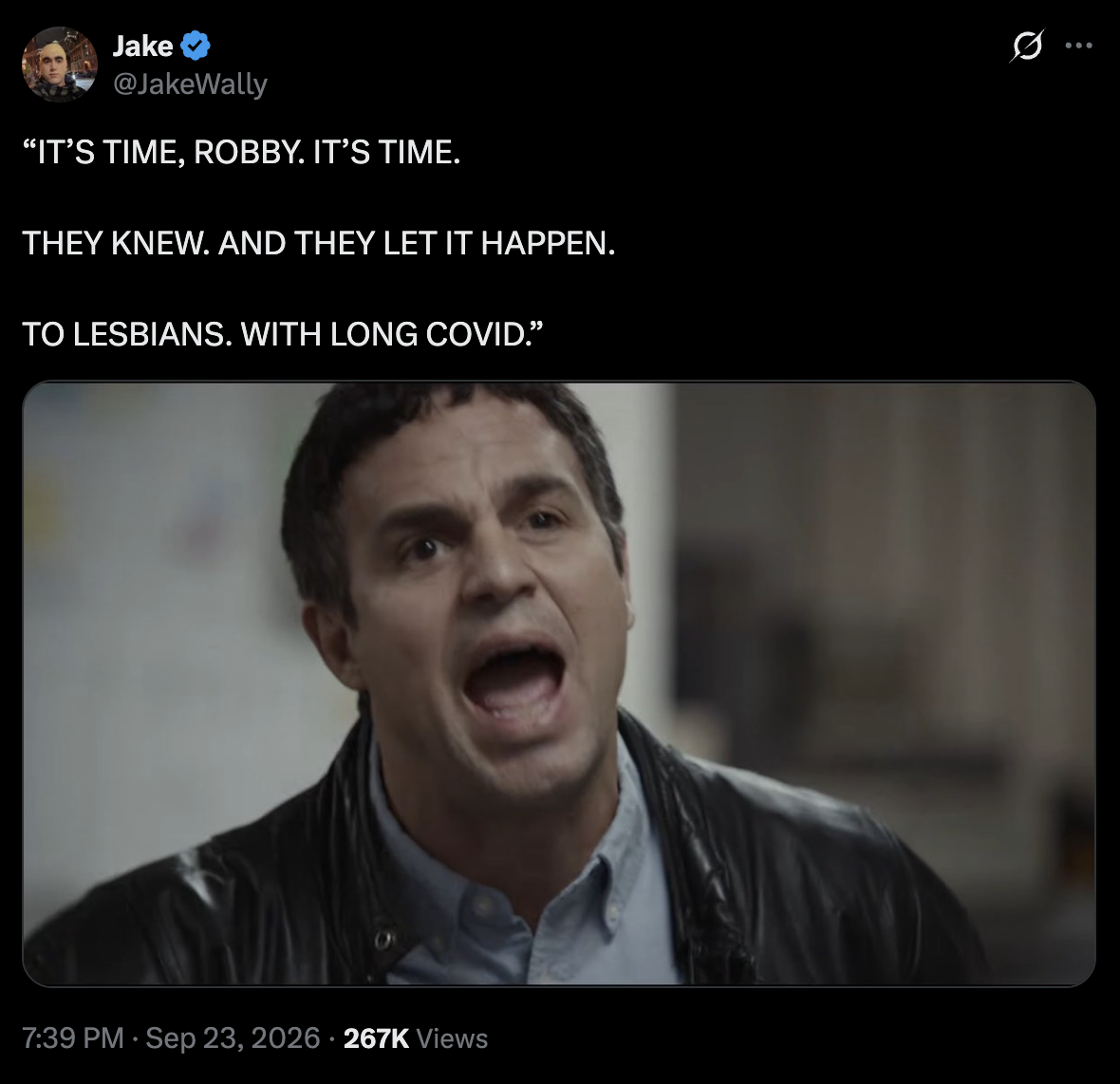
Maybe I’m out of touch. Maybe I fall short of being woke. Maybe watching Hasan Piker isn’t enough to fit the bill these days. But honestly, I didn’t know there were still people who mask every time that leave the house, and I know immunocompromised people. I want to understand what maskers’ day-to-day lives look like. Why do we all care about some random bar in an even more random place? And why did making masks optional for one night, while still requiring them on the others, feel so earth-shattering?
I reached out to some of the people who responded to the bar’s announcement. Several left me on seen. Some never even opened my message. And a few even blocked me. Investigative journalism has finally allowed me to understand what it must be like to be a random man hitting on a girl in her DMs. At last, I understand the male loneliness epidemic. But I’m a nice journalist!
The first person I heard back from was Noire, whom you may remember from the Globe article as a gender-expansive lesbian who uses he/him pronouns. And I want to start with this: Noire was a mega chiller. He was generous with his time, sent thoughtful responses, and genuinely believes in the cause.
Noire had been a patron of Last Ditch, spoken highly of it, performed in its drag shows, and screened his short film there. He criticized the explanation for the change: according to him, the initial announcement framed the decision around accessibility without mentioning financial struggles. He felt the explanation sounded like an attempt to justify the change rather than a meaningful response to patrons’ needs.
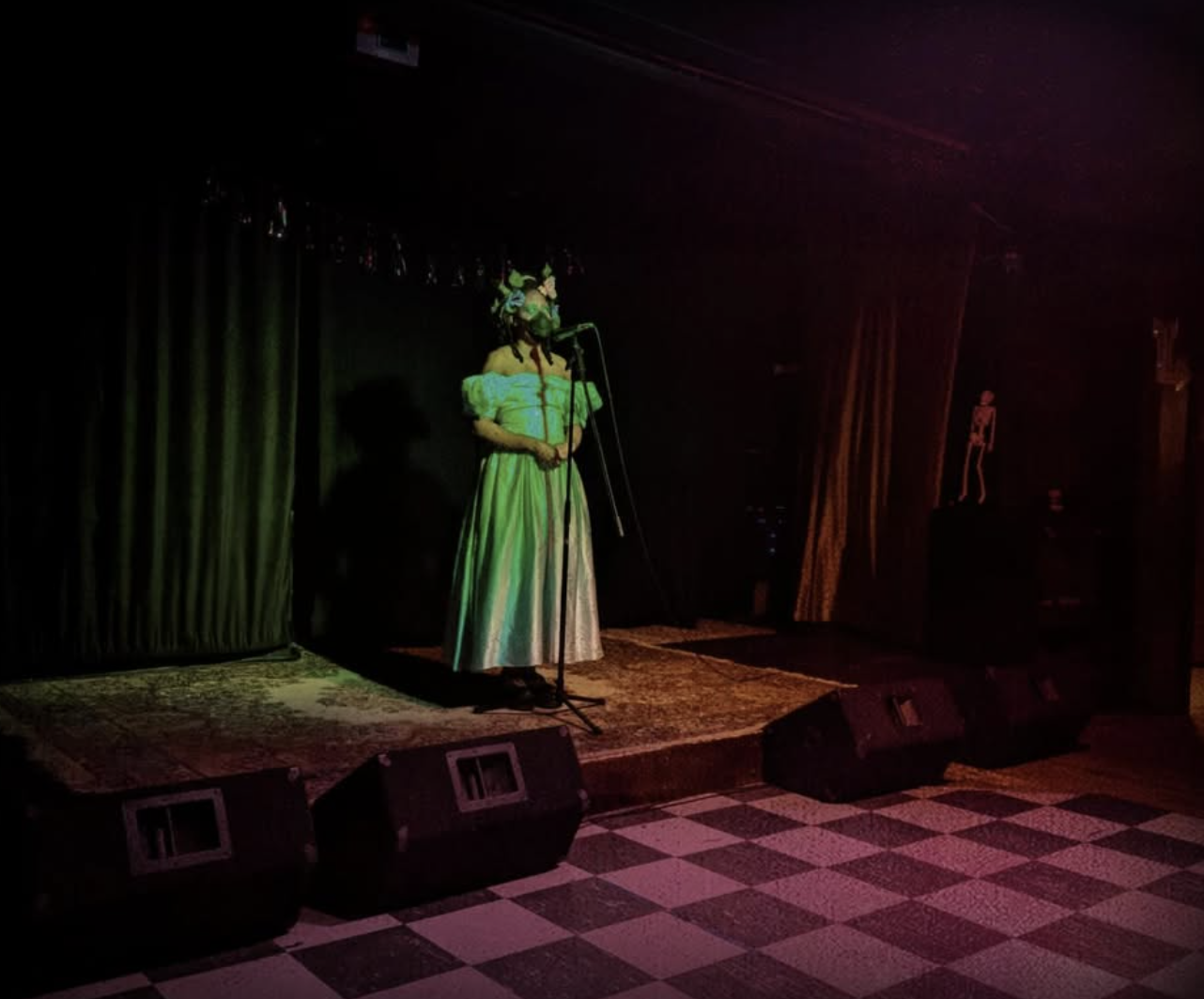
Noire performing at Last Ditch
For Noire, masking in 2026 means wearing a high-quality respirator in shared spaces. “We are currently in a climate of health fascism and an ongoing public health crisis,” he told me.
Noire pointed me toward disability advocate Alice Wong’s work, describing the “importance of people in shared spaces masking so that people like her with disabilities that make it extremely hard to mask can be safe.” He said Last Ditch already had a process for requesting accommodations for people who couldn’t wear a mask.
Last Ditch was only open four days a week, he told me, with many of its drag shows and events happening on Saturdays. Keeping the requirement on other nights still meant sacrificing Saturdays, which mattered to him as both a patron and a performer.
Noire said he wanted people to take away from the story that COVID hadn’t stopped being a concern, even though most people have moved on. He described feeling abandoned by institutions, pointing to the lack of universal healthcare and what he saw as disappearing resources for COVID testing and research.
Noire pointed to a question I hadn’t considered: if a bar built its mission around being COVID-cautious, what did it owe the people who came because of that promise? And yet, I still had questions about how the bar could afford to keep that promise.
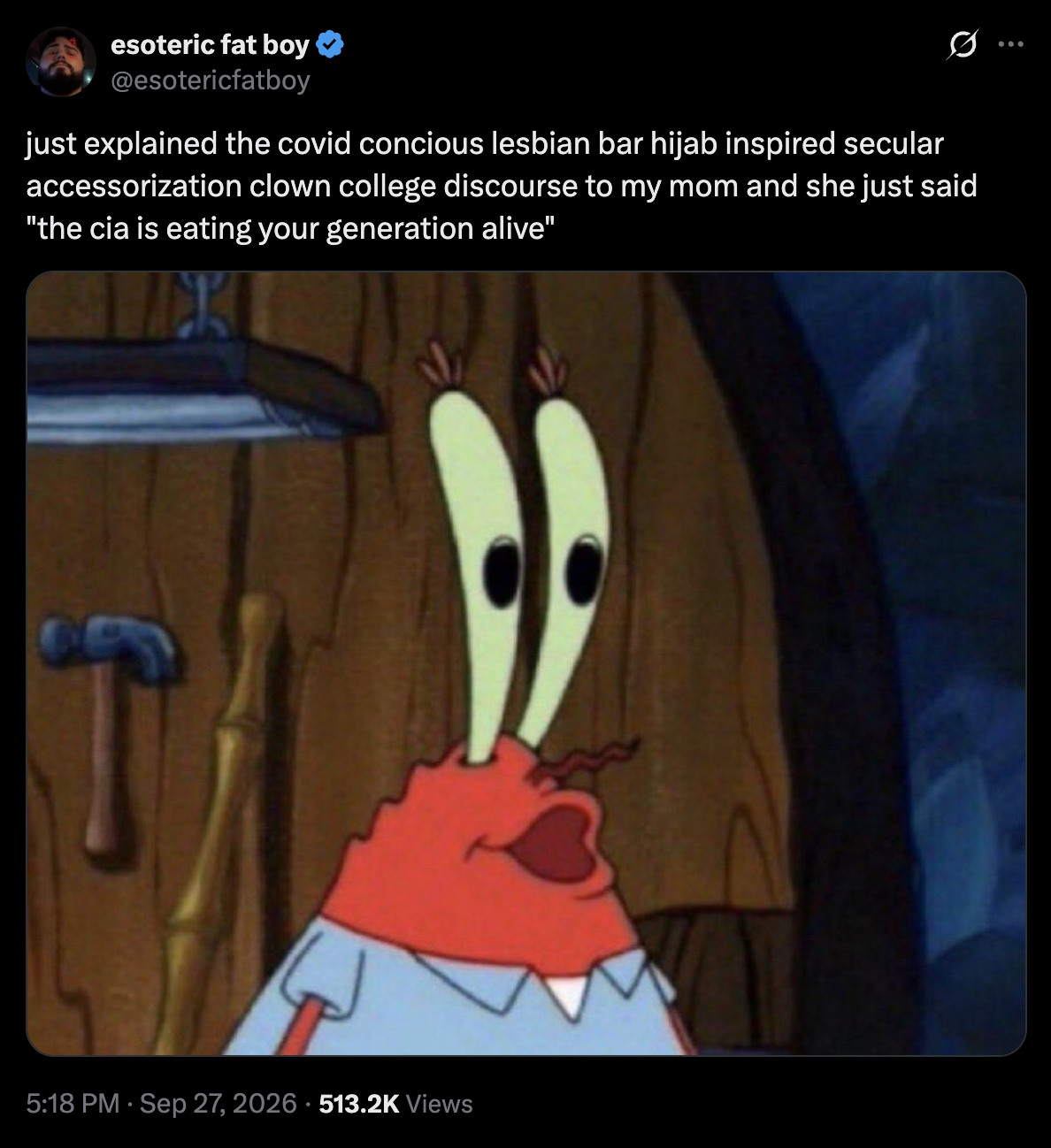
One commenter, @serene_necrosis, who had written “I hope your venue gets firebombed” beneath Last Ditch’s announcement, replied to my message with a Substack link. I figured it was a swing and a miss, that they had no interest in engaging with me and were essentially saying, “All my answers to what you’re probably going to ask are in this Substack I wrote last week.”
Instead, I opened it to find a post responding to me.
I’m only human, so, of course, I was flattered. I hadn’t expected to become part of the story I was trying to report. What a thrill!
I’d also like to sidebar and say I was admittedly starstruck that two standouts from the article were the ones to reply to me. I’d seen them all over my Twitter feed in the preceding days, so getting a response felt like being noticed by a celebrity… or Fauci, I suppose.
@serene_necrosis, who goes by Ace, lives in Colorado. They had learned about Last Ditch through an online network of disabled and COVID-cautious people, a community they described as “borderless” and held together by word of mouth.
“You want to know how I know about a rural lesbian bar on the furthest outskirts of reasonable travel from Boston when I’m from Louisiana, live in Colorado, and the closest relation I have to Boston is my ethnicity and a dilapidated fern in my living room. More pressingly, you want to know why I care enough about it to wish bankruptcy and arson on the whole enterprise, when, to an outside observer, we both occupy this nebulous political arena of uncatalogued ‘hardleft’ entities beyond the furthest reform aspirations of media figures like Hasan Piker.”
I appreciated the thorough disclosure of potential ties to Massachusetts, as well as the Hasan Piker mention.
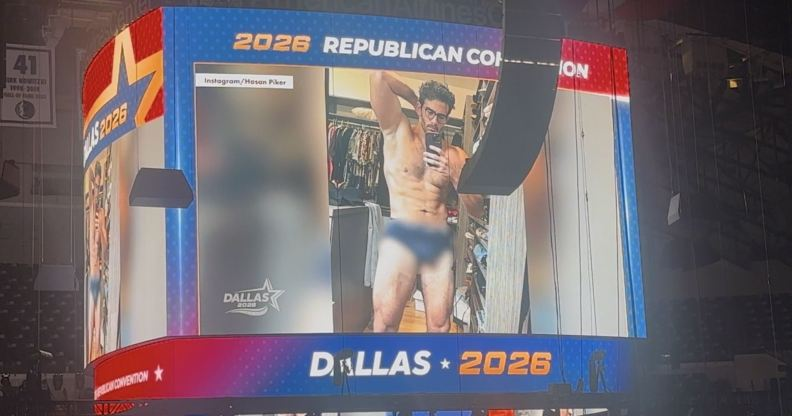
Hasan Piker, as displayed on the RNC’s jumbotron, via PinkNews
Later, Ace writes: “You, and others, want to know what crawled up our asses and died, why are all these gross cripples so plain nasty about it, why do we act like these poor innocent god-fearing american small business owners with nice, polite, ‘normal’, media palatable marginalizations, these brave maeves, are literally killing us.”
Ace is, honestly, funny as hell. The writing is so tongue-in-cheek that I sometimes had trouble figuring out where the joke ended, and the literal conviction began. As well-worded and even self-aware as some of Ace’s statements were, I struggled to get past their posts criticizing non-Irish people for drinking milk and appropriating “indigenous” Irish food. We all came here to discuss a mask policy and apparently now need to establish our ancestral relationship to dairy! I was also curious how Ace’s objections to appropriating Irish food squared with what they reportedly call their own “hijab-inspired secular accessorization.” Apparently, the rules have some flexibility, but I suppose that’s neither here nor there. I’m not entirely convinced Ace’s entire online persona isn’t performance art, but I’ll take what they shared at face value.
From Ace’s perspective, Last Ditch had publicly committed to a standard that made social life possible for people who avoid unmasked indoor spaces, then compromised that commitment by making Saturdays mask optional. Ace had little sympathy for the owner’s financial struggles and objected especially to the suggestion that criticizing the owner amounted to “punching down.” As Ace puts it: “If I see one more ‘disabled queers are punching down on poor uwu lesbians!’ post about this, I’m going to scream.”
In response to reports that the owner was living in her car, they ended up offering unsolicited advice of their own, suggesting the owner buy a cot and sleep inside the bar. I personally support everyone having a place to live and a shot at the American dream, but somewhere among Ace’s musings, I believe there is a point: individual disabled patrons aren’t responsible for keeping a business afloat. I agree with that sentiment, but I also think an owner can change a policy in an attempt to stay open without warranting a threat of arson… call me old-fashioned.
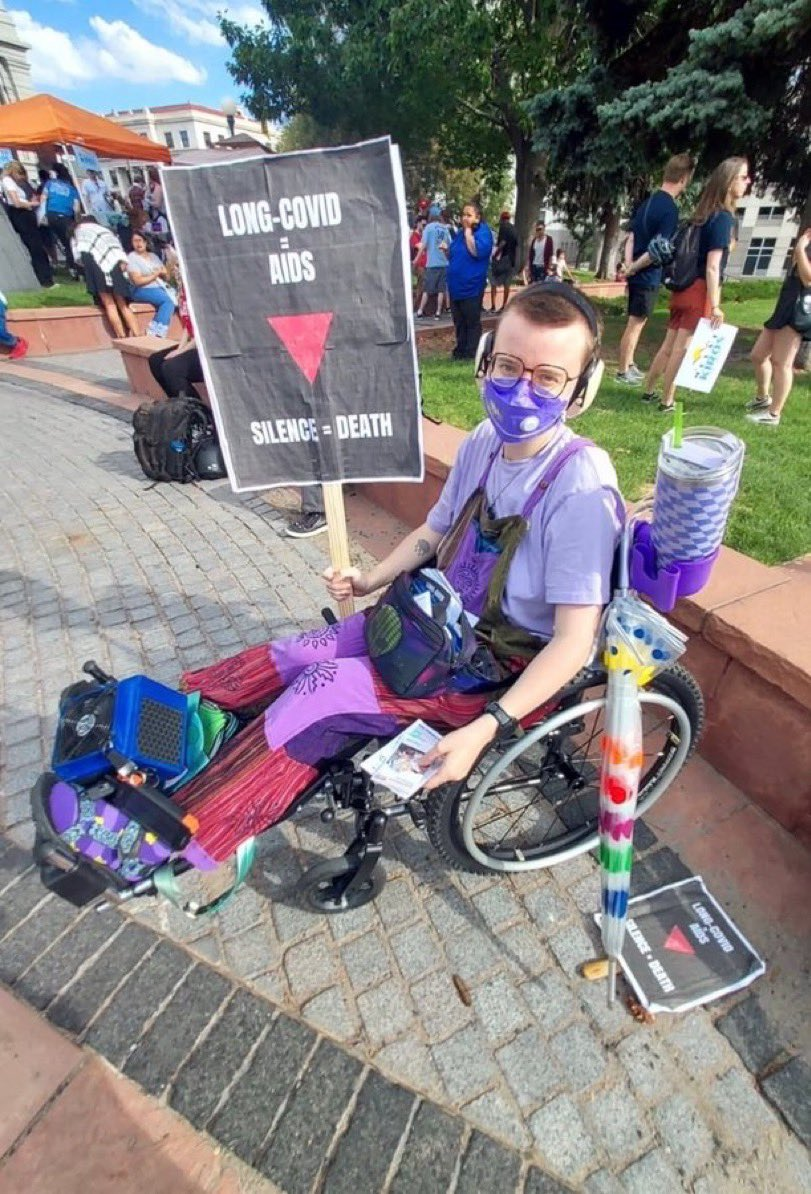
They describe the policy change as an “open declaration” that disabled people are, to use the Nazi phrase they invoke, “life unworthy of life.” That is quite the conclusion to draw from a bar making masks optional on Saturdays. I understand the argument that this makes the space harder for some people to use. I don’t think it establishes that the owner considers their lives worthless.
It reminds me of the anti-mask discourse of 2020 and 2021, when people treated being unable to enter a business without a mask as proof of their oppression. The circumstances are different: being immunocompromised isn’t a choice, and infection can have serious consequences. But I recognize a similar escalation, where a disagreement over the conditions for entering a business becomes a sweeping claim about what that business believes you deserve as a person. You can be disappointed by a space changing its rules without being entitled to have those rules reflect your needs indefinitely. Last Ditch can be criticized for changing a policy people relied on, but if we’re going to accuse a struggling lesbian bar of embracing Nazi ideas, I’m going to need more to go off of than its Saturday night mask policy.
It reminds me of the “bean soup theory”: someone posts a bean soup recipe, and someone else asks how to make it without beans because they don’t like beans. Maybe this recipe just isn’t for you! Last Ditch complicates that argument by advertising itself as a space for people now being told to find another recipe.
The Boston Globe
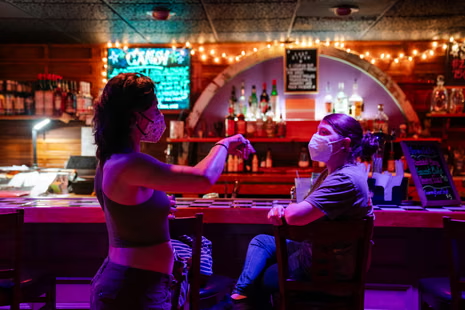
I don’t mask daily. And if Last Ditch was losing patronage because of the requirement, that doesn’t surprise me. Honestly, I generally think this whole situation is absurd. It’s a bar, which is a completely normal place not to want to wear a mask. People are drinking, talking over loud music, and, if it’s anything like Woods Wednesdays in NYC (shout-out), sticking their tongues down each other’s throats or elsewhere. Plus, the central activity is drinking, which a mask does impede.
I get that it must be frustrating to have so few bars that accommodate you, then watch a space designed with you in mind surrender to the sweet, sweet music of capitalism. But I can also understand someone walking into a bar, seeing that masks are required, and choosing somewhere else. I know I’d do the same.
This leaves the owner in a tough position: stick to the original mission and risk losing the business, or change the policy to save it and risk alienating the people who supported it because of that mission. Last Ditch certainly dug a hole—or a ditch—for itself. As outlandish as the response has been, I understand why patrons see a contradiction between the bar’s original mission and its new policy. Unfortunately, having several hundred people explain what your bar should be doing is not the same as having several hundred people buy a drink.
The Guardian
And while we’re arguing about the bar, COVID is still a factor. WHO/Europe reported in December 2025 that COVID continued to cause substantial hospitalizations and deaths, while highlighting the protection offered by up-to-date vaccines. Long COVID can also affect people well beyond the initial infection.
I’ve made jokes about long COVID not being real, too. Unfortunately, my commitment to the bit does not outweigh WHO.
Yes, I think we’ve gotten a little overly wound up about a lesbian bar’s Saturday night mask policy. But before we get too excited making fun of the situation, real people are involved whose ability to go out depends on precautions most of us no longer think about.
I wouldn’t be surprised if Last Ditch gets a boost from all this. I wonder whether the publicity will bring in people who want to say they went to the bar from that Globe article. Whether they become regulars is another question. I hope it does. But even if the bar comes out of this more popular than ever, the people who depended on its original policy will still be asking where they can go on a Saturday night.
So if you’ve been thinking about opening a mask-required bar, there’s certainly an audience! The business model may take some work.