
Netflix’s Take on 'People We Meet on Vacation'
By Alivia Stonier
Courtesy of Netflix
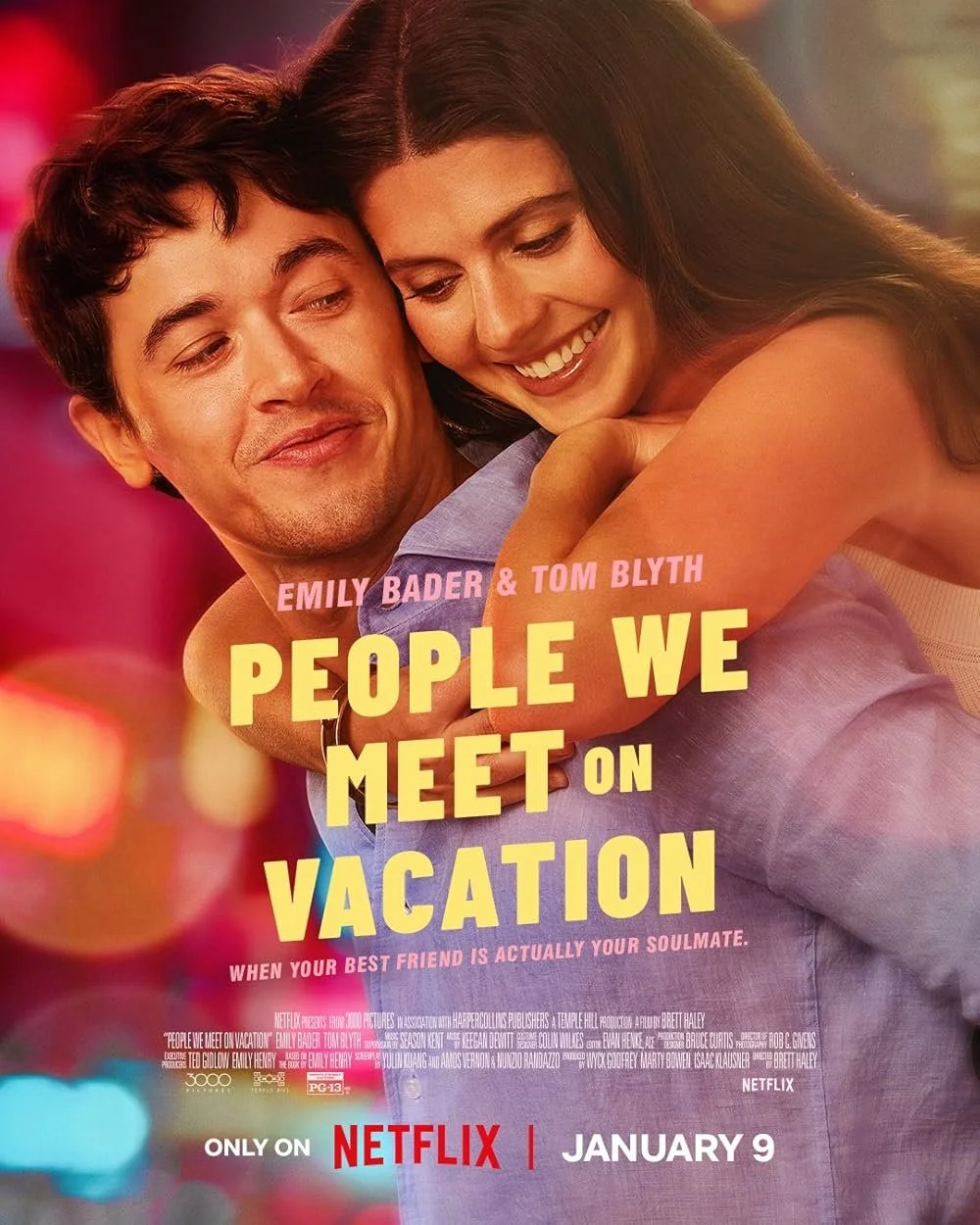
On January 9th, Netflix debuted its first film adaptation of an Emily Henry novel, People We Meet on Vacation. Directed by Brett Haley, the film sets out to bring the magic of Henry’s characters to life while still allowing room for new moments and interpretations. The result is a visually polished, accessible rom-com that largely succeeds on its own terms, though it occasionally falls short of the emotional depth that defines the novel.
The story follows Poppy (Emily Bader), a travel journalist who has lost her spark for vacationing alone. That changes when she is invited to the wedding of her ex-best friend’s brother. Torn between attending the wedding and potentially seeing her ex-best friend Alex (Tom Blythe) or taking a work trip to Santorini, the pair are ultimately brought back together for the weekend.

Courtesy of Netflix
Before viewers are met with the tension of the wedding, however, the film takes them back to the very first summer the pair traveled together: a ride home from college to their hometown in Ohio. It’s on this trip that we learn Alex is not much of a traveler, having rarely left home and lacking the ambitious goals that define Poppy, who wants to see as much of the world as possible.
What ensues is a dynamic that is difficult to look away from as the pair balance each other through contrast and emotional push and pull. Despite Alex’s stiff nature on that first road trip—unused to Poppy’s chaos as she runs late, makes messes, and disregards structure—the friction eventually gives way to vulnerability. As they open up, the two find a natural rhythm together.
They grow closer, but when Poppy decides she does not want to return to college, she fears they will drift apart. In that moment, they decide that once a year, they will meet up and go on a vacation they plan together to stay connected. While they remain faithful to this tradition over the years, it does not come without complications. On their final trip to Tuscany, it becomes clear that the two have developed feelings for one another, raising questions about when those feelings began and what they mean now that both have been involved with other partners.
The film brings the characters to life in a fun and approachable way and features strong performances from its leads, particularly in moments of connection. Scenes like the dance routine in New Orleans, where the pair finally breaks out of their respective shells, stand out as genuine highlights. However, Alex is missing a significant amount of depth compared to the source material, which causes Poppy to feel over-the-top at times, particularly during the early runtime. This imbalance occasionally breaks immersion.

Courtesy of Netflix
Everything feels almost too polished, presenting a softened version of what Poppy’s burnout once looked like. As a result, the emotional stakes feel lower than they do in the novel, which carries far more weight in its exploration of dissatisfaction, fear, and longing.
Still, some moments would leave any fan of the pairing melting in their seat. After years of careful buildup, whether it’s providing soup when one is sick, giving up the chance for another trip, or offering up a romper when clothes are washed away at sea, the reveal that Alex has separated from his partner, Sarah, lands with real emotional force. His admission that he cannot stop thinking about what might have happened between him and Poppy finally gives voice to everything left unsaid.
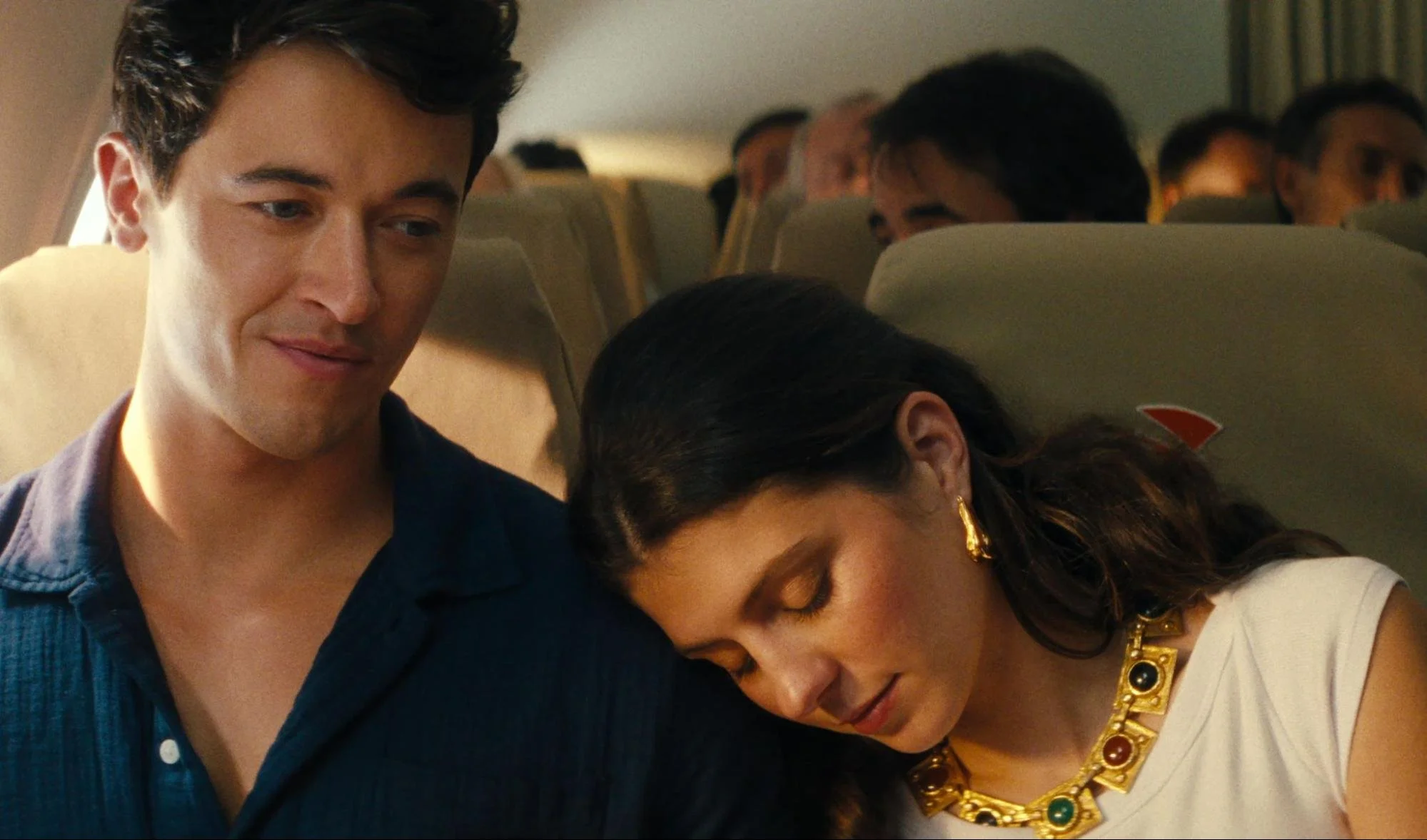
The performances from Blythe and Bader feel like ideal casting, which is rare when audiences already have strong mental images of beloved characters. The two do more than do justice to their roles, and their chemistry is what truly carries the film.
This is a rom-com that answers a long-standing complaint from fans of the genre who have felt a noticeable deficit over the past few decades. The film scratches that itch, offering a fun and easy watch. However, for viewers accustomed to Henry’s deeper exploration of character, the adaptation may fall short by comparison.
Courtesy of Netflix
Absent are many of the novel’s most meaningful explorations of Alex’s emotional armor, including the anxiety he carries following the death of his mother. One of the book’s most pivotal moments—when Alex reveals he has had a vasectomy due to his fear of loss and the anxiety he associates with pregnancy—is a powerful demonstration of trust and vulnerability. Despite these fears, he is ultimately willing to confront them and imagine a future with Poppy that includes children, continued travel, and leaving behind the small-town life he has grown used to.
In the film, these anxieties are flattened into a familiar grumpy-and-sunshine dynamic. While this still functions on a surface level and serves the plot, it does a disservice to the complexity of Alex’s character and the care that went into shaping his identity in the novel. This missing depth would have paired particularly well with the vacation that follows Tuscany in the book, when the pair nearly kiss after Poppy experiences a pregnancy scare, especially if the trip to Croatia had remained intact before everything unraveled.
That said, the film introduces several new moments that reveal different sides of the characters not fully explored in the novel, allowing space for fresh interpretations of the joy and intimacy they share. Visually, the film features a gorgeous color palette and cinematography reminiscent of a magazine spread, from Poppy standing in the shower early on to the way costumes interact and mirror one another throughout the film.

Courtesy of Netflix
Once the film moves past its early runtime and settles into the later vacations, it becomes genuinely charming and more confident in its storytelling, particularly when viewed as a standalone piece rather than a direct translation of its source material. While it may not fully meet the expectations of longtime readers, it holds its own when allowed to exist independently.
Given that Poppy’s career is a central storyline, it would have been interesting to see more exploration of where that path leads her after leaving her job. Still, it is rewarding to watch the pair make sacrifices for one another while honoring their individuality. The film ultimately offers a refreshing reminder of staying true to yourself while learning to grow for the people you love. Poppy learns to settle into a life rather than constantly staying on the move, while Alex learns to embrace more playful aspects of himself.
Certain changes were clearly necessary, and the film does a strong job condensing the number of trips to fit a streamlined timeline. Other changes, however, feel less essential, even if they succeed in creating a distinct viewing experience.
Whether you are a fan of the original novel or entering the story for the first time, People We Meet on Vacation is worth giving a chance. While it may miss some opportunities, it remains a comforting weekend watch perfect for curling up and settling in.