By Sarah Bluett
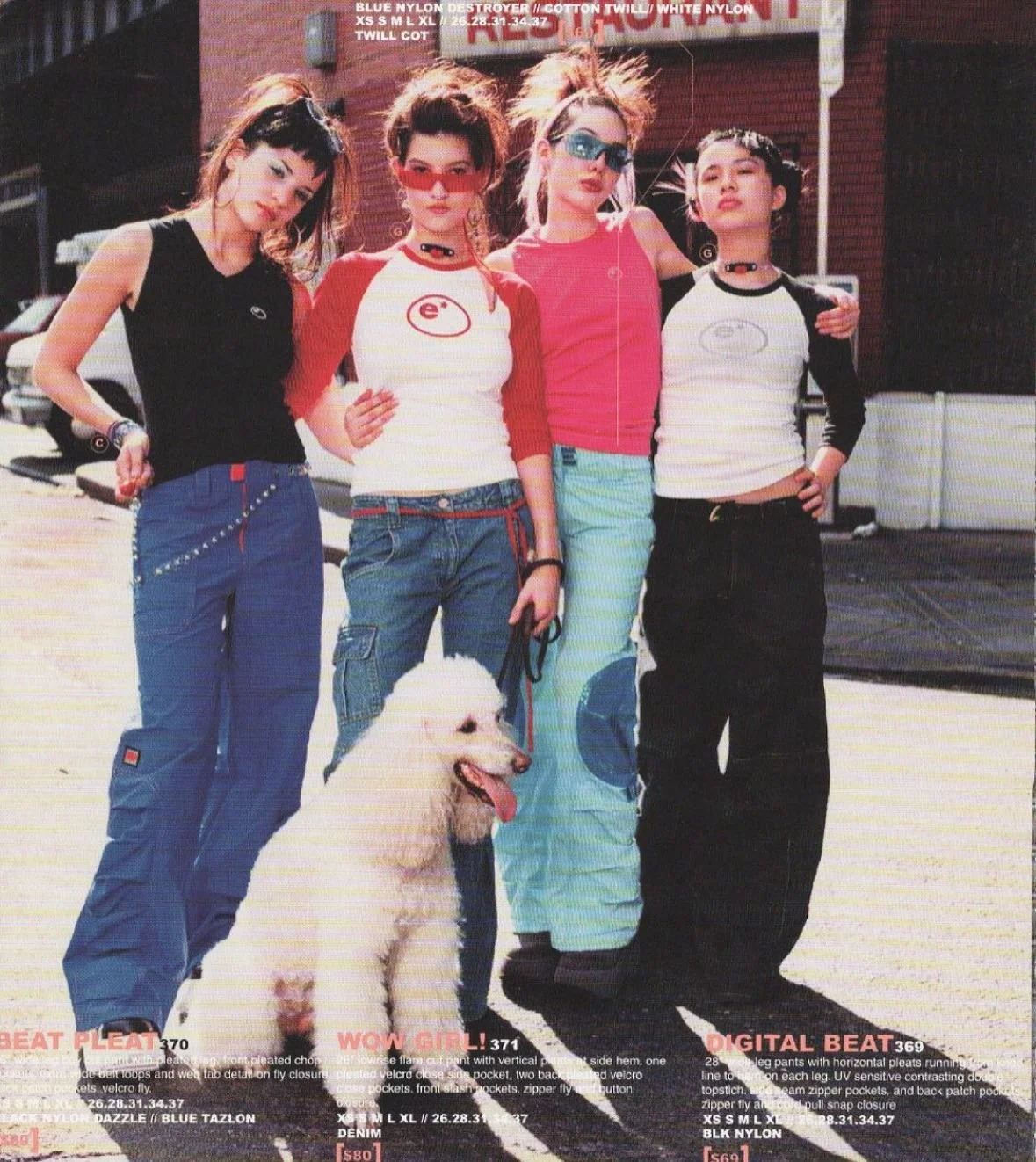
Sourced through Pinterest
I picture myself at eight, almost nine, sporting a deep side bang and my sister’s hand-me-down clothes, clueless about Instagram likes and Netflix streaming. In the early 2000s, TikTok and Amazon storefronts didn’t exist, but I was more than happy in my laid-back tomboy outfits. But as the years passed and butterfly clips and low-rise jeans became the popular uniform, things shifted from self-expression to wanting to fit in.
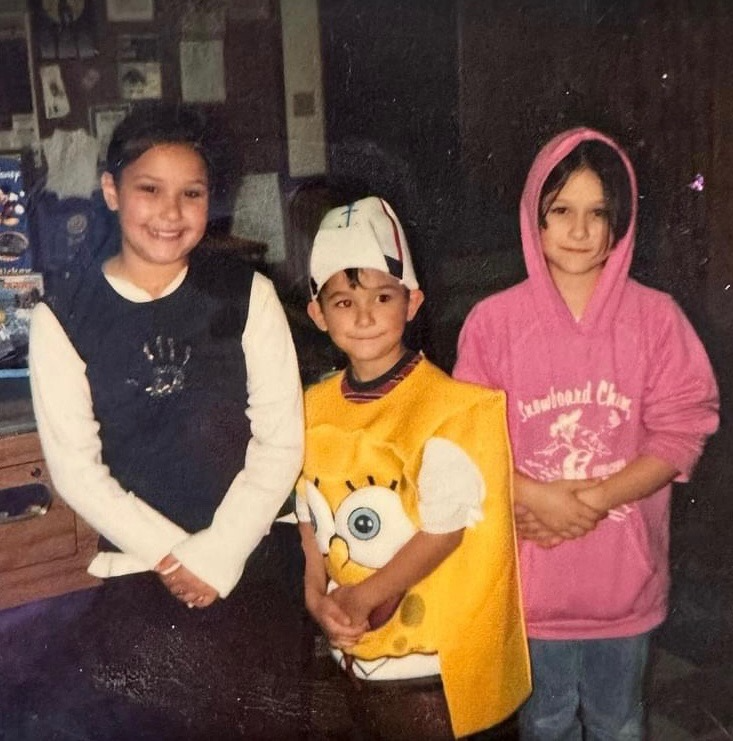
Photo from My Childhood (Pictured on the Right)
Trends were different in the Midwest, where I grew up, because fashion and pop culture were slow. Not slow as in intentionally sustainable, but legitimately slow to arrive because the style was at least a year behind mainstream trends. But that did not stop the galvanization of mall culture, celebrity fandoms, and more. I look back tenderly at my childhood, trying to carve my own path with three older sisters and a younger brother, with no allowance or cable.
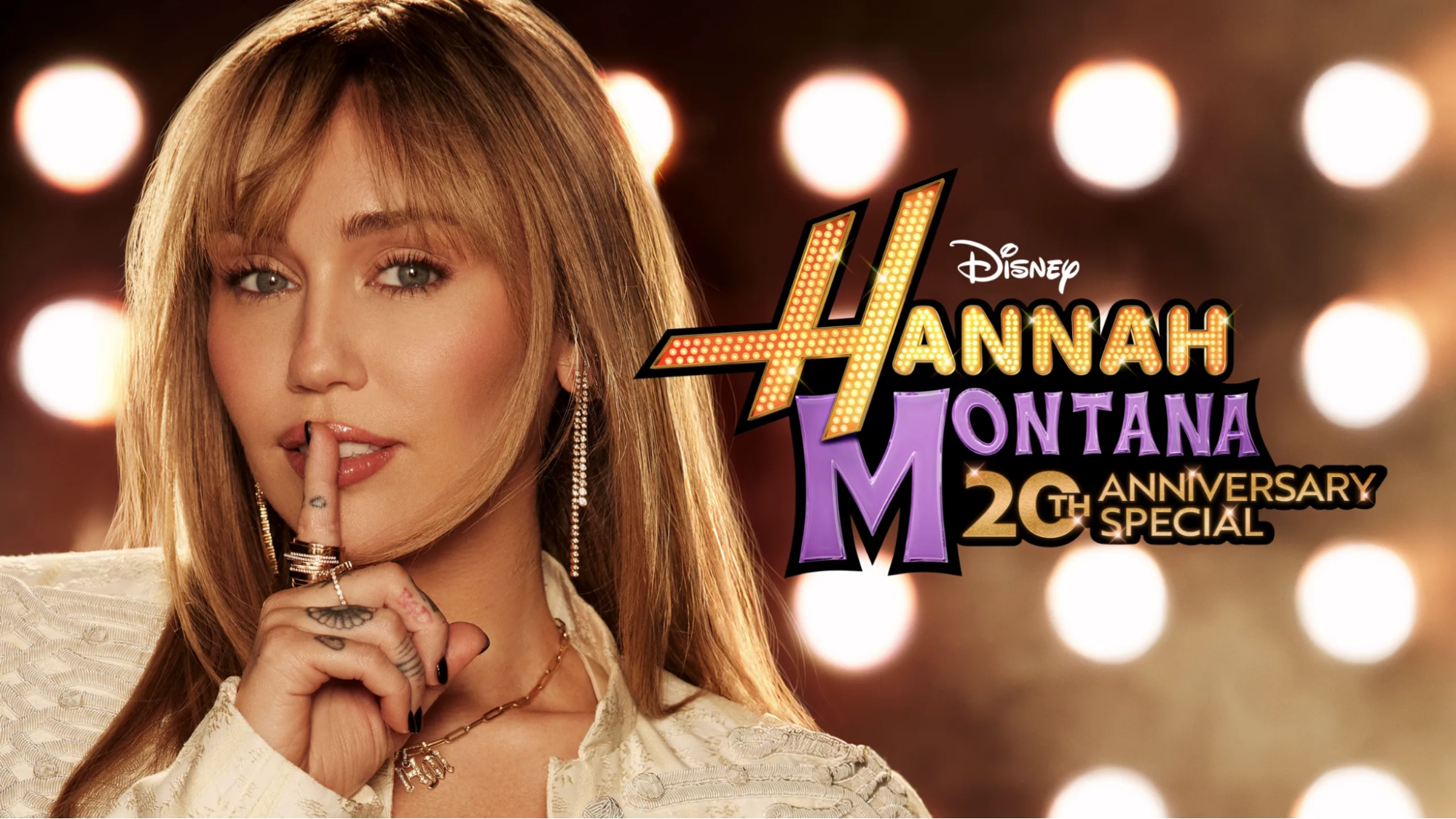
Imagine my surprise as an almost thirty-year-old living in a major city on the East Coast with a resurgence of Y2K fashion trends, 90s music, and references to old TV shows and movies. I wasn’t sure what to feel at first. But in just one day, I got ads for both the 20-year reunion of Hannah Montana and a reboot of Laguna Beach. Needless to say, I’m overwhelmed with shows from my childhood making a comeback, and all at once. While I appreciate the walk down memory lane, sometimes I wonder if they should stay just that – a memory?
Courtesy of Disney+
As you might have already guessed, nostalgia sells. Gary Cross, author of Consumed Nostalgia: Memory in the Age of Fast Capitalism, puts it simply, “We all live in and are shaped by a world of fast capitalism, and therefore of consumed nostalgia, but we need not be consumed by it.” Why does memory fuel consumerism? According to The Columbia University Press, Cross’s examination of fast capitalism dials in on our fetishization of consumer goods and uses memory as a device to do so. While I didn’t watch the Hannah Montana Anniversary Special, I did watch interviews, promo clips, and more on social media after it aired. So in some ways, my memory is still captured by the positive emotions I have attributed to the actors and the worlds they built.
As I said earlier, I grew up in Wisconsin, and my mother was a traditionalist who also loved the classics like Little Women, Black Beauty, and, of course, Pride and Prejudice. So, of course, I have a strong preference for the 2005 version with Keira Knightley. But I do recognize that there will continue to be new renditions of the movie, as the version I love is also a remake of the original. A controversial, but current example of this is Emerald Fennell’s 2026 rendition of Wuthering Heights. Did we need this version of the movie? Or did the box office ticket potential make it worthwhile?
Courtesy of Facebook (LMAO Momma)
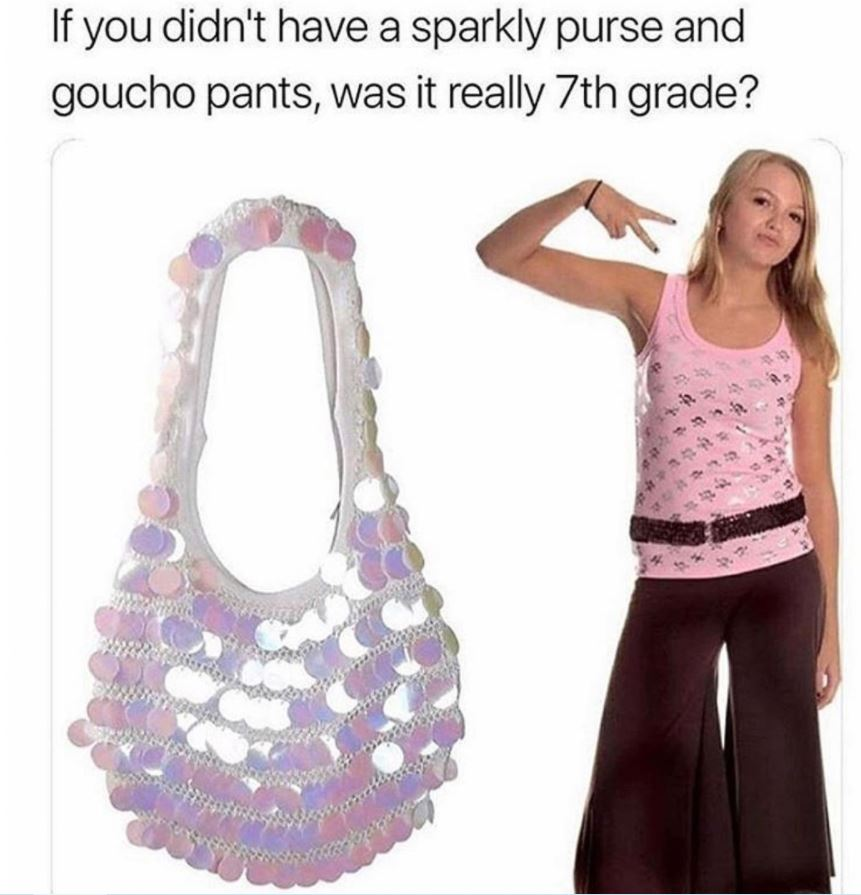
A similar, yet less serious thought is the confusion around the comeback of capris. I once sported my teal gaucho pants with a sequin purse, and nothing was going to stop me. But now, it feels like performatively buying into fast fashion that will quickly become a fashion faux pas next year. There’s nothing wrong with reverting to my middle school self — in fact, she was unbothered and looked cool. However, the feeling of being sold a version of youth wrapped in synthetic fabric made in a factory hundreds of miles away with cheap labor feels less liberating. Despite trying to stay on trend for springtime.
Unfortunately, turning positive memories into consumable goods creates a low-effort audience for companies like Forever21 and Amazon. What better way to make money on something people will buy to make themselves feel better? Twilight T-shirts, check. Mugs with Napoleon Dynamite on them, check. Jurassic Park 217, check. We become endlessly targeted for products, movies, and reunion shows we didn’t even ask for, let alone need.
While I may still enjoy The Devil Wears Prada coming out with a second movie, it does make me pause and think about what I’m really getting out of it. There’s something magical about nostalgia around the late 90s and early 2000s, just like the original movie with younger Hathaway. Some of the joy of memory is how it connects us in moments like the shared surprise of, “Oh wow, you experienced that too?” But capitalism often co-opts nostalgia, repackages your memories, and then returns them with a price tag. We lose the original joy, and nostalgia becomes tied to yet another cost. Instead, I’d rather preserve my positive memories and find more lasting ways to reminisce.