Running Late or Right on Time? Why 30 Is the New 20—According to Science, Society, and Culture
By Isabella Kelly-Goss
As I recently turned 25, I had a realization: there’s no going back. I’m officially in my mid-twenties. Not long ago, that milestone might have felt devastating—I’m unmarried, child-free, and only just beginning to establish my career. But times have changed. And that anxiety? It’s increasingly outdated.
At Gut Instinct, we’re convinced of one thing: 30 is the new 20.
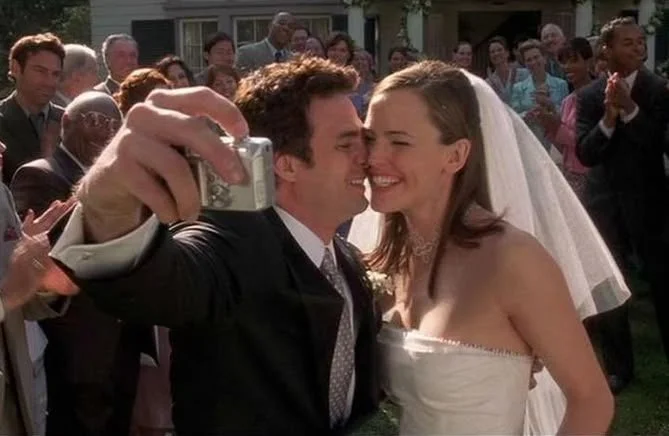
13 Going on 30 (2004)
Thirty years ago, staying on theme, the average age at first marriage in the United States was about 25 for women and 27 for men. According to the U.S. Census Bureau, that number has steadily increased. By 2025, the average age is nearly 29 for women and 31 for men. Fifty years ago, the contrast was even starker: women typically married around 21, and men around 23.
Several factors contribute to this shift. An inflated economy has driven up the costs of weddings and housing, while social norms around cohabitation have changed dramatically. Marriage is no longer a prerequisite for adulthood. More importantly, people are allowing themselves time: time to mature, to build careers, and to understand who they are before settling down.
We’ve all heard the claim that the prefrontal cortex—the part of the brain responsible for decision-making and impulse control—finishes developing around age 25. While I personally feel more “fully formed” with each passing birthday, emerging research suggests the story doesn’t end there.
Researchers at the University of Cambridge have mapped the brain across a five-stage lifespan. While these stages largely align with common understanding (infancy, adolescence, adulthood, and two phases of aging), the study identified a significant period of continued development around age 32. Their findings suggest many people continue transitioning out of adolescence well into their early thirties.
In other words, even if you feel fully grown at 22, the next decade is likely to be one of the most transformative periods of your life.
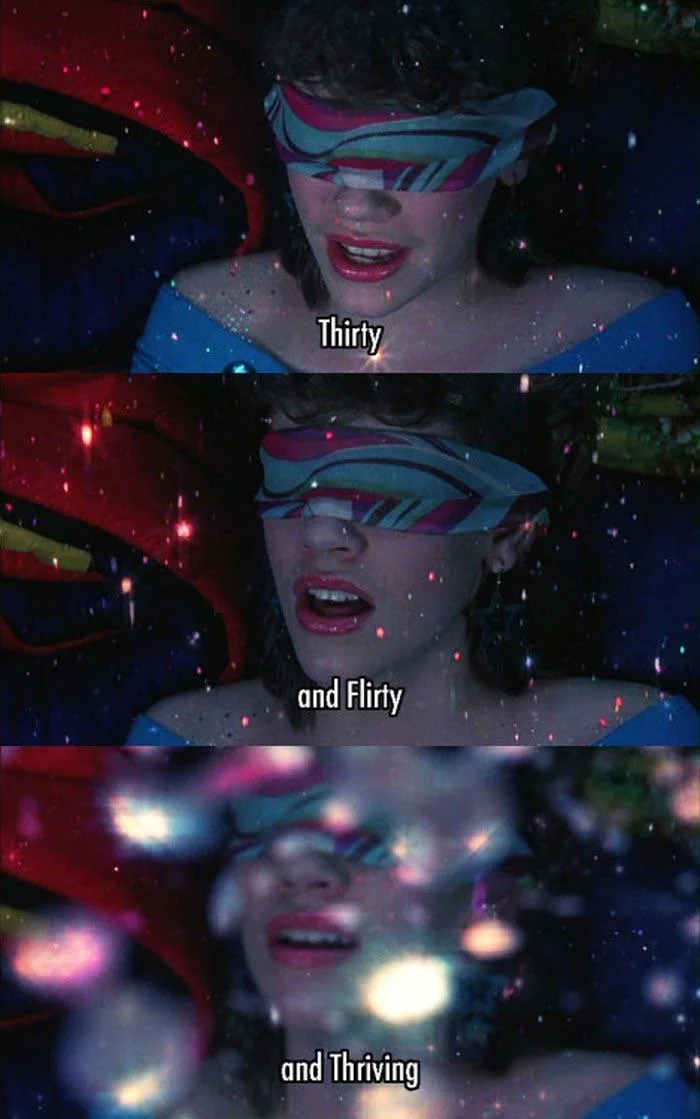
13 Going on 30 (2004); Sourced through Pinterest
Although young parents still exist across the country and the world, both the birth rate and the average age at first birth have changed significantly. While declining teenage pregnancy plays a role, people are also choosing to delay parenthood.
A study from Bowling Green State University found that the average age at first birth was 21.4 in 1970. By 2017, it had increased to 26.8, and according to CDC data, it reached 27.5 by 2023.
A 2018 New York Times analysis further examined how education intersects with this shift. Women with college degrees were, on average, having children seven years later than those without. During that time, many focused on establishing careers and creating stability in their personal lives.
There are countless socioeconomic reasons why 30 is the new 20, but this one may matter most: culture is catching up.
If we go back as far as Jane Barker’s 1688 poem A Virgin Life, being unmarried at 25 would have branded a woman an “old maid.” Today, thanks in part to social media, that narrative is finally unraveling.
While social platforms often emphasize perfection, they’ve also created space for community and visibility across age groups. Creators like Chenoa (known as @ChenoaBrookins on TikTok) are part of that shift.
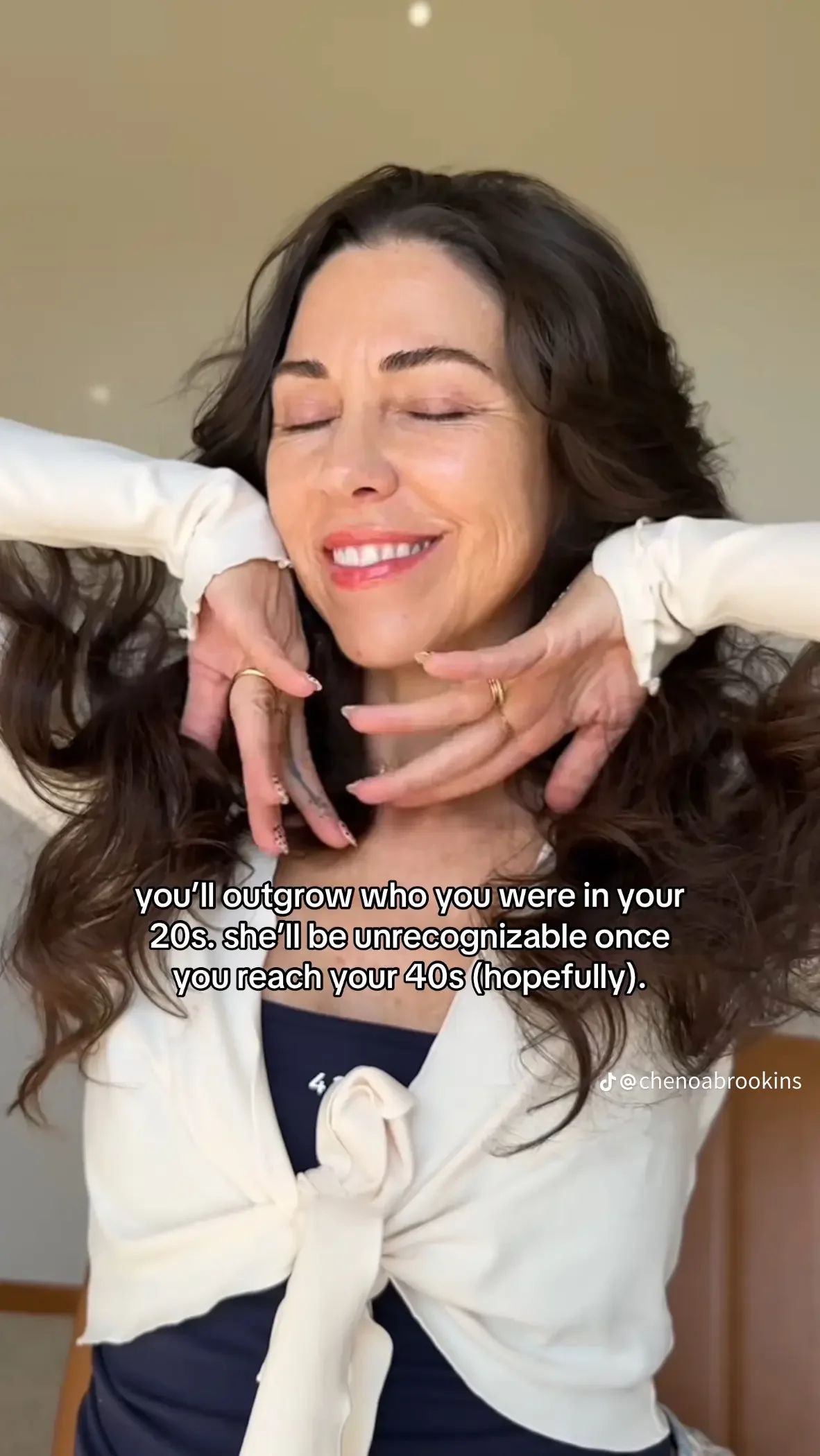
Credit of @ChenoaBrookins
Chenoa, a lifestyle, beauty, and fashion creator for the over-40 crowd, has amassed nearly 300,000 followers. Her content isn’t about looking younger or resisting age. She simply exists, visibly and confidently, at 45.
In March, she shared her experience of becoming a first-time mother at 36 and a second-time mother at 41. In August, she posted a slideshow explaining why TikTok needs more older creators, particularly those with mature skin textures.
“When we only see one version of beauty, we start to believe it’s the only version that matters,” she wrote. “For a long time, that version was young, flawless, and poreless. Aging is not something to fix. It’s a privilege some people don’t get to experience, and it deserves to be seen and celebrated.”
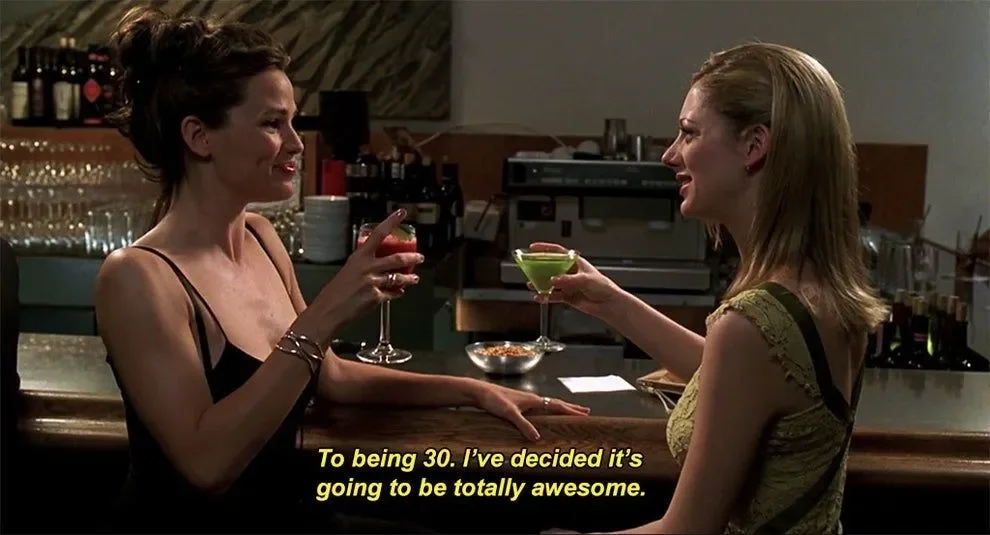
13 Going on 30 (2004); Sourced through Pinterest
In our twenties, it’s easy to feel like we’re falling behind. But the reality is far less alarming: we’re still growing, and we will continue to grow well into our thirties.
For anyone in their early or mid-twenties who feels behind schedule, consider this your reassurance. You’re not late. You’re not behind. You’re right on time.
Much like wine, life only gets better with age.