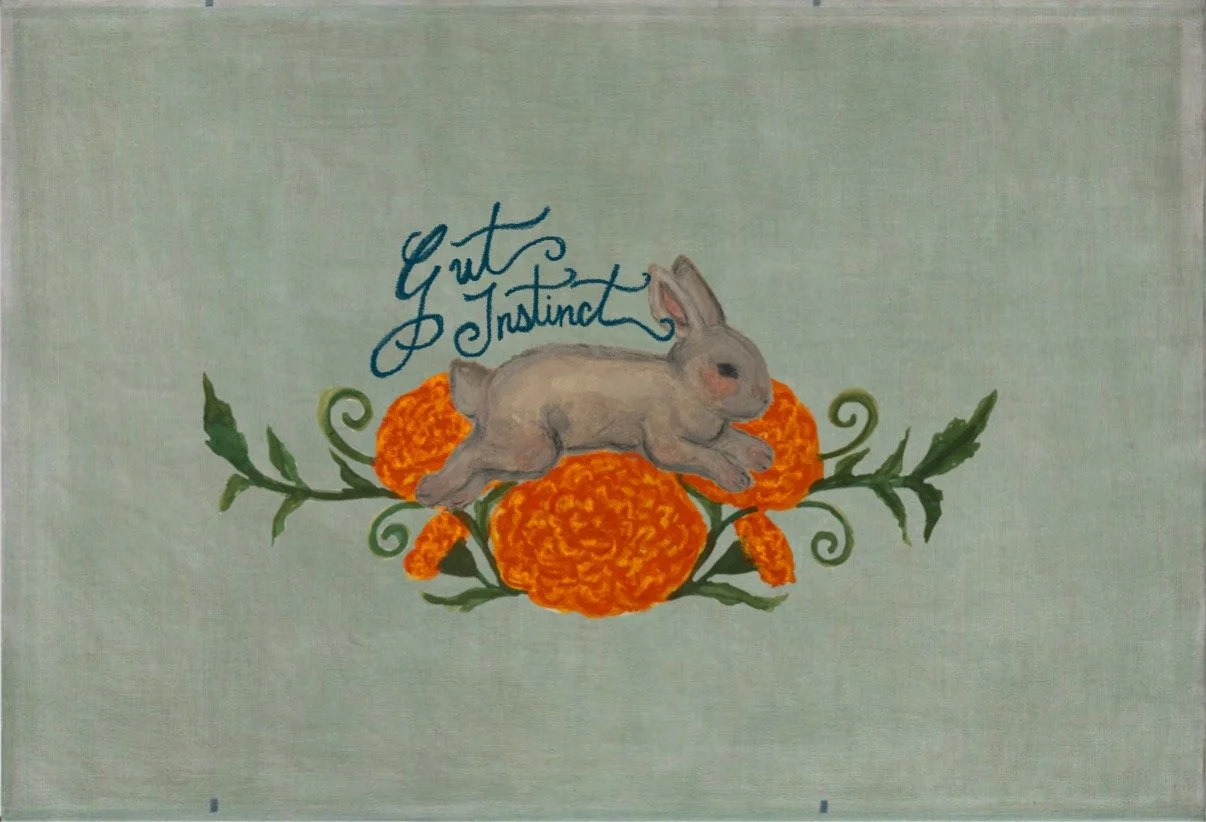
Soñar El Sueño Imposible. Sin Fronteras: LALIFF & The Stories Without Borders
By Natalie McCarty
Soñar el sueño imposible. Sin fronteras. Ser resiliente y valiente. Ser Latino. To dream the impossible dream. Without borders. To be resilient and courageous. To be Latino.
At the 25th Annual Los Angeles Latino International Film Festival, it has never been clearer that our people are storytellers across generations with compassion, nuance, grit, hard work, and tenderness. Like monarch butterflies, we understand what it means to cross borders and emerge transformed. We adapt without forgetting who we are, carrying memory, culture, and family with us wherever we go. We plant roots in unfamiliar places and, against all odds, continue to bloom.
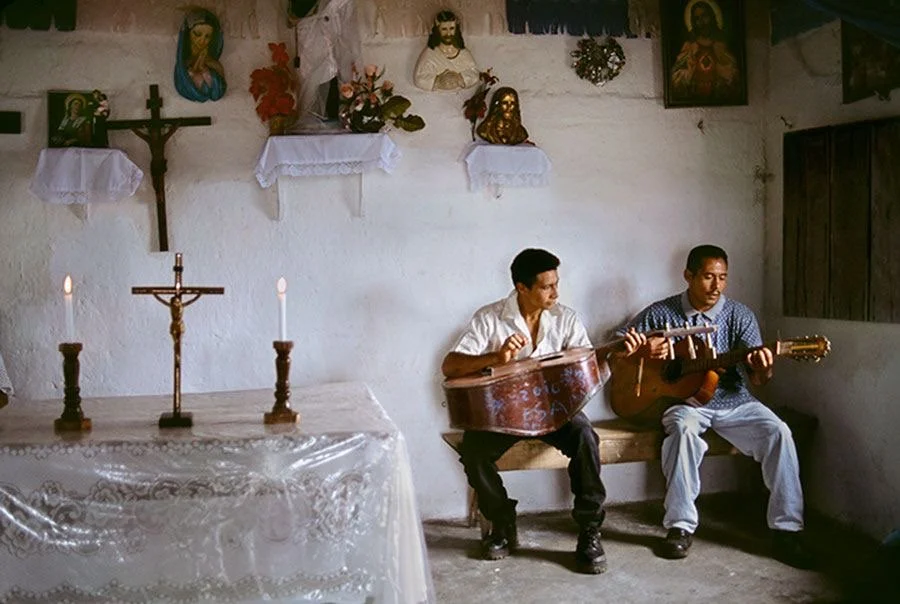
Sourced Through Pinterest
What is most striking is not only that we tell stories, but that we do so in spite of systems that continuously attempt to flatten them. The border is not only geographic, but it’s emotional, inherited, and constantly rewritten within the self.
Despite violence against our community, being manipulated by the systems of power, and left without justice, there is this persistent insistence on voice and representation. To fight the powers that try to silence us, to assimilate where we must only to preserve our culture and pave a brighter future for all—una voz que no se apaga. A voice that does not fade.
This was exemplified this week, especially through LALIFF’s Sin Fronteras block, which included documentaries of our people’s stories and legacies, a series of student films from BAYCAT, and a series of shorts that each grappled with their own perception and ramifications of self through inherited generational trauma, expression, and the pursuit of dreams when the world has tried to snuff ours out.
Throughout these works, identity is something constantly negotiated in real time across language, family, expectation—across borders both visible and invisible.
So many of the stories being platformed this year begged the question: ¿Quién soy? ¿Qué puedo llegar a ser? or Who am I? What can I become?
That question—spoken directly or felt beneath every frame—becomes the quiet throughline of the entire Sin Fronteras program (as well as within the film A Place of Absence). Every film, in its own register, circles this tension between identity and possibility through lived inquiry: who we are asked to be, and who we are still becoming.
Though the films differ radically in form and subject matter, they remain in conversation with one another, each approaching identity from a different vantage point, but together constructing a larger portrait of what it means to exist between inheritance and possibility.
While the entire block grappled with questions of identity and becoming, several films stood out to me for the ways they approached them from entirely different angles. Some looked inward, interrogating the relationship between self and perception. Others examined legacy, labor, migration, and the stories we inherit. Yet all of them arrived at the same place: an understanding that identity is not fixed, but continually shaped by memory, circumstance, family, and choice.
Most remarkable among them was The Comedian, starring the incredibly talented Richard Eick and brilliantly written by Jose Maestas. The film explores the double life of performance. A stand-up comic navigates the space between who he is onstage and who he is when all eyes (and laughs) are not on him. Identity fractures between public persona and private self. The cinematography was gorgeous, the pacing impeccable, the acting superb. The film evokes a Latino Lenny Bruce, and I would love to see it expanded into a feature or anthology series.

The Comedian
If The Comedian interrogates the performance of identity, Los Tirados examines the identities that are handed down to us long before we are old enough to question them. It follows a Mexican family bakery in Kingsburg, California. In a predominantly Swedish town, the panadería becomes more than a business, but an integral piece of cultural infrastructure. It becomes a place where belonging is baked into daily survival, but beneath that warmth is also the weight of legacy: what it means to inherit labor, and what it means to grow up inside a story that already expects your continuation.
Questions of inheritance emerge again through the BAYCAT student films, though here the focus shifts from preserving legacy to actively creating it. What is being built is not just access, but continuity. Aquí se está formando la mirada (here, the gaze is taking shape). A generation is learning not only how to tell stories, but why their stories matter now.
Taking a turn, Sudakas asks what remains when systems attempt to dictate who we are allowed to become. A former Venezuelan diplomat now working as a housekeeper speaks to her son through phone calls that collapse the distance between status and survival. Her education does not disappear, but it is rendered invisible by systems that refuse to recognize it. Still, identity persists through voice, presence, and refusal to disappear quietly into erasure. Sigue siendo, aunque no se vea (it still exists even if it is not seen).
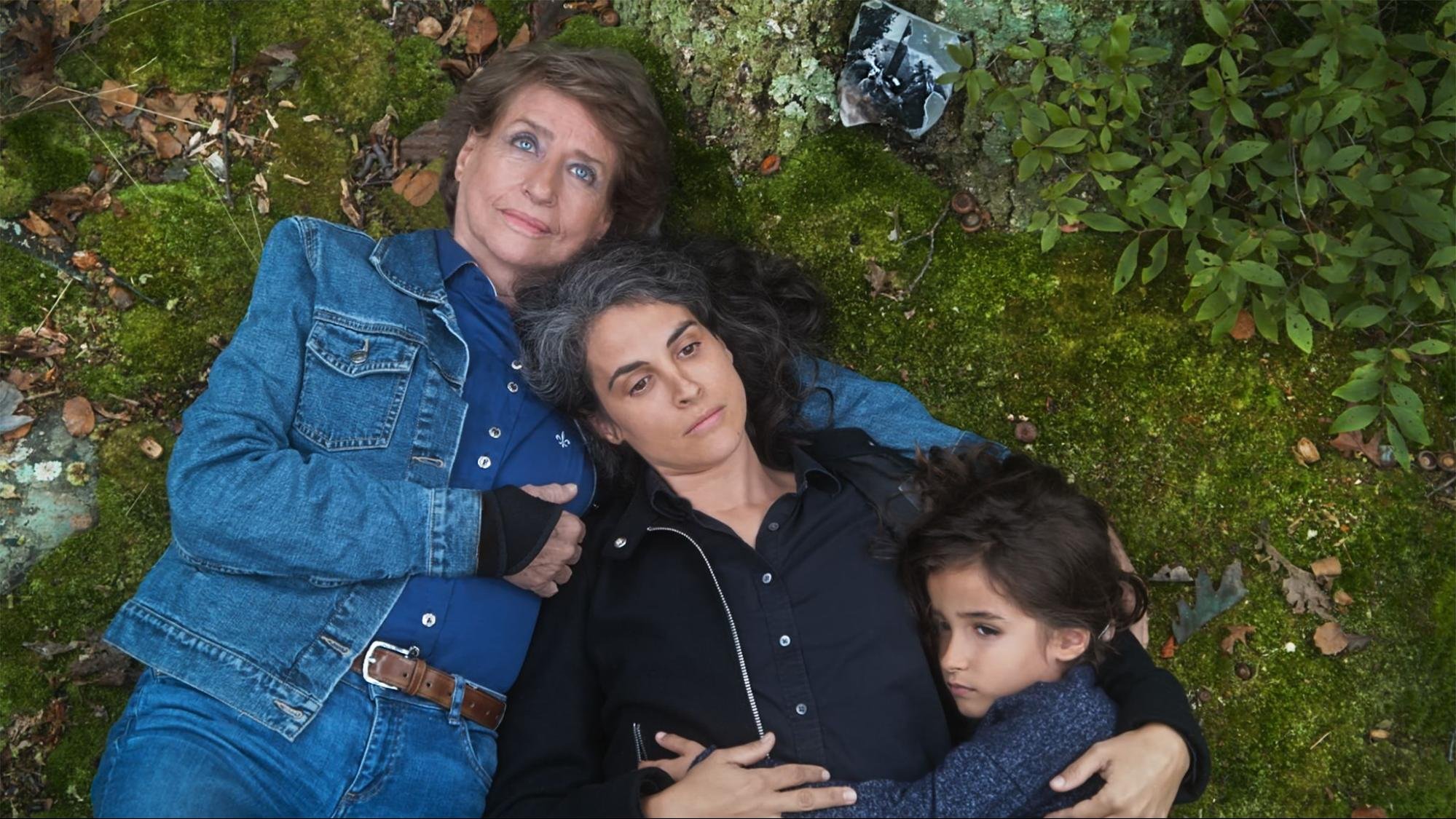
A Place of Absence
In A Place of Absence, the disappearance of a child becomes a transnational echo, connecting Argentina’s military dictatorship to present-day migration routes across Mexico and the United States. As mothers search for their missing children, the film constructs a shared geography of loss where grief is not isolated, but carried collectively across generations. ¿Dónde están? becomes less a question than a condition of existence.
Yet despite the grief, displacement, and uncertainty that echo throughout these films, none of them is defined solely by suffering. What emerges again and again is an enduring sense of gratitude for community, survival, and the ordinary moments that make life worth carrying forward. Being grateful for even the most mundane of life’s opportunities. Perhaps what is most misread about this community is not ego, but its refusal to abandon collective care. You will never know what it feels like to be loved and carried by tu comunidad, by tu familia.
That love is embedded in Latin culture. It is how grief is held collectively, how labor is shared, how memory survives when institutions fail it. La comunidad sostiene lo que el sistema no puede.
To ask ¿Quién soy? is one thing. To continue asking ¿Qué puedo llegar a ser? in a world that so often tries to define that answer for you is another. The films of Sin Fronteras insist on that possibility. They insist that our stories are our own to tell.
Latinos are a resilient people, and no matter what you do, you will never silence us. You will never crush our hopes and dreams. Even in the face of violence and extremism, we rise again.
Because what these films make undeniable is this: rising is not an exception, it is an inheritance of form. Siempre volvemos a levantarnos. We always rise again.