A Hiatus That Isn’t So Gnarly
By Sterling Carr
Boba tea, gnarly, fried chicken, gnarly, party in the Hollywood Hills—lyrics from one of Katseye’s viral hits. But this article isn’t about a song. It’s about Meret Manon Bannerman, the Ghanaian-Swiss visual at the center of Katseye, and what it means to be a Black girl navigating a system that rarely celebrates you fully.
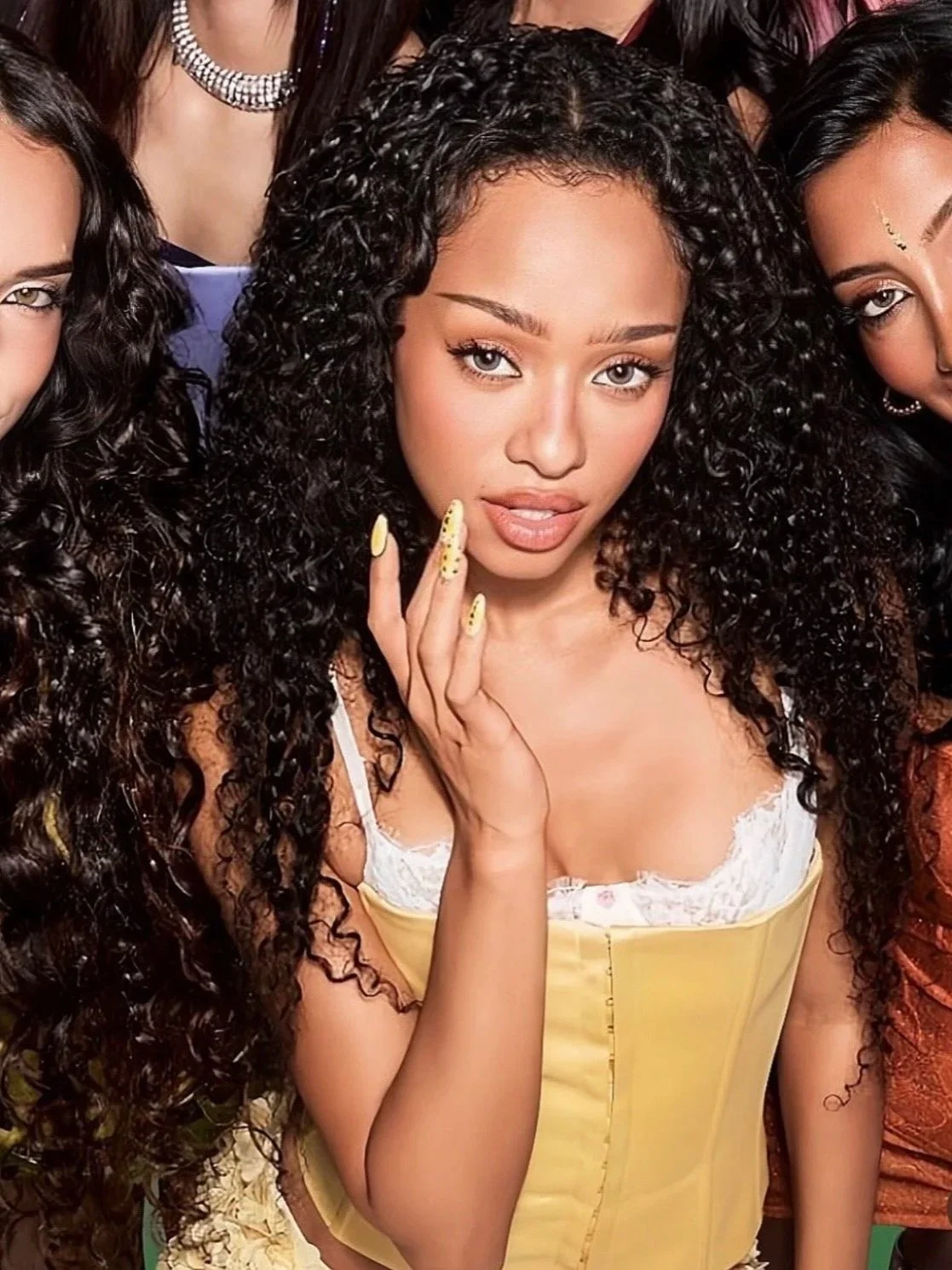
Sourced through Pinterest
Dream Academy, the reality docuseries that produced Katseye, follows a cohort of young women navigating an intensive K-pop–style training program. For two years, they lived and breathed the grind—endless practice sessions, grueling auditions, and relentless scrutiny—only for all of it to be condensed into eight hours of entertainment. Every late night, every ache, every small victory was filtered, edited, and repurposed, often at their expense. Bound by NDAs, they had no say in how their stories were told. The psychological toll was immense, the trauma enduring, and for many, it lingered long after the cameras stopped rolling.
Manon stood out almost immediately. Producers built the group around her star quality and visuals, making her the center—the one everyone watched. Yet the show cast her as lazy, privileged, and undeserving. Criticized for being “pretty” and “not working as hard as everyone else,” she became a target simply for being herself.
Here’s the nuance many missed: Manon comes from a culture that prioritizes wellness—mind, body, and spirit. Unlike the American norm, where overwork is often celebrated at the expense of health, Manon lived with her aunt instead of the dorm, missed a few optional practice sessions, and took care of herself. Even then, she was scrutinized. In a The Cut interview, she admitted that being Black meant she had to work twice as hard to prove herself.
This struggle is systemic, not individual. Across industries, Black women and femme-presenting people face constant scrutiny, especially as DEI protections roll back in 2025 and 2026. Workplaces are increasingly hostile to vulnerable groups—disabled people, LGBTQIA individuals, ethnic minorities, and especially Black women. Talent, presence, and confidence can make you a target.
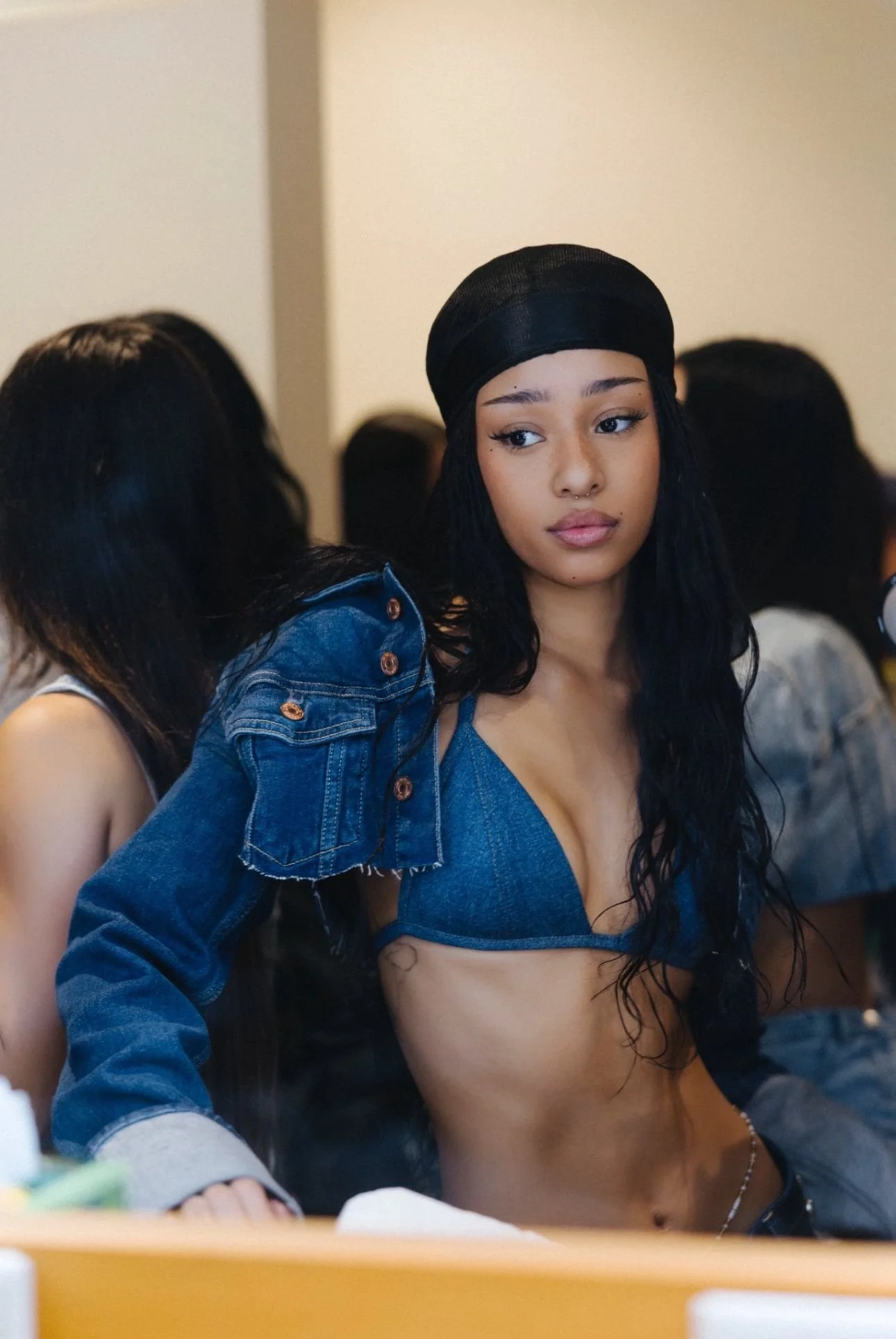
Sourced through Pinterest
Beauty, in these spaces, is both a weapon and a curse. It provokes envy, suspicion, and policing. For Black girls and femme-presenting Black people, Manon represents visibility, resilience, and power. She’s the center in K-pop terms—the member who draws screens, fans, and global attention. Having a Black girl occupy that role in an industry as racially biased as K-pop is nothing short of revolutionary.
Then came the hiatus. Katseye announced that Manon was “taking care of herself,” only for her to later post that she was healthy. Fans noticed: reduced screen time, strategic photo placements, and absences from promotions. The signals were subtle but undeniable. In K-pop, a hiatus can feel like an unofficial disbandment. Remove a Black member, and you erase a crucial voice from a global platform.
Manon is irreplaceable. Her presence ensures Katseye’s global success, and her absence threatens it. Historically, Black girls have been removed from groups once management decides they’re “too urban.” For once, a Black girl is in power.
Manon is rare. She embodies what so many of us aspire to: being seen, celebrated, and unapologetically herself in spaces that are rarely designed to hold us. I’m invested in seeing her continue to make choices that prioritize her well-being because she is, quite literally, a force of nature. Hottie like a bag of Takis, she’s the shit.