The Bitchification of Men
By Stella Speridon-Violet
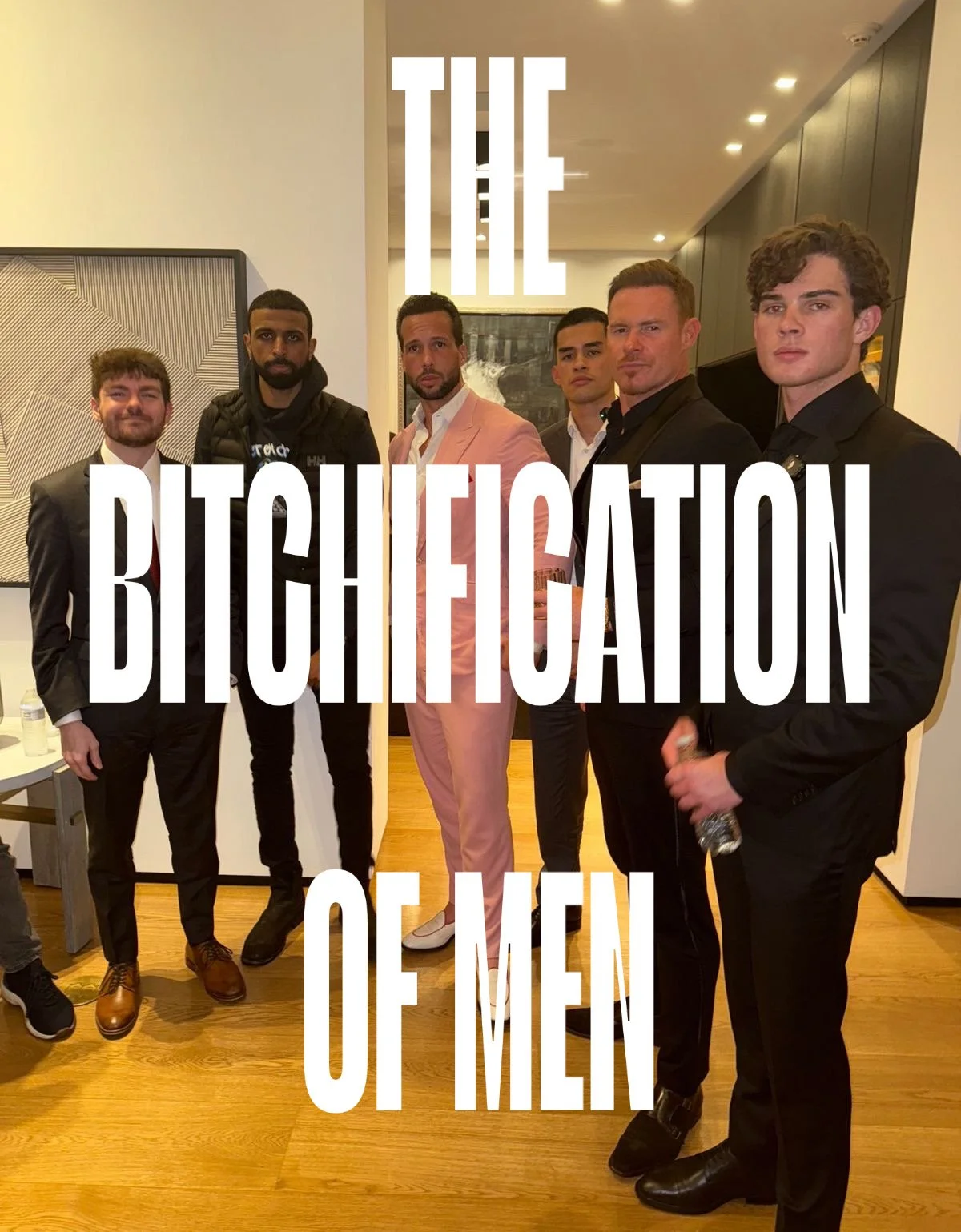
Graphic by Stella Speridon-Violet
Somewhere along the way, the archetype of masculinity didn’t just soften; it collapsed into something confusing, performative, and, at times, unrecognizable.
And no, this isn’t a call to bring back hyper-masculinity, emotional repression, or the kind of man who thinks communication is optional. That version has its own set of problems and is still, unfortunately, alive and well.
But what we’re left with now isn’t necessarily better, it’s just… different. And not always in a way that benefits anyone.
Lately, there’s been a shift in the way men move through the world, especially when it comes to dating, friendships, and emotional responsibility. A kind of passivity disguised as sensitivity. A reluctance to lead, to decide, to risk being disliked. And instead of directness, we get ambiguity. Instead of clarity, we get situationships.
It’s like the pendulum swung so far away from “toxic masculinity” that it landed in emotional inconsistency paired with a lack of accountability.
Call it what you want, but I’m coining the phrase the bitchification of men.
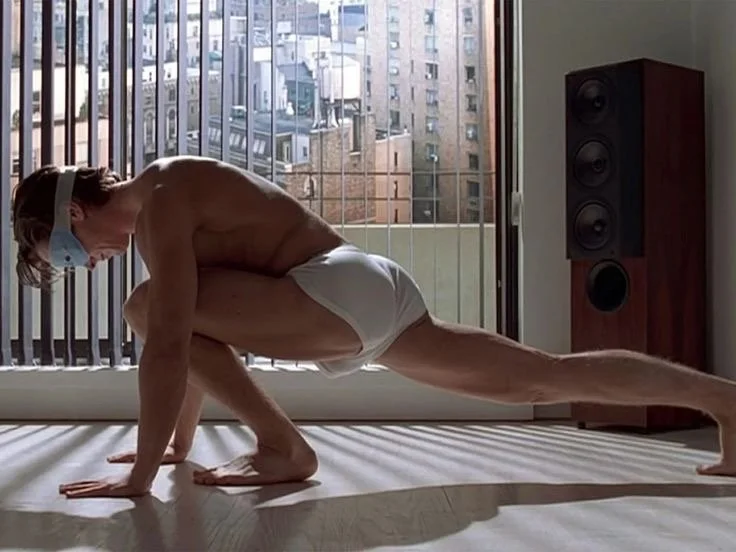
American Psych (2000)
Before anyone gets mad, men have been using the word “bitch” as an insult since the dawn of time, so, as a woman, I’m allowed to throw it back on them!
And no, it’s not because men are becoming more emotional, that’s not the issue. Emotional intelligence has always been sexy. Vulnerability has always been sexy. The problem is when these things are used selectively, when sensitivity shows up in self-serving ways, but disappears when it’s time to show up for someone else.
It looks like saying “I’m just not ready for anything serious” while continuing to do all of the things you would do in a relationship. It looks like avoiding hard conversations in the name of “protecting your peace.” It looks like wanting all the benefits of connection without the responsibility of commitment.
Take this story as an example: I was doing work at a coffee shop the other day, and right next to me were these two guys in business suits. One of the guys starts complaining about how this girl he’s seeing left a toothbrush at his apartment.
Oh, god forbid a woman might need to brush her teeth, especially because it sounded like they have been seeing each other for quite some time at this point.
He asked his buddy for advice after, and instead of just telling him to maybe be honest with the woman and tell her that he thinks a toothbrush is overstepping his boundaries (which is total bullshit, but whatever), his friend starts telling him to lie.
“Tell her she should probably take her toothbrush back because your parents are coming into town for the foreseeable future.”
What the actual fuck.
It’s not really the toothbrush of it all… (hello, Tana Mongeau) or even his weird boundary, it’s the instinct to avoid honesty at all costs. To dodge discomfort completely so you don’t look like the asshole in the situation.
Because let’s be real, if a toothbrush feels like too much, fine. That’s your boundary. But why is the solution to fabricate an entire story instead of just communicating that?
Why is lying easier than clarity? And, this happens all the time, which is why the phrase “it’s not you, it’s me” exists. Cop out!
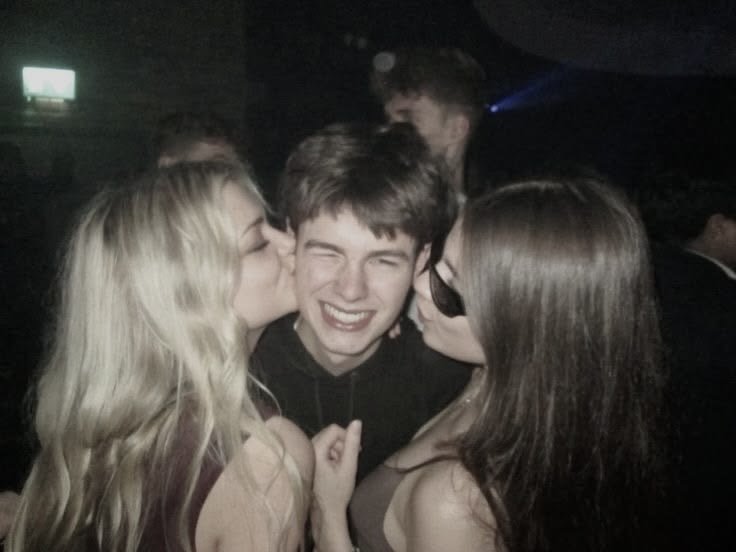
Sourced through Pinterest
We’ve created a culture where men are hyper-aware of their feelings, but never want the responsibility that comes with expressing them directly. Where they can identify discomfort, but not articulate it without turning it into someone else’s problem.
And instead of being called out, it’s often enabled by a culture that rewards detachment, friends who encourage avoidance, and dating norms that have made ambiguity the default. Because if you never have to define anything, you never have to be held accountable for it. And that’s the real appeal.
Situationships don’t just happen; they’re maintained through half-ass responses, vague language, and just enough effort to keep you on the hook, willing to hold onto them for even the smallest ounce of attention.
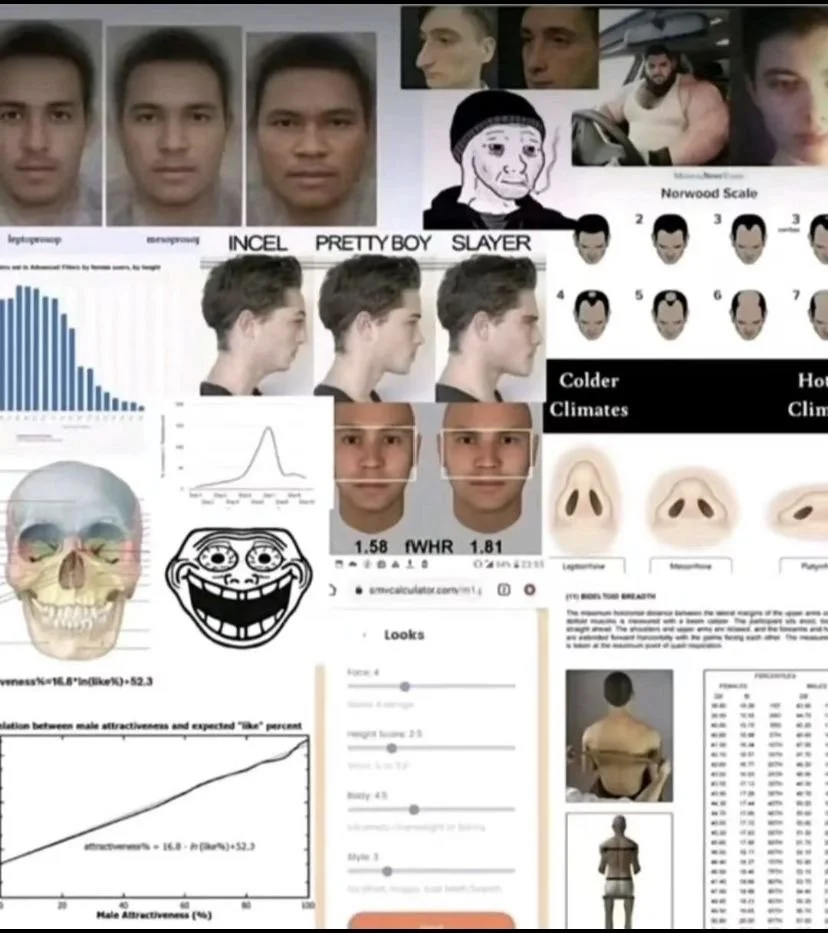
But here’s where it gets even stranger: While men are avoiding labels, avoiding clarity, avoiding being “tied down,” they’re simultaneously over-investing in perception.
Sourced through Pinterest
The three-hour, twice a day gym routines that are portrayed as the epitome of health, when in reality, it’s just another form of an eating disorder. Beating their jaws with a hammer because Daddy Clavicular told them they’d be anatomically more attractive.
This obsession with becoming visually optimal is something so new to them because of social media, even though women have been doing it forever.
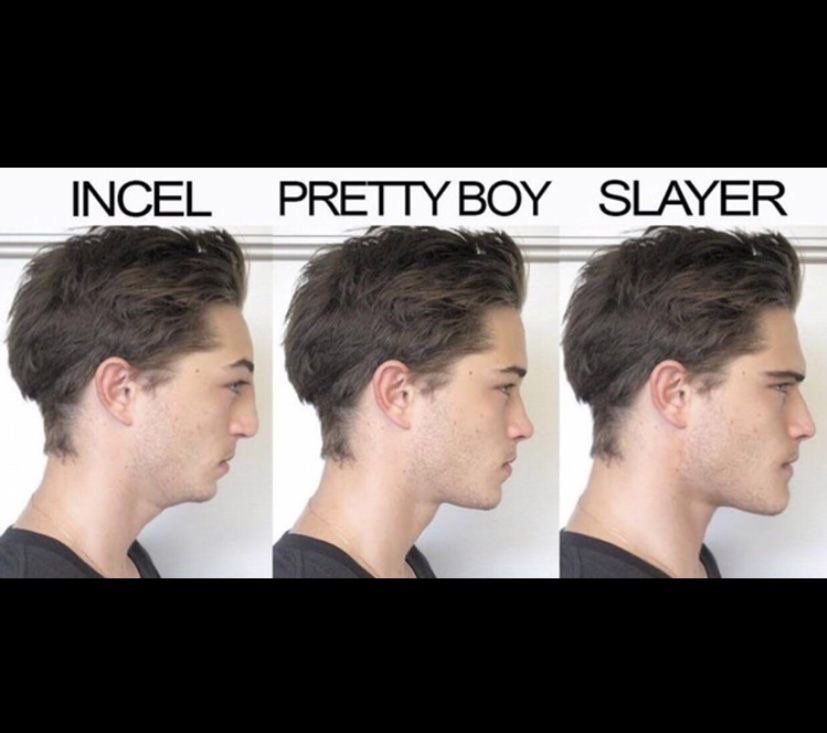
But who is their performance really for? Because it doesn’t feel like it’s for women. It feels like it’s for other men.
For validation in Reddit comment sections, where men can call girls “foids” and compliment other men’s physiques on subreddits. And, for the unspoken hierarchy of who looks the most put together, the most untouchable, the most above it all.
Sourced through Reddit
It’s so ironic, this intense effort to be perceived as “high-value” by other men to obtain the affection of women, while treating women like they’re disposable in the process.
Instead of building something real with someone, they spend their time building an image. One that says, I don’t care. I’m unbothered. I have options.
But the more that image is maintained, the harder it becomes to actually connect with anyone genuinely. True connection requires risk; it requires being seen beyond the surface and allowing someone to see the good and the bad. And what we’re really watching happen is a new era of insecurity being masked by self-obsession.
And here’s the part no one wants to say out loud: You can see it.
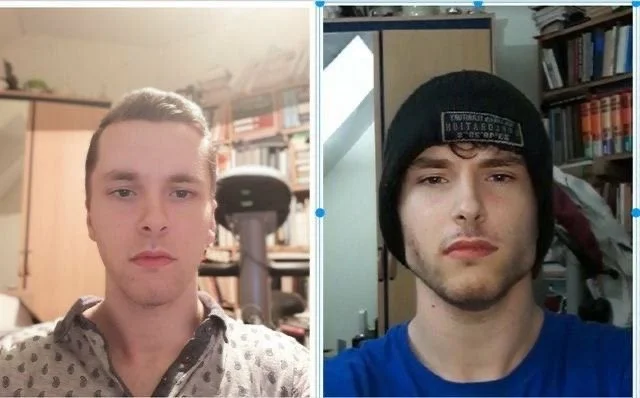
It’s written all over the over-calculated routines, the obsession with angles, the need to constantly prove something without actually being anything. Women have been navigating insecurity forever; we know what it looks like, even when it’s dressed up as confidence.
And this version of masculinity doesn’t feel secure, rather it feels quite fragile.
Because if you actually felt confident, you wouldn’t need to overcompensate this hard. If you actually felt secure, you wouldn’t be this afraid of labels.
If you actually knew your worth, you wouldn’t need constant validation from other men to confirm it.
Sourced through Reddit
So instead, it comes out sideways. I see it in emotional unavailability, in being nonchalant, in the inability to commit to anything real because that would require being fully seen, and possibly rejected.
And that’s the root of it! Not indifference. Fear.
I see the fear of not being enough, choosing the wrong path, being vulnerable in a way that is out of your control, and uncurated.
So it’s easier to stay detached. To keep things undefined. To keep people at arm’s length while convincing yourself this is what’s best.
But you’re not protecting anything. You’re avoiding. And in the process, you’re not just blocking a connection, you’re guaranteeing loneliness.
Because when you treat people like placeholders, eventually you end up in a life that feels exactly like one: empty, interchangeable. surface-level—no matter how good you look on the outside.
At the end of the day, no amount of self-optimization can replace what actually makes someone attractive: being consistent, communicating what you feel, and being present when in the presence of others.
And until that matters more than perception, this cycle isn’t going anywhere. It’s just going to keep looking better on the outside and rotting underneath.