
By Julia King
Images Courtesy of Canva; Graphic by Julia King.
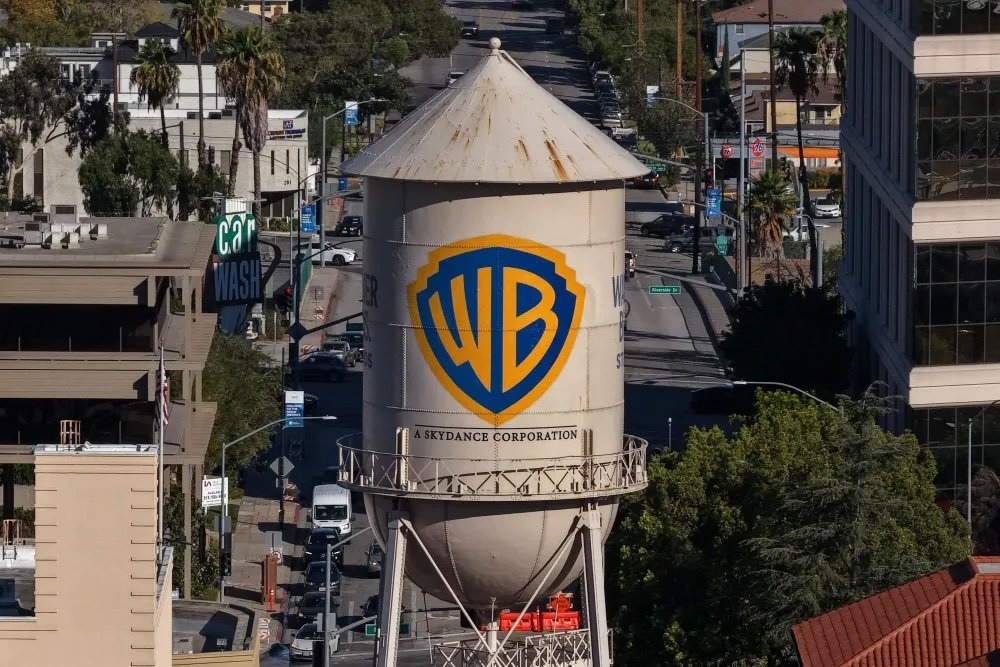
On October 5, Paramount Skydance closed its long-awaited and highly dreaded $81 billion takeover of Warner Bros. Discovery. The merger, which now establishes the two studios as “Skydance,” combined over a dozen studios, production companies, and TV networks — all under the ownership of CEO Dave Ellison.
Though anticipated, the merger faced far from an easy road. Although the deal was approved in June, over a dozen U.S. state attorneys general filed a lawsuit to block the merger that, evidently, proved unsuccessful. Additionally, earlier this year, Netflix and Paramount Skydance were caught in a lively bidding war. In February, Netflix publicly declined to further raise their offer, thus giving up on buying Warner Bros — the very next day, Paramount rewarded Netflix with $2.8 billion.
So, what changes? While a merger executed on a senior level can feel like a far-off prospect for the average consumer, changes large and small are guaranteed to trickle down as the consolidation settles.
For one, streaming service prices could jump up. The timeline for HBO Max and Paramount+ combining is currently unclear, but in the meantime, Skydance could require a duo deal for a higher price tag.
Inevitably, there will also be layoffs. Although the merger settlement establishes a workforce fund to retrain any displaced workers, this does not prevent job cuts, and employees in both corporate and creative departments face instability as their offices combine. Four Warner Bros. executives are already out, according to a leaked memo from Skydance's chief product officer.
In addition, many have raised concerns about editorial independence at CNN and CBS News, given the Ellison’s family's ties to President Donald Trump. The settlement does require Skydance to establish a “News Editorial Independence Board”; however, its members will be appointed by and report to Skydance’s board of directors, led by Ellison himself.
Getty Images.
Although this merger introduces an untapped empire that will produce its own waves in the industry, this deal isn’t unfamiliar — and reflects the alarming trajectory that Hollywood has been following for years.
Prior to the merger, there were “The Big Five” film studios that dominated the industry market share: Universal Pictures, Walt Disney Studios, Warner Bros., Sony Pictures, and Paramount Pictures. The “other” (including major studios like Amazon MGM Studios and A24) thus controlled the remaining share, which amounted to only around 20%. The Big Five had reigned over Hollywood for most of the past decade, setting the tone for the mega-merger that would turn them into “The Big Four.”
From a consumer standpoint, these mergers and acquisitions have grown glaringly apparent over the past 20 years. The Disney amusement parks, for example, now house a plethora of IPs that were once unique to their respective studios, including Marvel Studios and Lucasfilm. More recently, the Disney+ streaming platform is now offered in a bundle with Hulu and ESPN+, after Disney paid Comcast $9.2 billion to secure its stake in Hulu.
In 2024, Sony Pictures also purchased the Alamo Drafthouse theater chain — a move that hadn’t been taken by a major film studio in almost a century. While many struggling locations considered this a lifeline, it also presented another opportunity for Sony to push their titles in a way controlled by the studio, in a traditionally neutral space.
As the Paramount-Skydance merger holds a mirror to the snowballing deal of Hollywood’s past, it also steers the industry into unclear waters. While it is easy to feel overwhelmed with ever-growing media conglomerates, it is just as important to remain aware of their constant presence in our lives. Knowing what each company controls — and who owns these companies — can keep consumers sharp and vigilant when media conglomerates are banking on you to stay the opposite.