By Ambre Savagnac
As far as my Spotify history goes, ever since I discovered Tame Impala in 2010 with the album InnerSpeaker, the band has consistently ranked in the top three of my Wrapped, a recap that the app provides to listeners at the end of each year. While I was at the unforgettable concert of the band on July 22nd in Montreal, I heard a fan exclaim, "Listening to Tame is like being high all the time, without even taking anything." This anecdote not only resonated with me, but also was relevant for defining the unique musical genre of Kevin Parker, founder of the band in 2007, that started in Perth, Western Australia. Indeed, there would not be enough space on this page to write about the hypnotizing power of psychedelic rock music in an historical way, but the band from the land down under perfectly defines this musical genre. « Impala », as for the African antelope (a wild animal that has been domesticated), symbolizes the music’s ambiguity: a blend of raw, polished studio production with free-flowing psychedelic noises.

Credit: Ambre Savagnac
As mysterious as the genre can sound, people either worship Kevin Parker or have no idea who he is; even when everyone is familiar with the songs, not a lot knows the man behind it. Either unknown or inspiring obsession, the artist is controversial. Because Tame Impala is an « air » band. Kevin Parker does what a five-man band would do. Knowing how to combine a deep respect for music with spontaneity, sonic evolution, and authenticity, the Australian has managed to retain and win over progressive rock fans.
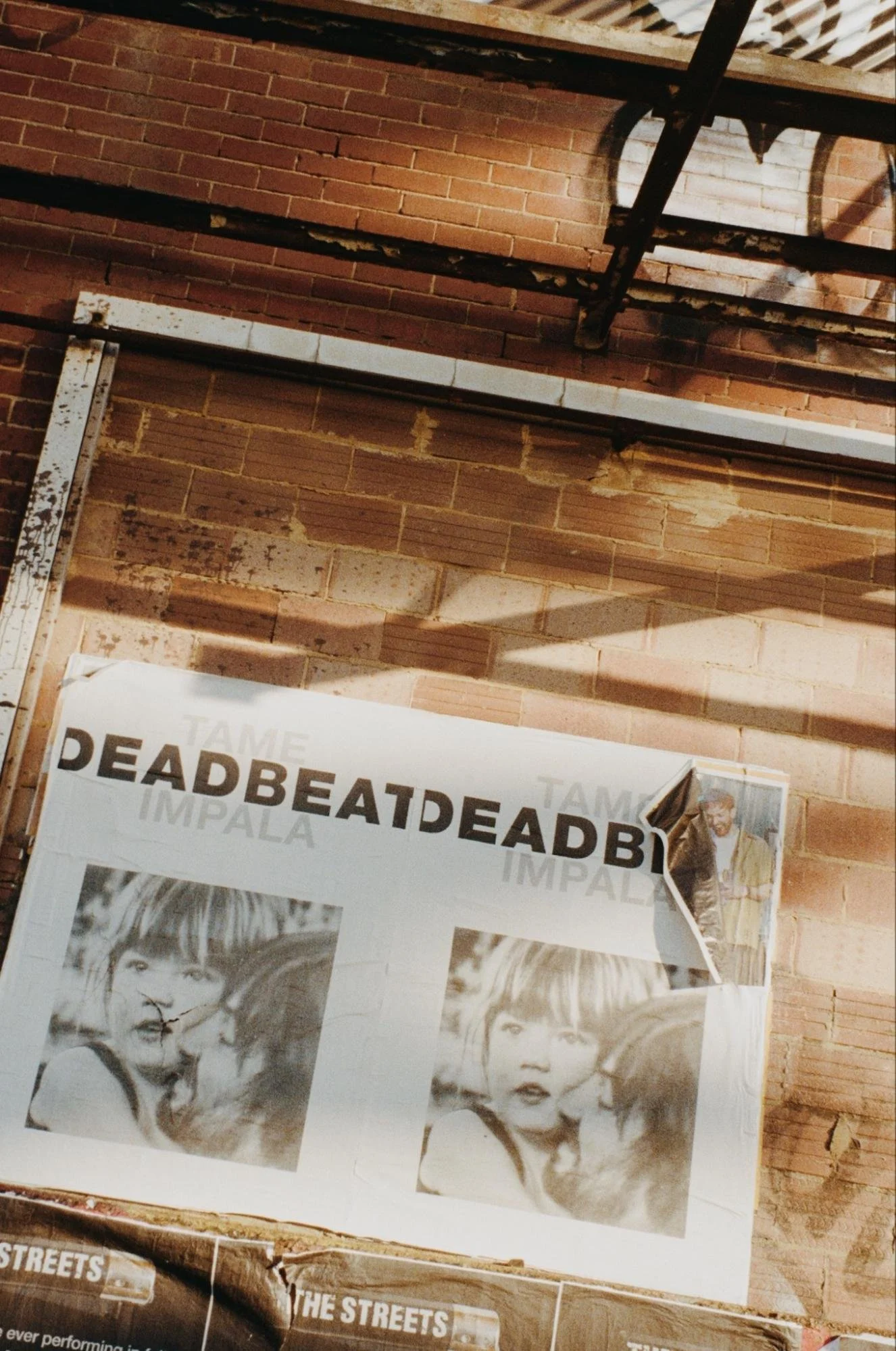
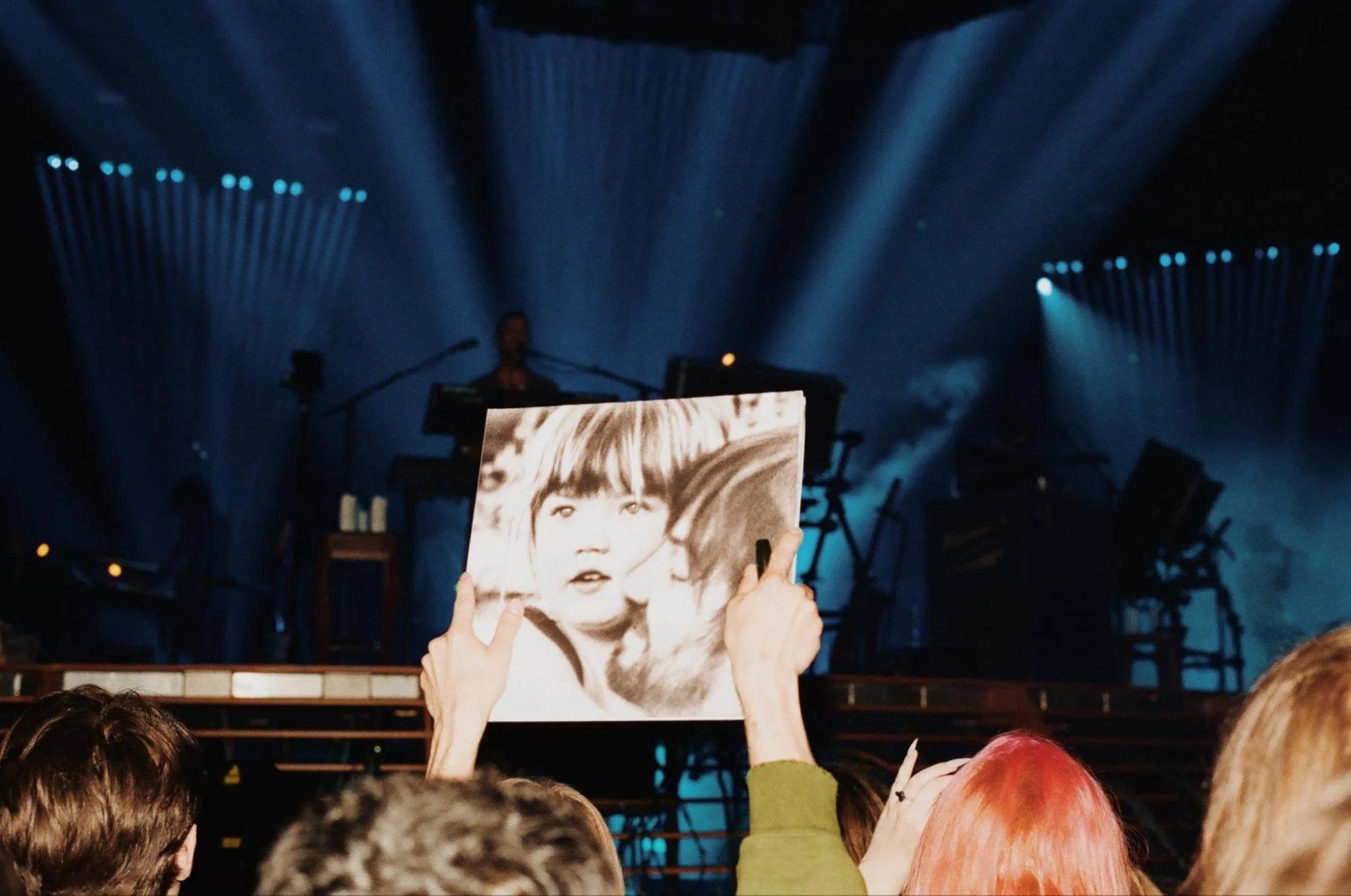
On the cusp of the band's 20th anniversary, Kevin Parker has never been as present and popular as he has been in recent months. On October 17th, 2025, Deadbeat, his fifth musical album, was released with the cover image of a little blond girl, Peach, alongside her dad. Built on psych-rock roots, embracing an electro-techno direction, the twelve-track piece is a more assertive record. The title, probably in reference to the shy musician who feels inadequate and socially anxious in life since his childhood, reminds us how he began to make music his own diary, the only therapeutic path to express his behavior difference a complex. His unique way of making music used to positively surprise and still shape an entire generation of music lovers and producers.
Five years after The Slow Rush, the pursuit of perfection does not have its place anymore in the latest musical project. The fatherhood and 40th birthday of the Australian had acted here as a drastic transition in his life as a vulnerable human and artist.
Credit: Ambre Savagnac
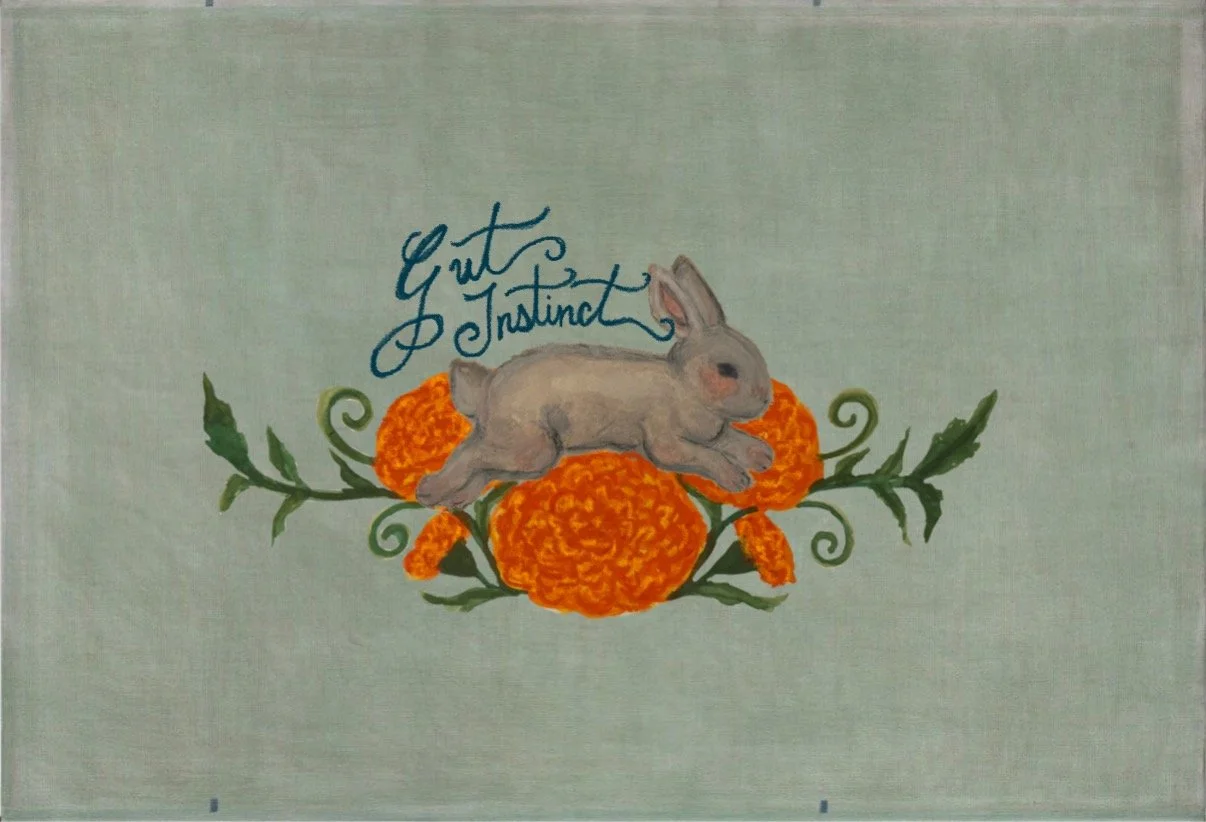
By chance or by fate, on that same October 17th, I was on a plane heading to Perth for an English language training course lasting several weeks. The front camera of the plane lit up, and there it was, the Paris-Oman flight taking off. My eyes widened as the screen displayed a strange, clear drawing of a musical beam note. The beat of the first record’s track, My Old Ways—which I had symbolically refrained from listening to on this departure—was dancing in my ears, and I couldn't help but smile, of gratitude or personal instinct, thinking that I was probably literally on the right path.
Discovering the place where the creative project of my favorite artist emerged was deeply moving to me. It is not even only a place; it is also a hometown, a shelter, an origin story, where a massive creative project—as I almost would like to draw a parallel between it and a religion—was born.
Tame Impala is a project that evokes ecstatic shivers, sometimes stemming from a meditative state, at other times from hypnosis, but also a shared fervor when experienced at a concert or a festival. As Parker has made the medium his own and identified with it, his music serves as an emotional guide, a refuge during difficult times, and a powerful means of connecting people, with effects comparable to those of a hallucinogenic drug on the psyche.
Curiosity alone had driven me, but having the opportunity of being there, in the small town of Fremantle, south of Perth, where Kevin Parker was born in 1986, made so much sense. The ocean stretching to the horizon, the most beautiful sunsets one can see, an incomparably calming way of life, a wild life of animals and vegetation, such as colorful birds. I still pinch myself over this experience, which feels like a dream or heaven’s gate. It seemed so inconceivable to me that such a level of beauty could exist on earth. Undeniably captivating, deeply inspiring, this wallpaper felt just like the music of Tame Impala is able to awaken people, connecting them to their own senses and energy.
Credit: Julian Klincewicz
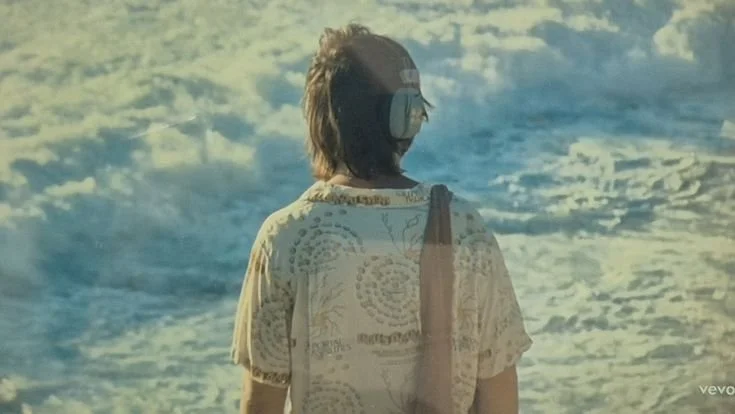
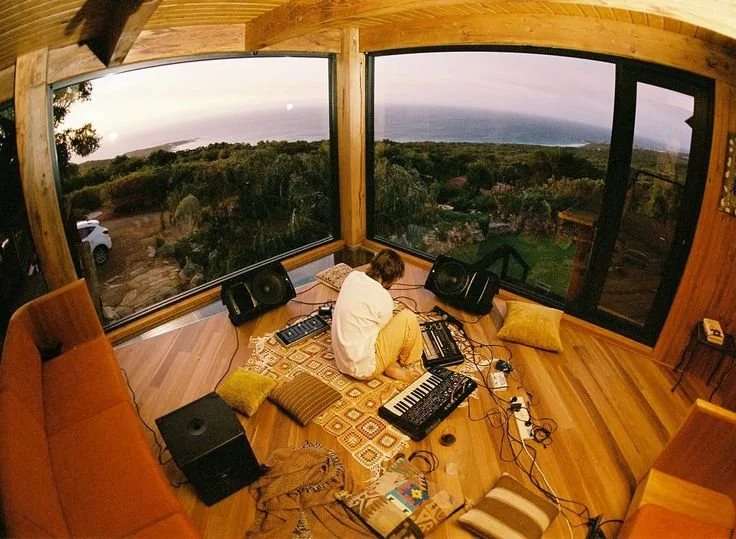
The journey continues a little further south in the Western Australia region, perched on a hill, is the Wave House, the iconic recording studio of the singer-songwriter, for those in the know. Some of the city's landscapes appear in the music video for My Old Ways, where salt water, rocky cliffs, eucalyptus groves, and psychedelic imagery intertwine together. Kevin Parker originally recorded his first album InnerSpeaker in the unique panoramic house.
Credit: Julian Klincewicz
Everything was already beautiful and perfectly set for his creative inspiration: the infinity of the ocean, the scents of pure nature, and, above all, solitude.
“Being isolated is extremely recharging for me,” the musician said in a recent interview with the radio host Zane Lowe on Apple Music.
InnerSpeaker allows warm sounds including bass-lines, delay-swept guitar bursts. Just like the place suggests, the sound feels like it is vintage, far-out and above all, irrepressibly cool. Parker knows genuinely how to build unique. For him, music had long been a form of escapism, so it was only natural for him to create his own musical genre. After his impressive beginnings as a self-taught musician, he initially formed a band for practical reasons. It wasn't for a lack of trying, but he, as an introspective artist, ultimately thrived and flourished best when secluded. The band format made him feel trapped and deprived of independent creative freedom.
Then came the release of Ableton (2001), a German music-creation software that allows you to edit, record, and produce your own music. It was a godsend for the independent artist who, having made music with his father for his childhood years, was finally ready to build his musical universe. He drew inspiration from the psychedelic-rock sounds of the 1960s and 1970s that he used to cover and updated them with a modern twist. The Beatles, Jimi Hendrix, Supertramp, and the Syd Barrett-era of Pink Floyd, featuring lo-fi textures, lush synthesizers, dense analog tape delays, and expansive arrangements. After all, Parker crafts all his own music, producing single-handedly what would normally require a five-piece band: he is actually the composer, recording engineer, producer, and mixer. During his early depression era, everything was spiraling out of control, which allowed him to make space for creation. In this, Parker creates music about what we are all addicted to: nostalgia.
Psychedelic rock is a direct product of the 1960s counterculture that took psychedelic drug experiences and distilled them into a musical style. Specific to indie rock and today’s neo-psychedelic, the majority of instrumental tracks couple with a unique analog production. Echo-soaked voices, fuzz melodic guitars, reverbs that make the guitar sound like it’s echoing into infinity, bass lines that loop endlessly, drums that melt into the background. These sounds are not only entertaining, it traps an addictive feeling inside your own mind : « psychedelic isn’t about sounding trippy, it’s about introspection » define Parker for the genre. Indeed, it is defined by the way it forces listeners to look inward: exploration of memory, changes, and personal growth, much like psychological therapy.
There is no need to reintroduce the popes of the progressive and psychedelic rock music originally from London: Pink Floyd. Their albums massively pushed boundaries, told stories, and captured the feeling of an era. What began as experimental psychedelia evolved into some of the most iconic and conceptual works in music history. Just like on The Dark Side Of The Moon’s concept album (1973), atmospheric experimental music, philosophical lyrics, and surrealistic visual direction of Pink Floyd echo in Tame Impala’s deep inspiration, especially on The Slow Rush (an album which explores the theme of time). As the English band plays with the elements of nature in their masterpieces, Parker also naturally tends to draw on intuitive music and visual creation.
Credit: Ambre Savagnac
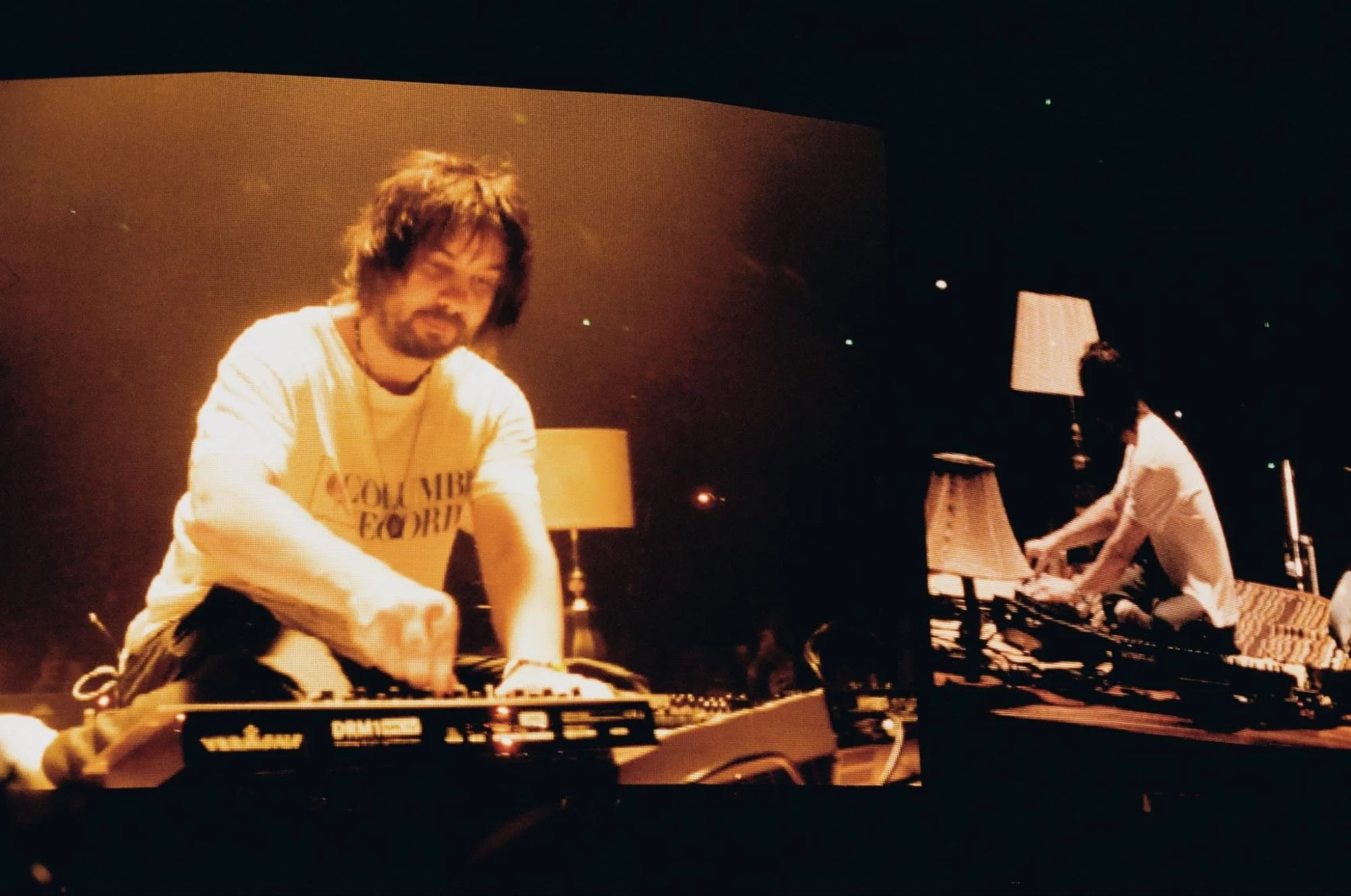
What is enjoyable about Kevin Parker is the absence of any artifice or showbiz persona. It is just a man with emotional baggage, a wellspring of inspiration, a unique and restless talent, a fierce independence without imposing. Above all, a production going against the mainstream industry of music. Watching him on stage in front of 50 000 fans this summer—barefoot, messy hair, head tucked between the shoulders, a faint smile even after forty-five shows on a world tour—is honestly a deep experience. The authenticity he radiates aligns so perfectly with what I experience from listening to his music; it endears me to him.
Everything comes full circle. It is music made without ego, yet rich in resonance; music that fosters a connection with one’s inner self.

Credit: Ambre Savagnac
Kevin started making music to give form to his personal intentions and thoughts. He inadvertently became a role model for an entire generation. His music gives in unexpected ways, providing the space we need without us even realizing it, helping us understand our own existence. That is why his albums are destined to become a tangible, audible addiction.
Perth is the most isolated major city in the world. It is the cradle of an intuitive and instinctive artist who learned to make music by connecting with his five senses and his immediate surroundings: the Australian wilderness and solitude, a force that will always hold sway over creativity. To spend time in this setting is to understand a layered soundscape that draws its tones from a natural world that is both bountiful and hostile. "Isolation can create masterpieces, but you can’t live your whole life trapped inside your own mind." Kevin has managed to build a community that identifies with him through his honesty, remaining true to his introverted nature while also reaching out to others, channeling his energy toward them through the sharing of music. After all, you need feedback from a community that connects with your work, even when that work is deeply personal. The fan community of Tame Impala is characterized by their strong loyalty to the project's sonic evolution, moving from psychedelic rock to more pop and electronic sounds.
Kevin Parker reimagines sound almost as the very noise of silence, proving that it is still possible to disconnect, even while living in a world filled with constant noise. Solitude is bliss.
Credit: Ambre Savagnac