A New Year of Environmentalism: Small Acts, Collective Impact
By Natalie McCarty
The beginning of a new year often arrives with a moment when intentions feel malleable and habits feel open to reinvention. Environmentalism, at its core, thrives in this space. It is not a trend nor a seasonal concern, but a sustained commitment to living with greater awareness of how our choices ripple outward. As we enter a new year, environmentalism asks not for perfection, but for participation.

Image Sourced through Pinterest
For many, the word environmentalism can feel overwhelming, conjuring images of large-scale policy reform or dramatic lifestyle overhauls. While systemic change is essential, the most enduring movements are built from consistent, everyday decisions. The new year offers an opportunity to reframe environmentalism not as sacrifice, but as alignment between values, community, and the planet we depend on.
One of the most direct ways individuals can reduce their environmental footprint is by reassessing consumption—particularly food. Veganism and plant-forward diets continue to gain traction not only for ethical reasons, but for their measurable environmental benefits. Reducing or eliminating animal products can significantly lower greenhouse gas emissions, conserve water, and reduce land degradation.
That said, environmentalism does not demand absolutism. Even participating in initiatives like Meatless Mondays or choosing plant-based options a few times a week contributes to meaningful impact when practiced at scale. The goal is not moral superiority, but conscious decision-making, such as asking where food comes from, how it is produced, and who is affected along the way.
Beyond diet, mindful consumption extends to clothing, technology, and household goods. Buying fewer, higher-quality items; supporting brands with transparent supply chains; and embracing secondhand or vintage markets all help disrupt cycles of overproduction and waste. Environmentalism often begins not with what we add to our lives, but with what we choose to step back from.
Environmental action becomes most tangible when it is rooted in the community. Community gardens, for example, are hubs of education, food security, and neighborhood resilience. They reconnect people to the process of growing food while reducing reliance on long-distance transportation and excessive packaging.
Similarly, supporting local farmers’ markets and small producers keeps resources circulating within the community while reducing the environmental cost of mass distribution. These choices reinforce the idea that environmentalism is not a solitary pursuit, but a collective one.
The new year is an ideal time to examine how waste shows up in daily routines. Simple shifts—such as carrying reusable bags, water bottles, and coffee cups—can dramatically reduce single-use plastics over time. Composting food scraps, when accessible, diverts organic waste from landfills and returns nutrients to the soil.
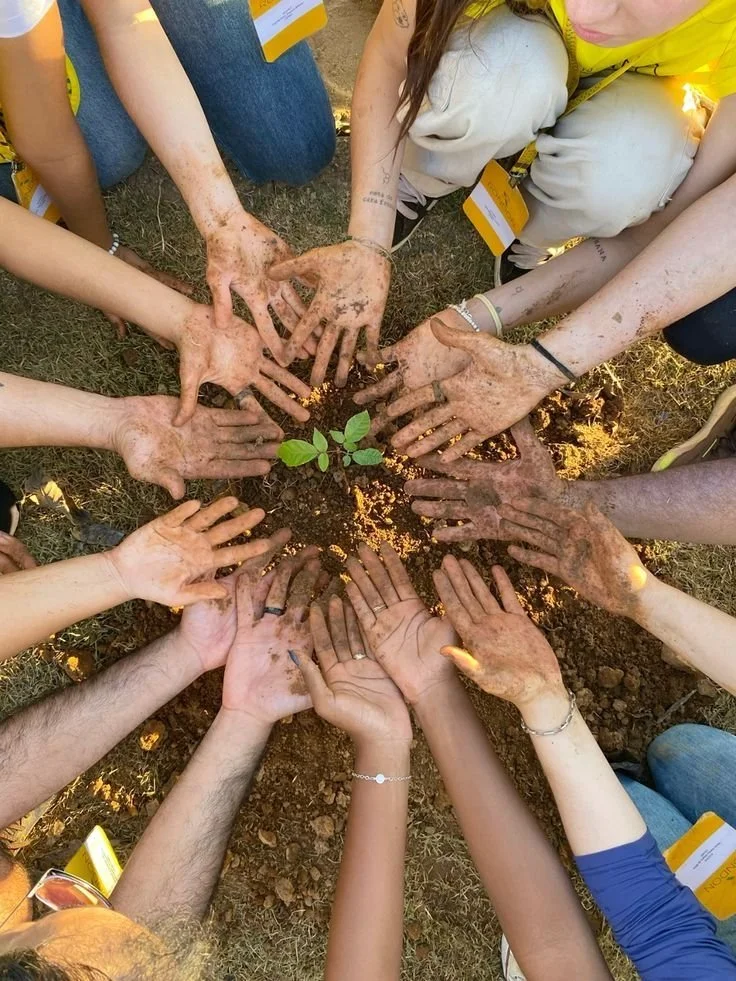
Image Sourced through Pinterest
Equally important is resisting the culture of disposability that dominates modern life. Repairing items instead of replacing them, donating unused goods, and rethinking convenience-driven habits all challenge systems that prioritize speed and profit over sustainability.
Environmentalism is not limited to personal lifestyle choices. Civic engagement plays a crucial role in shaping environmental outcomes. Staying informed about local environmental issues, supporting legislation that prioritizes sustainability, and voting with environmental considerations in mind extend individual impact into the public sphere.
Perhaps the most important shift environmentalism asks of us in the new year is internal. It requires patience, humility, and a willingness to learn. Sustainable living is not about achieving an idealized version of eco-consciousness, but about remaining engaged, curious, and responsive.
As the year unfolds, the question is not whether individual actions matter, but how intentionally we choose them. Environmentalism has the power to transform not only our surroundings, but our relationship to the world itself.