A Billionaire’s Playground Just Got More Crowded
By CG Morand
Fashion week has long been a billionaire’s playground. From Beyoncé to Delphine Arnault, the one percent is no stranger to the front row. Though following the Fall/Winter menswear shows and Spring/Summer haute couture collections this past January, the conversations around recent front-rowers are less excitement and more disdain.
“Proof money can’t buy taste” and “vulgarity personified” were among some of the top-liked Instagram comments when figures such as Lauren Sanchez and Jeff Bezos were seen at the Dior show.
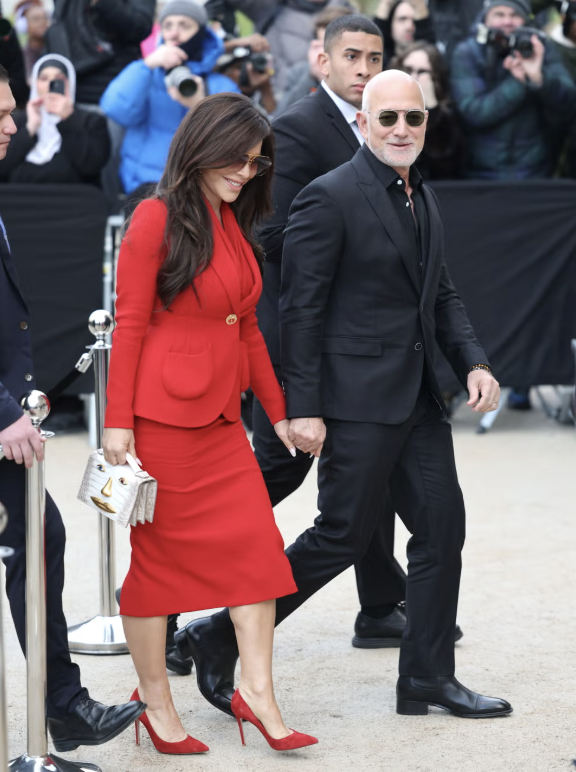
Credit: Harper’s Bazaar
At first glance, the brazen distaste for these attendees seems rooted in wealth itself. However, that argument quickly falls apart. Rihanna, who has an estimated net worth of $1.6 Billion, has not only been historically tolerated sitting front row at fashion shows, but celebrated! Comments on social media praise her “aura” and presence, garnering thousands of likes when Vogue posted about her attending the Dior show.
Why now is it that after decades of billionaires populating fashion week, and people fawning over their presence, are audiences suddenly in uproar?
Fashion has always existed in parallel with power. After all, it is inherently political; a reflection of the cultural and economic climate in which it operates. Moments of global economic anxiety, coupled with the widening inequality between classes, often sharpen public sensitivity to displays of wealth. What once read as aspirational or chic can begin to feel excessive, even gauche.
But this moment in fashion is not exclusively about wealth— it is also about narrative.
Today’s billionaires are no longer satisfied with existing behind the scenes; they are now actively inserting themselves into cultural spaces. Attempting to not only shape industry, but public perception. And what is a bigger stage shaping culture, or a bigger catwalk with influence, than fashion week?
Front rows, once reserved for muses and icons of the decade, are increasingly occupied by figures whose primary claim is financial power. The question becomes: is proximity to culture the same as participating in it?
There is no such thing as bad press, as the saying goes. And in many ways, the strategy is working. After all, Bezos and Sanches are set to serve as honorary chairs at the 2026 Met Gala. Why would they not be at fashion week? Their presence is not incidental, rather it is a part of a broader effort to embed themselves within the cultural elite.
Fashion, however, does not reject wealth. It rejects inauthenticity.
Arriving in the United States at just 16-years-old, Rihanna has built a career that spans music, beauty, and fashion. From the global success of her make-up and skincare brand, Fenty Beauty, to her famed lingerie line Savage x Fenty, both companies embody the narrative of creation rather than acquisition.
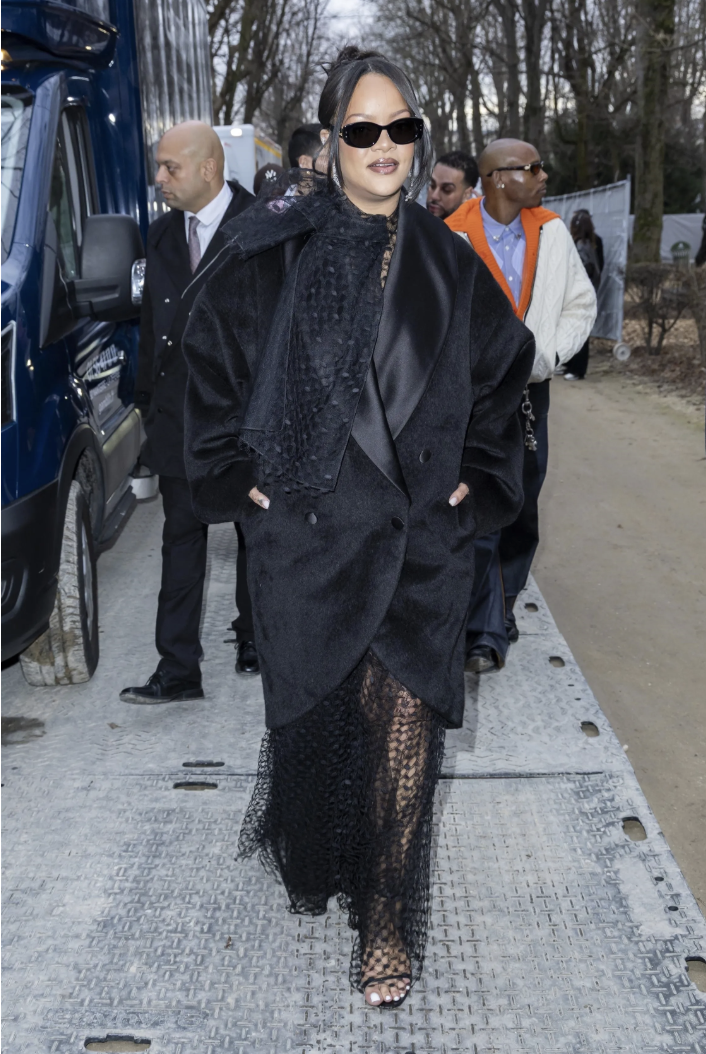
Credit: Vogue
Additionally, what sets her brands apart is her diligence in creating inclusive products—celebrating differences across body types and skin tones. She is seen as someone who is not positioning herself within culture, but shaping it.
On the other hand, Bezos and Sanchez are completely divorced from the reality of most Americans, nor do they demonstrate interest in acknowledging the human impact of the systems from which they profit. In January, Amazon laid off over 16,000 workers as the company aims to shift focus towards AI-led production, the next week the two are seen wearing Schiaparelli couture… A juxtaposition that feels less like glamour and more like a stark display of detachment from the consequences of their own power. Their focus is singular and clear: the continued expansion of their own wealth.
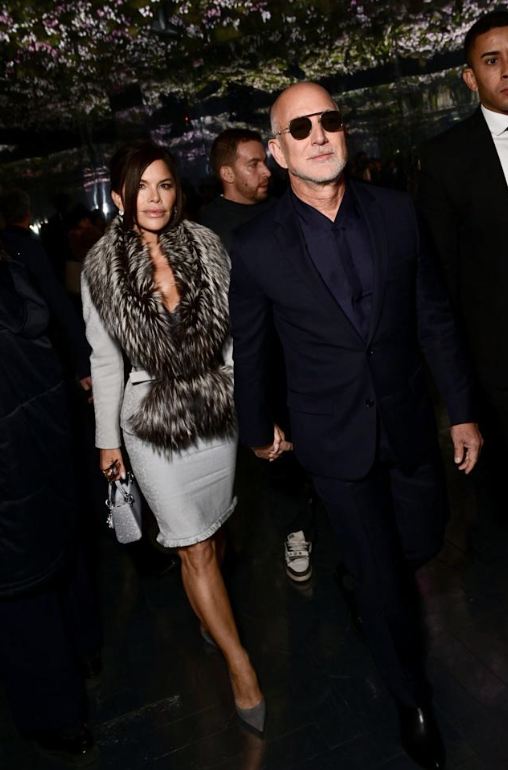
Credit: AOL
Therein lies the crucial distinction between being positioned and positioning oneself.
Audiences are attuned to authenticity, as it allows a mirror in which they can see themselves reflected. People want to recognize life’s complexities and contradictions within the images and identities being presented to them. And should the fashion industry operate as a machine, one that both reflects reality and pushes its boundaries, people want to believe it is being shaped by individuals with a distinct point of view and a clear sense of values.
Fashion’s front row, then, is no longer just a display of status. It has become a battleground for cultural legitimacy and legacy. And in that arena, money may secure a seat, but it cannot guarantee relevance.