A Sonic Scrapbook: How Carver Jones and The American Dreamers Are Making Their Mark on Music
By Audrey Treon
I recently went to a concert at Phoenix, Arizona’s The Rebel Lounge, a beloved and iconic music venue here in the valley. I’ll be honest, I was going to the concert as “The friend who’s tagging along in hopes of a fun Thursday night,” not necessarily a hardcore fan. The concert itself was 54 Ultra, also known as John Anthony, “Johnny” Rodriguez, and opening for him, Carver Jones and The American Dreamers.
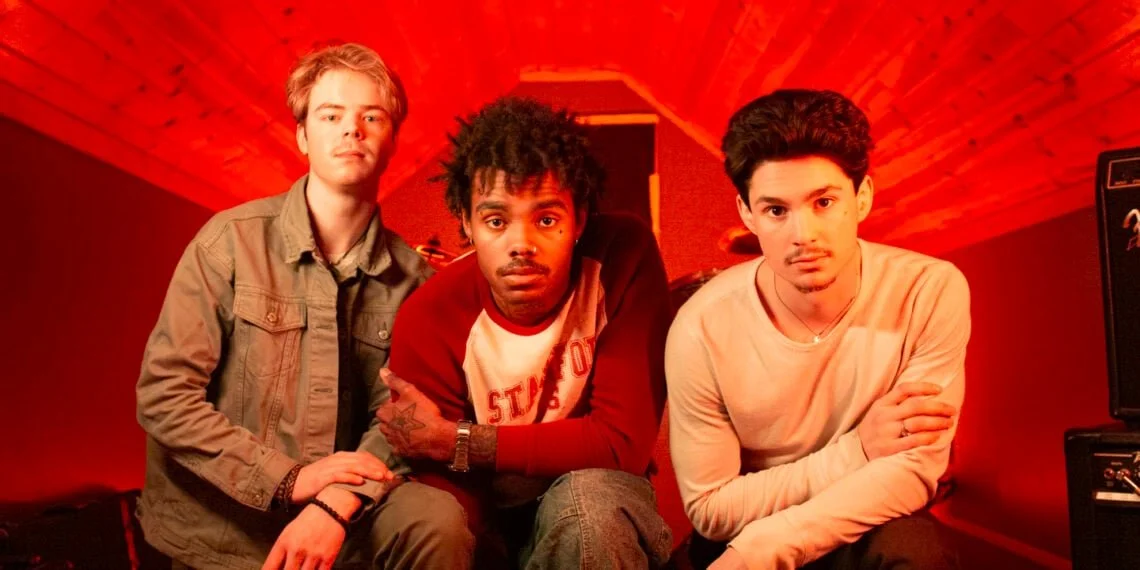
Photo by Bill Sitzmann; Courtesy of Omaha Magazine
I had entered the venue and grabbed a drink, as I am freshly 21 and happily abusing my privileges. Soon after cracking into my seltzer, the opening act, Carver Jones and The American Dreamers, took the stage. Carver Jones, the lead singer, guitarist, and songwriter, was chatting with the crowd between songs, expressing his appreciation for us being there and listening to his music — he had a fresh humility to him, along with a genuine kindness and authentic gratitude. Regarding their music, I would say it had the same freshness, the same genuineness, and the same authenticity. Their sound was unique to them, calling upon classic and alternative rock elements, and had a neighborhood-garage-band charm sprinkled throughout.
After the concert, I had confidently changed my status from “Friend with a ticket” to “Hardcore fan” of both acts. And so, I took a chance and sent an email to Jones and his team. We scheduled a 30-minute call and talked about musical inspirations, life in Nebraska versus Nashville, basketball, the motivations behind following one’s dreams, the touring life, and how he and his band are making a “Sonic Scrapbook.”
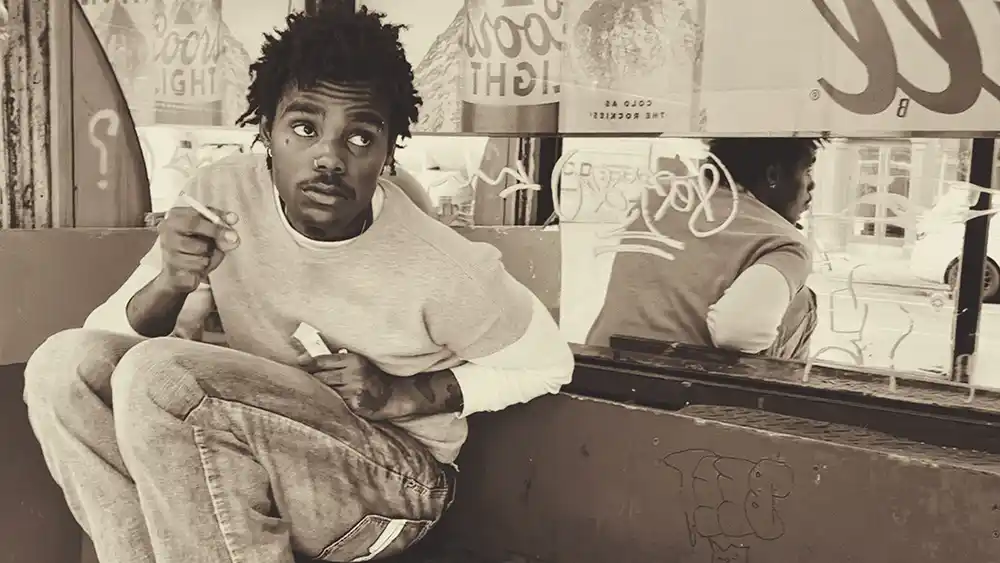
Photo Provided by Carter Jones
AT: How would you describe your unique musical sound?
CJ: I would say it’s more of a melting pot of just a lot of musical influences. I think overall it’s guitar-based music, that’s the root of it. I think from there it can kind of go many different ways to R&B, to alternative to rock to funk to anything, but I think the root of it is really just guitar-driven music, somewhat of a nostalgic sound.
AT: Absolutely. Do you have any guitarists who have influenced your sound or who you look up to in particular?
CJ: Yeah, I’m a huge fan of John Frusciante from the Red Hot Chili Peppers, I love John Mayer, Stevie Ray Vaughan, Albert Hammond Jr. from The Strokes, I would say those are the ones I really look up to — I find myself on YouTube looking up how to play their songs.
AT: That’s a great list. I saw that you turned down a collegiate basketball scholarship to pursue music. I was curious as to how you balance those two passions, seeing as they are in such different fields.
CJ: I think basketball was kind of a more forced thing for me, I mean, I love the sport and I love playing, but it wasn't as natural [as music]. I think that, like, it was more of a high school thing that I was really into, and I got good at it. And I still love basketball, and I watch the games and play pick-up with my buddies, but I think music was just one of those things that was really instant with me. My mom always said, as I was a kid and as I got older, that “You should do the thing that you don’t remember starting,” and music was the thing for me that I never remember the first time I was singing or anything like that. So I think the balance comes from the fact that one of them is a more casual thing and the other is more soulful.
AT: I also saw that you’re from Nebraska but recently moved to Nashville. How has that change in scenery affected your creative output, living in such an iconic musical city?
CJ: The most important thing with being in Nashville, for me, is being away from home and figuring everything out alone. Well, not alone, I’m with my buddies and no parents, I don’t know everyone in the city, so it’s kind of a new beginning and kind of a transition into adulthood. I think that’s what’s been very important to me. I think creatively, though, Nashville’s great, and I meet so many people here — when I have a session or when I go out, it’s very welcoming.
AT: Yeah, I can only imagine how creative that city is and how it feels to be a part of it.
CJ: Yeah, it’s great. I feel like everyone I know is the best guitar player, the best producer, the best songwriter, so it just helps me a lot to be in the rooms with the best people and learn from them.
AT: So in the beginning, you mentioned a few of your musical influences. I was curious as to how your sound, or approach to making music, has evolved since you first started.
CJ: When I first started creating music, I was kind of just rapping with my buddies — you know, we’d be done with basketball and practice and freestyle, and I was somewhat good at that, just coming up with the words. And then it kind of got into YouTube beats and singing over stuff and recording on my phone and BandLab. And this was before I ever picked up a guitar, and then when I went on the road with my buddies for the first time, I was 18, and we were living in the van. It was three of us, and one of them played the guitar. I just sang, and that’s where I started getting interested in guitar, and I picked it up shortly after that, and I think that completely changed my whole entire musical trajectory. There’s a new spirit that comes with playing and singing — I got into so many new things, new bands, just things I wasn’t as into, just because there was a guitar. I think the guitar was the driving thing that changed from the beginning to now.
AT: That’s amazing. I saw you on tour with 54 Ultra. I was curious as to how touring with him and his band, and your band, if you guys feed off of each other's energies, if you collaborate at all, just how that is as an environment.
CJ: I mean, those dudes are super sick. I think the first night we kind of just all hung out and got to know each other, and then from there it kind of just felt like a family — they looked out for us. There was a time when our van broke down on the way to the Santa Ana show, and we got there like 30 minutes before we were supposed to perform, so no sound check, and we were so rushed, and those guys came out to our car and loaded everything out with us and just made sure we were good. So, I think it was just the best first tour to go on – that was our first tour ever. They were the best dudes, and they have great fans, so it was the time of our lives.
AT: That’s so great to hear. What kind of artist do you ultimately want to be known as? What is the message you want your music to carry long-term?
CJ: I just want it to be authentic. Everyone that I love they just have a true expression to what they want to say at that moment. I think that’s the thing I want to carry through while being an artist is being authentic to where I am at that point in my life, and know that that is going to change — I’m going to look back on things and be like, well I don’t feel that way anymore but I’m happy I have some sort of sonic scrapbook about how I felt when I was 22 and so forth and so on. So yeah, just being authentic is the most important thing to me going forward.
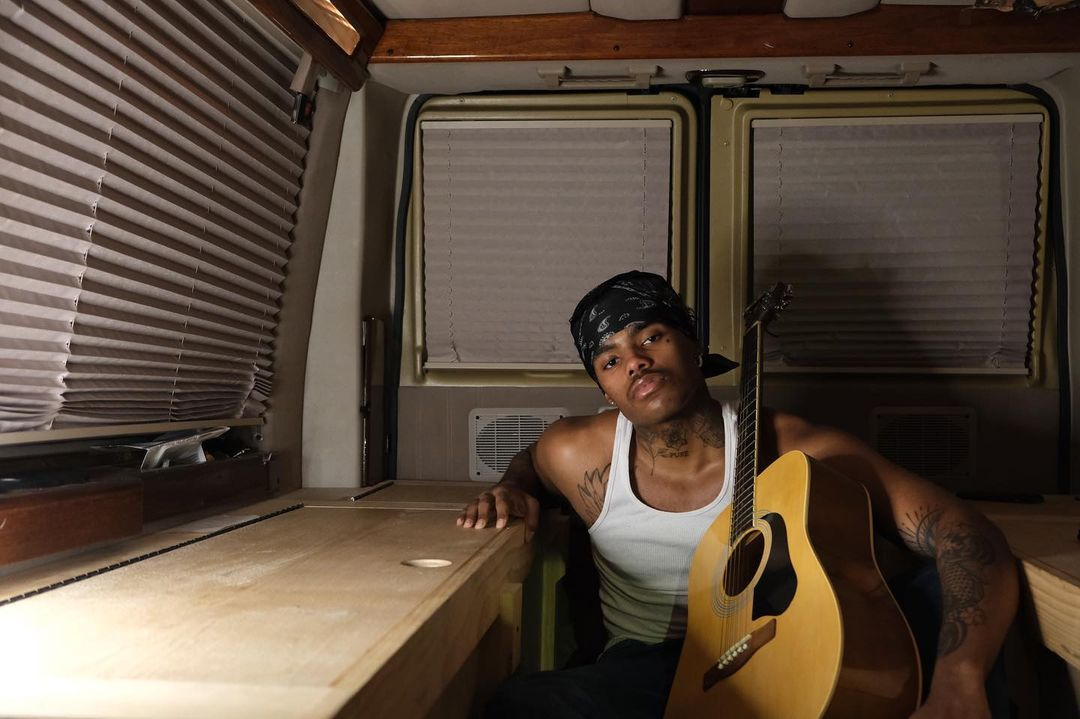
Image Courtesy of Carver Jones
AT: I like the “Sonic scrapbook,” that’s a very good way of putting it. Looking ahead, what can fans expect from you and The American Dreamers — any new releases, performances, or even surprises?
CJ: We’re going to be putting out a song called “Dog Tags” within the next three weeks. I’m not sure of the [exact] date, but we’re finishing that up right now. We’re going to go home for the holidays, and we’ve been playing. We played a going-away show when we moved to Nashville from Nebraska, and then last year we played a holiday show. We’re going to start doing that annually, just go home and do a friends and family show and get everyone in Nebraska out — show appreciation to everyone there. We’re going to go out and continue to chase our dream(s) and come home and bring something back and be better. That’s kind of where our heads at right now, finishing up the year in Nashville and getting back home and playing this friends and family show.
AT: That’s really wonderful. I think that is just a very good sense of community, especially integrating that with the arts; that’s very interesting. My last question is, if you could describe the next chapter of your career in three words, what would they be?
CJ: Oh, wow. In three words, the next chapter, I’d say honest, risk-taking, and, oh man. I don’t know the third one.
AT: That’s fine! Those words paint a good picture of where your heads are at.
CJ: Enjoyable. Honest, risk-taking, and enjoyable.
At this point, I feel confident enough to tell anyone reading this to start listening to Carver Jones and The American Dreamers if you’re not already — you won’t regret it. Thank you to Carver Jones for your time, conversation, and music, and to Drew Kaklamanos for your help in making this interview happen. After our interview, I came away knowing I had talked to one of the greats in the making — and that is a damn cool feeling.