shangri-LA: Not Your Typical Music Venue
By Néya Sridhar
For founder, director, and producer Julian Currier, the magic of shangri-LA starts with how people think about it. “I like that you called it a music venue. Typically, music venues are static; they’re in a set location. And I like viewing shangri-LA as a moving venue. That is what makes it what it is,” said Currier.
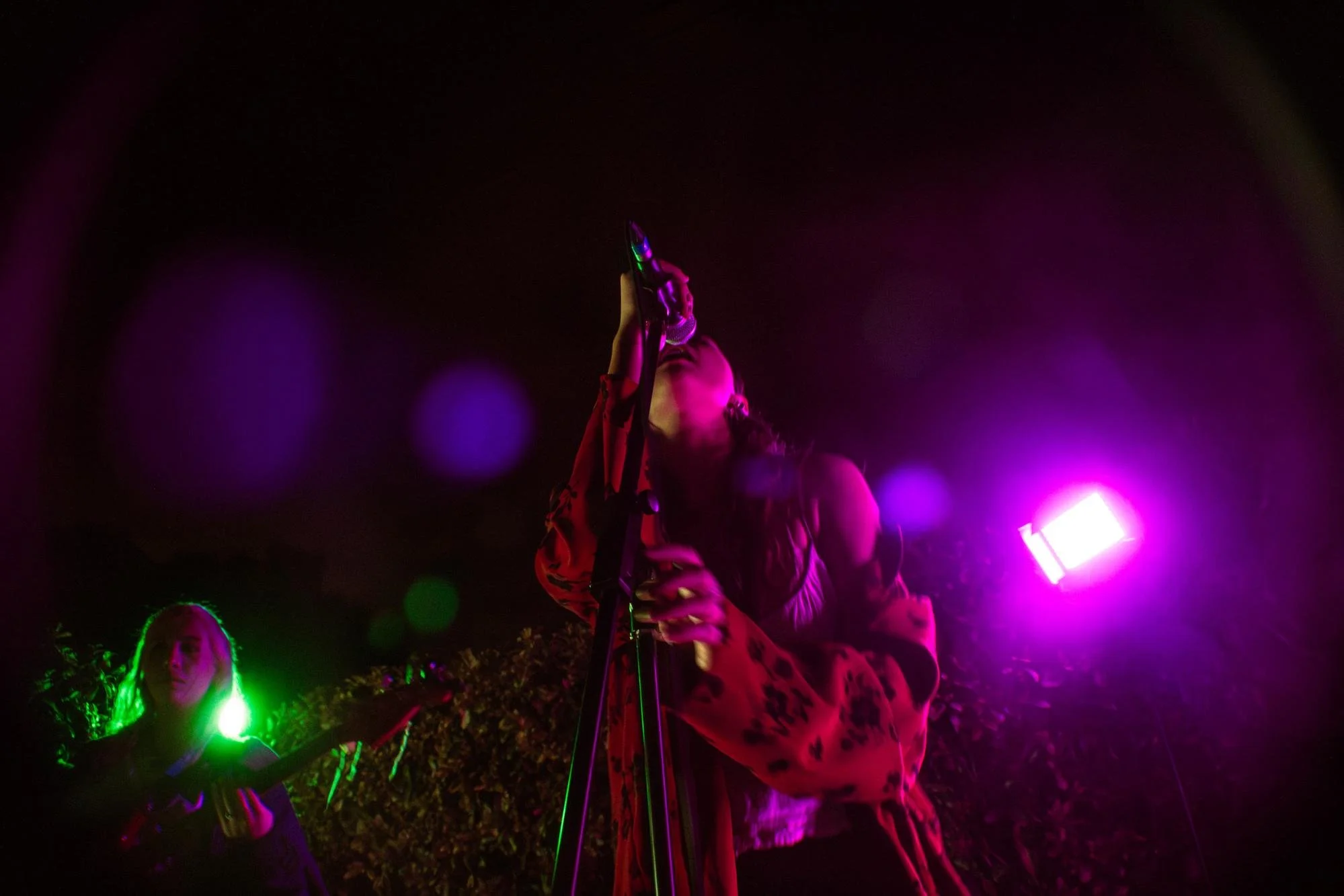
Outlet x shangri-LA; Photo by Reece Cartee
“I love music in any capacity. It's cool to be able to do something that allows me to be involved in the community more behind the scenes. It feels very rewarding in a different way,” he added.

Founder, Director, and Producer of shangri-LA: Julian Currier
Co-director and UPM, Sam Strachan, expands on that idea, explaining what shangri-LA actually is in practice: “shangri-LA is a student collective that is focused on all sorts of things to do with the intersection of film and music. We focus mostly on throwing DIY live music house shows.”
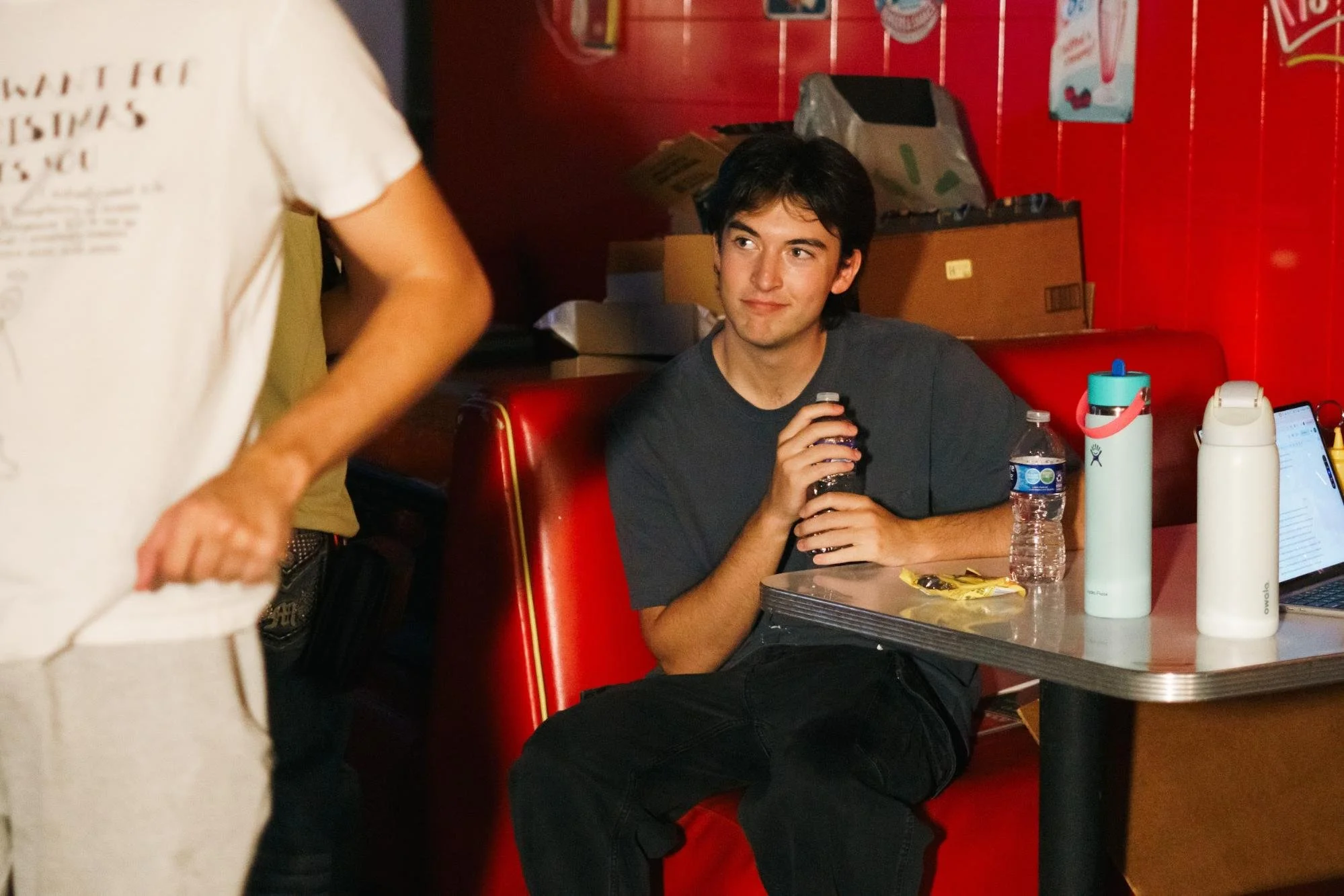
Co-director and UPM of shangri-LA: Sam Strachan
“This DIY identity wasn’t always the plan. Before shangri-LA, the project began as “LMU Tiny Dorm,” a much smaller, more contained concept. Currier recounts those early days: “It was an LMU exclusive video series of live music performances in my dorm room, or technically campus apartment, last year.” Strachan adds, “We would have mini film shoots in a dorm on campus. We would invite LMU student performers to come do their thing, record it, and then publish it on YouTube.”
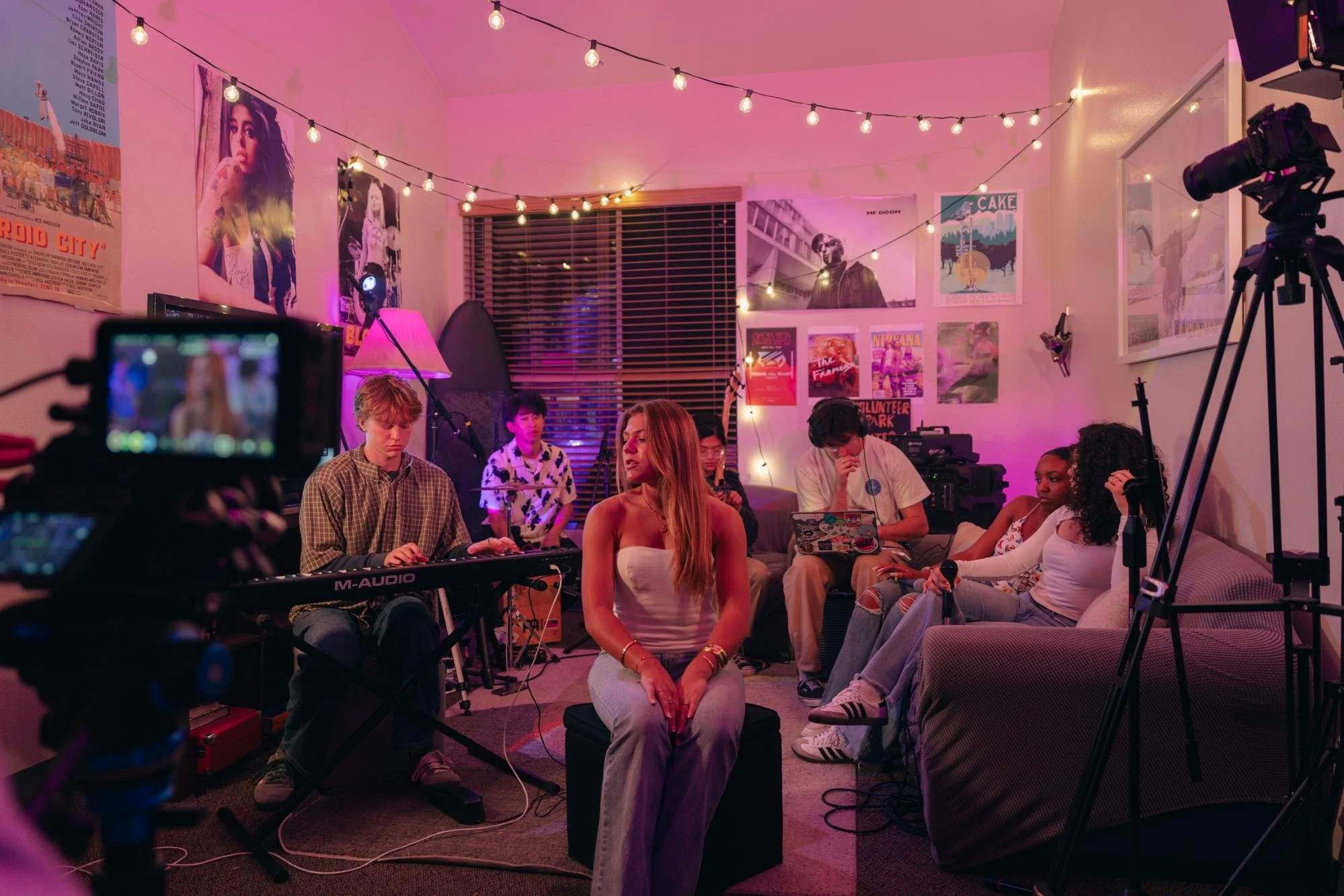
LMU Tiny Dorm; Photo by Tara Sugavanam
As the project evolved, so did its ambitions. When transitioning to shangri-LA, Currier’s long-time collaborator and producing partner, Levi Huvard, is central in shaping the new direction.“Levi and I, our vision and the direction of this is we wanted it to be something that's fun for everybody; something that's easy, but also a little professionally beneficial, and doing good for the community.”
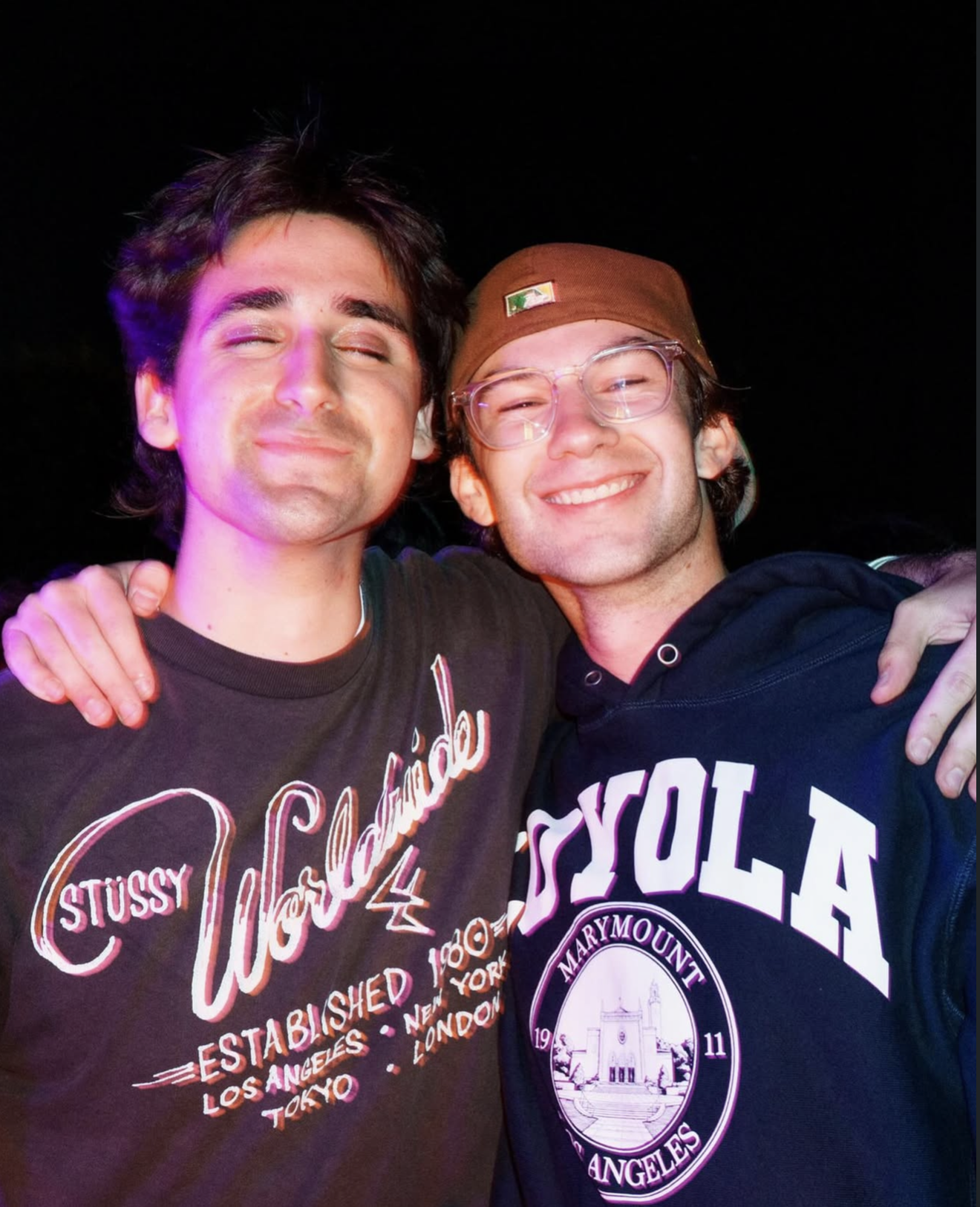
Levi Huvard (left) and Julian Currier (right); Photo by Mia Rivers
For Strachan, that shift marked a turning point. “Really, the whole reason that we pivoted to shangri-LA in the first place is to build our own identity outside of the school, outside of any format that has been done before,” he agreed.
Strachan remembered his addition to the group. He recalls, “I was brought on to shangri-LA after it had already been established. Julian invited me on and said, ‘You know, we need some help with the video side of stuff.’ And I personally am a film guy. I enjoy listening to music, but I don't know anything about making music or how the industry works.”
That learning curve has become one of the most rewarding parts of the experience to Strachan: “Through that, I've learned so much about music, how it's made, and what makes music good. Everybody that's on the project is either into film, music, or both, and it's really cool to kind of see both of those sides like coming together and being able to bring that to people who may not know a ton about either.”
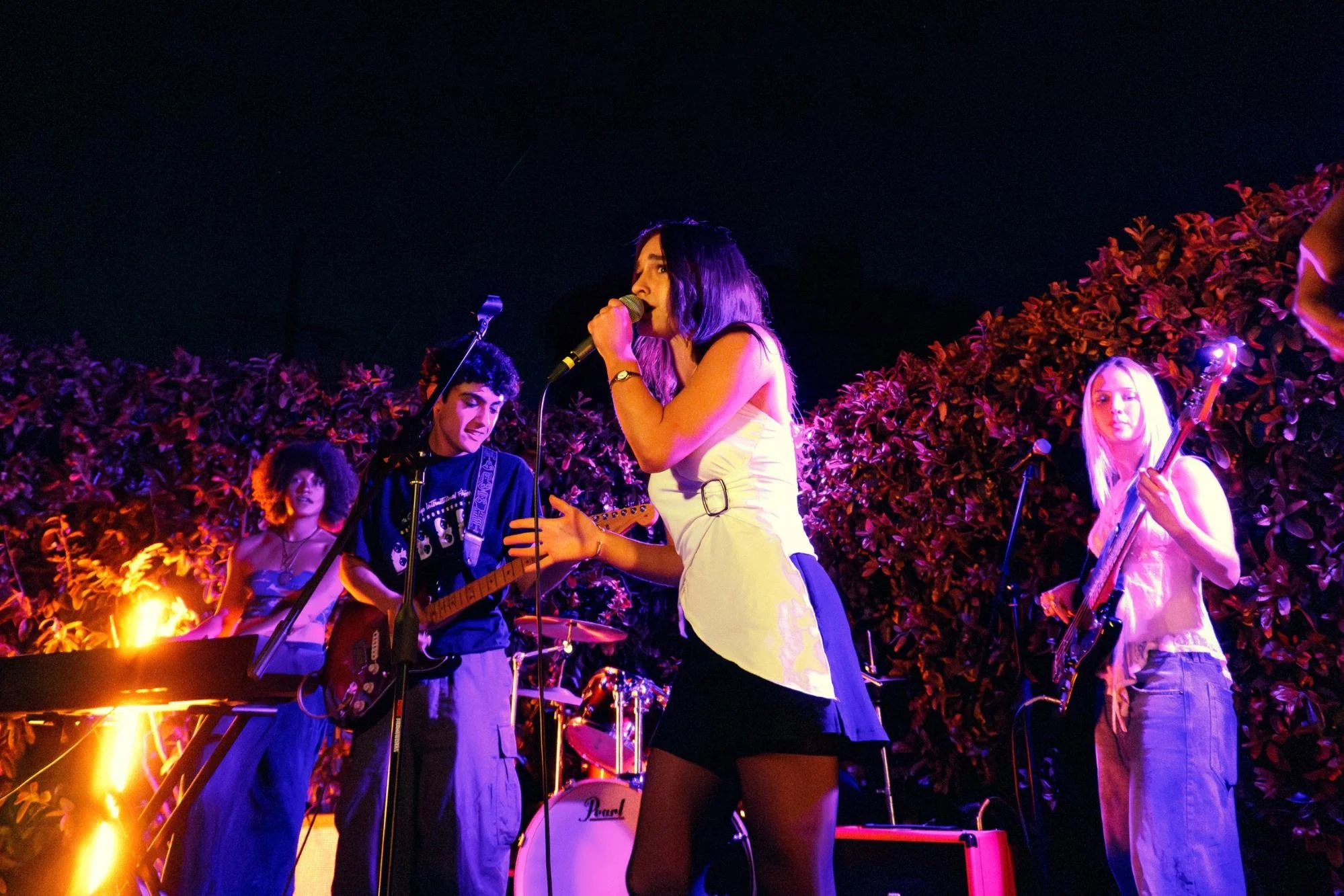
OUTLET x shangri-LA; Photo by Mia Rivers
Currier sees his team as one of shangri-LA’s greatest strengths. “I think, through this, I've just been able to identify the most extraordinary and wonderful people and bring them all together. So many professional and creative relationships have been developed through this. I'm just so blown away that all these people are down to work on this,” he stated.
To make a show day happen, there’s a lot of preparation that takes place. Currier and Huvard handle initial conceptual ideas of the show being co-producers. “They get together and talk about who they want to perform, where we want to have it. We figure out all of the logistics of it in advance, like sometimes we have to rent Porta Potties, we have to go around to talk to neighbors,” Strachan remarked.
For him, seeing it all come together makes the long hours worth it. “It's a feeling unlike anything that I've ever felt before, like when you're actually at the show and you see all of that hard work from so many people kind of coming together and contributing to an event that hundreds of people are really enjoying, it's really cool,” he said.
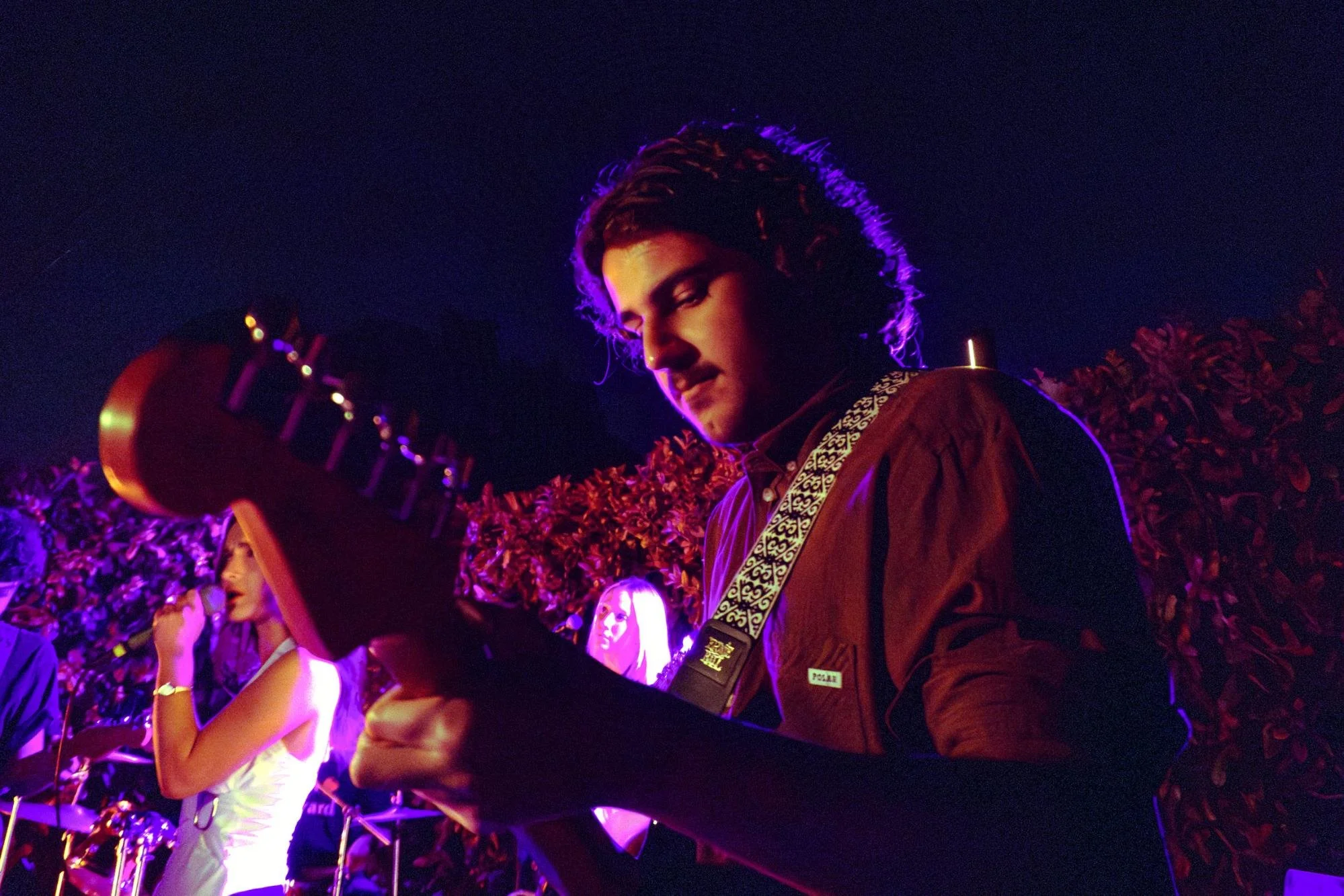
shangri-LAUNCH; Photo by Hank Leahy
A huge part of shangri-LA’s identity comes from where the shows happen. Hosting performances in residential backyards creates a built-in sense of community among attendees. The environment feels cozier, friendlier, and far more intimate than a typical venue. Currier notices this every time. Currier comments, “It's definitely like the intimacy and familiarity that is what makes it special. It’s going to these shows and having people know each other and having people meet each other, or maybe people don't see each other and only see each other at these shows. I think that's special.”
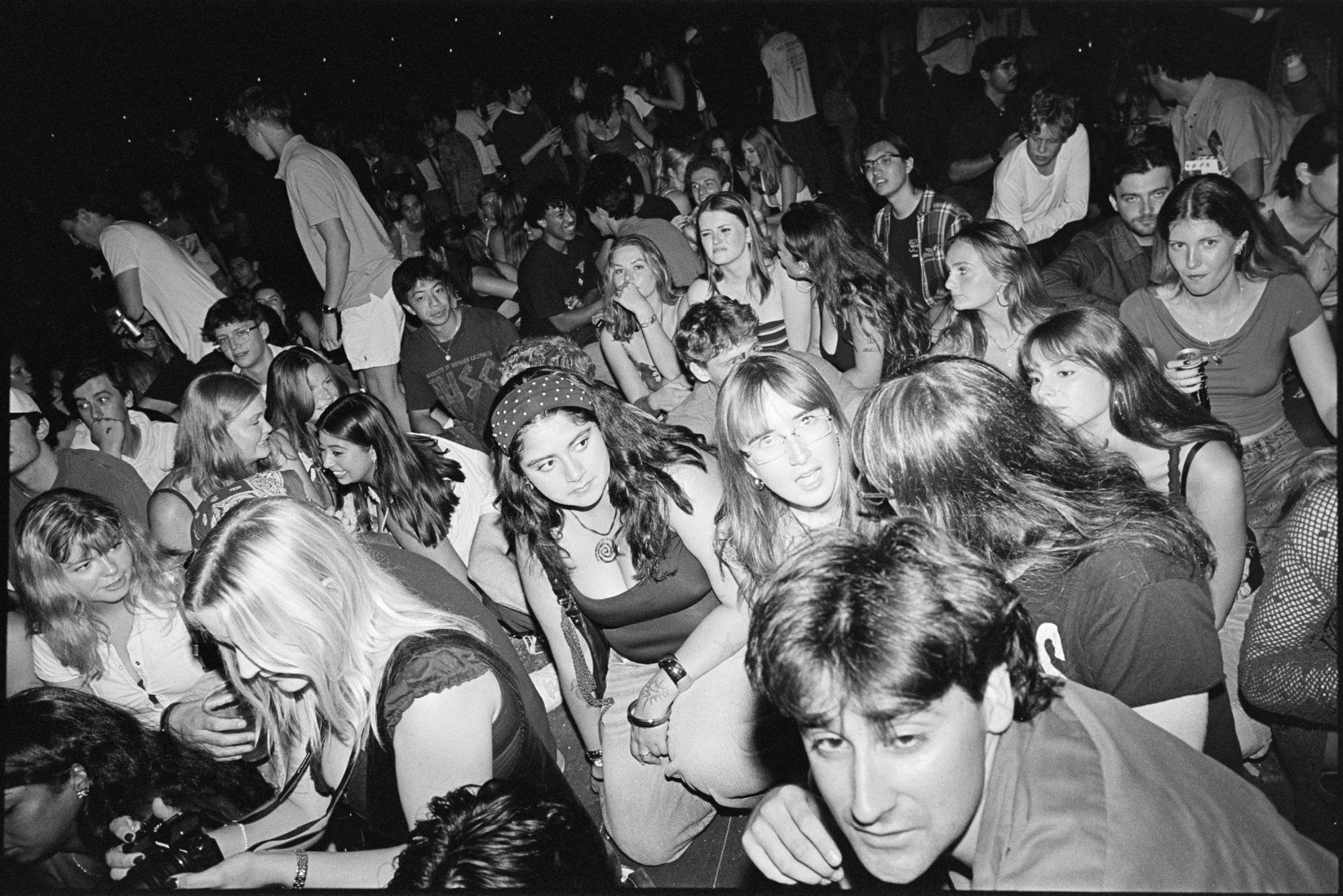
shangri-LAUNCH; Photo by Hank Leahy
That intimacy doesn’t just shape the audience experience: it also matters for the artists. A wide range of musicians gain exposure to crowds who are open, curious, and supportive. Strachan remembers watching that connection unfold in real time.“I was just kind of walking around making sure everything was good, and I was just listening in to people's conversations, sort of as I was walking past. A lot of people were like, ‘Oh my god, that band was so good. I’ve never heard of them before.’ It's really cool to be able to bring that kind of sense of wonder and enjoyment to so many people. To be able to play a part in something that is so meaningful for so many people is amazing,” he admired.
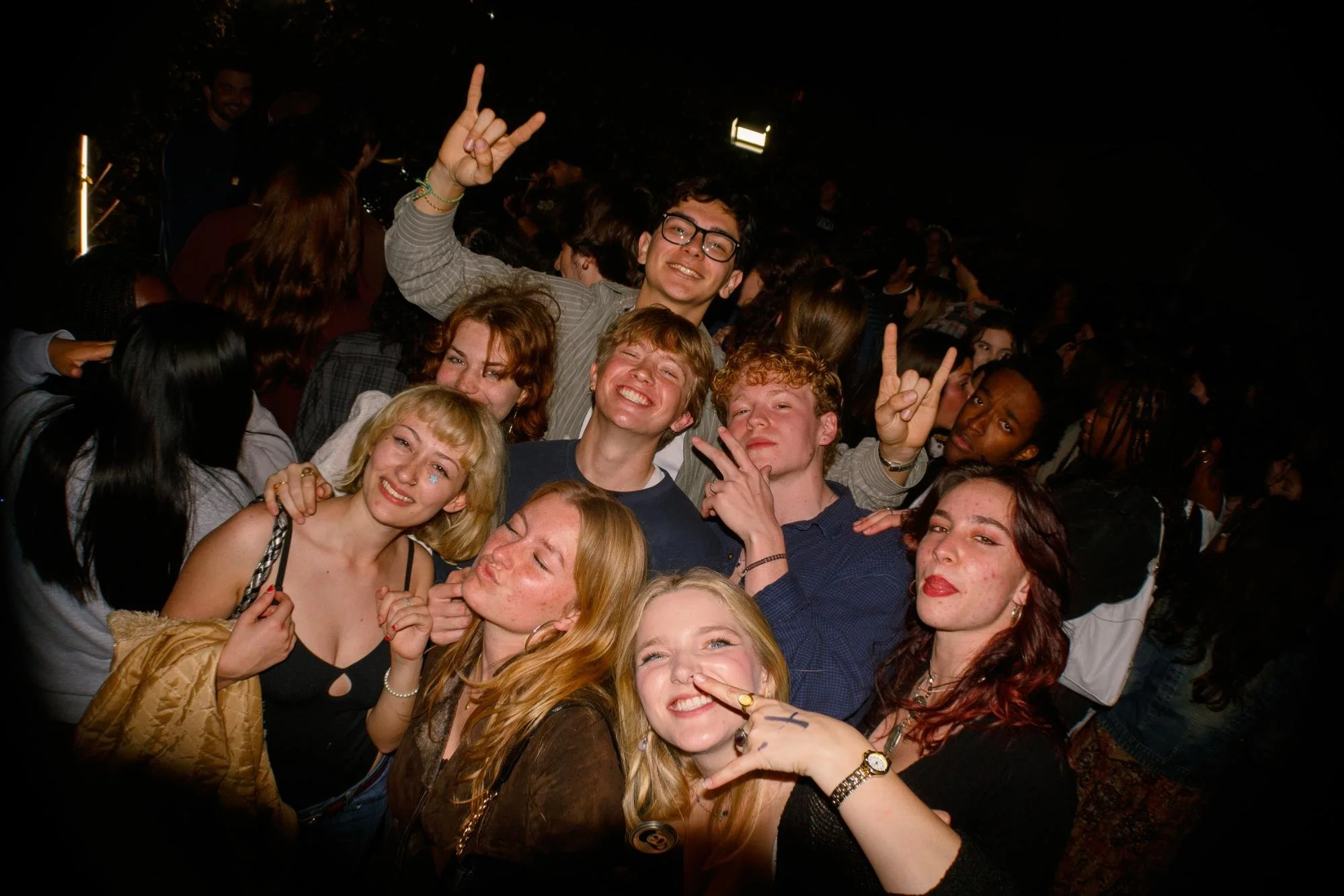
OUTLET x shangri-LA; Photo by Jonas Chase
Looking ahead, the team is thinking carefully about how shangri-LA should grow without losing what makes it special. When asked where shangri-LA’s future lies, Currier believes in the integrity of the collective. “I feel like my vision for the future has changed a lot because there was a point where I realized we're scaling up. I've had some experiences in both DIY-underground spaces and in more mainstream, high-scale spaces. I think I've realized that I just really appreciate the small stuff. But that doesn't mean that I'm never open to doing something bigger,” he commented.
Strachan hopes that whatever form it takes next, that sense of care remains at the center. “You can tell that we put our love and our creativity and our passion into it, and I think that's what makes it so special and I hope that we can bring that to an even larger scale,” Strachan said.
For now, though, Currier is still most drawn to the spaces where shangri-LA began. “Just at this moment, in this climate, I do like the small shows. They make me happy and I hope they make a lot of other people happy,” he remarked.
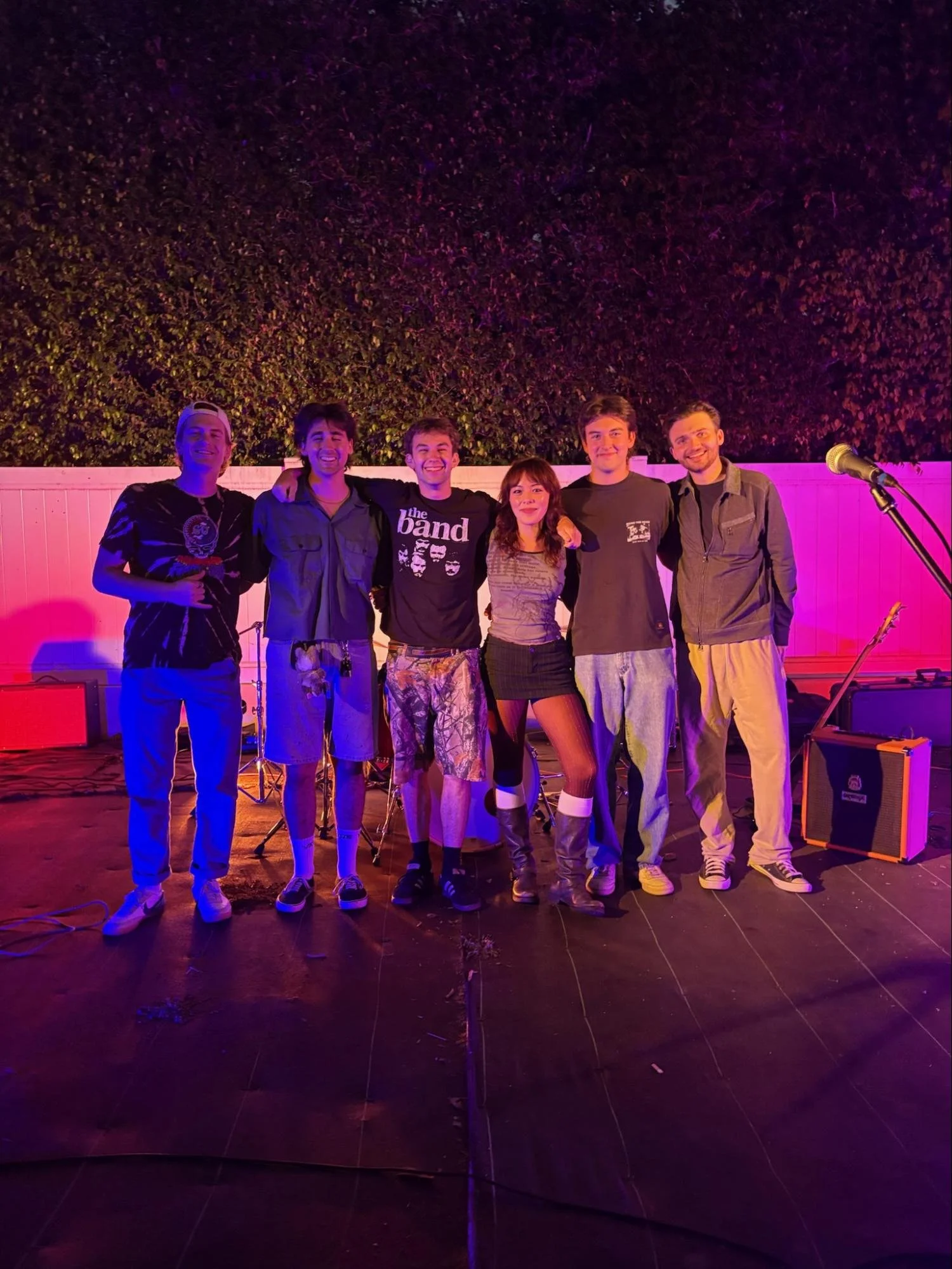
shangri-LA
CONTACTS:
shangri-LA: linktr.ee/shangriLAAA
PHOTOGRAPHY:
Hank Leahy: hankleahyphoto@gmail.com
Reece Cartee: reececarteemedia.weebly.com
Mia Rivers: sevenstarsphoto.mypixieset.com
Tara Sugavanam: Instagram - @tarasugavanam