
Food Stamps Face Unprecedented Changes This Fall. How Can Americans Help?
By Julia King
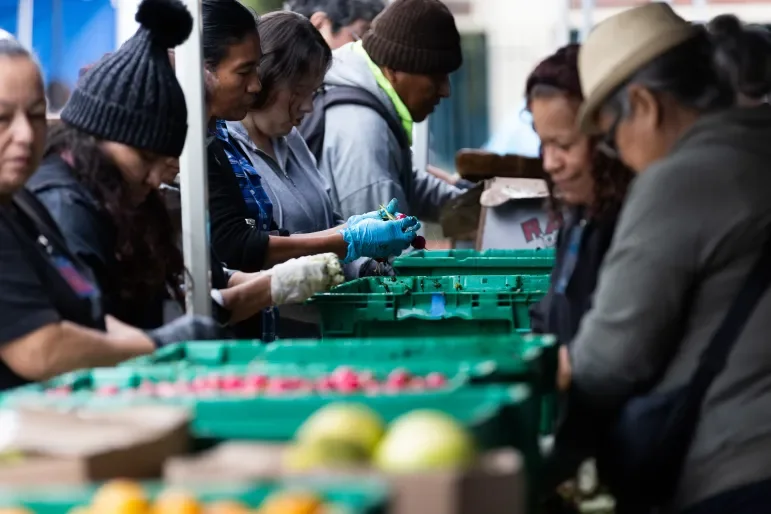
Julie Leopo | Voice of OC
In just over a year since President Donald Trump signed Republicans’ One Big Beautiful Bill Act (OBBBA) into law, the legislation has left a wake of economic vulnerability and instability — exactly as anticipated. Amidst the increasing cost of living and troubling job market, Americans have witnessed basic needs programs lose funding or shutter their doors entirely. While each loss manifests differently across regions and demographics, one program’s obstacles have grown alarmingly pertinent nationwide — and face a greater challenge in this next season.
Since last July, the Supplemental Nutrition Assistance Program (SNAP), also known as food stamps, has seen a rapid decline in participation. This decline can be attributed to a variety of changes, which states began implementing at the beginning of this year.
One glaring change now requires participants to prove they work, volunteer, or participate in job training for at least 80 hours a month. This requirement encompasses the diverse array of individuals who receive SNAP, including veterans, foster youth, homeless individuals, parents of older teens, and older able-bodied adults without dependents. According to the Congressional Budget Office, this alone could reduce SNAP participation by over two million people over the 2025-2034 period.
Even within the past months, the losses are apparent. The Center on Budget and Policy Priorities (CBPP) estimates that SNAP participation nationwide fell by more than 4.5 million people between July 2025 and April 2026. Some states have faced particularly hard hits — in Arizona, SNAP participation declined 55% within the same timeframe.
However, one of OBBBA’s greatest consequences is only on the horizon. Starting in October, the federal government will only pay 25% of administrative expenses to support these programs, while states will be responsible for 75% of operational expenses. Previously, the federal government and states split costs 50/50. Furthermore, in 2027, states will need to contribute if their error rate — a measurement of overpayments and underpayments — is at or above 6%. This could double or triple the costs states incur to support these programs.
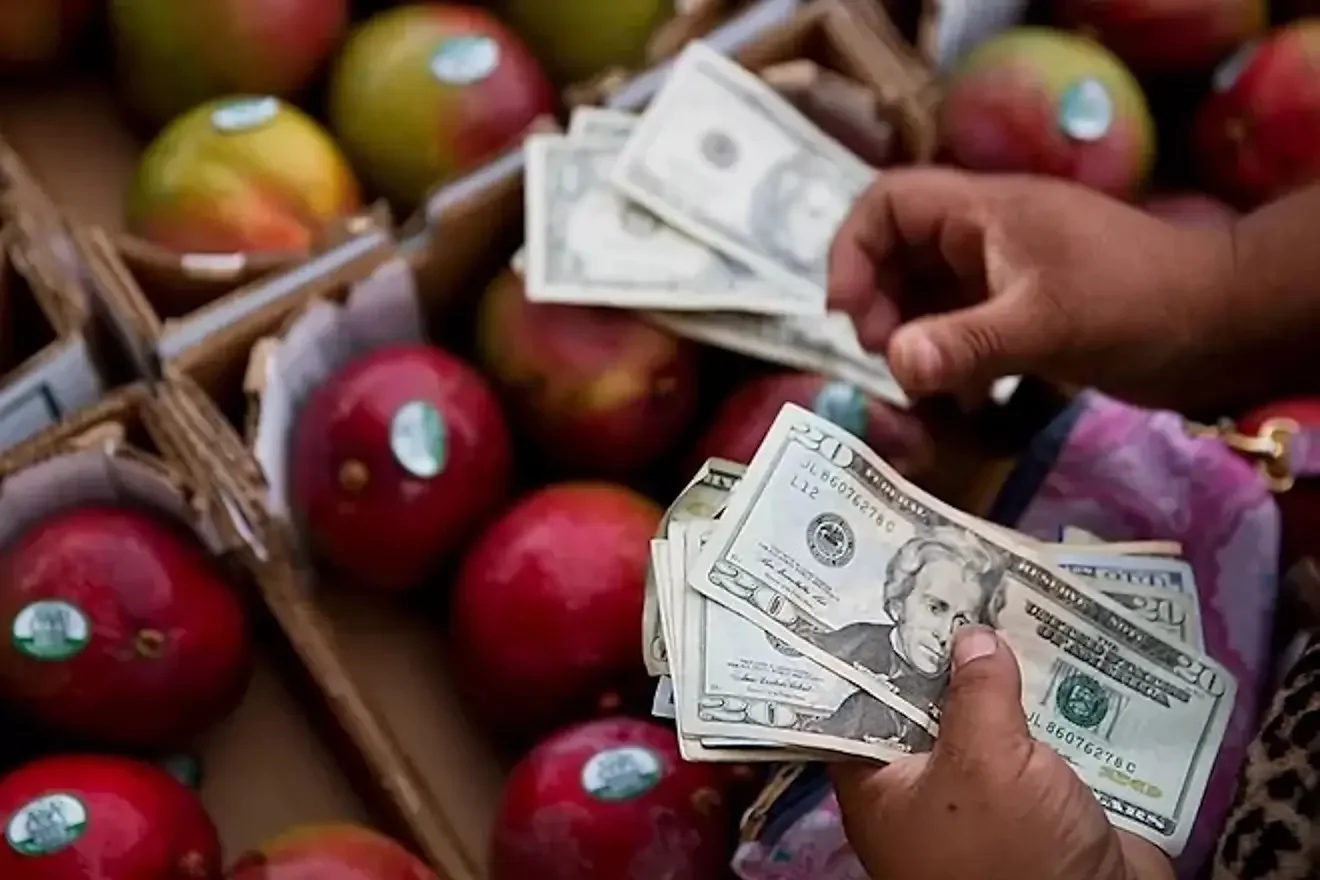
Food Stamps for College Students
Concerns over SNAP feed into larger discourse on affordability and cost of living, two issues prevailing as voters head into the 2026 midterm elections. Although low-income voters have not exhibited strong turnout in midterm elections, economic issues are universal drivers to the polls — the cut to food assistance programs only compounds existing frustration nationwide.
These changes to SNAP are a national emergency, and should be treated as such. Any action to delay or reverse the impacts has to be executed on a federal level. Yet, as with most major issues, Americans have the ability to make individual contributions to their community.
Donate
Donating to food banks,, either financially or with physical goods, is a simple way to support those who lost SNAP benefits (community food groups help anyone regardless of government assistance status). Organizations such as Feeding America have nationwide food bank networks, allowing individuals to contribute to multiple locations at once.
On a local level, one can provide goods in-person. Many food pantries accept donations in a variety of ways — including walk-up drop-offs, donation boxes, or food drives. Most networks, such as the Los Angeles Regional Food Bank, have easily accessible directories to help locate donation centers nearby.
Volunteer
Volunteering helps keep food banks efficient and operational, which, naturally, is more important than ever. Traditionally, food bank volunteers box and sort donations (though the physical demand can depend on one’s own capabilities); a typically low-lift experience that is accessible to almost everyone. Additionally, most food banks allow volunteers to register online, so getting involved is uncomplicated.
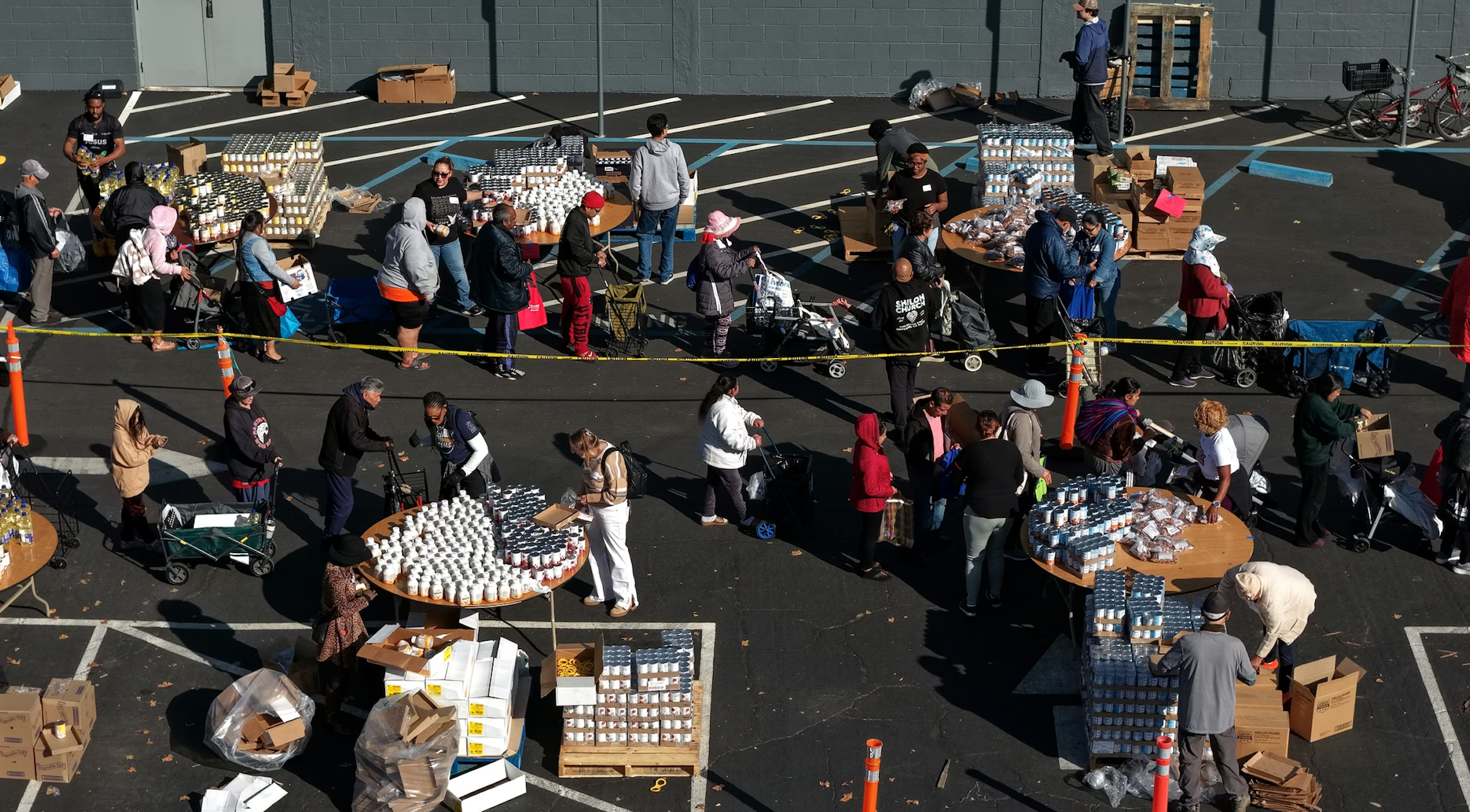
Justin Sullivan | Getty
Vote
While seemingly the most indirect, voting for candidates who support government assistance programs, including SNAP, can have an immense impact in the coming years. Food stamps have been a point of heated debate since their conception, and SNAP recipients are often caught in the crossfire of political contention among Congress. Opinion on this issue is traditionally deeply divided along party lines — if Democrats were to win the Senate in the upcoming midterms, it could provide one (gradual) step closer to repealing or amending some of the policies enacted by OBBBA (acknowledging, yes, they would face major pushback from Congressional Republicans and the president himself).
Voters can determine whether their state’s candidates support SNAP by visiting the candidate’s website (specific stances can be found under “issues”) or referencing their voter guides.