The Other Side of the Internet: The Manosphere
By Sarah Bluett
One of the quickest ways to bond online is through pictures, shared experiences, language, and cultural references. My feed spans across queer culture, popularized trends from TikTok comedians, and social commentary about wars happening; there’s an equally strong current pushing content towards a different audience–young men.
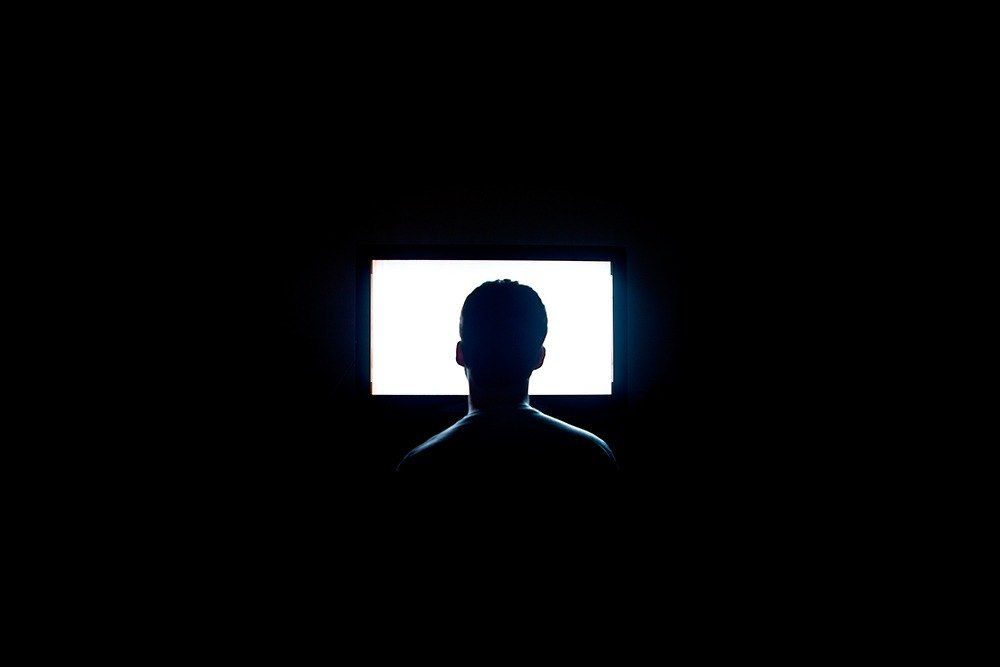
I understand firsthand how dangerous it is to be confined to a single narrative about the state of the world. I was once on the side of the internet filled with Fox News, religious podcasts, and social groups that reinforced each other’s conservative beliefs. But how has the rise of social media, a creator-based economy, and extremism created today’s other side of the internet?
There’s an entire glossary behind the successor of incel culture, now dubbed the “manosphere.” UN Women describes it as “an umbrella term for communities that promote harmful definitions of masculinity.” Furthermore, it poses as a form of community or “self-help”, but instead promotes “ideas of harsh self-discipline, emotional control and physical dominance over others, especially women and girls.” At first, I felt overwhelmed by the number of terms used within the manosphere when I read through the UN Women’s manosphere glossary. The terms are acronyms and phrases that sound either random or concerning, and reading through what they actually mean is where this story unfolds.
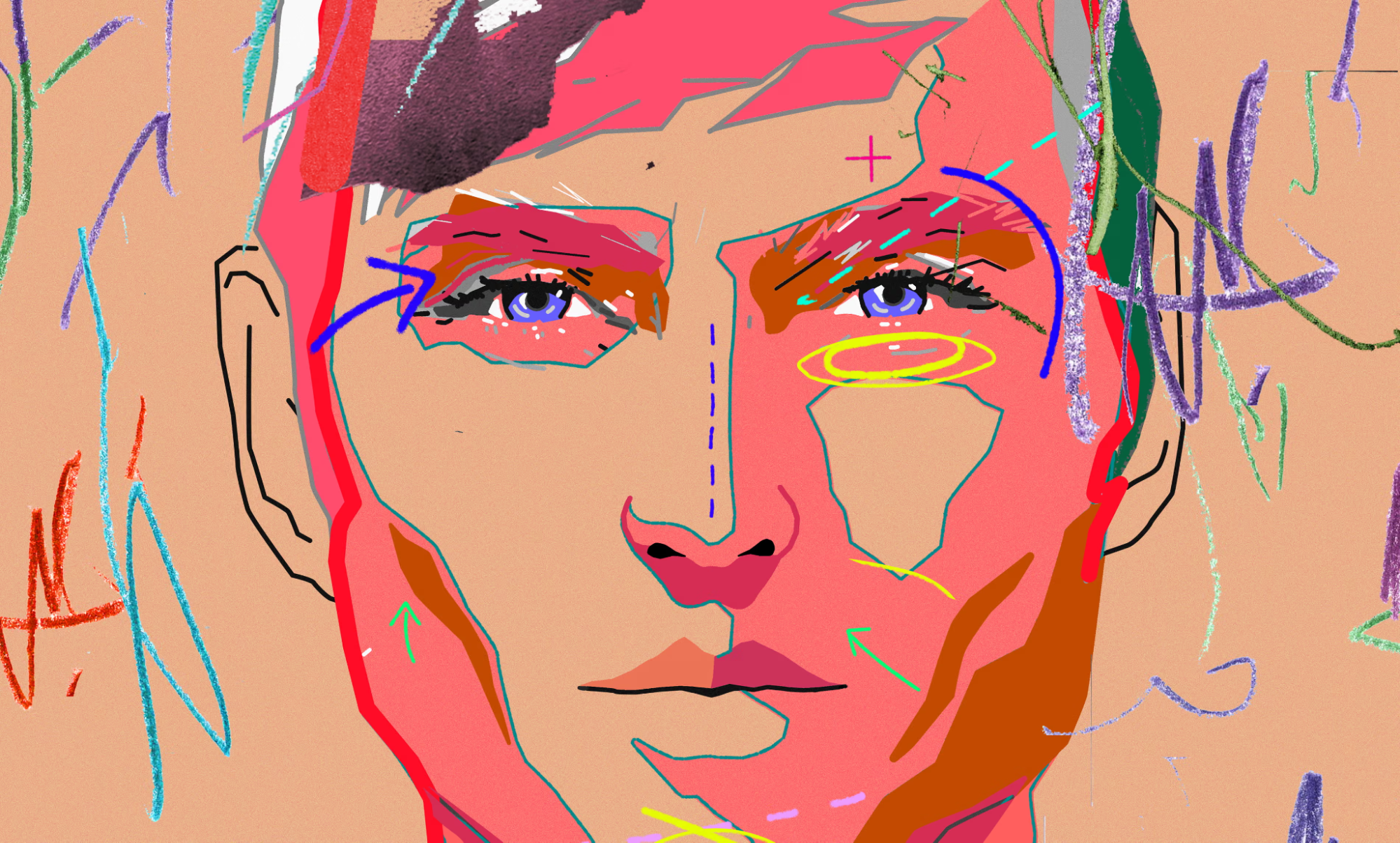
Paddy Mills at Synergy | The Guardian
I highly recommend you read through the glossary and familiarize yourself with it if you haven’t already come across things like red pill/blue pill, looksmaxxing, PUA community, or beta males. A lot of these words have made their way into millennial and Gen Z slang. The words themselves don’t carry the full meaning, but the beliefs behind them and virtue signaling certainly do.
Extremism exists in all forms, but the manosphere drives a digital ecosystem that is fueled by insecurity, misogyny, and a pyramid-like scheme to sell a lie. In fact, an article in WIRED highlights that this movement is financially exploitative in addition to its misogyny. While money, community, and shared resentment against women are largely to blame, we still can’t ignore how social media enables these behaviors. We are trapped in our own algorithms, determined by our clicks, spending habits, and interests, which only become further “spheres” in our daily content consumption. The algorithm benefits from the tastemaking you provide through likes, engagement, and search history. The true danger is the platforms, algorithms, and gender based violence as a whole, not YouTubers charging subscriptions or even TikTokers promoting their latest outfit haul. We all fall victim to the siloed nature of our online communities.
I’m quick to jump into my usual narrative of how harmful it is to young audiences, but in some ways, my “side” of the internet can feel just as fraudulent. Instagram models and celebrities endorsing extreme levels of skinny, trad wife culture, and a level of beauty treatments that cost more than a month’s worth of rent for one month of “maintenance”? While there’s less innate damage to women and people as a whole, the algorithm doesn’t discriminate based on gender; we are all being fed similar messages of male domination, looksmaxxing, and capitalistic behaviors on all sides of the internet. But why does the manosphere feel different?
Violence against women is often defined as physical harm, but emotional, psychological, and mental harm against women and girls through social media can be just as damaging. Women should be thin, strive for stability, and protect themselves from men. Meanwhile, men are often taught to believe in a higher version of themselves that can be achieved through status, hard work, and gender based valor.
I spoke with some friends about this piece I wanted to write, and someone recommended I watch the Netflix documentary Louis Theroux: Inside the Manosphere. As Georgia Lala writes for the Global Network on Extremism & Technology, “The documentary makes clear that, at times, engagement and platform financial incentives seem to dictate the direction of the manosphere movement, rather than a strict adherence to a central ideology.” This aligns with my earlier feelings about ragebaiting and how deep the algorithm’s claws are in streaming culture too. Another point the article makes about the manosphere is how to incentivize pro-social changes on platforms and shift financial incentives to create less financial gain from extremist content.
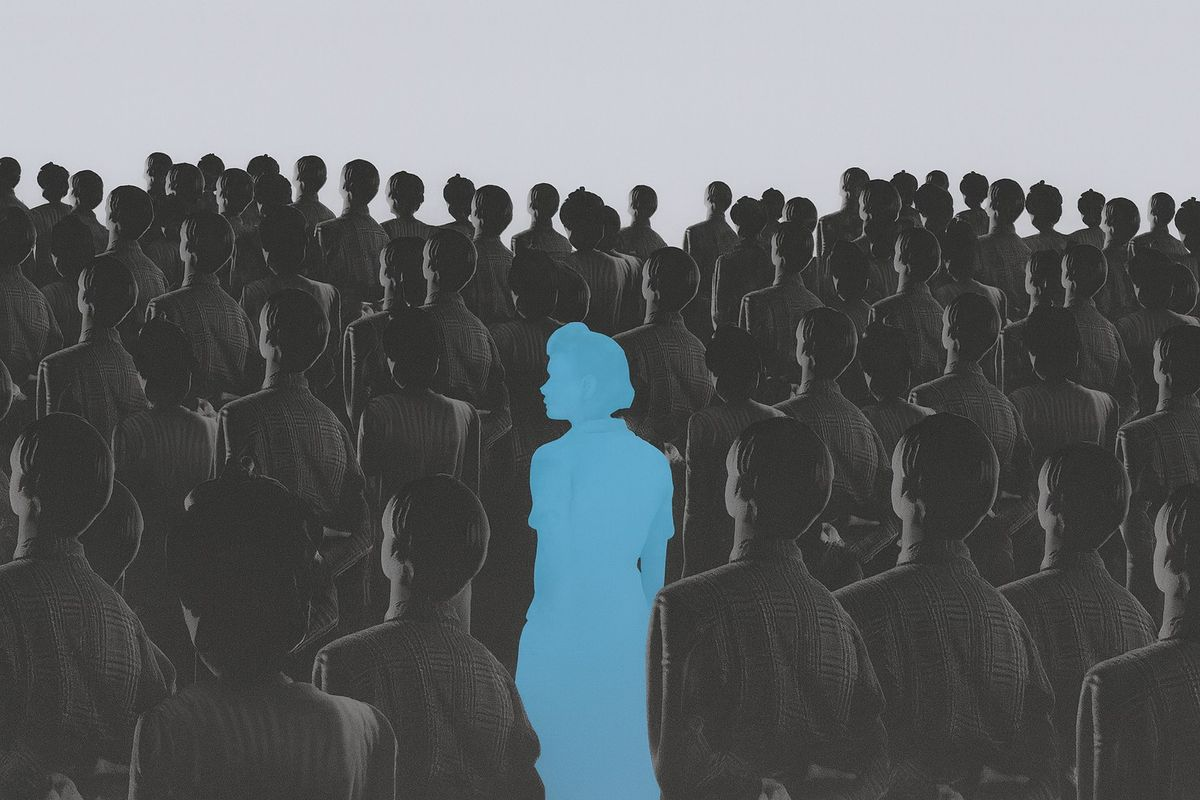
For me, the concept of the manosphere was largely foreign, a side of the internet I wasn’t on. So many people like myself are not as familiar with the pressure on men and young boys and how easy it is for them to be targeted as an audience based on their gender and age. Our responsibility is to make sure we don’t turn a blind eye to what’s happening on other people’s feeds just because it doesn’t align with our beliefs. In fact, it’s a responsibility I believe we have, especially if we want to see any change in the next generation’s overall success and well-being.