By Iris Vaughn
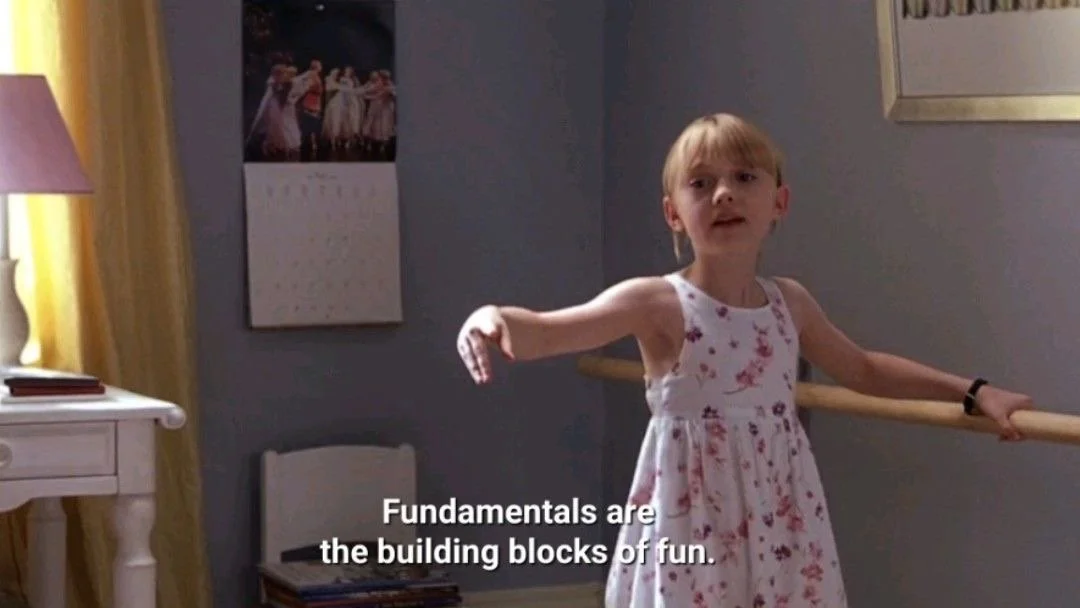
Uptown Girls (2003)
Fashion weeks have come to an end, and the verdict is in: fashion is fun again.
After years of uninspiring shows paired with conversations about trad wives and office sirens, the runway has regained its life and color.
Community get-togethers, house parties, personal style, and the vintage boom have brought back an energy that was lost in previous years. So, if fashion is just a reflection of the current zeitgeist, that would mean fashion is fun again because we are.
The '90s obsession and clean girl aesthetic are alive and well, but another culture is afoot: self-expression. The 2020s have made it blatantly clear how damaging social media can be and how scarily fast fashion fads come in and out of style. Fashion has been bright, funky, and unique, but none of these styles has stuck because they were outrageous and obscenely low quality. Hopping on the bandwagon has grown tiresome, and consumers have remained unsatisfied until recent years, when they began discovering something far more substantial.
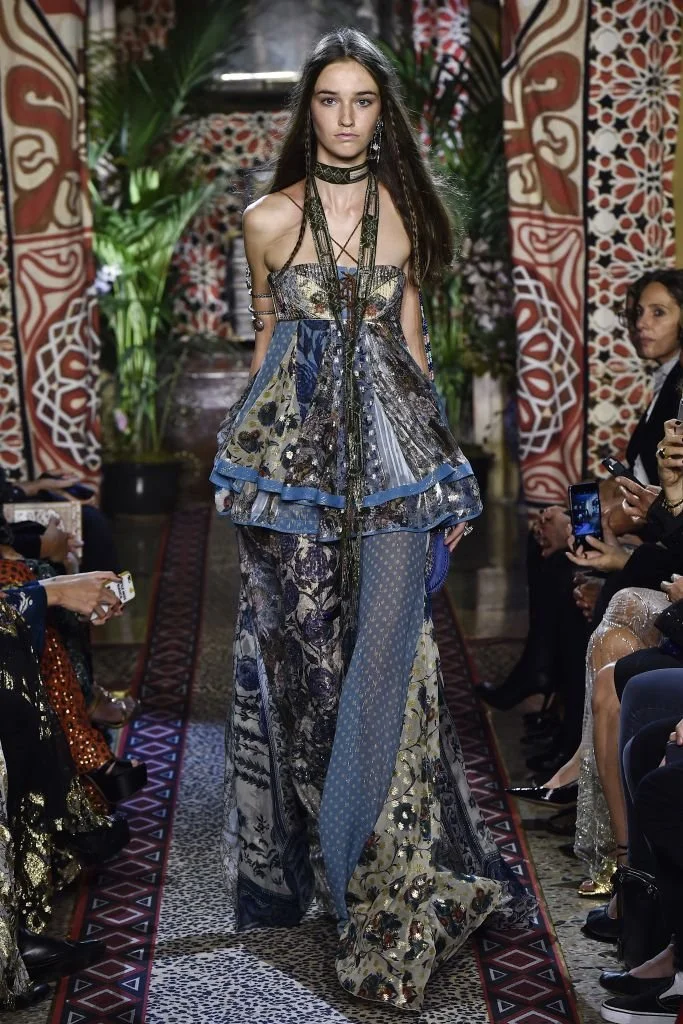
Sourced through Pinterest.
People want more than fashion, but style that feels personal and resonates with who they are. Finding one-of-a-kind pieces, unique ways to style, and clothes that have a story is about aesthetics just as much as it is about curating an experience. Thrifting and vintage have brought to consumers' attention that fashion used to have something that today's clothes don't: fun, creativity, originality, and craftsmanship.
Fashion should be playful and deeply personal instead of boxed in by aesthetics and trends. Or, as Ray from Uptown Girls would put it, “Fundamentals are the building blocks of fun.”
The fashion industry, in many ways, has turned into an unfeeling machine, and both products and consumers have been the cogs. The fundamentals of fashion have been completely lost to consumerism, with fashion diminished to the purely visual.
Over the past decade, these tensions in the industry have been brought to center stage. Brands have been called out for cultural appropriation and stealing from smaller artists who created something from the heart (which they clearly lacked). Vintage and thrift have showcased the disintegrating quality of our clothes, and nostalgia has been a continuous buzzword and marketing tactic thrown at the wall, hoping to stick.
These issues aren't fully resolved, but brands are becoming more aware that consumers are no longer responding to nostalgia-driven marketing and trend cycles that prioritize appearance over substance. Consumers, now more than ever, are interested in the sentiment, purpose, and what clothes say beyond how they look.
Fashion is cultural communication, and words get muffled by visual fluff and polyester. Fun needs to be rooted in something.
There is a collective interest in fashion history, archival pieces, G.L.A.M. spaces, and understanding that fashion is political and holds significance. Craftsmanship and attention to detail show care in an industry that recently has felt sloppy, boring, and uninterested.
Caring is cool, and fashion needs fundamentals to be fun. For far too long, brands have been riding on nostalgia's coattails, bringing back old styles without the quality and energy.
Fashion failed to capture the old look, but some succeeded this year in capturing the old feeling: fun.