Gov Ball 2026: A Love Letter to New York and Community
By Alivia Stonier
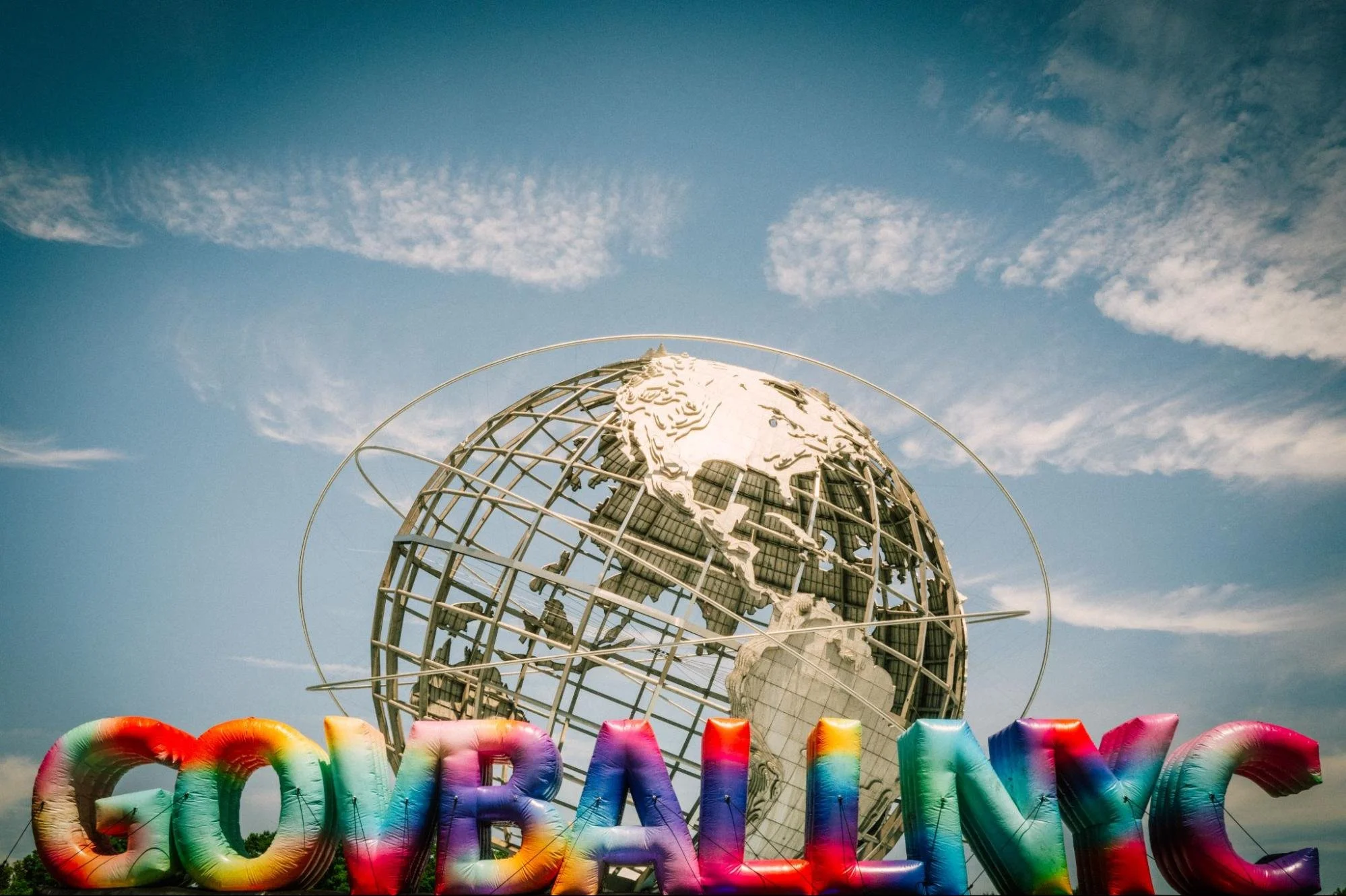
From June 5th to June 7th, New York City welcomed back Gov Ball for its 16th year. Ringing in the season, the festival brought in many acts that appealed across generations while also speaking to the local culture of New York at large, allowing it to become a celebration of the artists who found themselves performing in the very place that shaped them.
Credit: Rich Fury | Courtesy of The Governors Ball
Day One – June 5th
Fans spanning musical interests and ages filled the festival grounds, ready to take on the day despite the heat wave spreading across the park. From families bringing their children to see KATSEYE to Gen Z childhoods being represented by the Monster High theme song spilling across the speakers, many people were able to find pieces of nostalgia woven throughout the day as Lorde headlined and performed songs from her teenage years to end the night.
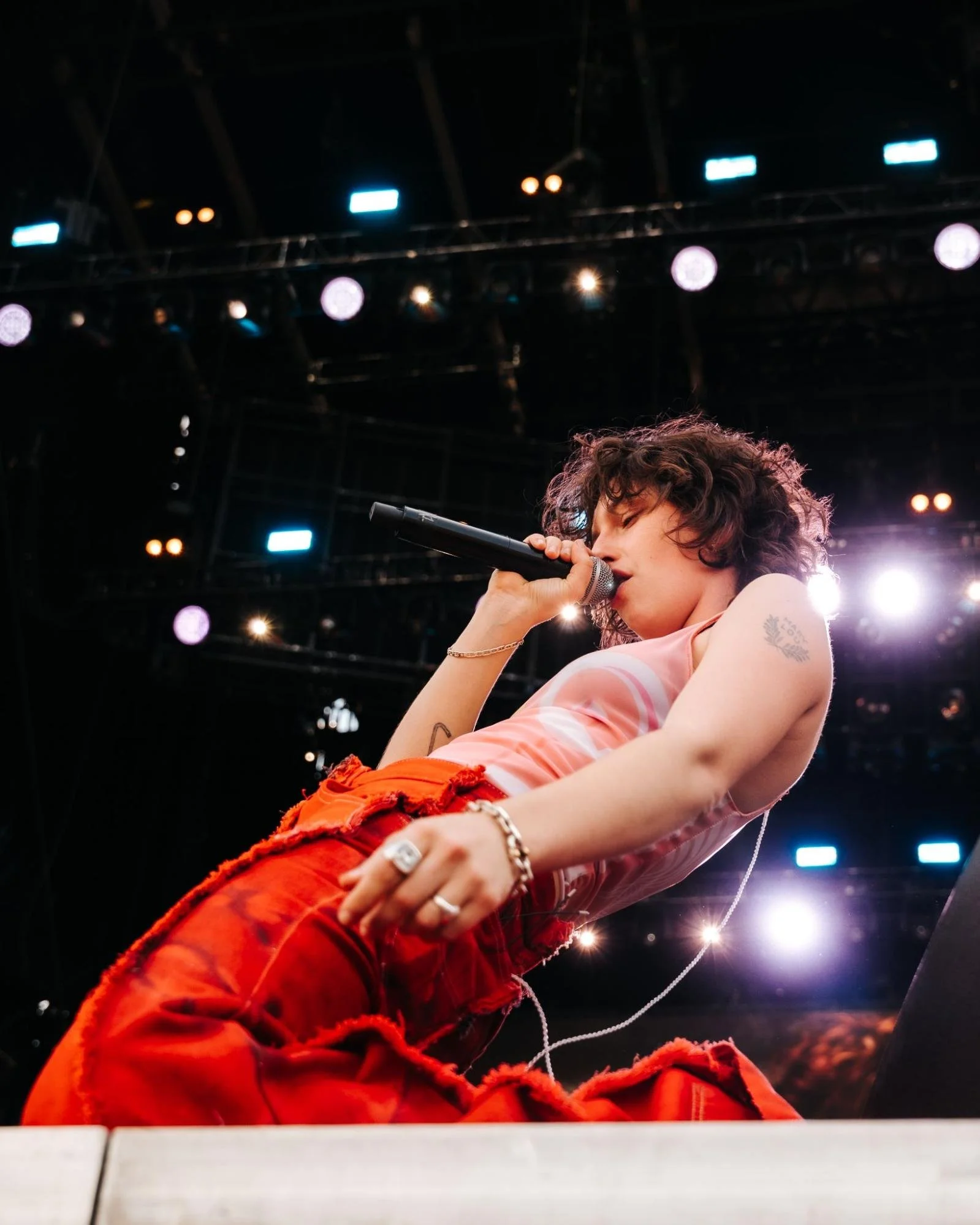
Before this, however, new moments were also being made, with acts like King Princess playing a song that has yet to be released while still reflecting on her own childhood, having attended the festival since she was 14 years old and grown up in the very city where she was now taking the stage. Part of what made Gov Ball feel so special this year was how many of the artists felt connected to New York itself. The Dares’ set carried a similar energy, feeling deeply tied to the chaos, freedom, and nightlife that New York is known for. Watching the crowd throw themselves into the music without worrying about how they looked felt representative of a city that has always encouraged people to embrace who they are. Even with artists like Baby Keem, there was a reminder of how important hip-hop remains to New York’s identity and the ways music continues to evolve while still honoring the cultures that built it.
Credit: Anna Downs| Courtesy of The Governors Ball
In the month of June, this felt not only like a kickoff to summer but also like a celebration of queer identity, as LGBTQ+ fans were able to comfortably wave the pride flag and embrace their identity in ways that feel especially important to cherish and highlight right now, given the political climate. The festival offered a space not only to feel safe but also to be celebrated, and this expanded across cultures as well, with the festival featuring K-pop artists more prominently than in previous years and hip-hop holding its place with Baby Keem and, across other days, artists like Khamari and A$AP Rocky.
The festival does an incredible job of blending musical tastes, with Pierce the Veil appearing later while also featuring softer acts like Del Water Gap. Both were highlights of the day in their own ways: former emo kids were able to find parts of their high school selves as they screamed the lyrics together, while Del Water Gap brought a newer kind of heartbreak to the stage. That said, it was not the only nostalgic act, with bands like Flipturn also adding to the feeling.
In a culture that has become so separated and intense, especially after the pandemic and the social anxiety that followed, it was really refreshing, as someone from later Gen Z, to experience The Dare’s set. It was the first time I had seen the kind of adolescence I felt had been promised across television screens, and my siblings’ teenage years came to life in a way I had not seen in a long time, as the crowd jumped around and allowed themselves to let loose, truly not caring what anybody else around them thought. In a time so defined by being wound tight and careful all of the time, that freedom felt rare.
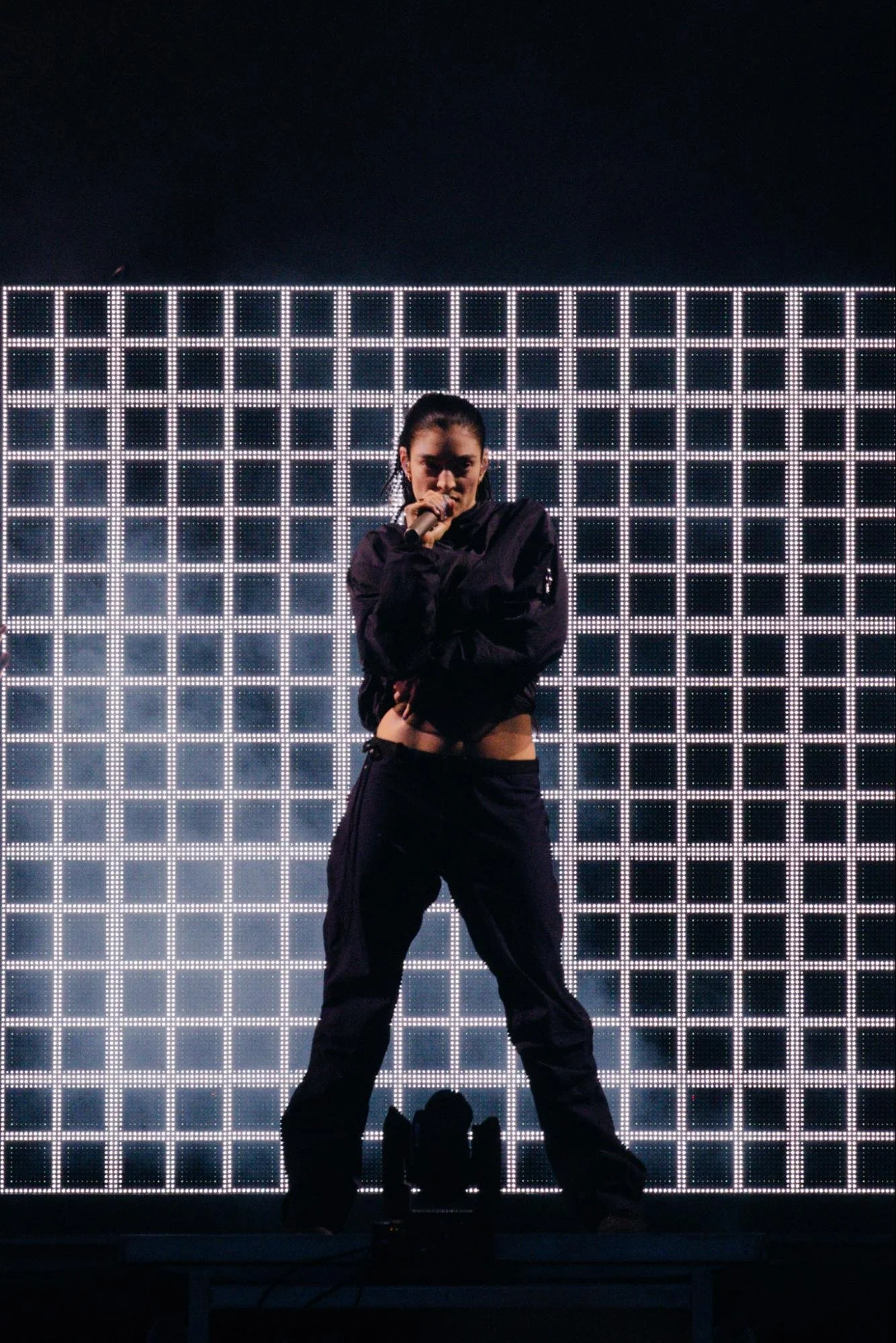
By the time Lorde closed the night, the crowd was the most packed I had seen it all day. Having prevailed through the New York heat, people lined up quickly across the entire festival to hear an artist who, for many, had followed them through different stages of their lives and grown alongside them through their speakers; at least, that is what it felt like to me.
Credit: Maggie London | Courtesy of The Governors Ball
Suddenly, live in front of me, I got to hear the very songs I had found myself in on nights spent crying in my bedroom, songs whose words I could finally scream out loud in a sea of people screaming them with me. There is something about that that feels like a release bigger than a crowd at a small venue can hold. Songs like “Buzzcut Season,” paired with the newer generation of Lorde’s music, are able to show not only her progression as a lyricist and artist but also as a person living and growing through the experiences captured in her music.
Overall, these artists were able to bring something to the stage that cannot quite be captured in the music alone: a new energy charged with the magic of the city and the way they chose to honor it, not only through visuals of a busy, bustling city but also through the same restless energy it carries, along with the loneliness that comes from being alone with your thoughts even when surrounded by people, and learning how to shape that into a place for community. Night one felt like a love letter to growing pains and a place to land and celebrate them.
Day Two – June 6th
The second day of the festival carried similarly unexpected weather, this time with severe thunderstorm conditions and rain. Despite this, festivalgoers remained resilient and continued to enjoy the day, expressing relief from the heavy heat they had been exposed to the day before.
But with these weather conditions came the difficult decision to cut two acts from the setlist: Kali Uchis, a beloved artist known not only for her solo work but also for her collaborations with artists like Tyler, the Creator., and Blood Orange. Despite the devastation many fans felt over these cancellations, the day was still deeply enjoyable.
With acts like Amyl and The Sniffers, Wisp, Radio Free Alice, and Jane Remover, the festival was able to highlight newer artists in the indie rock and DIY scene that have become staples of college radio. With that, Gen Z is cultivating a beautiful bridge between the old and the new, and how each individual represents the current musical climate we find ourselves in.
The biggest act of the night following the cancellations was Stray Kids, who packed the main festival stage. Another act that brought undeniable magnetic energy was Wet Leg, who are known for their unapologetic performance style and authenticity onstage, similar to many of the artists who had filled the day before.
What begins to click into place across the multiple days of the festival is not only how music continues to bring people together but also how it helps shape them into people who are comfortable enough to be who they are, both onstage and off. There is an unspoken language between the artist and their crowd as they feel each other’s energy and begin to open up in ways that exist only in those spaces, with the music serving as the starting point that unlocks this connection. What is so special about Gov Ball is that it allows this connection to happen on a wider scale, and we find ourselves in a time when we are in desperate need of community.
As Pierce the Veil highlighted the day before, music is something that keeps people alive and becomes its own separate language; these artists unlock something in people, no matter what their musical taste is.
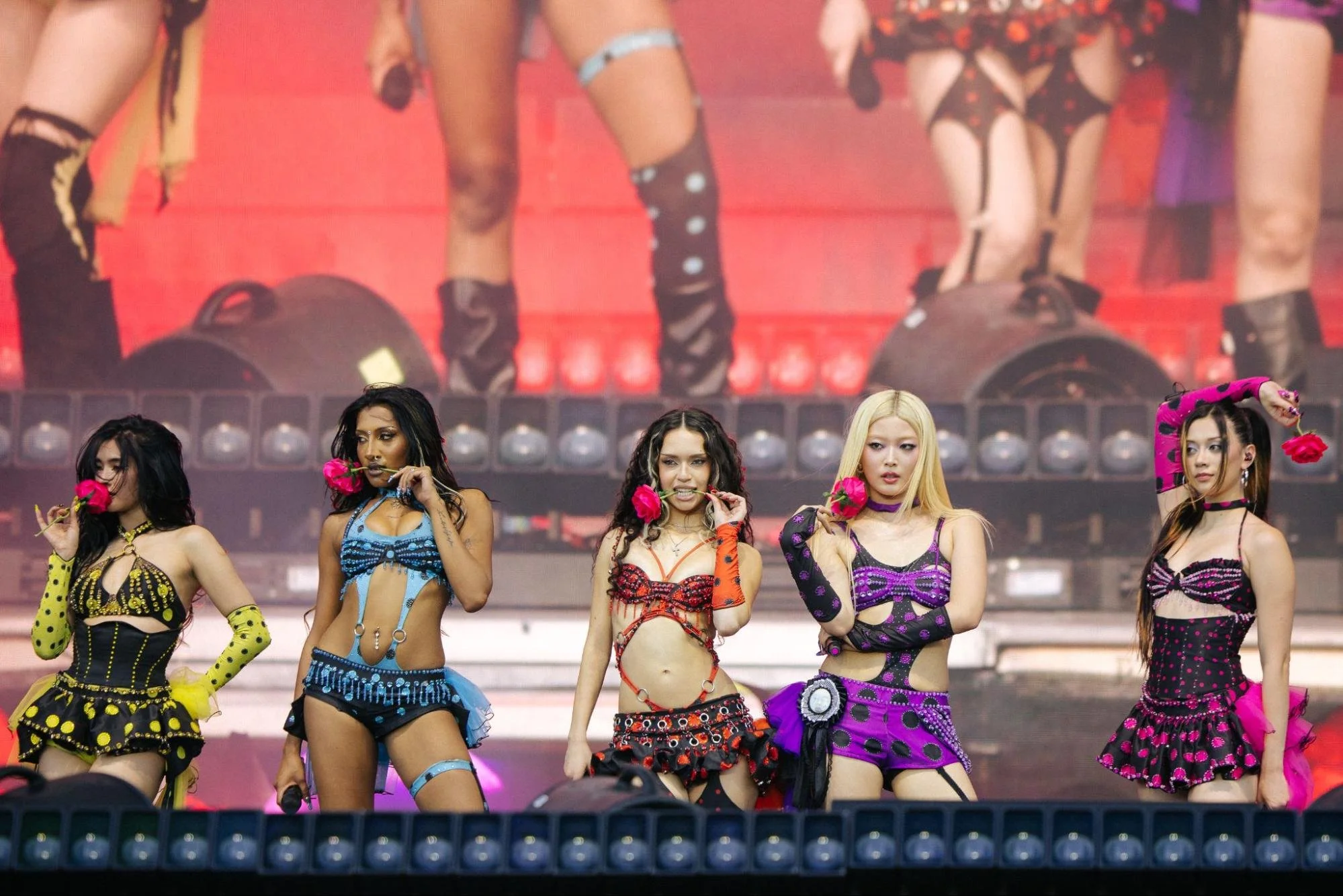
What was especially interesting about this year’s lineup was how it reflected the city not only through local artists but also through its diversity. Acts like KATSEYE and Stray Kids brought together fans from different backgrounds, cultures, and generations in a way that felt fitting for New York, a city built on people from all over the world finding themselves in the same place. Together, these artists represented different versions of New York: a city that is both nostalgic and forward-looking, crowded yet somehow personal. In many ways, the lineup itself became a reflection of the city surrounding it.
Credit; okaynicolita | Courtesy of The Governors Ball
Day Three – June 7th
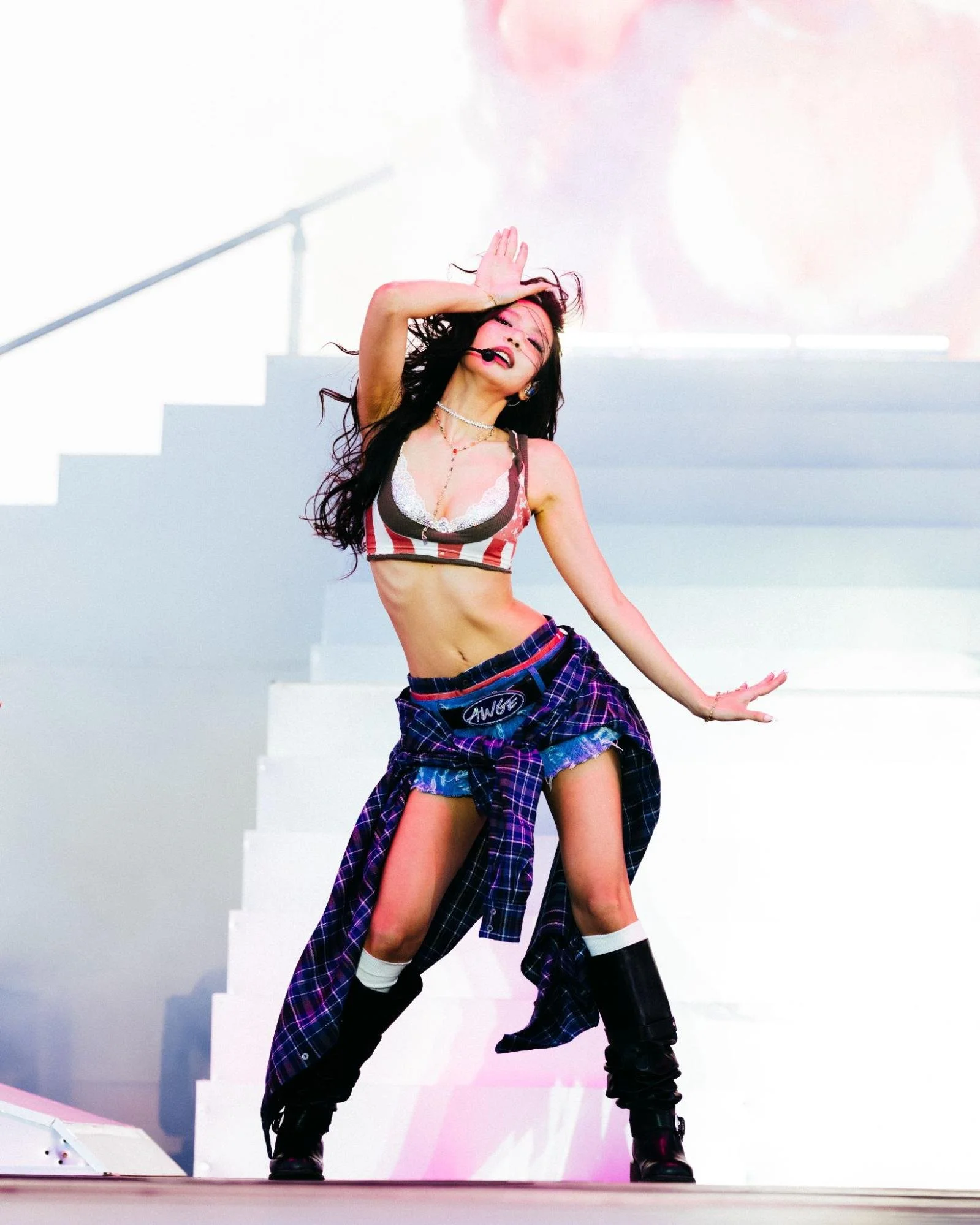
For the final day of the festival, which for many came too soon, some of the most anticipated artists took the stage, with A$AP Rocky and Jennie among the headliners. The lineup mirrored the previous days in the core sense of community it brought, blending pop, hip-hop, indie, and rock into an alluring final fusion.
Credit: Ismael Quintanilla | Courtesy of The Governors Ball
Much like the previous days, Gov Ball continued to prioritize artists whose fanbases have largely grown online and through college radio communities. In doing so, the festival highlighted where younger listeners are discovering music today, creating a lineup that felt reflective of the current moment rather than one solely reliant on established names.
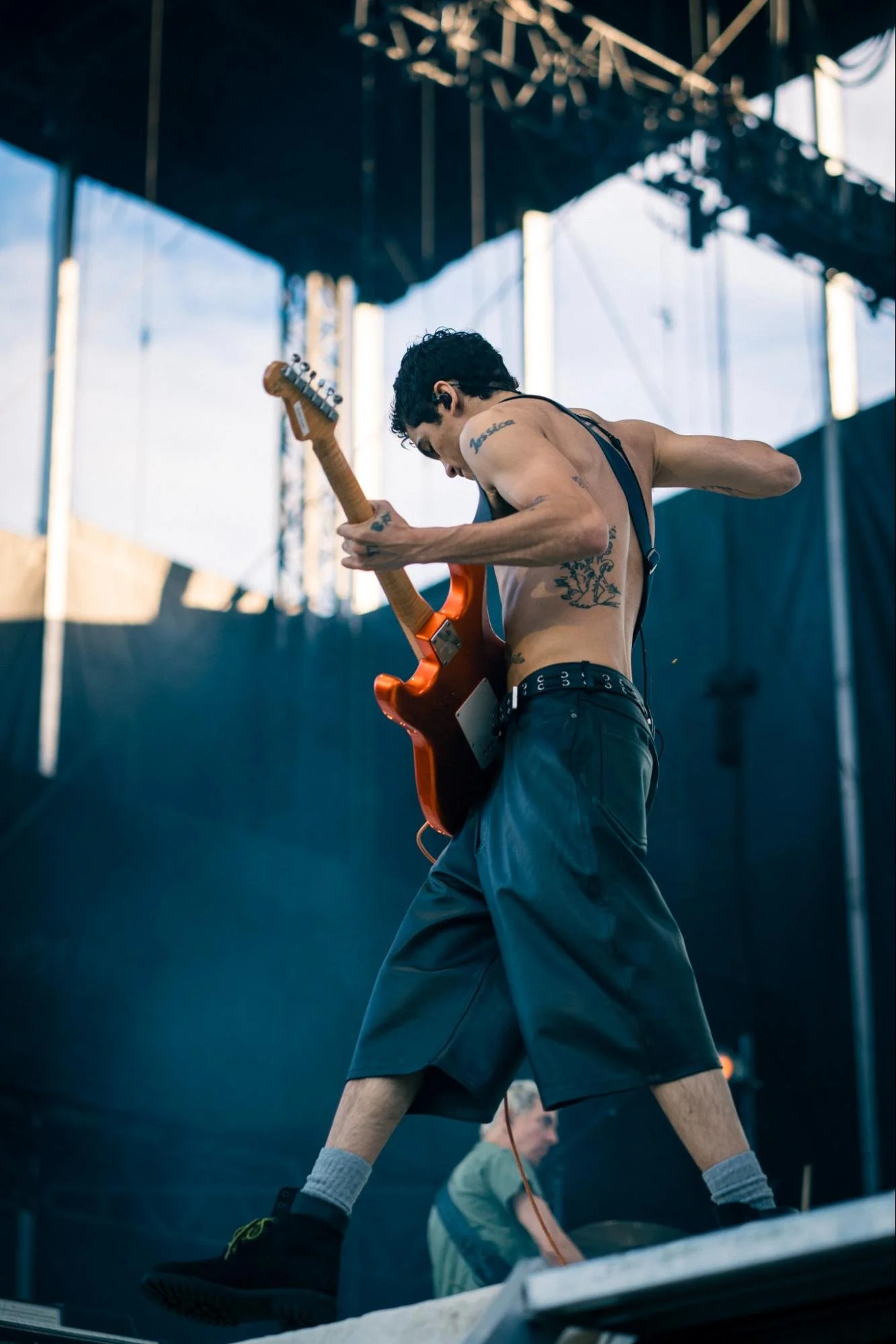
Artists like Dominic Fike played highly anticipated sets, especially with the recent resurgence of older hits like “Babydoll” among newer audiences. It goes back to this blending of new and old, as older songs are taking on new life and sharing a stage with newer artists like Fcukers and, of course, Between Friends—one of the other most highly anticipated bands of the night.
Credit: @ethevisionary | Courtesy of The Governors Ball
College radio was once again represented through artists like Rachel Chinouriri, Fcukers, Slayyyter, Hemlock Springs, and Hannah Jadagu—artists who are notably not afraid to be themselves and put that into the world, with Jadagu in particular being unapologetically open in her lyricism. The lineup for the night allowed for moments of heartbreak and introspection while also blending in partying and whimsy. The event in New York truly offers a culmination of aesthetics and styles that you genuinely will not find in many other spaces.
Outside of just the music, the festival was also able to offer many other unforgettable experiences, including a garden for those who like to partake in weed, with beverages offered on-site, as well as clothing tents with Depop and a Glam Bar, ensuring that people were able to feel confident on the days they were making memories they would later hold onto.
The festival also offers aesthetically pleasing spaces, carefully blending the reality of living in a culture dominated by social media with opportunities to step away from our devices and form real connections through the people onstage. Overall, the festival aimed to offer a space that was both safe and inclusive while also giving attendees something they might not typically get from an everyday show, and in all of these aspects, it truly delivered.
Many people came from far outside NYC, proving that the festival’s reach extends much farther than the East Coast, with people traveling from as far as Chicago to experience the magic of Gov Ball. It is clear that, for many, it was worth the trouble despite the weather-related hiccups, as many of the performances were as full as the festival would allow.
Despite those long travels, the festival does something special by honoring the very grounds it takes place on and giving people a piece of New York City to carry home with them. It is not only a special moment for newcomers to the city but also allows many of the artists to celebrate the spaces they have called home at one point or another.
This is what allows the festival to truly feel like home ground, aiming to celebrate the culture that has grown within such a wide, bustling city as it continues to look toward future years and the impact it hopes to make on future attendees.