
Graduation Is a Performance. How Can We Make It Feel More Real?
By Julia King
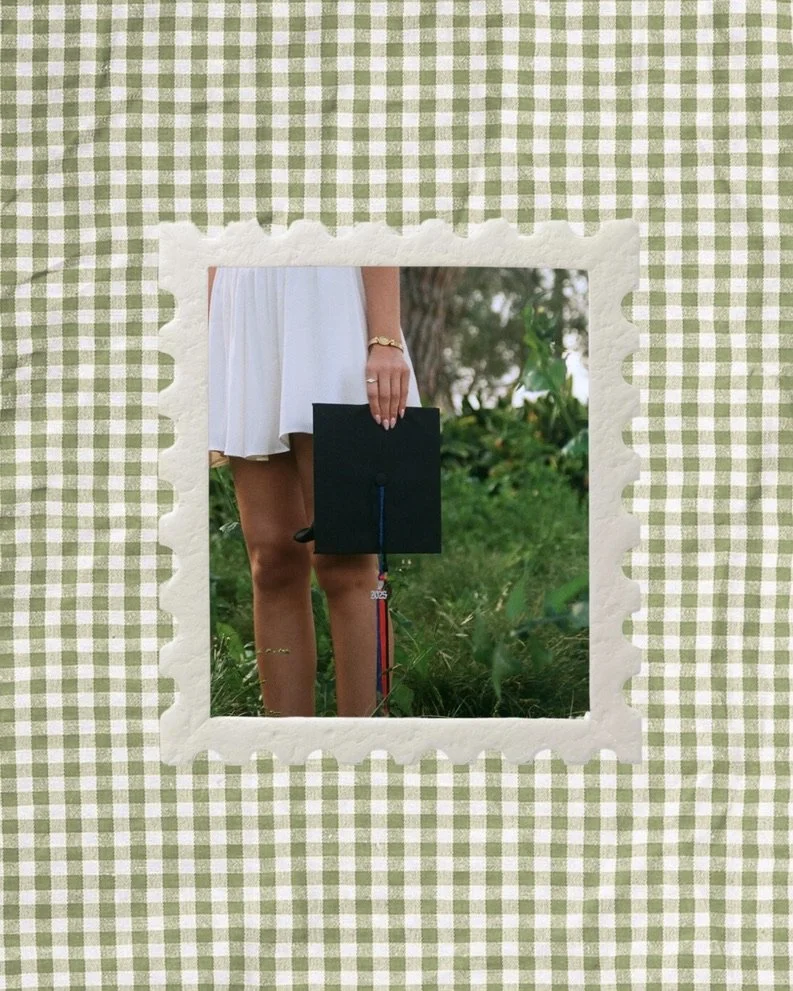
Images Courtesy of Katie McClave; Graphic by Julia King.
The spring before college graduation, you experience an amalgam of anticipation and uncertainty unique to those on the brink of a new life. Every decision feels infused with opportunity, yet simultaneously permanent. Graduation is the default table topic, steering conversations towards excitement, fear, and nostalgia in just one sitting.
A year ago, I was preparing for the same ritual. I spent countless hours over my last semester — perhaps better used on my capstone project or job hunt — coordinating the perfect white dress, graduation shoot, day-of itinerary, etcetera. I pondered which photos to post after the ceremony; how I could cleverly express my perspective in just a few words. I craved a public, yet seemingly organic, expression that I truly made the most of my college years, while maintaining a confidence in my (still unknown) future ahead.
Graduation came and went. It didn’t take me long to realize I never prepared for graduation all along — merely a performance.
The intense curation of my graduation’s optics blinded me from really processing what graduation was. I treated it as something happening to me, not as a culmination of my intellectual development and hard work.
Every spring, this same cycle manifests across campuses and the online world.* This hyperfocus on more trivial details can distract students from genuinely celebrating their own accomplishments, and potentially compound their anxiety regarding the whole season.
*The experience varies, of course — many students don’t have enough disposable funds to buy a whole new outfit for one day, or take professional photos, or participate in additional facets now deemed the norm.
Thus, for my 2026 grads, I wanted to share a few humble suggestions to make this season feel less surreal and more tangible. (And congrats!)
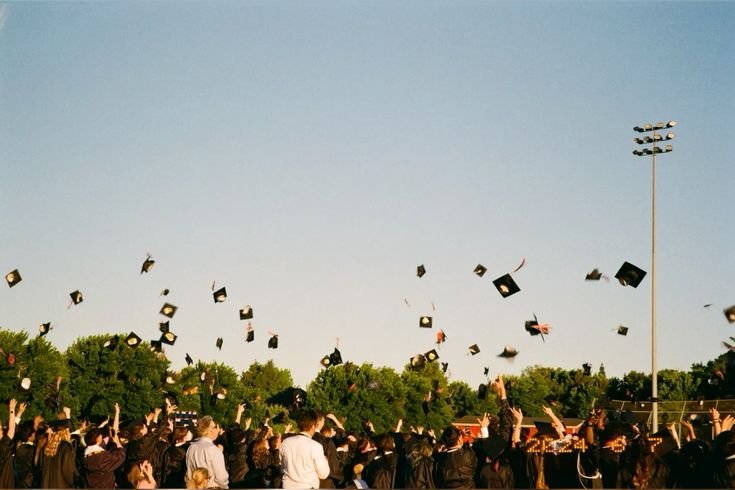
Courtesy of @qotldnjs on Pinterest.
Document (Sans Phones)
Between family, classmates, campus photographers, etc., that five seconds in which you walk across the stage is sure to be captured. But I’ve found that what really transports me back to my graduation are the physical items I collected throughout the day.
Anything tangible, especially something dated, serves as a unique reminder. You can have 1,000 shots of throwing your cap to the sky, but you only have one tassel, or one brochure, or one pressed flower from your lei. Make these things visible — pin them to your wall, hang them on your doorknob, include them in a collage. Make it something you can happen upon on your everyday, and enjoy a brief moment to acknowledge your own accomplishment.
(And though it’s been said already — display your diploma! Whether it’s a bachelor’s or a doctorate, it deserves to be witnessed.)
Allow Yourself to Feel (and Question) Your Emotions
On graduation day, I internalized the majority of my emotions. If I let my thoughts of anxiety, pressure, and simultaneous relief actually translate into my behavior, I risked a serious breakdown in the middle of the ceremony.
That said, I wish I felt freer to engage my feelings and express them without inhibition. I wish I had embraced the gratification and honor associated with earning a degree, and the heartache of transitioning away from a chapter you loved — it would help make the day feel more like an experience, rather than an occurrence I happened to be a part of.
In the same vein, it’s valid not to feel the communal excitement or sadness if it doesn’t apply to your experience. As someone who finished my degree in three years, there were many moments I didn’t feel part of my graduating class’ “community,” and had to acknowledge when I didn’t feel such a strong attachment to certain dates, places, or even my graduating peers.
Regardless of which end of the spectrum you fall on, being honest about your own emotions will certainly make you more present through grad season — and presents a healthy jumping off point once the post-grad existential crisis begins.
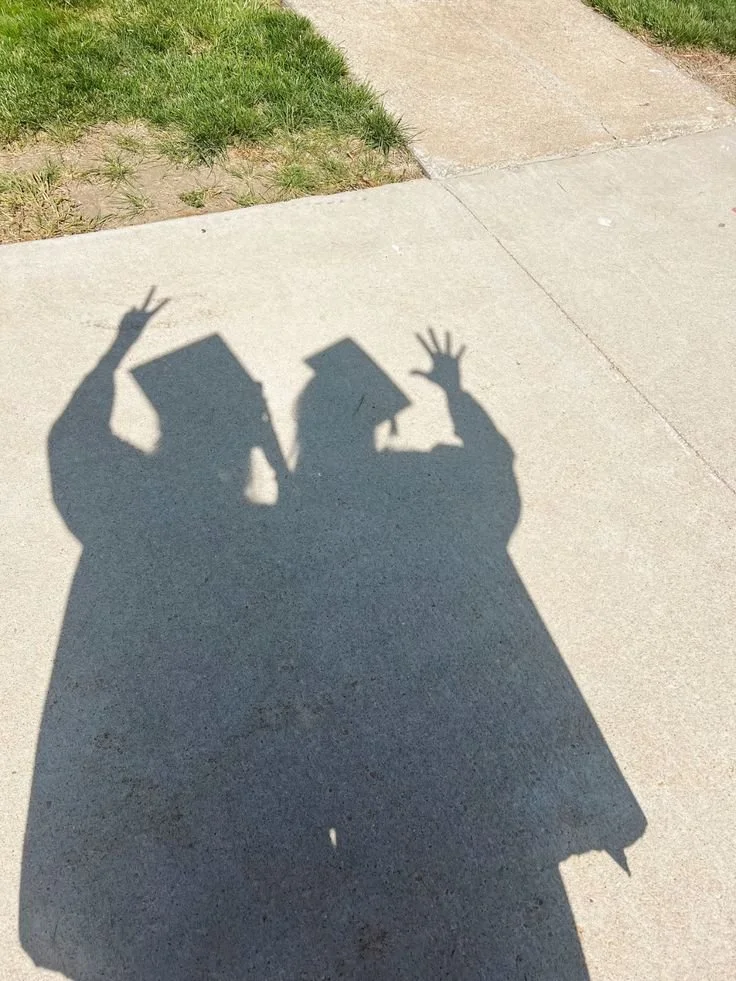
Sourced Through Pinterest.
Reflect (Intentionally)
During grad season, you talk so much about the event itself, yet there few moments you can sit down and reflect on it purely in your own company. It is crucial you carve out these moments, put pen to paper, and document how you’re feeling. Not only the things you share in the context of conversation etiquette, but also your greatest fears, anxieties, or possibilities heading into this new phase of life.
Leading up to graduation, I journaled more often than usual. After a long day of class or particularly hectic week, journaling could feel mentally taxing — but now, I’m grateful I can look back and pinpoint how I was feeling in the moment, and recognize how much I’ve grown already.
Every senior in college realizes time really does fly, but these moments of reflection help ensure you don’t blink and miss it — and instead embrace the overwhelming sentiment of the season.