
How Gen Z is Redefining Patriotism
By Julia King
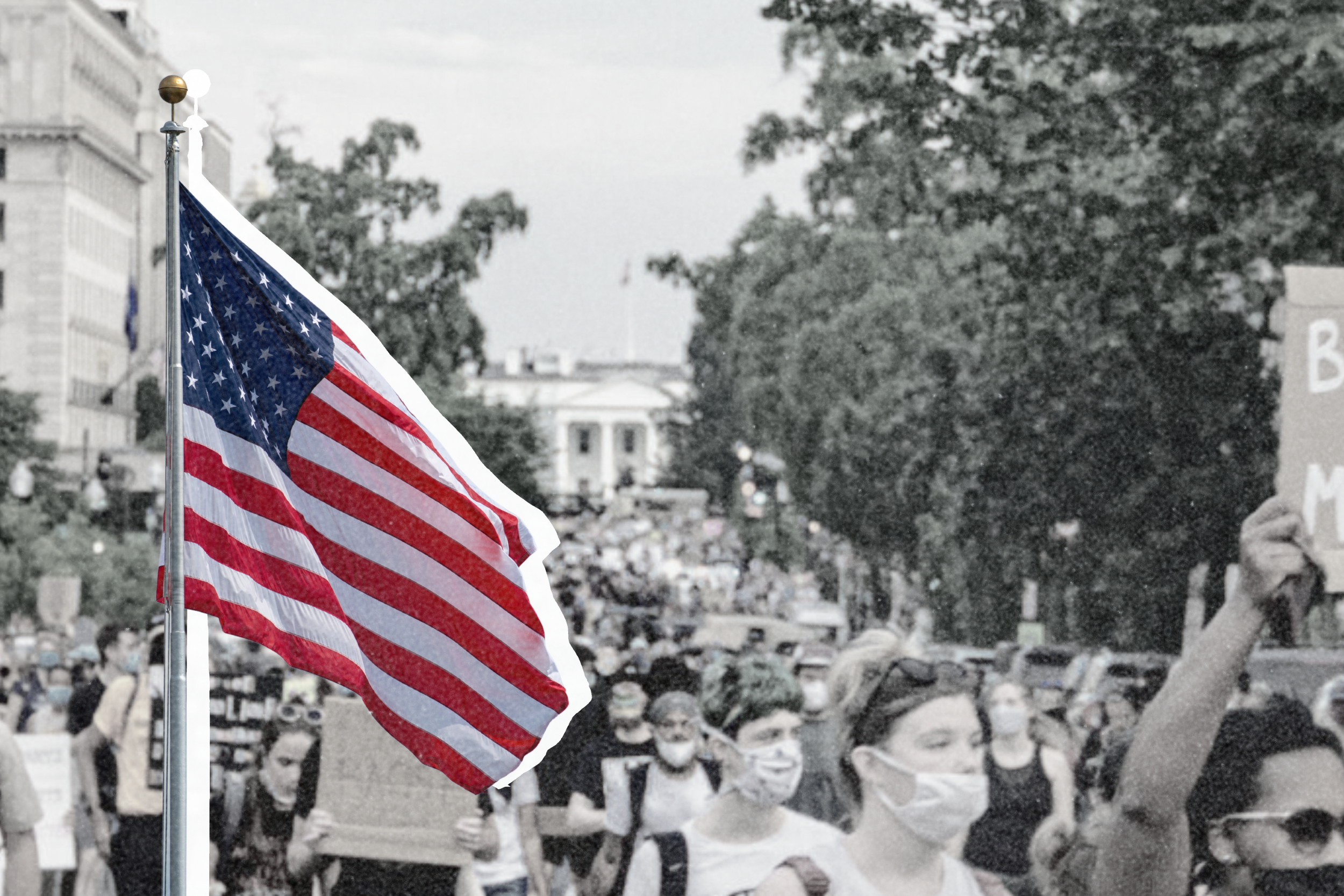
Photo Credit: Wikipedia Creative Commons | Graphic by Julia King.
Every July, as the buzz of summer settles in and Americans everywhere prepare for various displays of national pride, online spheres once again realize that young people nationwide lack the patriotism of previous generations. The inevitable wave of articles and think pieces ensues, elevating statistics and pondering the origins of this perceived despondency.
The numbers are there. A longstanding Gallup poll, which regularly resurfaces amidst discourse on modern-day patriotism, states that from 2021 to 2025, only 41% Gen Z individuals surveyed identified as extremely or very proud to be American. Similarly, in a recent Deseret News/Hinckley Institute of Politics survey, only 56% of respondents ages 18 to 34 described themself as “very or somewhat patriotic.”
People attribute this to a variety of issues. Some highlight the volatile political nature of present-day, claiming hyperpolarization turns young Americans away from national pride entirely. Others acknowledge the unnerving conditions young adults face as they enter the professional world and seek independence — underscored by the overwhelming cost of living, unpredictable job market, and economic instability.
On occasion, someone will attempt to peel back the layers and analyze the context in which Gen Z grew up. As reporter Sara Pequeño pointed out, young Americans developed amidst the “hypernationalist aftermath of the Sept. 11, 2001, attacks,” the cultural and social implications of the War on Terror, the national economic struggle of the 2008 recession, the political aggression elevated by the 2016 presidential election, and so forth. This analysis acknowledges that Gen Z may not be informed solely by present-day inconvenience and fear, but shaped by years of nationwide friction and distrust.
Sourced Through Pinterest
If this discourse is prone to resurface, the semiquincentennial celebration only provides further incentive for writers, reporters, and commentators alike to partake. I have also allowed myself to ponder: what does patriotism mean in 2026?
It could be easy to overstate its significance. After all, the corruption, authoritarianism, false promises, etc., etc., are not unique to 2026, and have been gradually pushed to the forefront of political conversation for years now. Yet, there is something to be said about a president who clings to a hyper-patriotic identity — indulging in spectacles such as a UFC match hosted on the White House lawn to “celebrate” Independence Day — while simultaneously sustaining a record-low approval rating. This contradiction is only accentuated by Gen Z’s particular disdain for Trump, who has exhibited greater resistance to buying into surface-level patriotic efforts.
However, even in 2026, there is a fraction of the conversation that deserves to be further explored. While Gen Z’s lack of patriotism suggests an air of complacency and inaction, I have witnessed and experienced the opposite.
On a personal level, young people were always the ones to encourage me to explore my beliefs and take initiative in political expression. Gen Z manifested their passion in different ways — I straddled between online and in-person activism, taking advantage of digital resources while engaging in efforts within my own community.
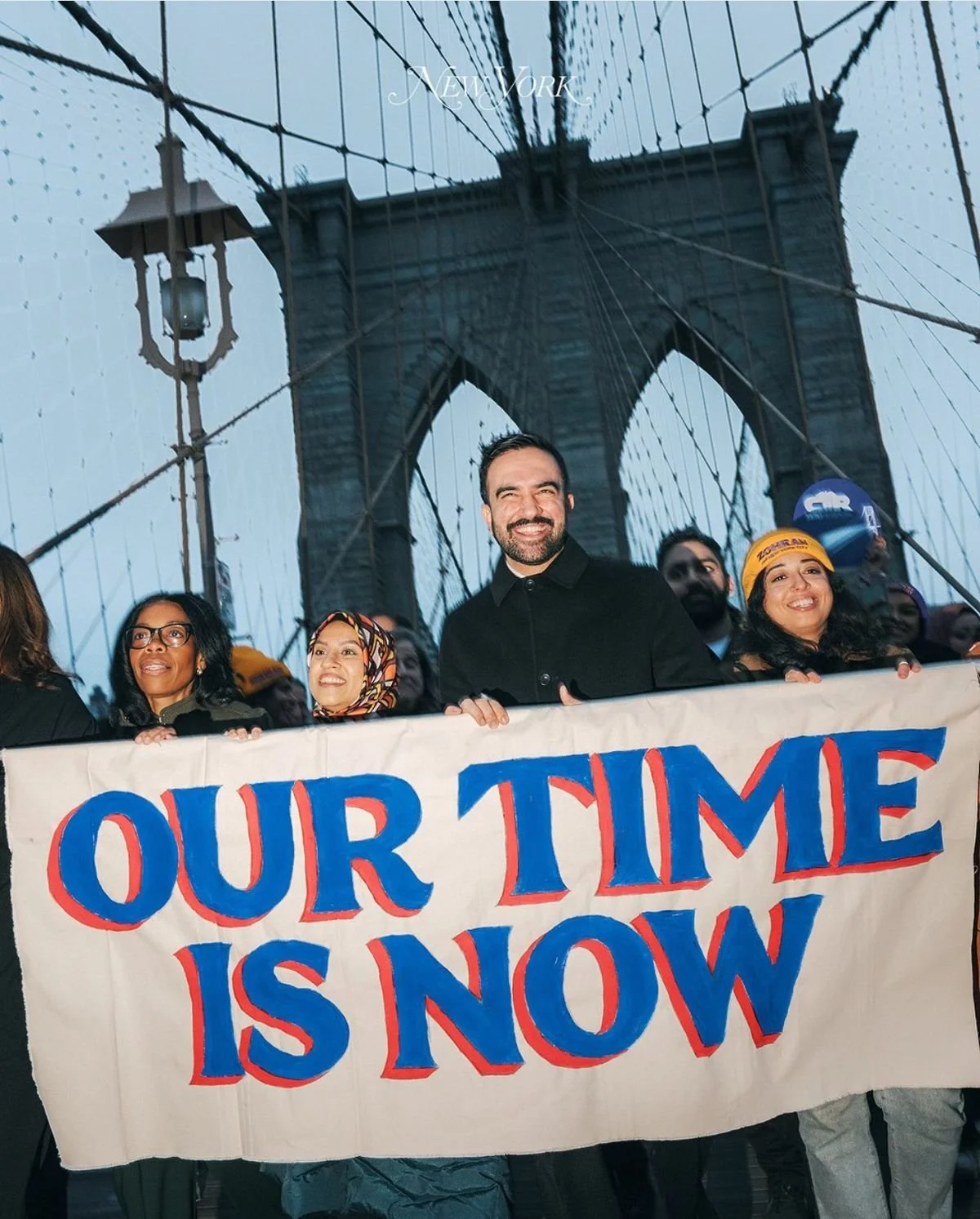
Broadly, America has seen Gen Z fearlessly engage with their own concerns and take political expression to new heights. While they champion issues they care about — reminiscent of the generations before them — they elevate issues with new platforms and challenge conventional methods.
Sourced Through Pinterest
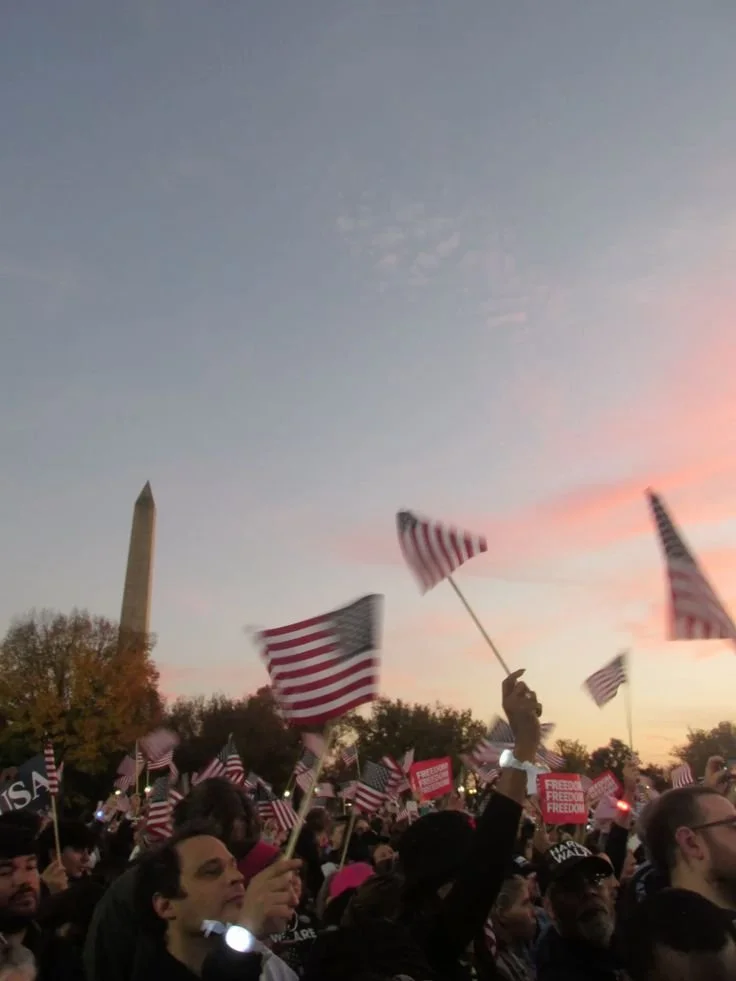
Intentional or not, this approach has shaped a new form of patriotism, marked by action-driven growth. While many have mistaken inquiry and critique as simplistic disdain for one’s country, Gen Z has allowed themselves to adapt a nuanced view of national pride and identity — thus fueling meaningful education and participation.
Patriotism can be a loaded term. Even as “national pride” envelopes new meanings, it makes sense that many young people may hesitate to identify as a “patriot,” or align themselves with a country cracking under the pressure. Despite this, young people continue to exhibit the belief that the U.S. is capable of positive change, which is essential to our independence moving forward.