How Red Carpet Fashion Shapes a Film’s Identity
By Iris Vaughn
Wardrobe plays a major role in world-building for films. Similarly, the red carpet shapes how a film is perceived in our world. As method dressing on red carpets has become increasingly popular, I want to explore how these looks shape the identity and perception of a film. In 2026, I have become criminally unaware of recently released films, but what I am well-versed in is fashion. So here is my perception of recent and past films—and how I identify them through red carpet fashion. Bear with me.

Sourced through Pinterest
Marty Supreme: Big Ego
To start with, this is how we began 2026: Marty Supreme, released on Christmas Day. Marty Supreme on Christmas Day… Marty Supreme’s Christmas Day release. Against my will, I have seen a lot about this film—mainly Marty Supreme infiltrating my Instagram feed, but also Timothée Chalamet pulling up to the premiere with Kylie Jenner in bright orange.
This is such a brash choice that feels far removed from a shoe salesman/ping-pong story, so my question was: Why orange? It comes down to basic color theory. Orange represents confidence, visibility, and superficial qualities. From what I know about the film, it is intended to be aspirational—though that aspiration appears to be a front, considering that “winning” comes at a cost and may not even be a success story after all.
The baggy silhouettes seen throughout the press tour and within the film itself represent aspiration and confidence, reinforcing the idea that excess equals success. With ego-driven men seemingly inspiring the film’s energy, the use of orange begins to feel intentional: an indicator of attention-seeking ambition, and perhaps a warning to proceed with caution.
Sourced through Pinterest
Wuthering Heights: How Romantic
My initial reaction to the promotion for this film was disappointment, as it was yet another book adaptation that appeared to be whitewashed with A-list stars. It is no shock that a movie with quotation marks around its title would end up being both historically and book-inaccurate.
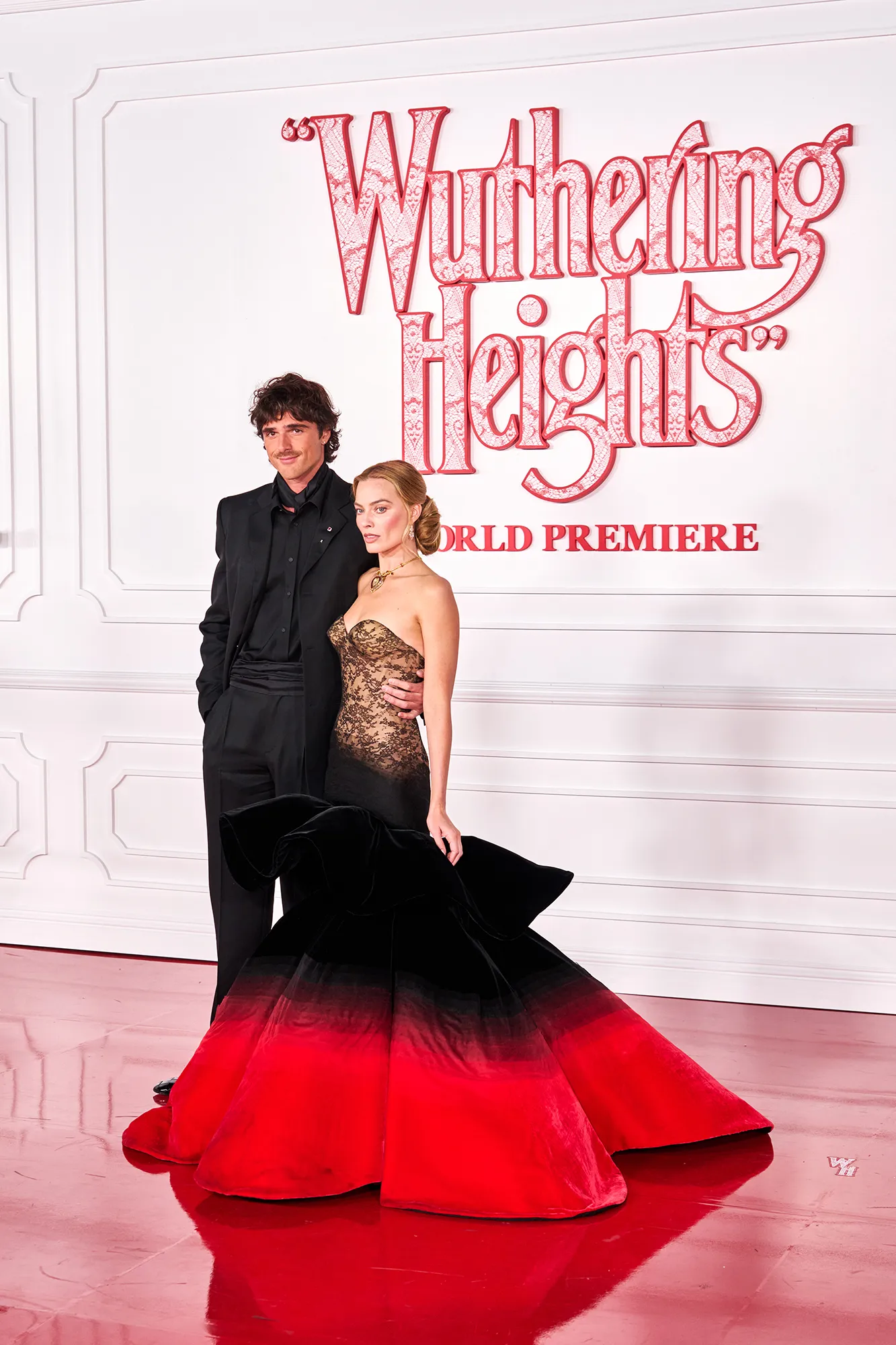
One thing I did not question, however, was the film’s aesthetic quality. The red carpet looks worn by Margot Robbie were painfully beautiful. Each look served as a modern interpretation of historical fashion.

Sourced through Pinterest
Many fashion houses were involved, designing pieces or pulling from their archives. A gorgeous red-and-white gown designed by Chanel was styled with an antique-looking choker. A piece from John Galliano Spring/Summer 1992 collection was also pulled, leaving fashion archive lovers—including myself—stunned.
Rich velvet, lace, draping, corsetry, and romantic silhouettes from major fashion houses all signaled that this film would present a beautified and romanticized version of Wuthering Heights.
Sourced through Pinterest
Barbie: (The Doll, Not the Actress)
I was incredibly curious about what the Barbie movie would entail. I grew up with Barbie appearing in animated movies, so when I heard there would be a live-action Barbie, my immediate assumption was that we would simply see more of our girl, just in actress form.
I was incredibly wrong.
Sourced through Pinterest
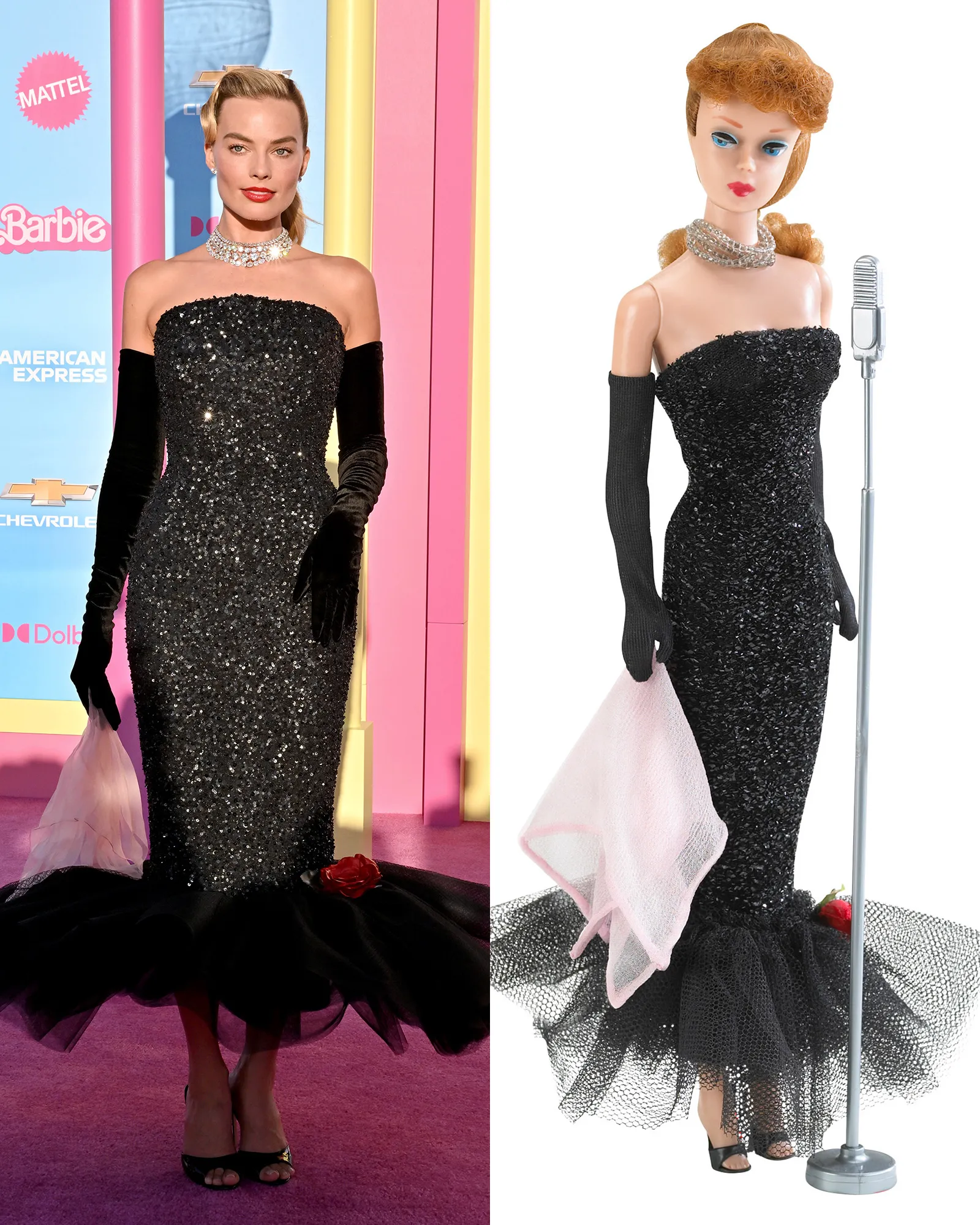
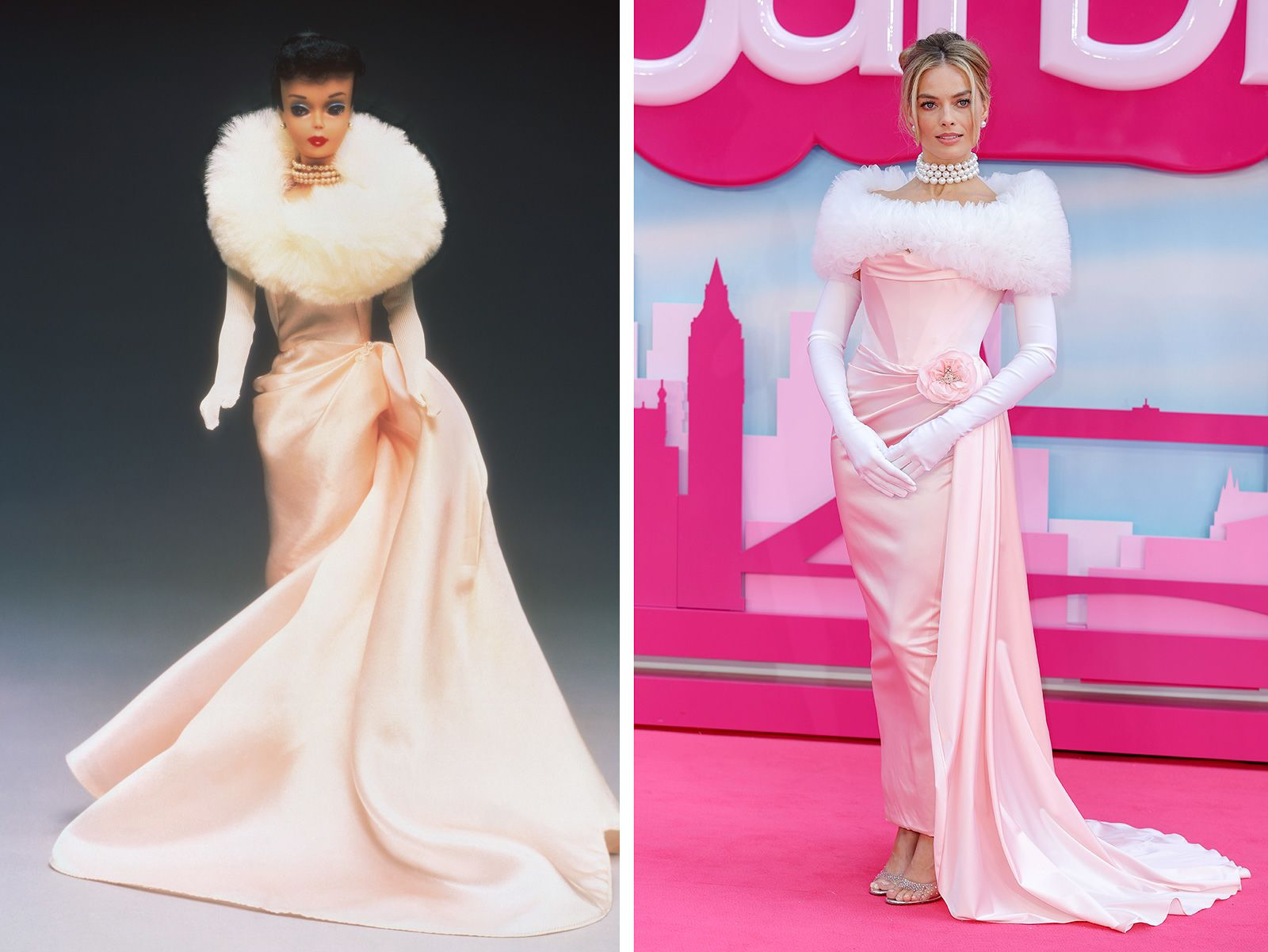
Another Robbie nod, but the red carpet looks worn by Margot here leaned in a completely different direction. The outfits paid tribute to Barbie’s legacy, with many of them serving as direct references to vintage Barbie dolls. These looks were designed to portray Margot in the same way Barbie has always been presented: through a purely aesthetic and superficial lens.
The film ended up being exactly what the press tour suggested—taking Barbie (the doll) out of her box and exploring the controversy surrounding her as a feminist figure who has shaped how young girls see themselves.
Sourced through Pinterest
Challengers: A Three-Way Kiss Between Fashion, Sports, and Determination
It would be impossible to discuss method dressing without bringing up Zendaya and Law Roach. The two have collaborated on many films, but my favorite has to be Challengers.
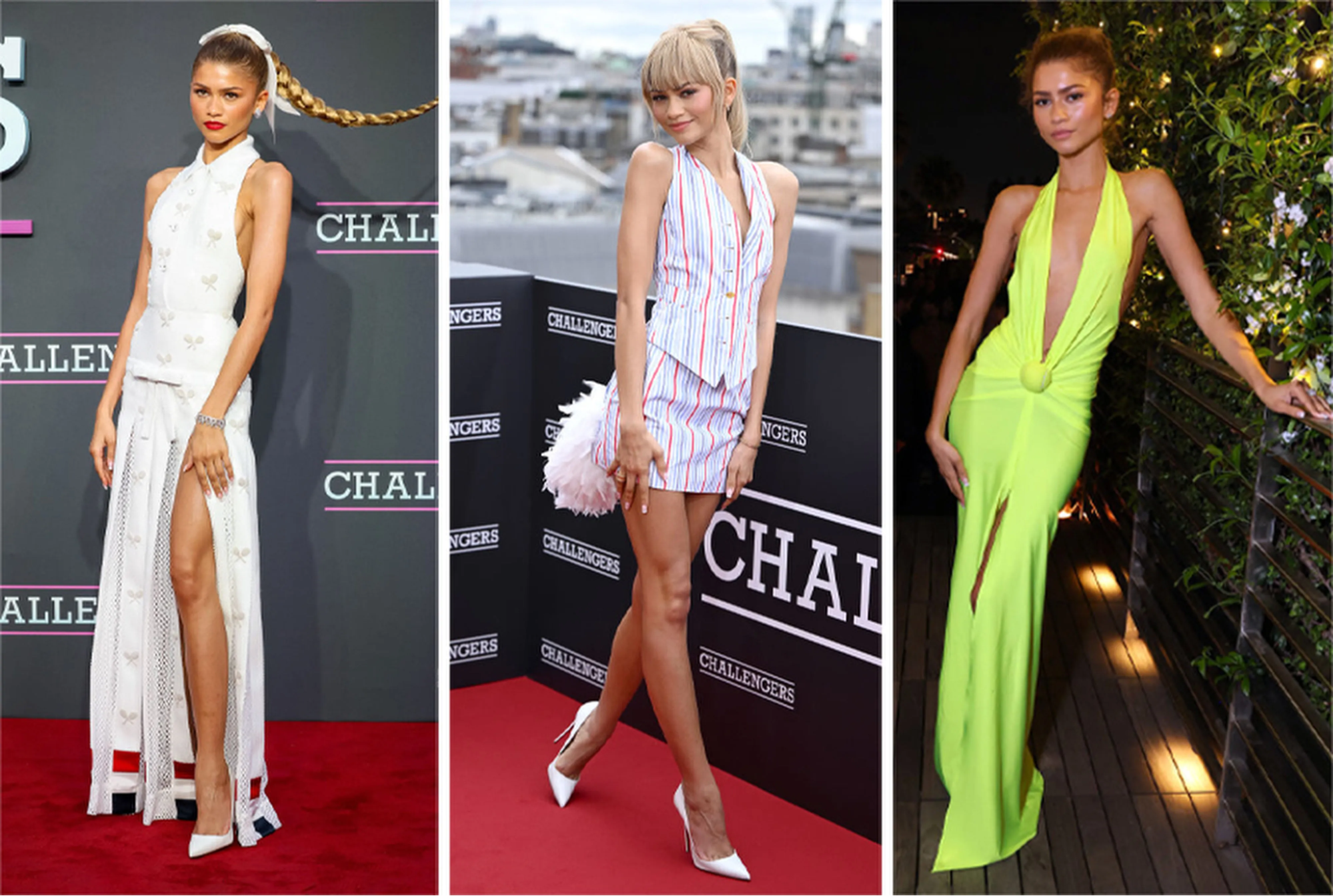
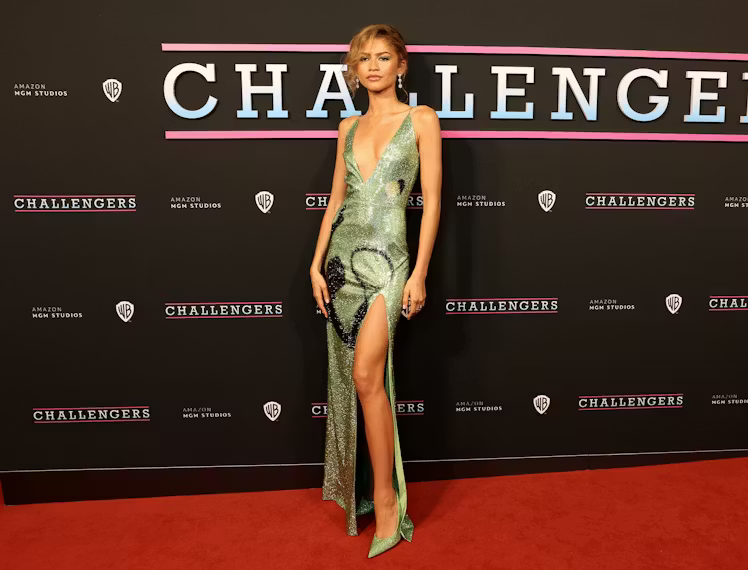
The red carpet looks for this film—from sleek silhouettes that echoed athletic uniforms to subtle references to tennis balls, rackets, and court lines—stretched the imagination of how high fashion and sports can intersect. The outfits embodied the energy of Zendaya’s character, Tashi Duncan. They were confident, mature, bold, and entirely driven by the aesthetic language of tennis.
Sourced through Pinterest
Ultimately, just as a film’s wardrobe helps construct its internal universe, method dressing on the red carpet builds the film’s identity in the real world. Through color, silhouette, archival references, and thematic styling, actors and stylists translate a movie’s narrative into visual cues that communicate its tone and themes.
In this way, the red carpet is no longer merely a promotional stop; it has become a narrative device. Method dressing transforms premieres into a form of storytelling, where fashion bridges the gap between the fictional world of the film and the cultural moment in which it is released. For viewers who may not always keep up with every new movie but are deeply attuned to fashion, these red carpet looks often serve as the primary lens through which films are remembered long after awards season.