'I Love LA' is Rachel Sennott's Best Work Yet
By Alivia Stonier

Courtesy of HBO Max
From beloved comedian Rachel Sennott comes a standout new HBO Max series, I Love LA, that made an immediate impression with its first season. The show not only stars Sennott but was also created by her, marking her directorial debut and establishing a clear authorial voice rooted in discomfort, humor, and emotional honesty.
The series follows Maia Simsbury as she navigates life in Los Angeles, working as a manager in ways she never imagined for herself. Having planned to move to the city alongside her best friend and former client, Tallulah Stiel (Odessa A’zion), Maia is forced to recalibrate her expectations when Tallulah abruptly decides to remain in New York City. What was intended as a shared leap instead becomes a solitary one, ultimately redirecting her focus toward her romantic relationship.
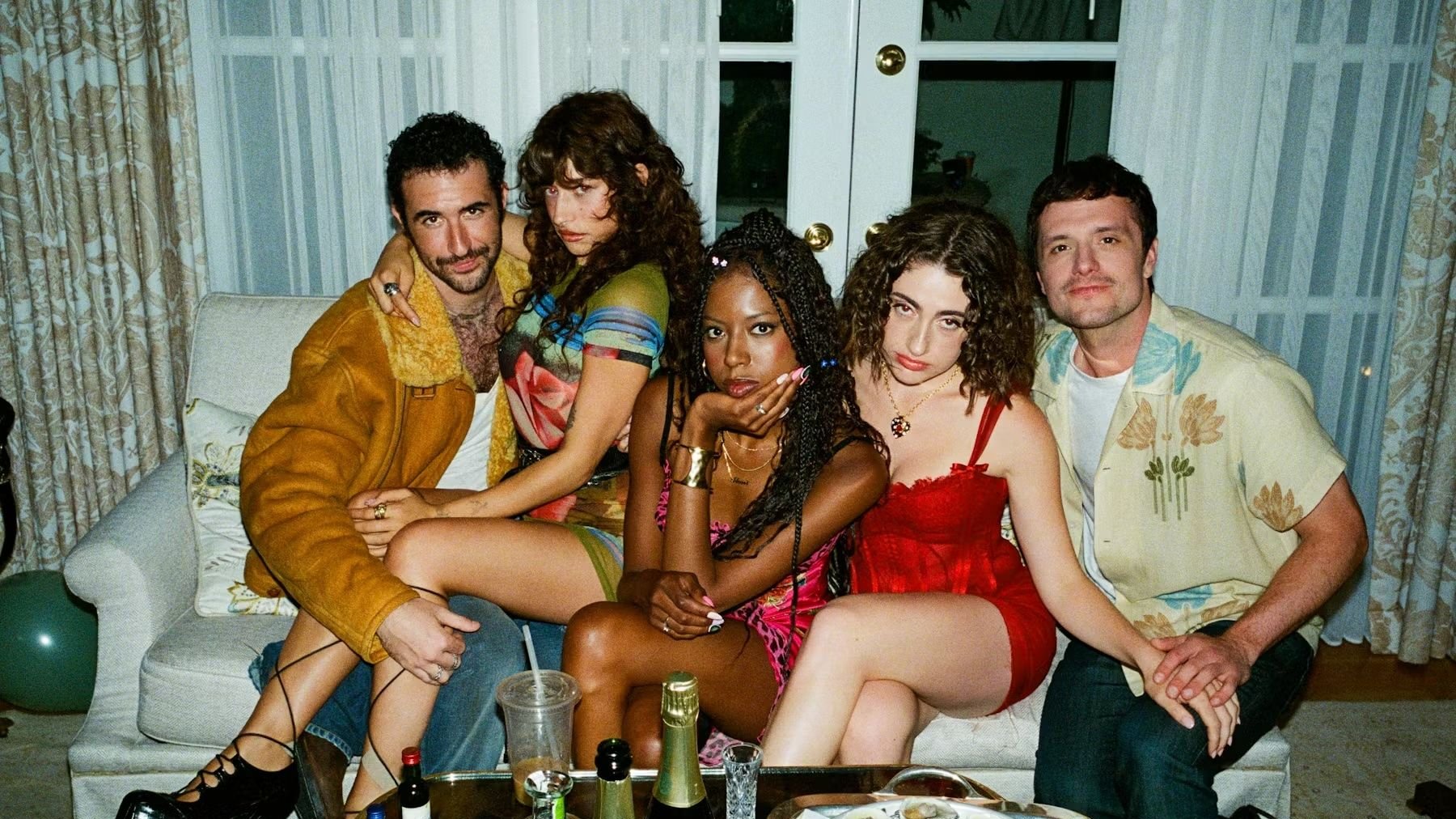
This emotional rupture sets the tone for much of the season. Maia attempts to move forward, even blocking Tallulah in an effort to protect herself, only to discover that Tallulah has flown in to surprise her on her birthday. The moment reopens unresolved tension and introduces the broader friend group, including Alani Marcus, who often serves as a mediator, and Charlie, the group’s cynical realist, played by both True Whitaker and Jordan Firstman.
Courtesy of HBO Max
It is during this birthday gathering that the fractured friendship begins to mend. Through an honest and emotionally charged conversation, Maia agrees to manage Tallulah once again, a decision that becomes the catalyst for the season’s central conflict. Over the course of eight episodes, Maia is forced to juggle her professional ambitions, her personal relationships, and the increasingly blurred boundaries between them.
One of the show’s greatest strengths lies in its portrayal of Los Angeles culture, particularly through the lens of influencer spaces and transplants searching for legitimacy and belonging. Equally compelling is the series’s refusal to sanitize its characters. The show embraces messiness, allowing its characters to be selfish, insecure, and difficult without offering simple answers about who deserves success or forgiveness.
This willingness to present unlikable traits gives the series its depth. Combined with Sennott’s sharp comedic timing and her keen understanding of older Gen Z humor, social media anxiety, and visibility culture, the show becomes a comedy that is as uncomfortable as it is addictive.
Beyond personal relationships, the series delves into the pressures of the modern work environment. It examines performative professionalism, fake niceties, and the difficulty of asserting oneself, particularly when power dynamics intersect with sexual pressure. These themes quietly build throughout the season and are strongly implied in the finale, positioning them as central concerns moving forward.

Courtesy of HBO Max
Queer voices are given space to exist in ways that feel authentic rather than symbolic. One of the most telling moments comes when Tallulah expresses discomfort at being positioned as the face of a queer advertising campaign, feeling embarrassed by how her identity is being packaged for public consumption. This becomes a major point of tension between her and Maia, highlighting Maia’s tendency to prioritize upward mobility without fully grappling with the emotional cost to her client.
The show further expands its thematic reach through Charlie’s storyline. As a fashion designer, Charlie unexpectedly finds affirmation within a more conservative social group, one that seems ideologically mismatched with his identity, yet offers him a sense of support he feels is lacking elsewhere. When this connection dissolves, Charlie’s grief is portrayed with surprising vulnerability, revealing a depth beneath his usual sarcasm and confidence.
These quieter character moments are what ultimately elevate the series. Together, they form a broader commentary on navigating adulthood within the entertainment industry, an environment that demands constant availability, emotional labor, and social performance, even outside of professional spaces.
At the emotional center of the series is Maia’s relationship with her boyfriend Dylan (Josh Hutcherson). Not only does he face shifts in their dynamic as Maia's priorities begin to change, as he is used to her not managing somebody on her own, but he sees a new side to her as she holds herself to exceptionally high standards and is driven by a clear vision of the life she wants to build, while Dylan operates as a grounded counterbalance. A Spanish teacher who finds fulfillment in routine and stability, Dylan represents a path that exists outside the relentless climb embraced by Maia and her social circle.
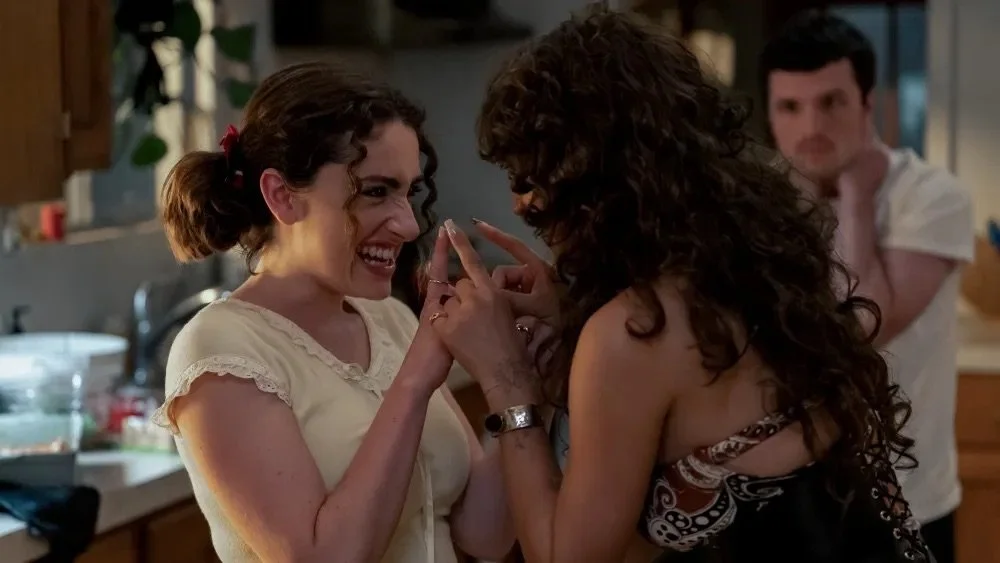
This difference becomes a persistent source of friction. Although Maia genuinely tries to make the relationship work, her intuition begins to surface after meeting Dylan’s coworker Claire, with whom he appears unusually close. This tension culminates in one of the season’s most polarizing scenes, when Maia confronts Dylan in front of his coworkers, leading to the most explosive argument of the series. By the finale, it becomes clear that Maia’s instincts were not unfounded, reframing earlier judgments of her behavior.
What makes this dynamic particularly compelling is the way it subverts familiar gender roles often reinforced in the media. Rather than depicting the man as the more ambitious partner, the series reverses this expectation, forcing viewers to confront their own biases when women are the ones striving for more.
Importantly, the show refuses to declare a clear winner in this conflict. Both Maia and Dylan are afforded empathy and criticism, reinforcing the show’s commitment to realism and its understanding that growth is rarely clean or unilateral.
Courtesy of HBO Max
With a second season officially greenlit, the series is well-positioned to explore how its characters evolve as they pursue the aspirations they have been chasing all along. It will be particularly interesting to see which relationships survive, which fracture further, and which become more dangerous as power and ambition continue to shift.
While the show resists traditional narrative comfort, it is precisely this discomfort that makes it resonate. The messiness invites debate, emotional investment, and reflection, encouraging viewers to engage rather than passively consume.
Even among its supporting cast, each character serves a distinct narrative purpose, offering moments of recognition and relatability. These threads provide a strong foundation for future storytelling, especially as season two begins to expand the show’s emotional and thematic scope.
Alongside its thematic depth, the humor remains a consistent strength, delivering moments of genuine laughter without undercutting the seriousness of the issues at hand. Though the series may be polarizing, that friction is what sets it apart from much of the current television landscape.
For viewers searching for a new series to start the year with, one that balances sharp comedy with emotionally charged drama, Rachel Sennott’s HBO Max debut is a compelling and worthwhile watch.