Is Emerald Fennell a Shit Feminist?
By Reese Carmen Villella
Emerald Fennell has become one of those directors whose work cannot be discussed without bringing feminism into the conversation.
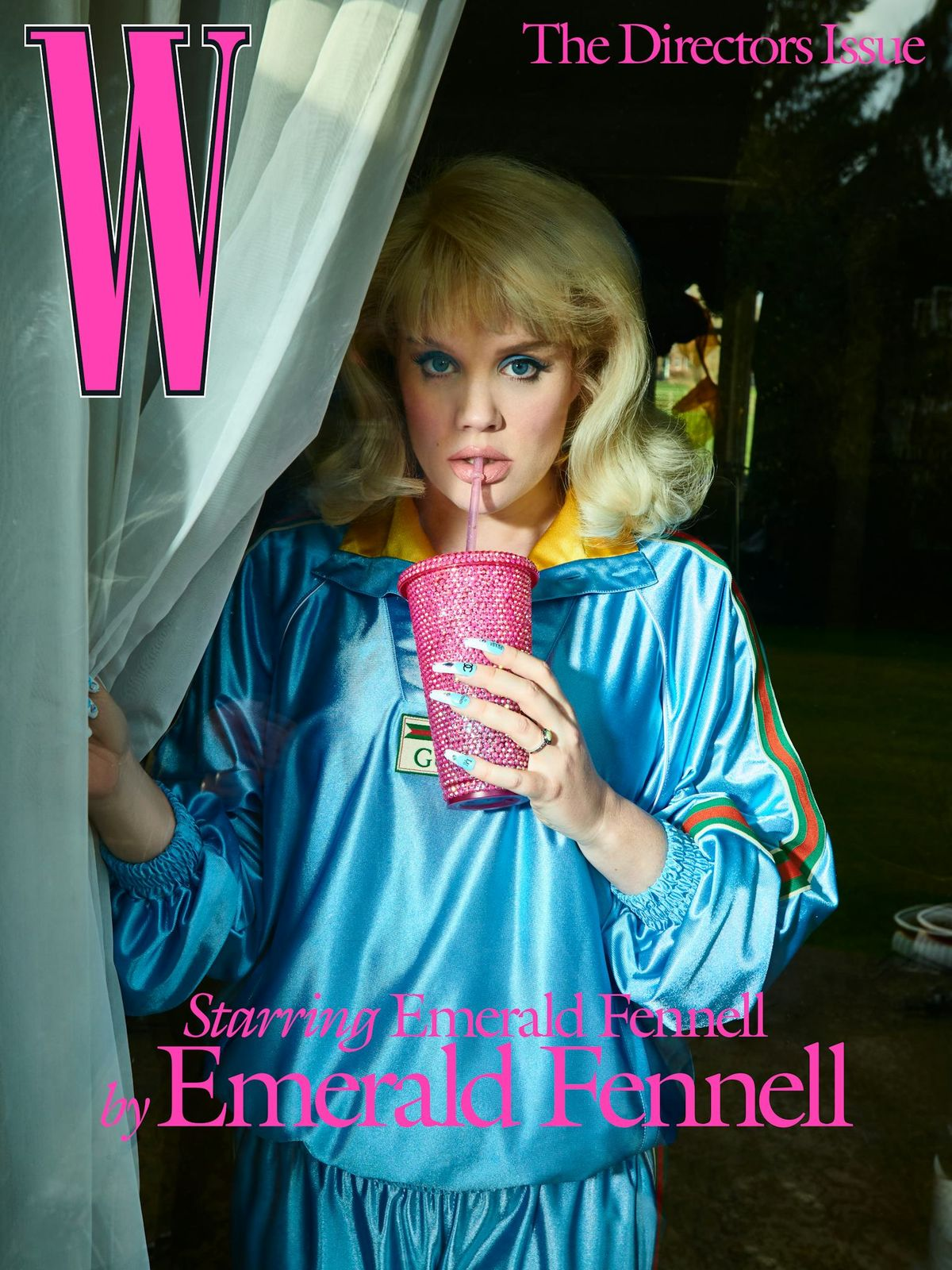
Image Credit: W Magazine
She came out swinging with Promising Young Woman in 2020: a revenge fantasy that was either a bold feminist takedown of rape culture or an overhyped genre exercise, depending on who you ask. The conversation surrounding Promising Young Woman remains a polarizing cultural debate. If you loved it, it was probably because you liked the girlboss catharsis of a woman taking back the narrative. If you hated it, it might’ve been because the film’s ending pulled the rug out from under that fantasy: a man punished, yes, but only for a different crime, as if sexual violence alone still doesn’t merit consequence. There’s something genuinely interesting there — a film meant to indict rape culture ends up reflecting its logic — but I never thought Promising Young Woman was quite the feminist manifesto people wanted it to be.
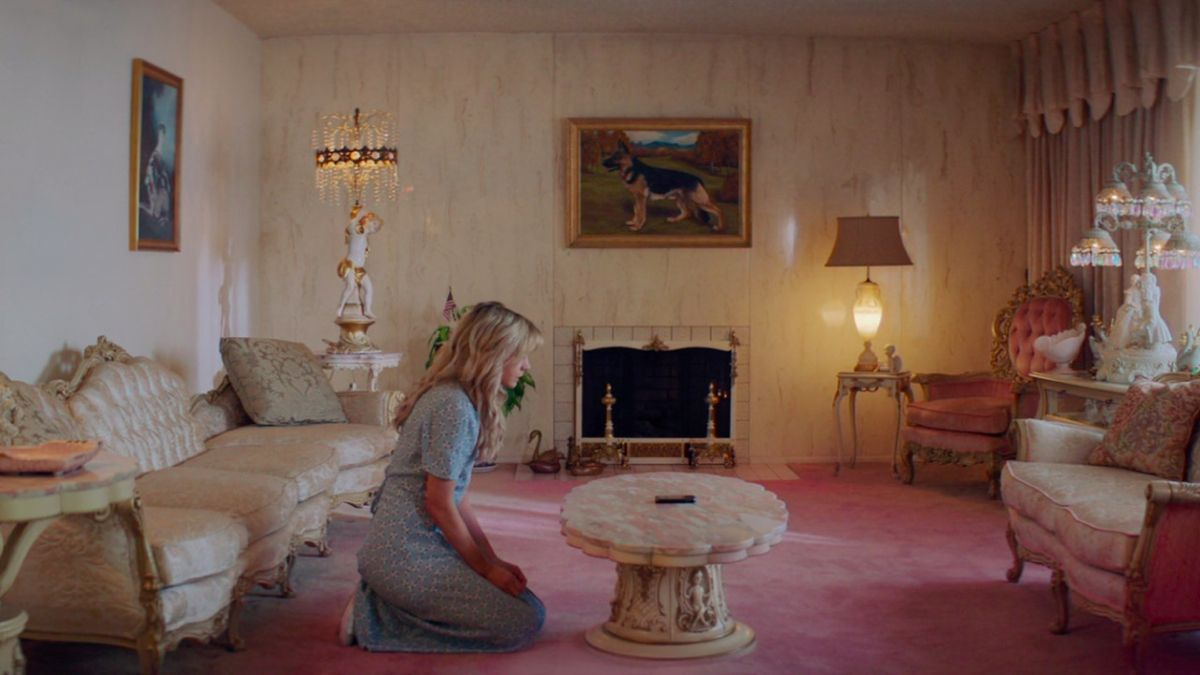
Still from Promising Young Woman (2020)
Then came Saltburn in 2023, which outraged viewers who began accusing Fennell of betraying the cause, as though her shift from female rage to male corruption meant she’d revoked her feminist credentials. Saltburn was a movie about obsession and the corruption of power, told through a homoerotic friendship. People complained: It’s too weird! It’s too male! It’s too pervy! Say what you will about Saltburn, but it has style and the narrative panache Promising Young Woman lacked. And yet, people seemed disappointed that Fennell had stopped delivering what they assumed was her brand.
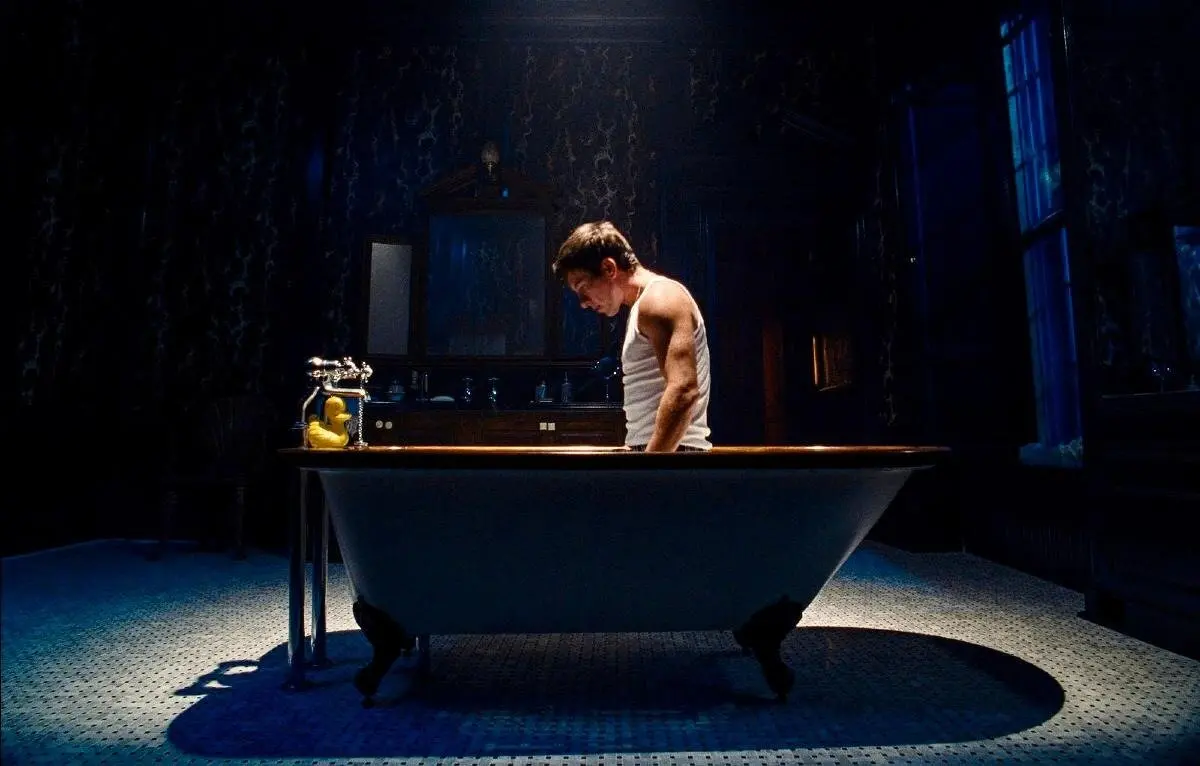
Still from Saltburn (2023)
Now, with her upcoming adaptation of Wuthering Heights, that expectation has flared up again. Think pieces are already being typed up, accusing her in advance of turning Brontë’s classic into another exercise in perversion or not being feminist enough. When it comes to feminism in film, Fennell is its biggest warrior, but she’s hardly its biggest opponent.
I don’t think a woman filmmaker automatically makes feminist films. I don’t even think she’s obligated to. Feminism isn’t a genre, and it’s not a checkbox next to “directed by a woman.” Feminism, at its best, is criticism; it’s how you read a film. It’s about interpreting power, gender, and agency, rather than the filmmaker's gender or their intentions for the piece. Some of the most compelling explorations of female desire, repression, and violation come from directors who are, frankly, the antithesis of feminist values. Repulsion and Rosemary’s Baby are two of my favorite films about female bodily autonomy, sexual repression, and violation, and they’re made by someone who fundamentally stands against the ideas those films seem to articulate. So often, the feminist charge of a film often comes from the viewer’s interpretation, not the filmmaker’s gender identity (see: A Woman Under the Influence, Carol, Persona, Mother Joan of the Angels, Ginger Snaps, The Silence of the Lambs, Safe, Audition, etc.).
That said, this isn’t to discount the importance or brilliance of women who do make explicitly feminist or female-driven work. I love Julia Ducournau, Céline Sciamma, Justine Triet, and Sofia Coppola. Their work matters deeply. But I also think it’s possible to appreciate that and acknowledge that feminism isn’t confined to the director’s gender. Sometimes the most radical readings come from unexpected places.
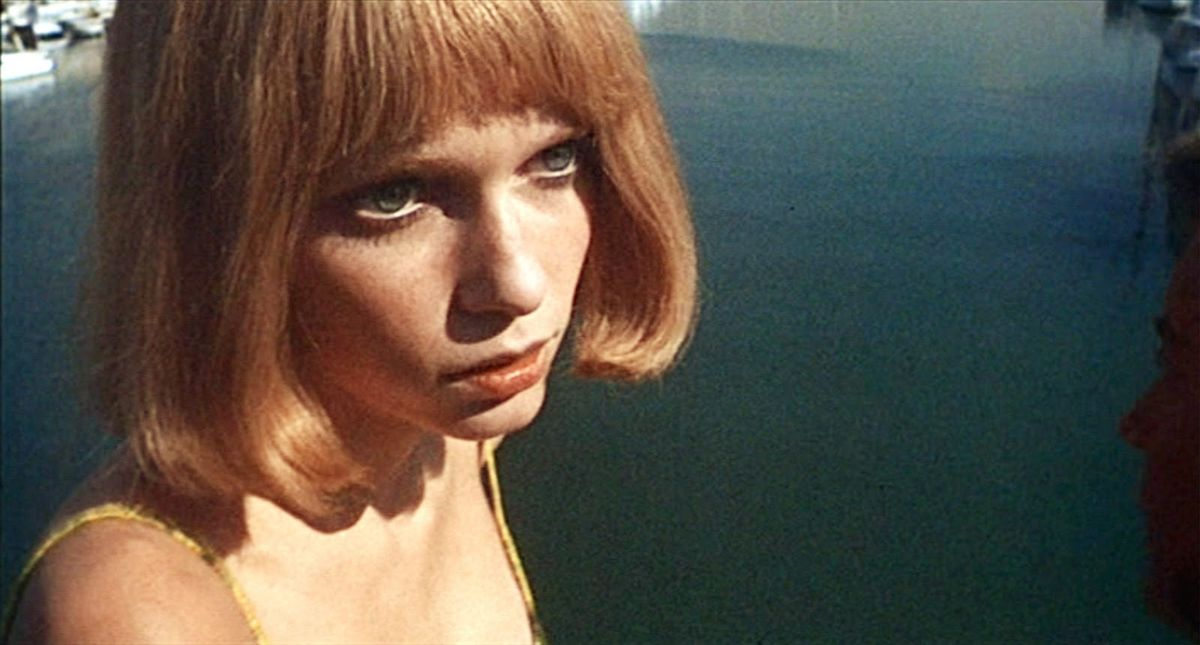
Still from Rosemary’s Baby (1968)
You could argue that almost any film is “feminist” if you approach it with the right lens. I could make a half-convincing case for Joker. In fact, I will right now. The film explores the Madonna-whore complex through Arthur’s mother and his imagined lover, both women whose worth is reduced to the services they provide him: nurturing, validation, sex. When they can’t perform those roles, they’re erased from the narrative. You could read that as a critique of patriarchal conditioning. Is this a stretch? Absolutely. Do I believe this? Absolutely not. But the point is that feminism lives in interpretation.
Which brings me to Greta Gerwig. I think she’s a great filmmaker, but I also believe we conflate her success with revolutionary feminism when it’s really just solid, empathetic storytelling about women. I don’t need the girl to be Chantel Ackerman, but ending Barbie with a gynecologist appointment doesn’t exactly feel like the cinematic overthrow of the patriarchy.
I don’t think Emerald Fennell owes anyone a feminist film. She can be a woman who makes movies about men, or violence, or lust, or class, or whatever interests her that day. To be frank, Promising Young Woman was an uneven albeit intriguing entry into the rape-revenge canon, a genre that’s long been both feminist and controversial. Saltburn wasn’t feminist at all, and yet that doesn’t make it sexist.
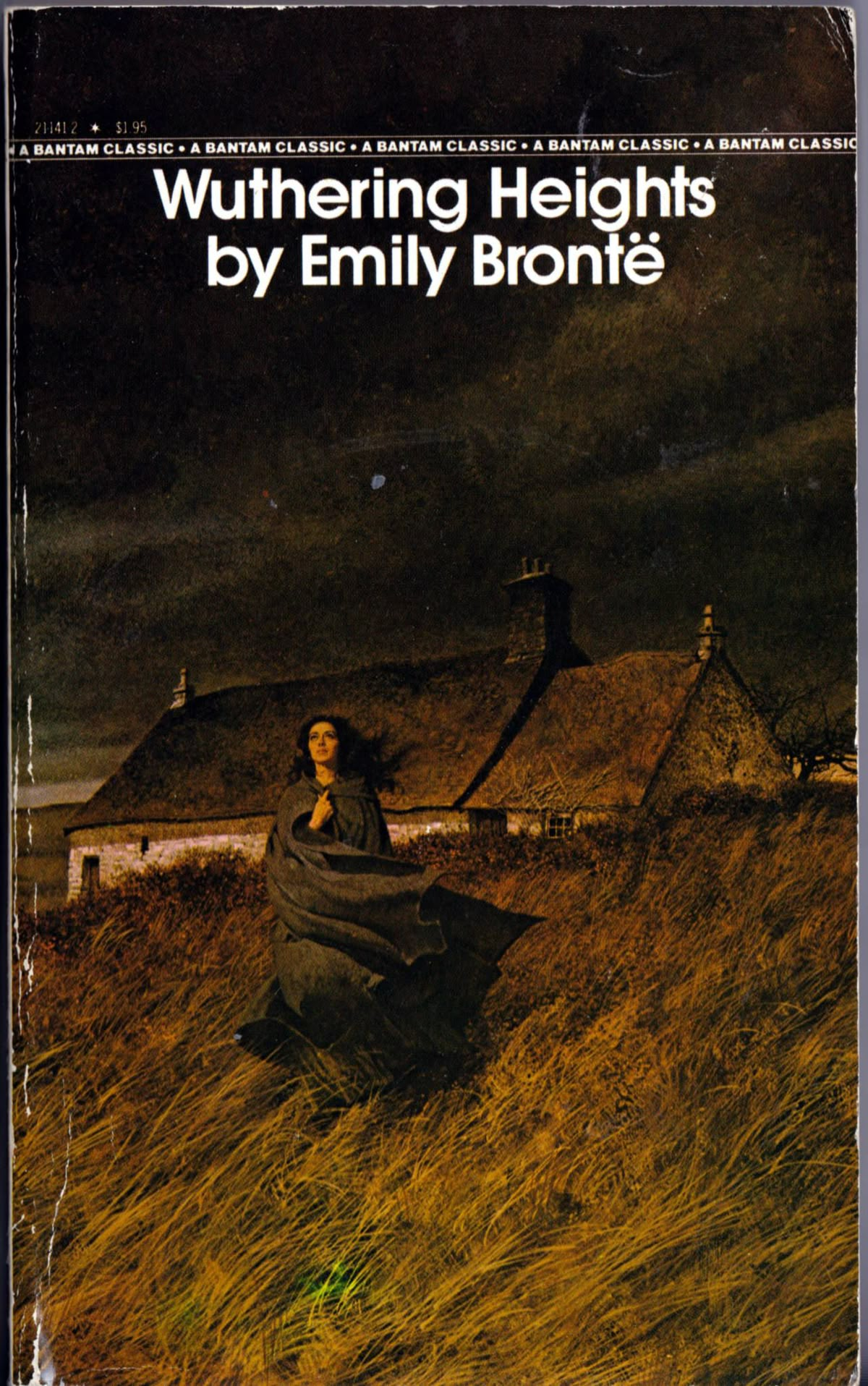
Image Sourced through Pinterest
Which brings us to her next minefield: Wuthering Heights — a book that people already argue about.
Before diving into Fennell’s adaptation, it’s worth remembering what Wuthering Heights actually is. Emily Brontë’s novel is a violent, obsessive, structurally strange story about class, cruelty, and generational trauma. It’s barely a romance, at least not in any healthy or recognizable sense. Catherine and Heathcliff don’t “fall in love” so much as fuse their identities into a mutually destructive psychological loop. And yet, it’s often remembered as a grand romance. Whether it’s “feminist” depends almost entirely on how you choose to read it. Some see Catherine as a proto-feminist figure resisting patriarchal constraints; others argue that the novel exposes the violence of male possession. The text itself supports many interpretations, which is probably why the discourse has been going on for 175 years and counting.
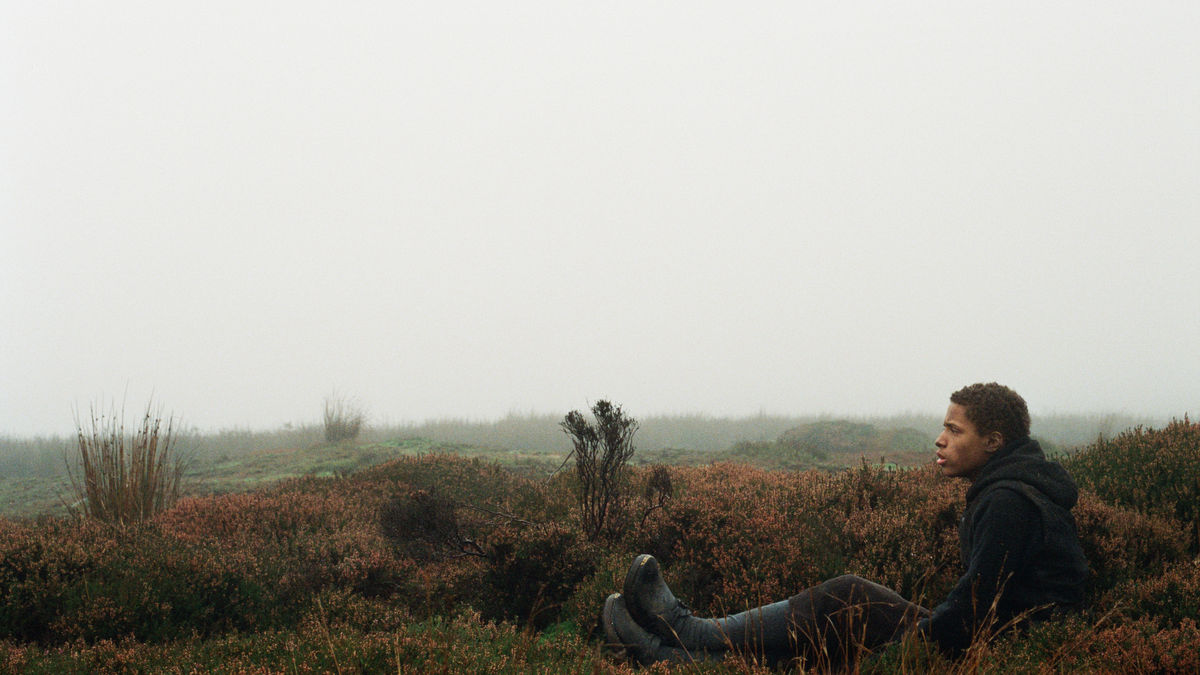
Andrea Arnold’s Wuthering Heights
The screen history of Wuthering Heights is just as chaotic as the book. Andrea Arnold’s 2011 version is arguably the most radical, leaning into the brutality and landscape, casting a black actor as young Heathcliff and stripping the story down to something raw and elemental. Peter Kosminsky’s 1992 adaptation leans more traditional, foregrounding the romantic tragedy. Most adaptations choose sides, either going full romance or full tragedy.
The reception to Wuthering Heights adaptations has always been divided: people either want the doomed-romance angle or the gothic horror. Brontë’s original is both, which means every adaptation is accused of failing in some way.
So far, the loudest complaints about Fennell’s adaptation fall into two categories: tone and accuracy. For tone, people are upset that it’s being marketed as a romance. The truth is, the novel was written within the framework of romantic tradition; Brontë simply subverted it. The question is not whether Wuthering Heights is a romance but whether treating it as one is inherently reductive.
Is there textual support for seeing it differently? Absolutely. The book is filled with violence, abuse, jealousy, and the grotesque. But modern readers often bring a contemporary understanding of toxicity that Brontë’s original audience didn’t have language for. So yes, reading the story strictly as a romance is reductive, but it’s also historically consistent. The tension between those two facts is precisely why adapting this book is so hard.
Another critique that’s emerged is the film’s apparent disregard for historical accuracy in costuming and set design. From the stills we’ve seen, the clothing looks vaguely Regency, vaguely Victorian. Catherine’s silhouettes don’t match the 1780s setting, Heathcliff’s wardrobe reads more “romantic hero editorial” than foundling-turned-gentleman, and the interiors are far too polished.
Do adaptations have to be historically perfect? Of course not (shout out to Marie Antoinette’s Converse in Sofia Coppola’s Marie Antoinette). Plenty of great renditions of Wuthering Heights have played fast and loose with the period. But when you’re already flattening the racial element, ageing characters up, and leaning into romance marketing, the aesthetic drift begins to feel like part of a larger smoothing-over. The book’s world is harsh, damp, and claustrophobic. The moors are not curated gardens; the houses are not well-lit. Brontë’s entire atmosphere is defined by discomfort.
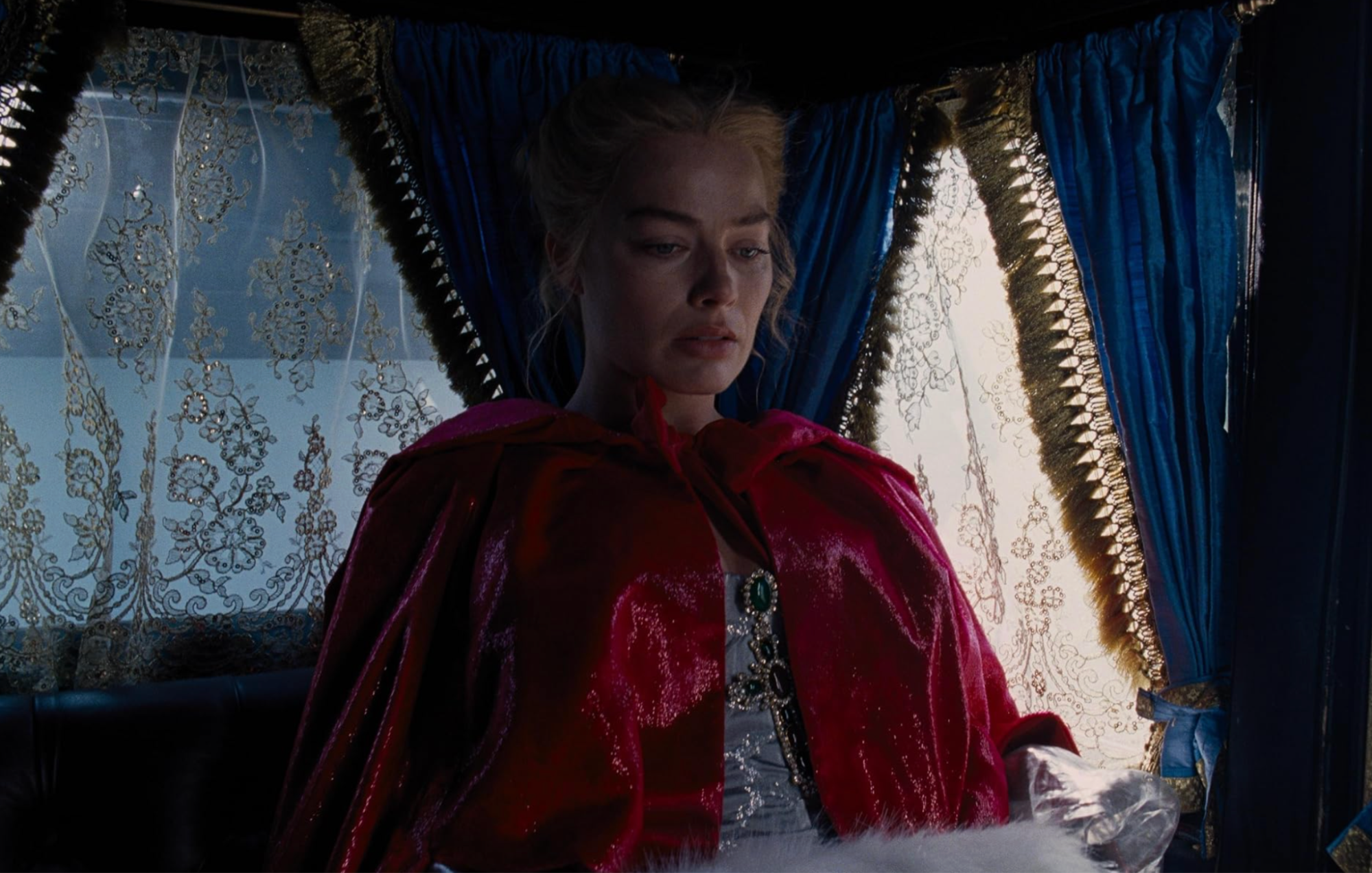
Still from Wuthering Heights (2026)
Is there artistic potential in going anachronistic? Sure. Stylization can be a point of view. But when the costuming and set design seem to be vibes-motivated, it’s understandable why fans of the novel are uneasy.
Then there’s the casting discourse. Some criticism is fair: Margot Robbie is too old to play Catherine convincingly, and Jacob Elordi is too white to play Heathcliff as written. Heathcliff being racialized -- described repeatedly as “dark,” “a little Lascar,” “a foreigner,” “a thing” -- is not a decorative detail. His outsider status is central to the novel’s class dynamics and his dehumanization. Erasing that element risks flattening the story.
Making Catherine older also shifts the power dynamics: Catherine and Heathcliff’s bond is forged as children. Ageing her up risks losing that connection.
Is there any potential artistic merit in these choices? Maybe. Casting against expectation could highlight other aspects of the story: class over race, adult desire over childhood trauma. But every deviation is carefully noted by hawk-eyed Twitter users.
All that said, it’s worth remembering we’ve only seen the trailer, not the finished movie. People are acting like they’ve watched the director’s cut, the Blu-ray extras, and the Criterion interview. We need to cut Fennell a little slack. If nothing else, she has an undeniable taste for style, and Wuthering Heights already looks visually striking. Academy Award-winning director of photography Linus Sandgren (La La Land) is behind the camera, and the film’s framing, texture, and movement show exactly why he’s so respected. The production design is atmospheric even when it’s historically incoherent, and the visuals feel deliberately heightened. Yes, the costumes and sets take liberties, but they’re beautiful liberties.
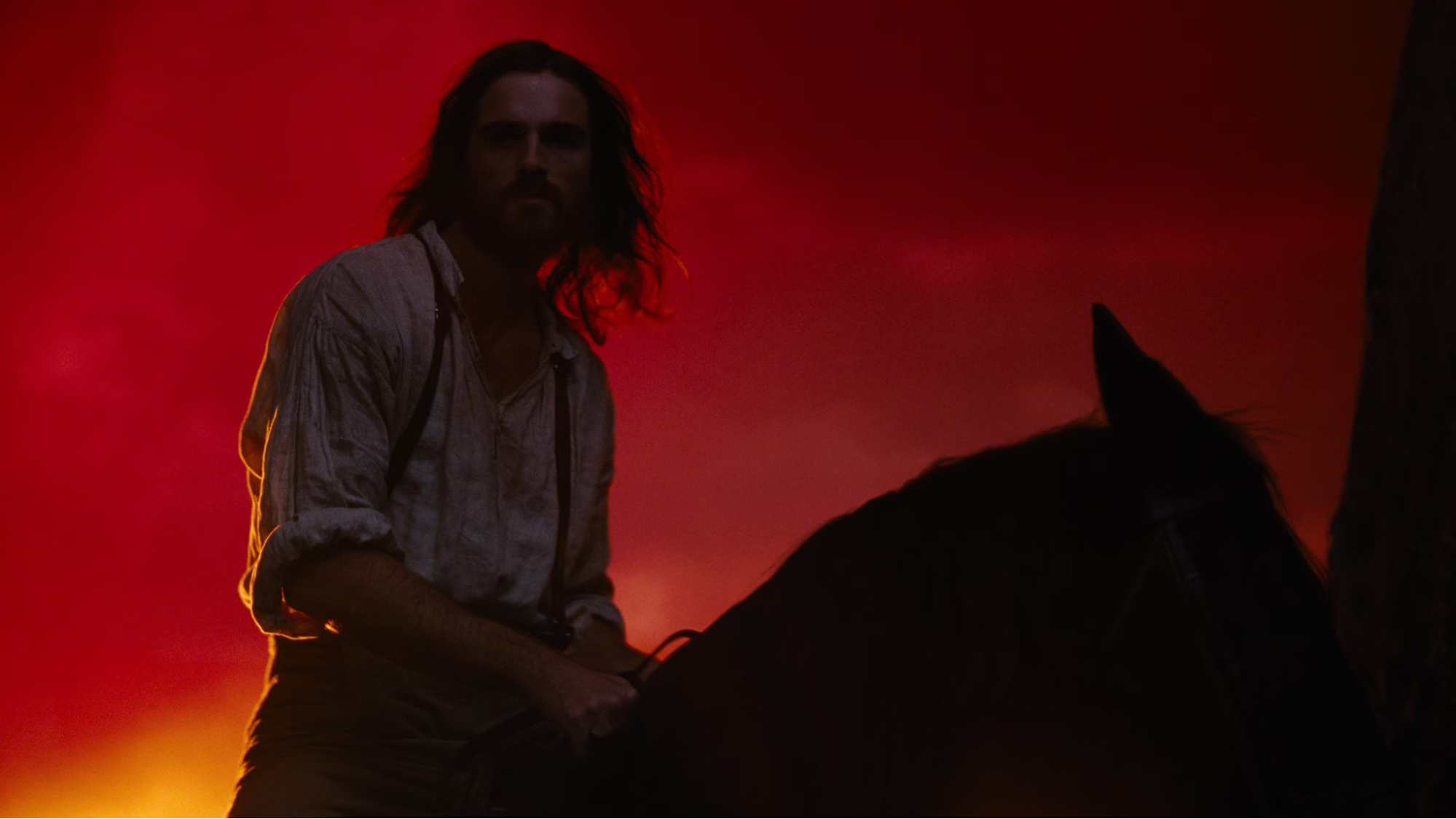
Still from Wuthering Heights (2026)
Even the harshest skeptics would have to admit that the film looks good. Whatever her interpretive choices, Fennell has always understood image and sensory overload. And for a story as feverish and obsessive as Wuthering Heights, that aesthetic confidence might serve it well. Until we see the full film, a trailer isn’t a verdict.
But here’s the main question: whether Wuthering Heights will or even should be a feminist film. Fennell herself doesn’t seem interested in providing a tidy answer. In a recent Variety interview, she described her adaptation as “primal, sexual” and full of what she calls the book’s sadomasochistic undercurrents. “There’s an enormous amount of sadomasochism in this book,” she said. “There’s a reason people were deeply shocked by it [when it was published].”
When asked about the casting backlash, Fennell stood firmly by her choices. She told a panel audience that she knew Elordi was her Heathcliff the moment she met him on the set of Saltburn. These decisions, much like her earlier films, demonstrate that Fennell is willing to prioritize her vision over adherence to expectation.
In response to the criticism, some observers have noted that Fennell isn’t intentionally provocative; she’s grappling with a text that’s always been provocative. In response to complaints that Fennell’s adaptation would be a desecration to the story, a Redditor argued, “Is it really desecration though? The sadomasochism themes are very, very commonly discussed by critics.” The comment highlights that much of what is being criticized as shocking is actually baked into the novel itself.
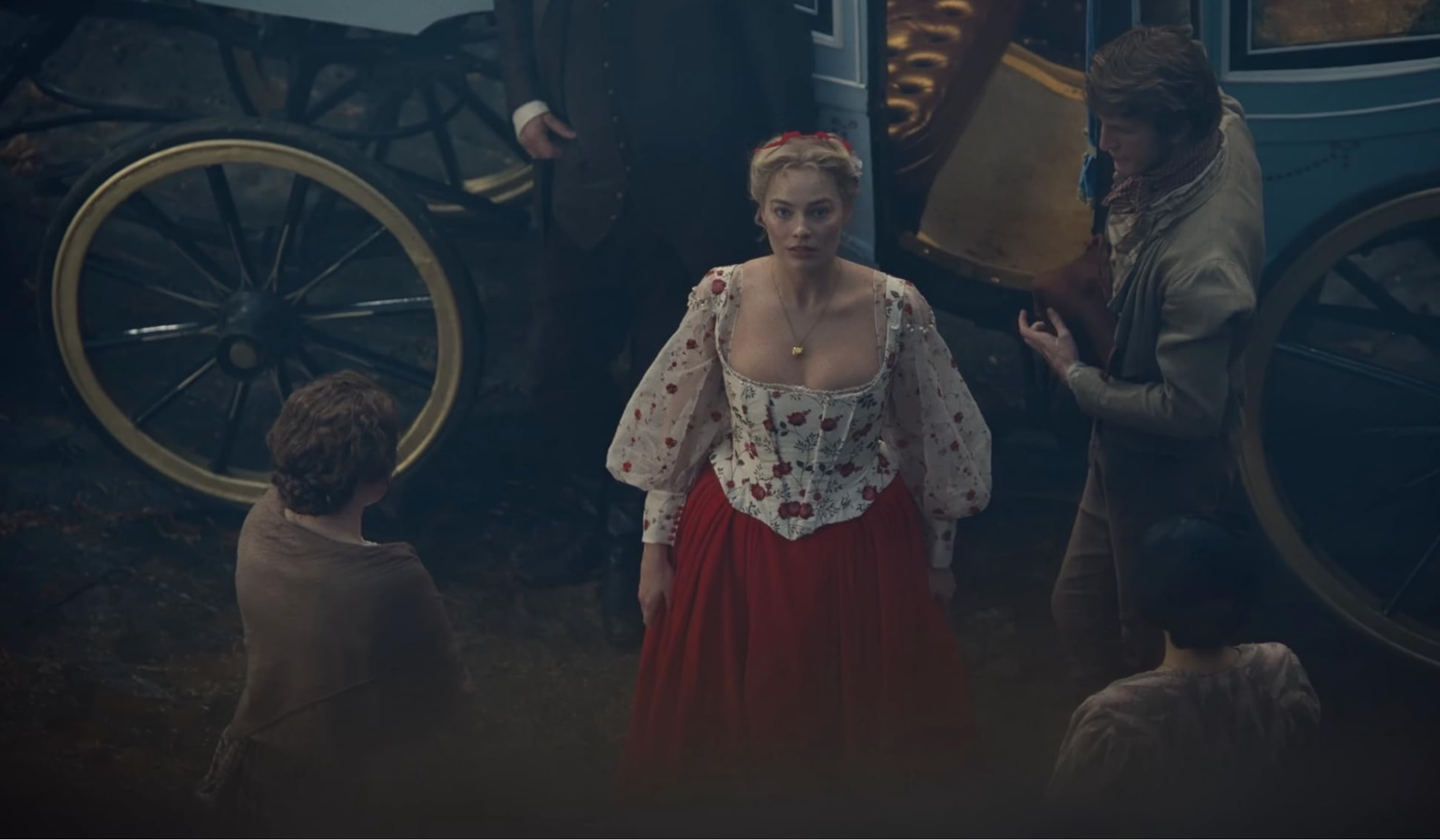
Still from Wuthering Heights (2026)
Contextually, this is nothing new for Wuthering Heights adaptations. Andrea Arnold’s 2011 version was also pitched as a dark, raw, erotic, and violent take on the novel, and it faced criticism for not being sexual enough. Arnold herself described the story as “Gothic, feminist, socialist, sadomasochistic, Freudian, incestuous, violent and visceral,” and acknowledged the near-impossible challenge of translating all of that into a single film.
So, is Fennell’s Wuthering Heights feminist? Well, Fennell’s comments suggest she isn’t aiming to provide a moral or ideological lens. Describing the film as “primal” and acknowledging its sadomasochistic currents signals that she’s more interested in the intensity, obsession, and erotic darkness of the story than in affirming any particular agenda. That’s consistent with her career so far: Promising Young Woman flirted with the rape-revenge subgenre without committing to a tidy feminist moral, and Saltburn explored power, corruption, and homoerotic tension with no feminist framing at all. Fennell makes movies about what fascinates her, which, occasionally, intersects with feminist themes and sometimes doesn’t.
The real question isn’t whether Fennell is being feminist, but whether audiences should experience her work without that expectation. Fennell’s work is messy, provocative, and sometimes uncomfortable, and that may be the point. If Wuthering Heights captures the obsessive, destructive, erotic energy of the novel, it will already be radical in its own way. Feminist or not, it won’t be dull.