The Netflix–Warner Bros. Merger Is the Beginning of the End of Hollywood as We Know It
By Natalie McCarty
The first time I understood that I might want to work in film was when I walked onto Warner Bros. ' lot years ago. It made the industry feel reachable.
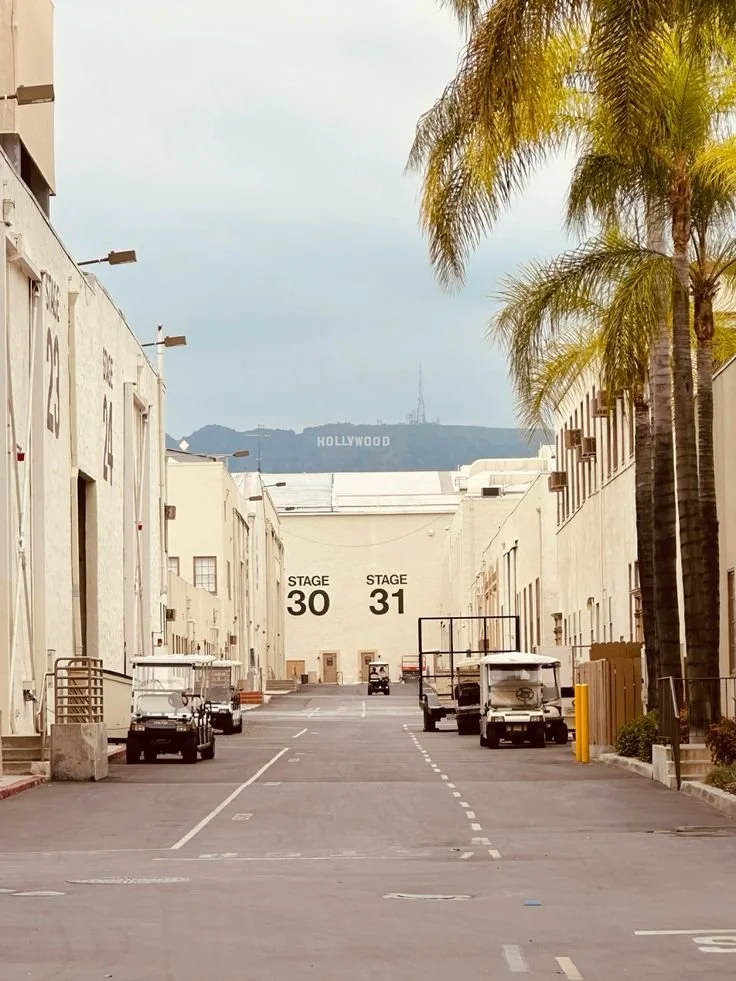
Image Sourced through Pinterest
I grew up with Warner Bros. as my baseline for what movies could be. Not in a film bro, “I worship the studio system” way, but in a way where you could actually feel people behind the work. Their films and shows had fingerprints. Gilmore Girls. Sex and the City. The Wizard of Oz. Friends. Things built by humans with a pulse and an opinion. Programs that genuinely changed my life. And, even when a project missed, it missed with intention.
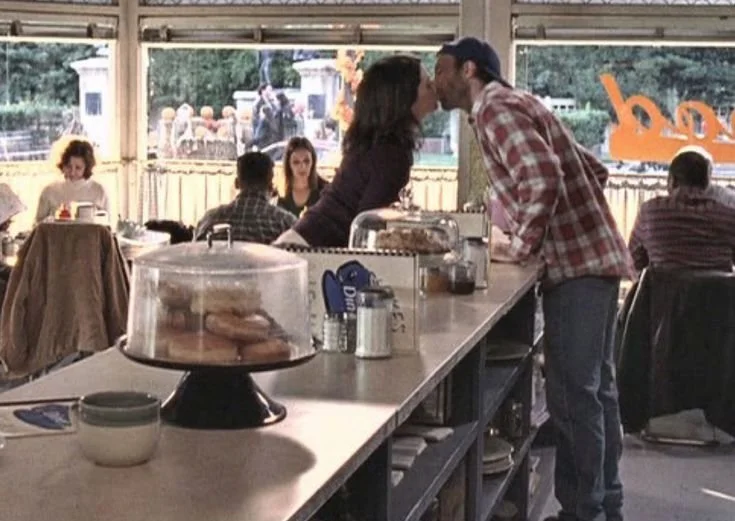
Still from Gilmore Girls
As far as the studios are concerned, Warner Bros. was the one place that genuinely felt like somewhere someone like me could actually make something. That meant more than I realized at the time.
Which is why watching Netflix buy Warner Bros. is, truly, the beginning of Hollywood’s death. Without being sensational, I earnestly mean that this is the moment that marks where the industry has finally said out loud what it’s been signaling for years: creative identity is optional now.
Netflix is a pitiful excuse for a studio. In reality, it’s a tech platform that happens to distribute films and series, operating on speed, volume, retention, and the illusion of infinite choice. Nothing is allowed to exist long enough to gain weight or presence. Releases cycle through the system like seasonal inventory, and projects matter only insofar as they keep the metrics moving.
There’s no universe in which that logic aligns with what Warner Bros. represented.
Image Courtesy of Warner Home Video
And once Netflix is steering the ship, the trajectory is obvious: Mid-budget films vanish. Development gets rushed and surface-level. Risky new films like Superman will be crushed. Moviemakers will be silenced and bought out with a paycheck. Projects skew toward what performs immediately, not what earns its audience over time (say goodbye to any new cult classics!). Anything that needs patience or belief is treated as inefficiency.
People keep calling this merger “the future of Hollywood,” but it isn’t the future; it’s the end. It’s a shortcut designed to avoid rebuilding trust with audiences, swapping real investment for quick cash grabs built around movies that are, at best, mediocre. It’s a way to sidestep creative risk and abandon filmmakers who need time to make a masterpiece. It’s a mechanism for hollowing out movie theaters and making media increasingly inaccessible to the public.
Most of all, it moves the needle only for subscription counts while eroding one of the last meaningful shared activities we have left as a community: sitting together in a theater on opening weekend, experiencing a story at the same time. This is the path that choice leads to.
The industry is shrinking its creative ecosystem and labeling it progress.

Image Sourced through Pinterest
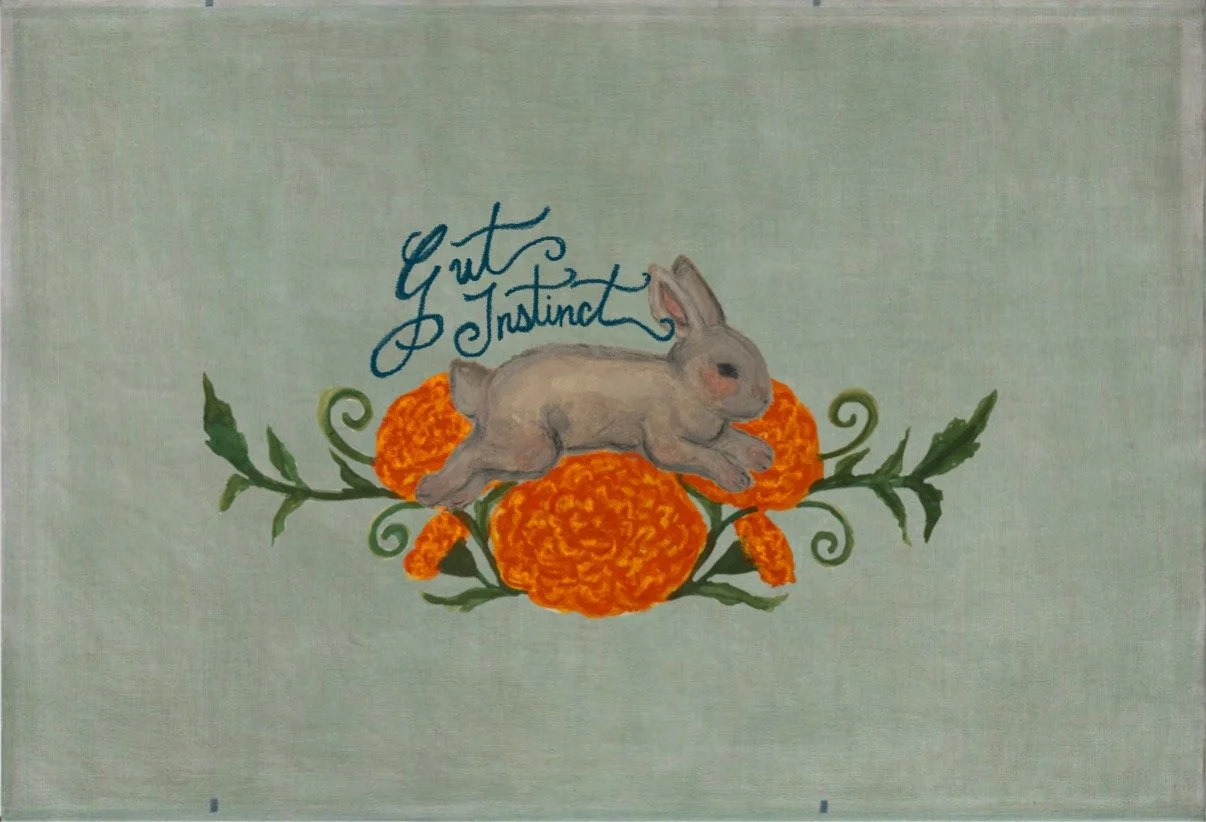
This is also where Gut Instinct comes in for me. Gut Instinct exists because someone has to build in the opposite direction. And moments like this make it impossible to forget why.
I built it because the big players in media stopped doing the one thing they were supposed to do: invest in work that carries actual belief. Gut Instinct exists to protect storytelling that isn’t engineered for instant payoff. Voices that don’t need to be sanded down to fit a platform’s algorithmic palate. Work that isn’t disposable.
Warner Bros. being absorbed into Netflix is the clearest indicator of where Hollywood wants to go: a landscape optimized for scale. Everything streamlined and interchangeable and meaningless. Distinct identity will be treated like a liability moving forward in production.
And the truth is, scale can silence your voice just as easily as scarcity. All it takes is absorption and having your work be swallowed into a library that never stops churning.
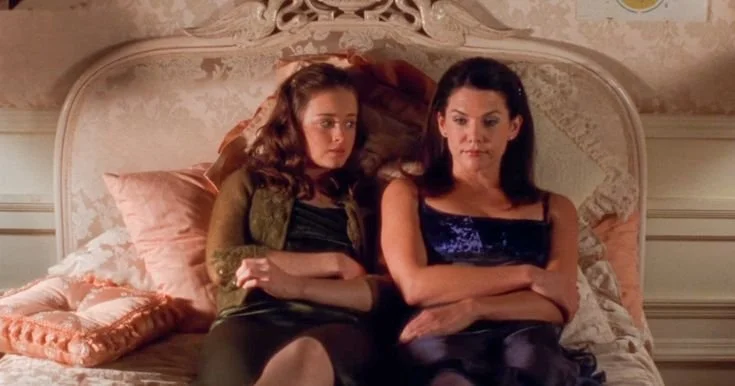
Still from Gilmore Girls
Independent filmmaking and independent media are more essential than ever. They’re the only spaces still capable of protecting work that isn’t designed to vanish on command.
Please remember: this isn’t Hollywood evolving. It’s Hollywood choosing the path that leads to a world where nothing stands out and nothing lasts. It is killing legacy. It may even be killing yours too.