Logging Off
By Catherine Murphy
Sourced through Pinterest
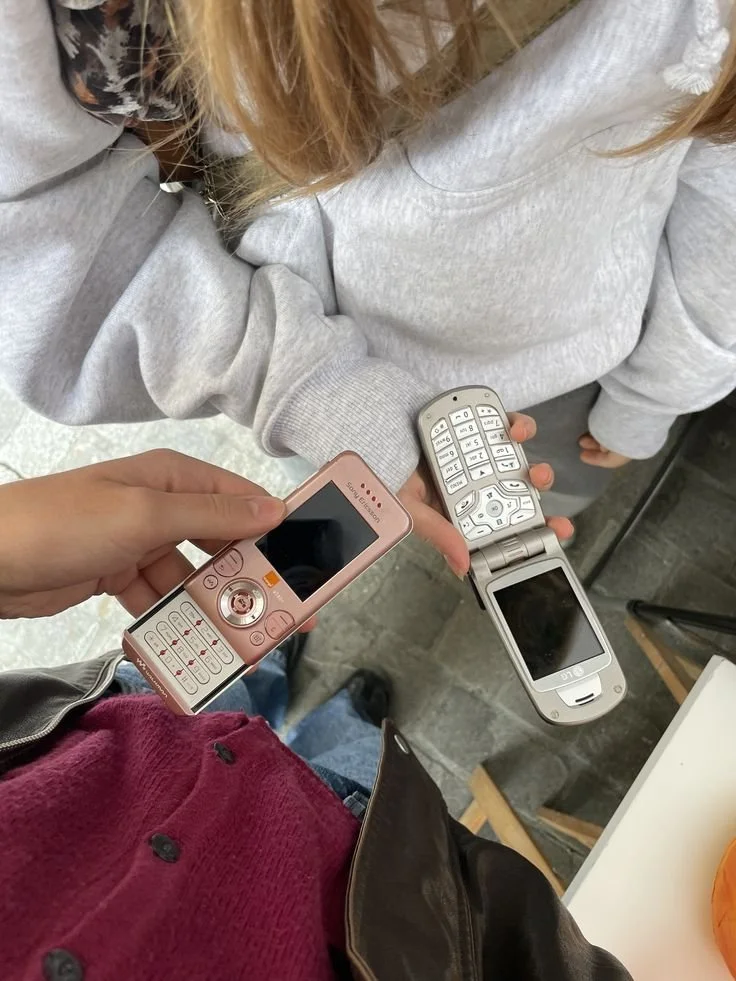
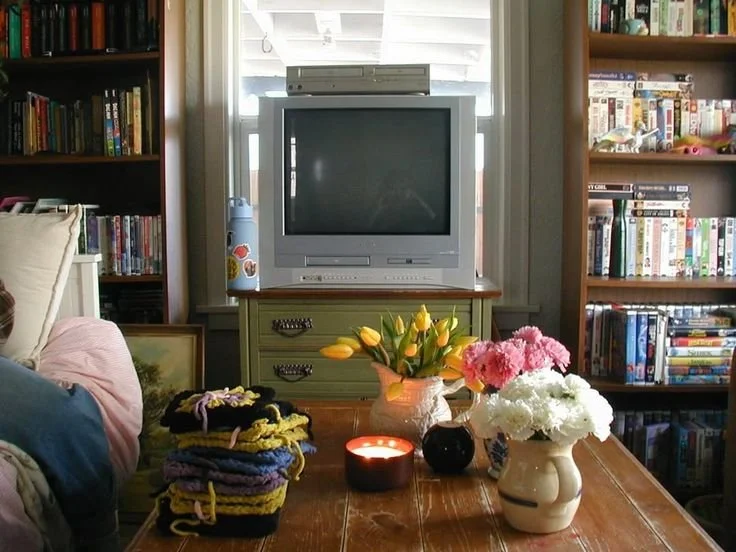
We live in a world of convenience. Everything at the touch of our fingers on one device. Rarely are we parted from a source of constant communication, entertainment, and information. And even in those fleeting moments where our technology fails, it's apparent how accustomed we’ve become to filling every spare second with instant gratification. Just a few decades ago, we had no choice but to find beauty in the mundane, in those times spent without constant stimulation. Now, an analogue life and the art of physical media seem to be swiftly vanishing. DVDs and VHS tapes traded for multiple streaming services, libraries swapped for Kindles, and vinyl records left by the wayside for Spotify.
This is not to say I don't understand the appeal of our modern world. I fill the awkward moments waiting in line at the store or stuck at home by opening my phone to look at nothing in particular. I’ve grown so intolerant of having moments alone that I choose the unsatisfying scroll over the risk of solitude. As much as I try to expand my attention span, I’ve realized that going analog goes beyond just limiting screen time; it’s a lifestyle choice. Making a major change in your habits requires replacing the habit. This is where physical media can make a difference.
Sourced through Pinterest
When I would open my phone to change my music, I often quickly decide to check my texts. Then my emails. And before I know it, I’ve spent an hour doing absolutely nothing. So instead, I put on a CD and listen to an artist’s work from beginning to end. It’s changes like these that can help detach you from the digital world. If you know you’ll be stuck in a waiting room, bring your current read or a crossword puzzle. If you find yourself not sure what to do in your free time, pick up a new hobby. Find something that challenges you, something that can consume you. But also realize that there are moments where you’ll be bored. Lean into that boredom.
More than just altering how you spend your time, going analog can provide a sense of having something that’s all your own. While there's a simplicity in digital media, everything in one convenient place, there’s no ownership. How many times have you gone to rewatch your favorite film only to find it’s been taken off of Netflix? Or maybe Hulu edited that one joke out of some sitcom episode? Your $9.99 a month doesn’t make you an owner.
Sourced through Pinterest
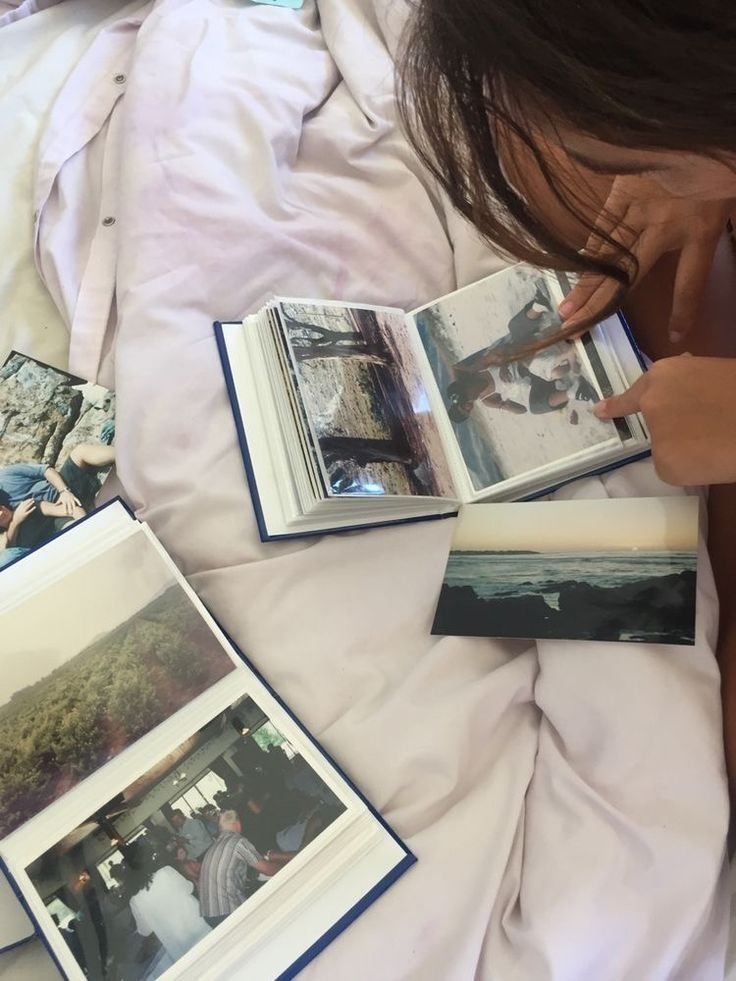
It’s that permanence in physical media that appeals, but its attraction also comes from its fleeting nature. Think of first-hand editions passed down through generations. It's all yours, it can't be taken away. It hasn't changed, and yet it has. Dog-eared pages from when you read it as a child. Notes from your grandmother are scattered throughout the margins. Old scraps of paper to mark favorite passages. These are things digital media can't recreate. There’s no substitute for holding a photograph in your hands. The frayed edges and all, and seeing yourself or loved ones, not as they are, but as they existed in this momentary blip in time. A physical transference you now hold in your hand.
This is not to encourage further consumerism. On the contrary, by turning away from the digital, we’re forced to become more mindful of what we consume. Instead of throwing on some show you won’t pay any attention to, you can choose from your own carefully crafted collection. Or maybe you’ll choose to crack a window instead and listen to the sounds of your neighborhood. Going analog is about slowing down and thinking about how you choose to spend your time. It’s about learning to live with life’s little inconveniences. So visit your local thrift store. Raid your parents’ CD collection. Hold on to your physical library as long as you can. Don't let anyone tell you it's a lost art. It's only lost if we let it be.