Niko Rubio Is Romanticizing the Mess
By Stella Speridon-Violet
Courtesy of @holanikorubio
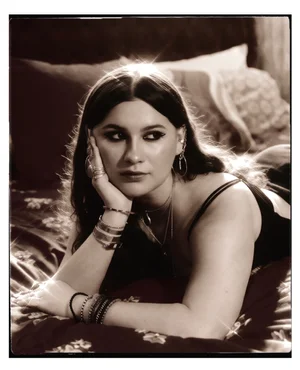
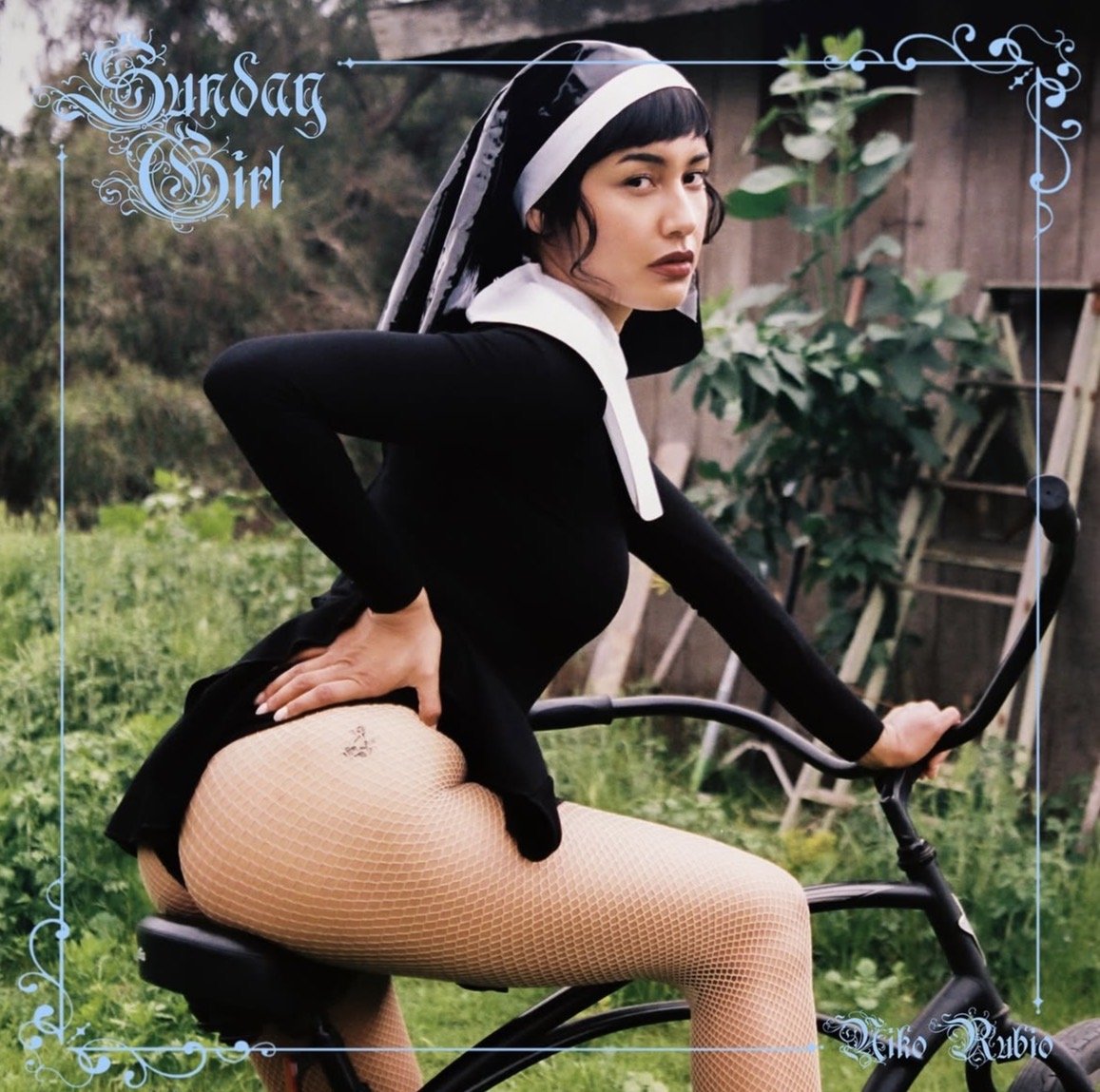
There’s something magnetic about artists who refuse to be boxed in, and Niko Rubio is one of them. With her latest EP, Sunday Girl, Rubio steps into a new chapter defined by freedom, femininity, and fearless self-expression. Equal parts dreamy California cool and emotionally raw confession, the project feels like a diary left open on the passenger seat after a late-night drive through Los Angeles.
For Rubio, Sunday Girl is more than a collection of songs; it’s a declaration of independence.
“Sunday Girl represents freedom in my womanhood, femininity, and sexuality,” she tells Gut Instinct Media. “This project represents a special moment in my life where I’m telling honest and sometimes cheeky but vulnerable stories about being a young single girl.”
That honesty is what makes Rubio’s music unique. While many artists sanitize heartbreak or glamorize dating chaos, Rubio embraces the messiness of modern romance with humor and candor. She describes herself as “a relationship girl,” someone who genuinely values the people she’s loved. But after re-entering the dating world, she found herself collecting stories and songs.
“I just started dating and going to parties, having fun, flirting, and not having to text anyone back,” she says. “I met some insane fucking dudes along the way. I mean, I had stories for days.”
That lived-in storytelling runs throughout Sunday Girl, especially on breakout track “Ride It”, which Rubio says was inspired by not one but two chaotic men, plus a chapter from “Sex and Rage”.
Equal parts literary reference and romantic whiplash, it captures the kind of sharp, sexy unpredictability that defines this era of her music.
But Sunday Girl is also about reclaiming identity. Rubio speaks candidly about the complicated relationship she once had with femininity and sensuality.
“I got boobs early and felt sexualized from a young age, and I hated it. I hated how I looked for a long time. I never felt pretty.”
Now, she says, that relationship has changed drastically. Through this project, she’s learned to appreciate her beauty, step into her power, and share parts of herself she never imagined putting into the world.
Courtesy of @holanikorubio
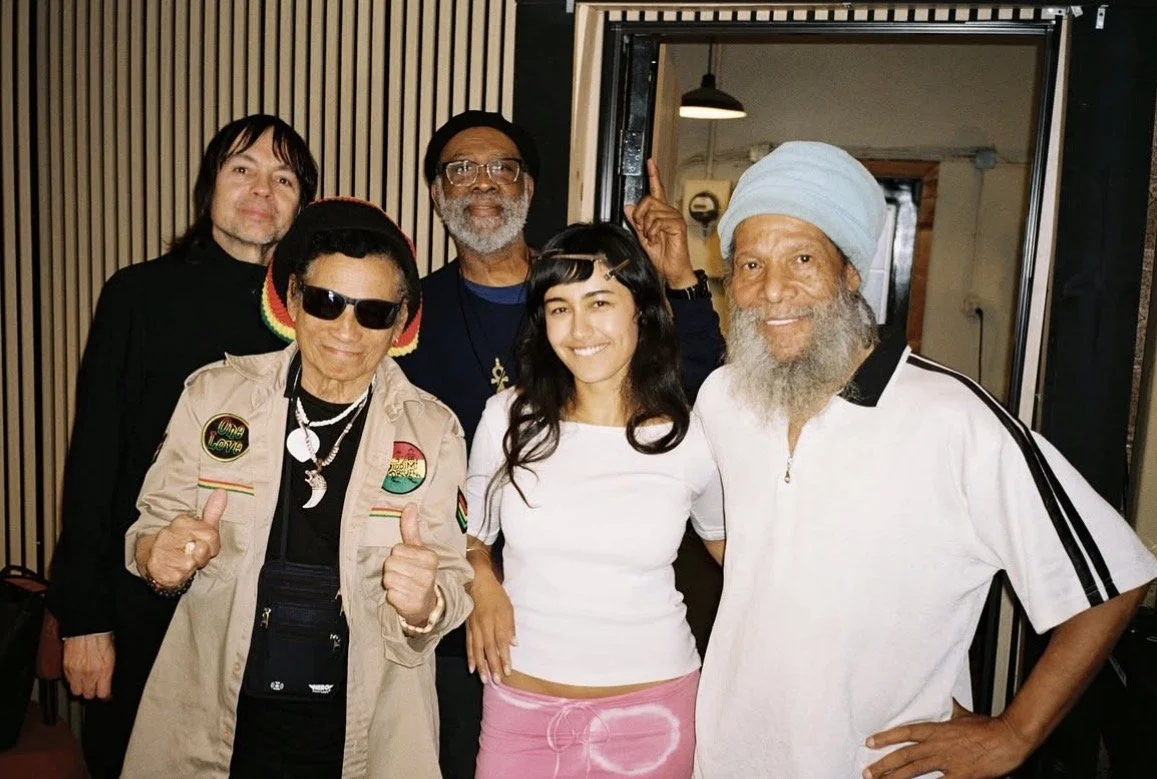
That evolution is mirrored sonically. Rubio’s sound pulls from Latin roots, reggae textures, indie-pop melodies, and alt sensibilities without apology. Raised bilingual and first-generation Mexican/Salvadoran, she cites artists like Soda Stereo, Shakira, and Julieta Venegas as early influences.
“My sound has become a melting pot of everything I love,” Rubio says. “I don’t like being tethered to a genre.”
That refusal to conform feels especially timely in an industry finally embracing artists who blend sounds rather than fit neat categories. Rubio calls music “the most beautiful vessel for reinvention and creativity,” and she’s clearly using it that way.
Her live career has already included opening for acts like Omar Apollo and The Marías, experiences that pushed her to dig deeper into her artistry and cultural identity. After touring with Apollo, she says she went to Mexico and began making reggae and indie rock in Spanish, inspired to explore herself more honestly through music.
Now, as visibility grows through recognition from platforms like Premio Lo Nuestro and Pandora, Rubio remains grounded.
“It feels really sweet to be recognized for the music.”
There’s no manufactured persona here, no algorithm-first pop formula. Rubio’s appeal lies in how human she feels, which is funny, reflective, sensual, romantic, chaotic, and evolving in real time. Sunday Girl doesn’t ask for permission to be complicated. It simply exists that way.
And in a culture obsessed with polished branding, that kind of honesty might be Rubio’s most powerful move yet.