No, You’re Not Having an “Anthony Bourdain Summer.” You’re Gentrifying the Neighborhood.
By Lindsay Paul
While our lives are increasingly being forced into social media algorithms and dating apps, people are on the hunt for authenticity and connection. AI and surveillance technology have streamlined and facilitated our lives to a point where spontaneous interaction feels unnatural. Young people are starving for experience and integrity; perhaps there is no better figure to satisfy these cravings than the late Anthony Bourdain.
In recent weeks, the chef and writer’s likeness has exploded across our screens, both big and small. On August 21st, director Matt Johnson’s Tony biopic will be released in cinemas nationwide. The A24 film starring Dominic Sessa is based on Bourdain’s early years as documented in his own bestselling memoir, Kitchen Confidential. The film has sparked contentious conversation online about what it means to idolize a man who was skeptical of his own celebrity, and to establish authority over a beloved figure who can no longer rectify the truth of his own life.
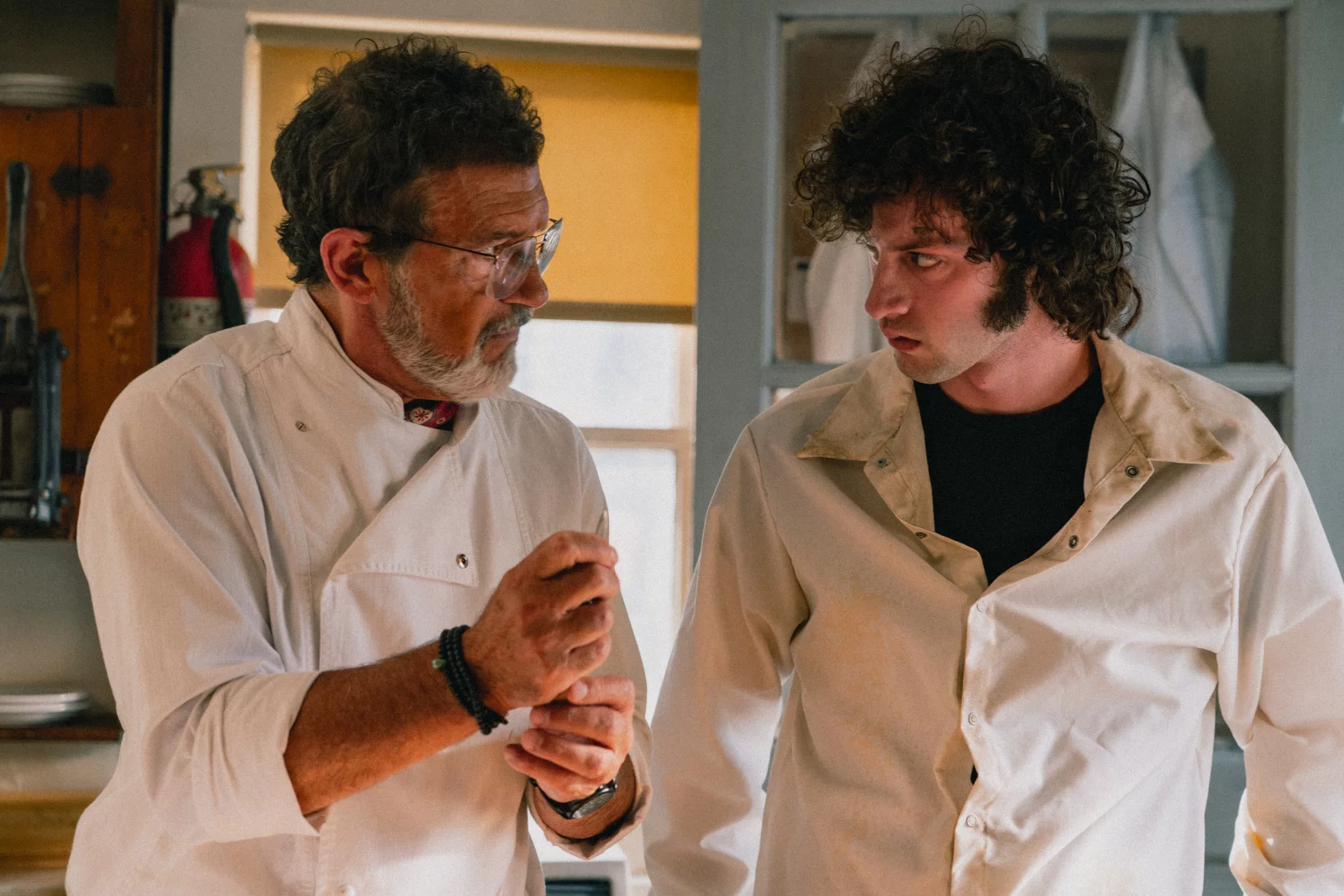
Seacia Pavao/A24
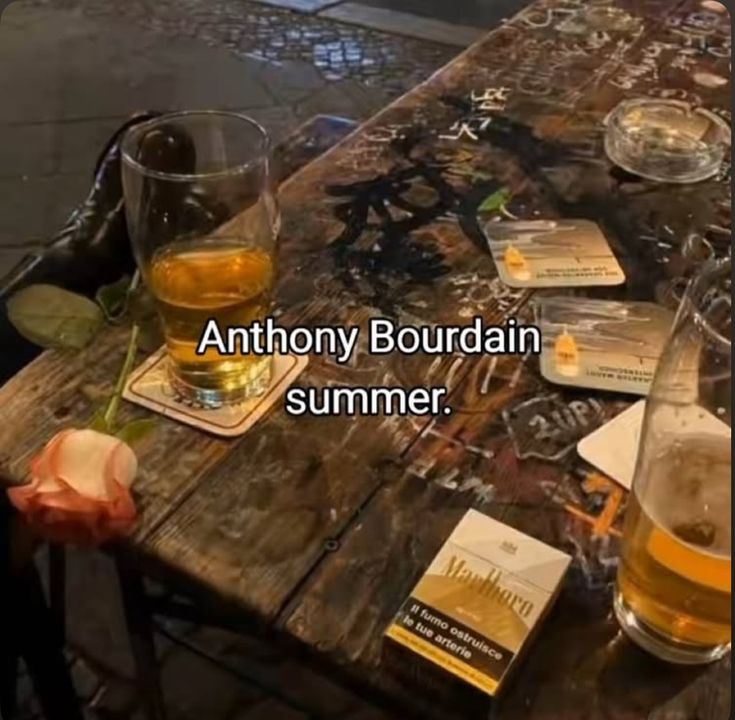
Meanwhile, on social media, a trend has been developing dubbed “Anthony Bourdain summer” or “Bourdain Girl summer.” On Instagram, this has culminated in viral posts of users recreating photos of Bourdain sitting at cafe tables in Paris or beaming in front of plates of raw oysters and a pint of Guinness. There are even Pinterest moodboards that promote cigarettes, bowls of ramen, and espresso cups as identifiers of his taste, as if the creators of these posts might know what that would have been firsthand.
While relatively harmless, the trend exemplifies the desynchronization of aesthetics from actuality. Users are capitalizing on Bourdain’s celebrated persona as a signifier of their own good taste and high-brow intelligence. Just like Che Guevara’s face on a t-shirt or Frida Kahlo’s self-portrait on a tote bag identify an unspoken political leaning or belief system, Bourdain’s statements and likeness can be repeated in conversation, purchased on a piece of clothing, or referenced in a photo dump. The beliefs he stood for, however, cannot.
His untimely death in 2018 turned the man into an almost mythic, religious figure in the cultural canon. He became the definitive face of unabashed curiosity, worldliness, and good taste. But while he was often carefree and receptive in his life and travels, Bourdain was deeply critical of systems of power.
In his television shows, he often showed solidarity with immigrants, women, and people suffering from colonization and capitalism. He wasn’t merely visiting countries to check off a box or get a passport stamped; he was exploring histories of violence and embracing new cultures to educate audiences, especially American ones, about the diversity and breadth of the world.
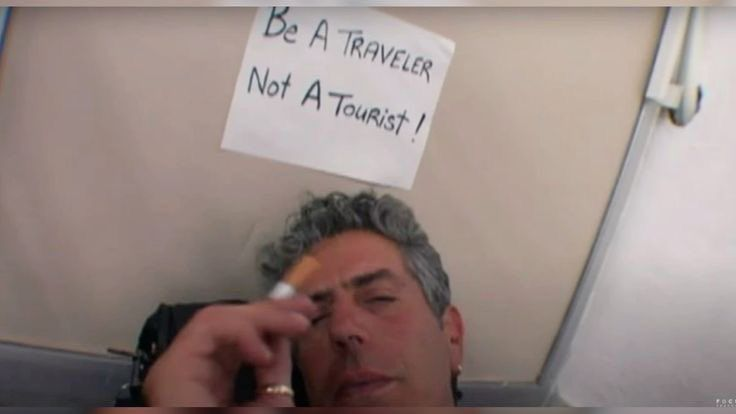
Upon visiting countries like Iran for Parts Unknown, he confronts his propagandized American perspective of the country. In the episode, he explains his confusion at being warmly welcomed by the Iranian people and their hospitality despite the version of the country that was sold to him by U.S. media. In Singapore, while sitting at a table with wealthy locals, he didn’t mince words when he condemned them for “living off the labor of an oppressed underclass” when discussing the use of maids and doing one’s own laundry in the country.
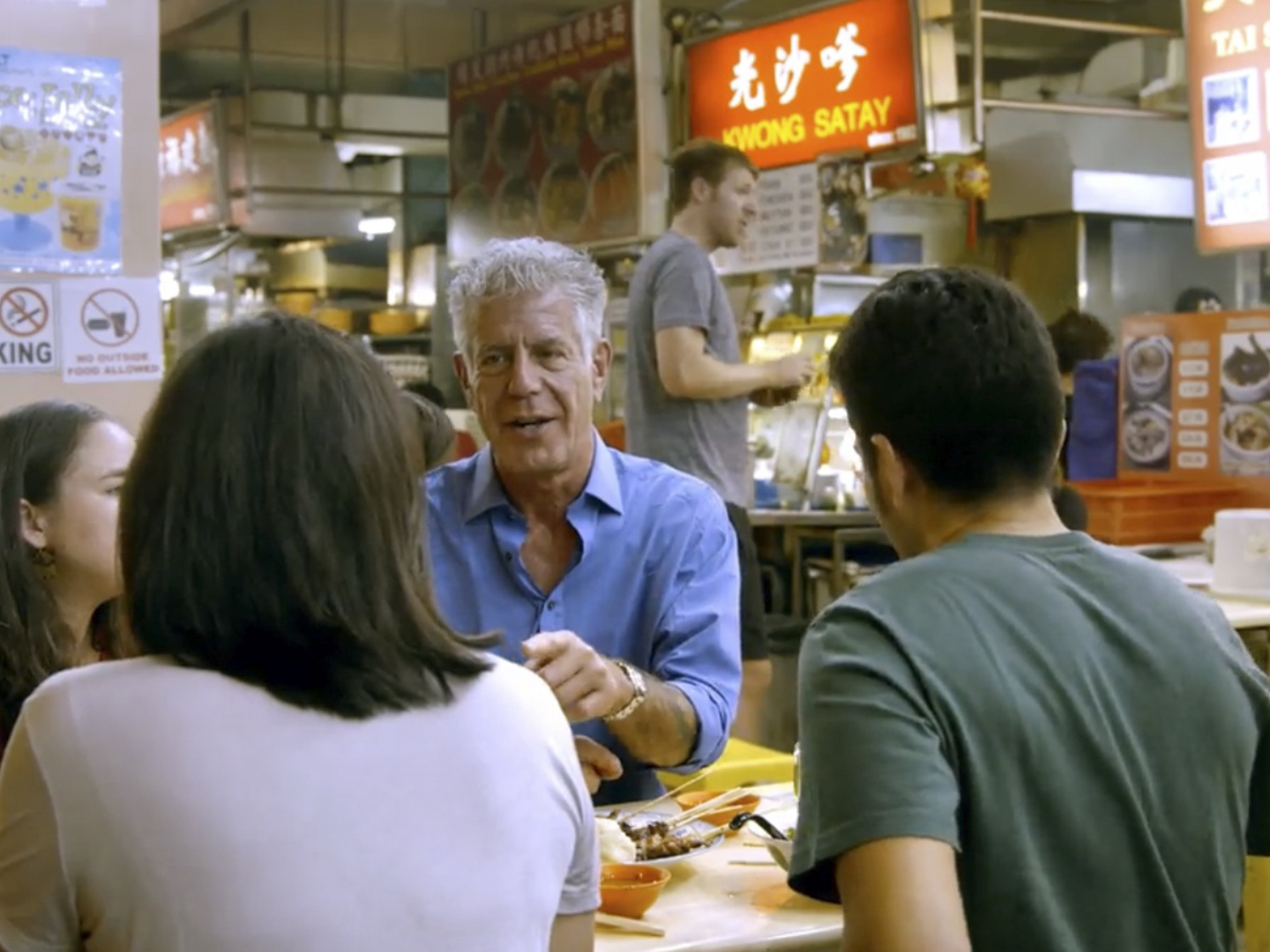
Amazon Prime Video
What made Bourdain beloved to audiences was his raw candor and ability to connect with people from anywhere in the world all while showcasing the beauty of their cultural differences. It is this axiom that has both inspired the misinformed social media trend and sits at the heart of people’s desire to build community and gather in “third spaces” in a moment of rapid technological evolution.
A “third space” is a term that has gained popularity in recent years and is defined as a meeting place, often an affordable one, outside of home or work. In many ways, the search for communal spaces has become a fight against the increasingly capitalistic and digital lifestyles we are being forced into.
In these places, people might aspire to become locals and have their drink order memorized by friendly bartenders and baristas, or they might simply be looking to meet new faces. However, these spaces often propagate the exact issue they are attempting to solve: gentrification.
Instead of meeting at mom-and-pop-owned diners, grungy dive bars or even the local library, people are seeking out curated and aesthetically pleasing backgrounds. They are patronizing places where they can see and be seen rather than experience community and support neighborhood businesses in need.
While pleasant and charming, wine bars exclusively serving small plates and orange wine, artisanal cafes importing ceremonial-grade matcha, and vinyl listening bars charging $18 for a whiskey sour are not necessarily pillars of a community.
Establishments like these disguise exclusivity as mutual connection. They are spaces carved out for Instagram photo dumps and for creative directors to convene during fashion week. They effectively bar and ostracize people without the social or financial capital to understand the unspoken politics and rules of these spaces.
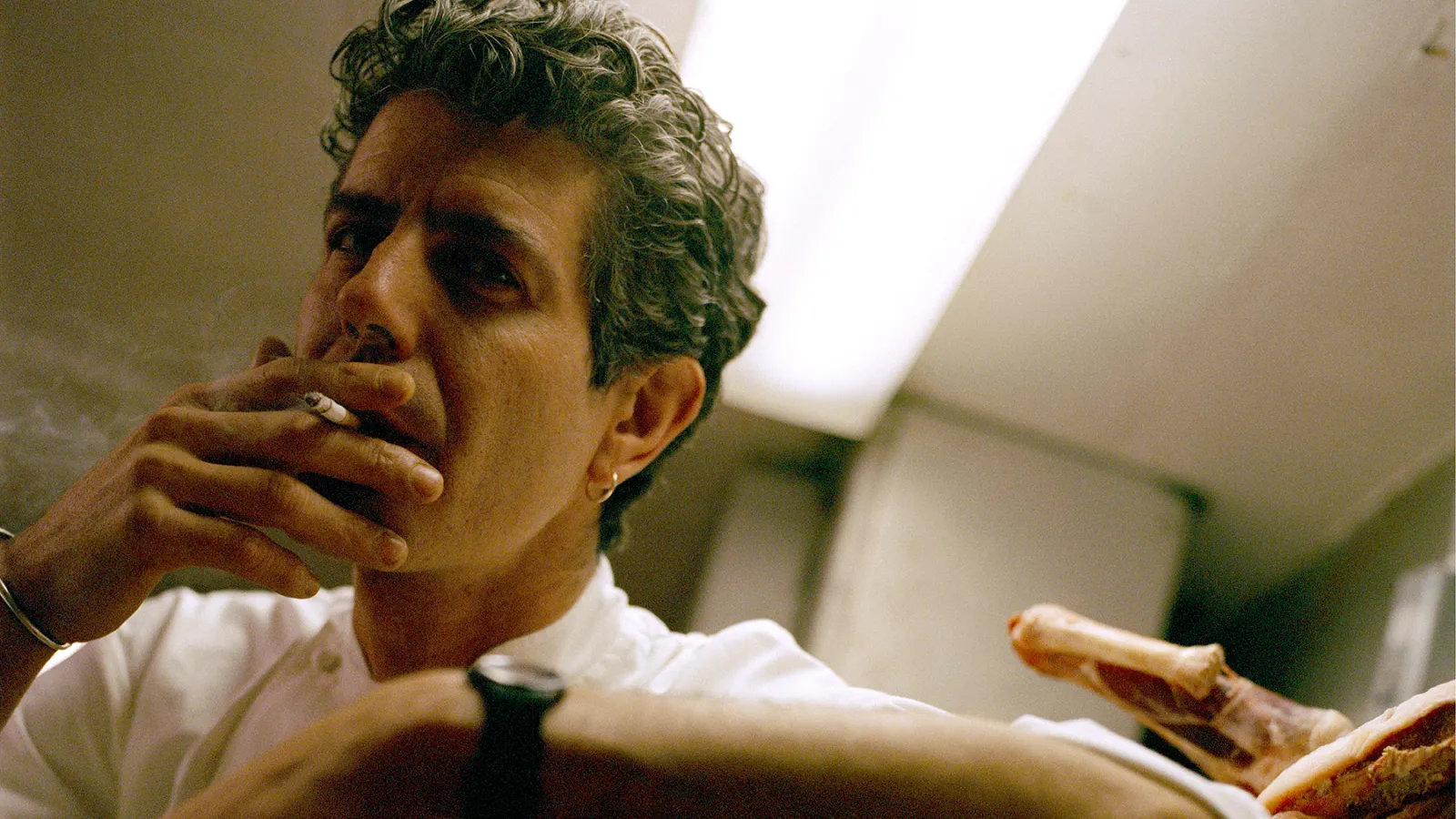
Rolling Stone/Mike Persson
In these environments, people can cosplay as Bourdain by talking about the sophistication or quality of a dish or the authenticity and style of the interior decoration. They can drop his name in conversation, avoid ordering seafood on a Monday, and travel to Vietnam to follow in his footsteps, but unless they are truly interacting with the local populations and interrogating their own presence in a particular place, they are blaspheming the preachings of their own saint.
To idolize Bourdain without first practicing his ideals is to disrespect his life and work. TJ Everwine brilliantly diagnosed this problem with the social media trend in a video posted to Instagram saying, “They’re just some bitch with an outfit, cosplaying poor, smoking a cigarette, and riding a bike.” In other words, you can’t claim to be having a Bourdain summer unless you are anti-colonial, anti-capitalist, and pro-immigrant.
The crux of an Anthony Bourdain summer is alluring and even prudent amidst a world that is rapidly changing. Authenticity and community are noble desires to aspire to at any time, but especially now as the effects of AI and climate change weigh heavily on everyone’s mind. The lessons that Bourdain championed are worth celebrating and replicating, but they must be done from a place of genuine curiosity and an aspiration for a better, more just world, not for a well-curated Instagram post.