The Caribbean Paradox: A Body Can Be Celebrated and Still Not Be Free
By Nomi Makin
The Caribbean knows how to celebrate pleasure.
From Carnival to dancehall, our bodies are rarely taught to apologise for taking up space. Music encourages us to wine. Parties encourage us to reveal skin. Joy is loud, physical and deeply communal. Our culture is colourful, rich and expressive.
But does expression actually equal freedom?
The West often mistakes visibility for liberation.
We assume that because Caribbean communities dance more openly and discuss sex more freely, they must also enjoy greater sexual freedom. But skimpy Carnival costumes don't automatically equal bodily autonomy. Dancing doesn't guarantee consent. Confidence isn't an invitation. Perhaps that's the contradiction at the heart of Caribbean sexuality: bodies are celebrated publicly while autonomy is still negotiated privately.
To acknowledge these contradictions isn't to deny the joy that sits at the heart of Caribbean culture.
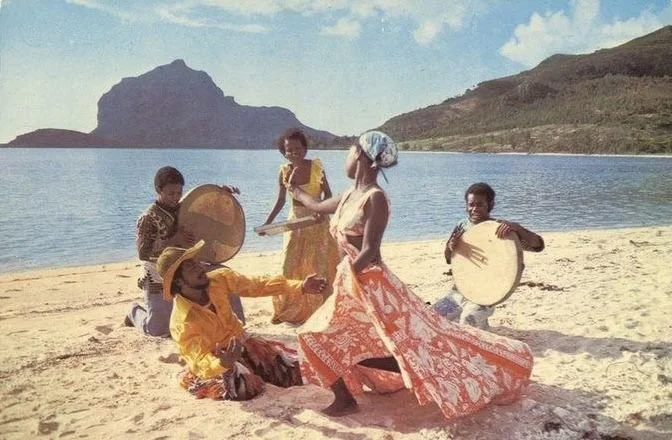
In many Caribbean islands, pleasure is less of an individual pursuit and more of a communal experience. Parties and Carnivals become epicentres of expression. Music extends beyond sound and becomes experienced collectively. Street parties spill into everyday life, and family gatherings remain central to our culture. Food, rhythm, movement and celebration are rarely experienced alone. In the Caribbean, pleasure isn't always private. More often than not, it's shared.
That same openness naturally extends to intimacy and sexuality. Affection is openly expressed and sometimes even encouraged. Everyday music openly discusses romance and desire. Bodies and sex are topics of normal conversation and nowhere near as taboo as they are in the West. Even the weather enforces the idea that Caribbeans are exceptionally sexual. Research suggests that greater sunlight exposure increases libido, and in tropical regions like the Caribbean, year-round warmth definitely contributes to greater openness around sexuality.
Yet reducing Caribbean sexuality to sunshine would ignore centuries of history.
Colonialism imposed rigid rules on sexuality throughout the Caribbean. European powers forced Christian moral codes onto African and Indigenous communities while simultaneously exploiting the bodies of enslaved women as part of the plantation economy. The contradiction was staggering: sexual purity was preached while sexual violence was institutionalised. The echoes of that history are still with us today. Ideas about respectability, femininity, masculinity and desire continue to shape the way many Caribbean societies think about sex.
Of course, the Caribbean isn't a monolith. Jamaica's relationship with sexuality has been shaped by dancehall, evangelical Christianity and a long history of conservative attitudes towards LGBTQ+ people. Trinidad and Tobago's Carnival embraces sexuality through masquerade and collective celebration, while Cuba has followed a very different political and social trajectory. What connects these islands isn't a shared attitude towards sex, but a shared negotiation between pleasure, history and power.
In Jamaica, one of the clearest examples of that contradiction plays out in Dancehall. I love Dancehall wholeheartedly, but it's hard not to cringe when a sea of lighters rises from the crowd as songs encourage men to publicly affirm both their heterosexuality and their hostility towards queer people. Songs I grew up listening to (like Batty man fi dead and Nah apologize) whose lyrics are chemically wired in my brain, openly express hatred for queer men.
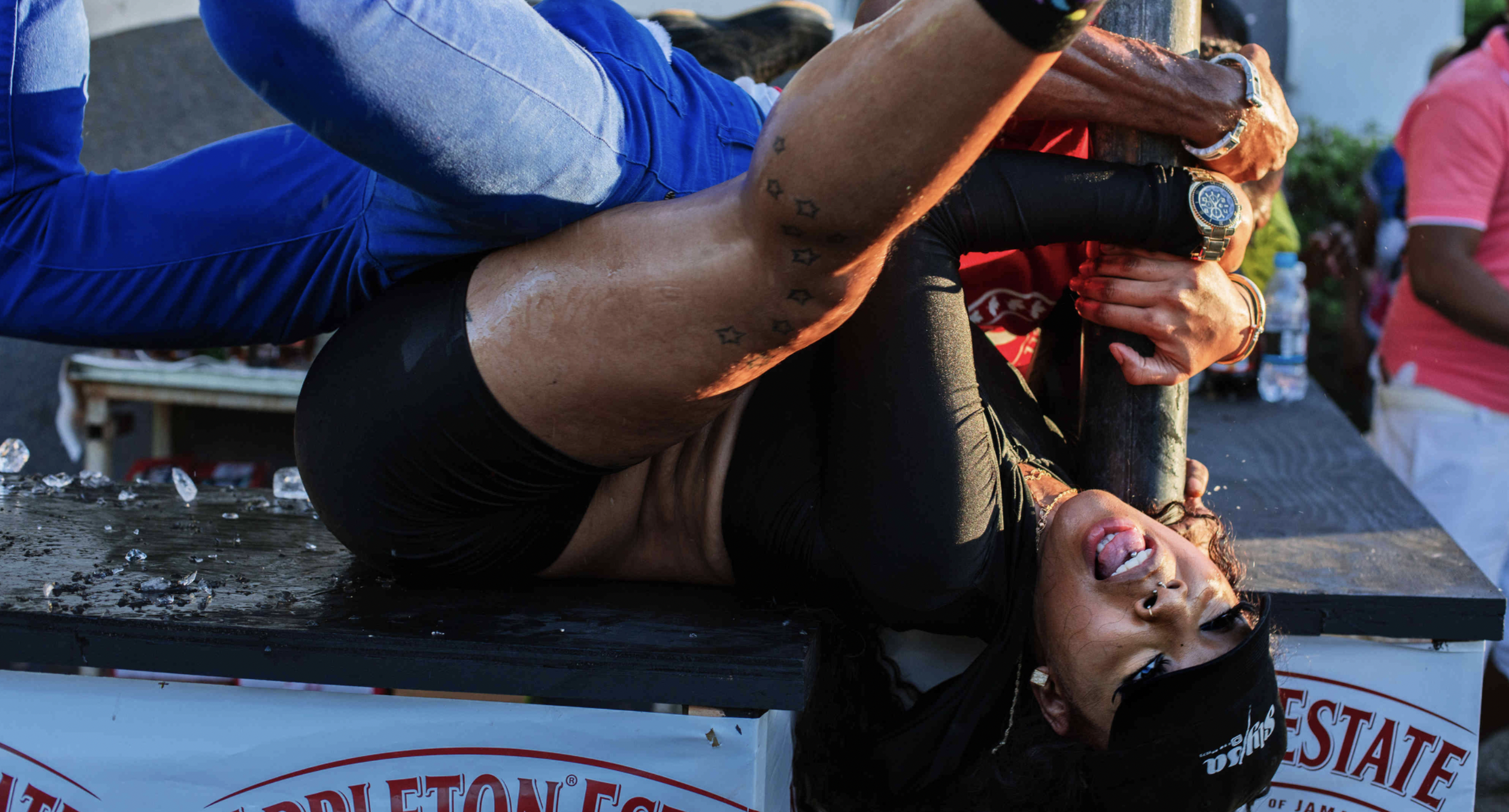
Yet on the flip side, feminine sexuality is celebrated almost relentlessly. Dancehall Queens take centre stage. ‘Gyal tunes’ are dedicated to women whining, dancing and embracing their sexuality. Women are encouraged to embody confidence, but confidence only seems acceptable while it remains entertaining. The moment women begin defining sexuality on their own terms (like choosing who touches them or rejecting advances) the celebration often disappears.
I have a special place in my heart for Dancehall. There is something completely intoxicating about a proper Dancehall party. The bass vibrates through your body, everyone is lit and looks good. The energy is unlike anything I've experienced elsewhere. It's impossible not to get caught up in it. But the more time I've spent in these spaces, the more conflicted I've become.
Compared with other Caribbean dance styles, such as salsa and bachata, Dancehall often feels far more individualistic. Other dances are built on partnership. They're flirtatious, intimate and sensual, but the movement belongs to both people. A mutual partnership. Dancehall, on the other hand, can sometimes feel more like performance than participation. Women skin out, wine and bruk out while crowds (often largely of men) gather to watch. At times, it feels less like a shared celebration of sexuality and more like a spectacle, where the female body becomes the entertainment.
Dancehall itself is, of course, not the problem. It didn't invent these gender dynamics; if anything, it reflects the society that created it. For many women, becoming a DHQ has been a route to visibility, influence and financial independence. The culture has produced performers, choreographers and entrepreneurs who have built careers from owning their sexuality on their own terms.
Like much of Caribbean culture, Dancehall exists in contradiction. It can be both empowering and exploitative at once, depending on who holds the power, who is watching and, most importantly, who gets to choose.
I think I've had more interactions with men in Jamaica than anywhere else I've ever been. "Psst brownin." "Stiff titty." "Fat pumpum." The comments are so frequent that I almost start anticipating them before they happen. Walking down the street in Jamaica stops feeling like a simple task and becomes an exercise in mentally preparing for whichever comment was coming next. It wasn't the interactions that unsettled me; it was the entitlement woven into them. As though I am only a body and not a real person inside.
One afternoon, while I was getting lunch at Veggie Campus (highly recommended), a man approached me. He smiled gently and asked, "How are you?" I actually paused. It caught me off guard because it felt so normal. I remember thinking, "He's a good man, Savannah!” Lol. And that maybe he was just being friendly. Before I'd even finished answering, he looked me up and down and said, "I can see myself making you squirt." I mean!!!!! Come on.
The more time I spent in Jamaica, the harder it became to separate sexual expression from sexual entitlement.
It would be easy to dismiss these moments as isolated encounters or cultural differences. But they begin to feel heavier when placed alongside the harsh reality. According to Jamaica's 2023 Violence Against Children and Youth Survey, nearly one in four young women experienced sexual violence before the age of 18. While women disproportionately bear the consequences of gender inequality, they are not the only people shaped by it.
The politics of Caribbean sexuality shape men just as profoundly.
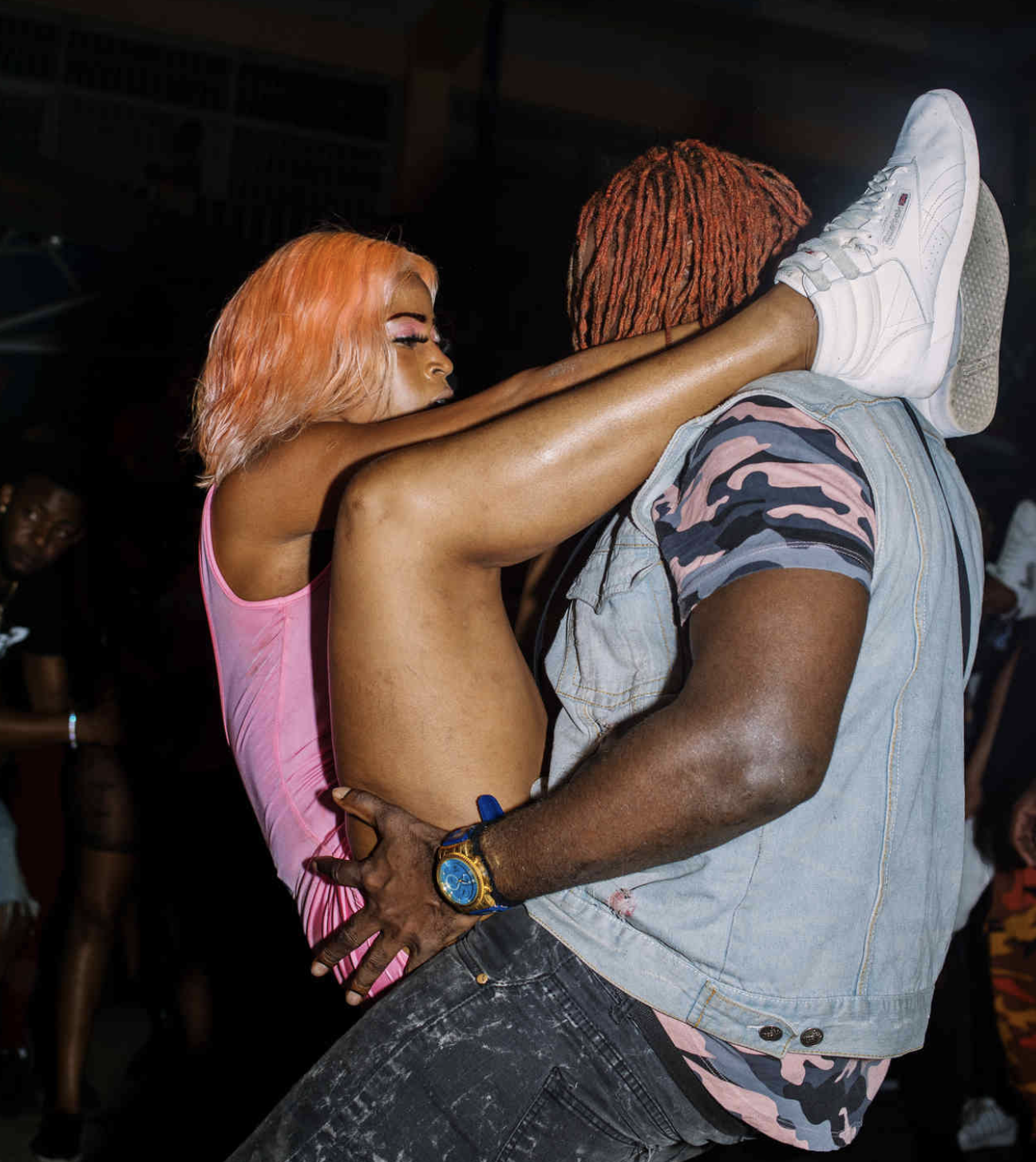
One thing often missing from conversations around Caribbean sexuality is the pressure placed on men and why their attitudes manifest in the way they do. Traditional Jamaican masculinity leaves little room for vulnerability. Manhood is often measured by sexual conquest, confidence and dominance, while emotional openness is dismissed as weakness. Chasing women becomes less of a personal choice and more of a performance expected by others. Homophobia, too, has long functioned as a way of policing masculinity, where rejecting anything perceived as feminine becomes proof of being a ‘real man’. In that sense, misogyny doesn't exist in isolation; it is reinforced by a version of masculinity that demands constant performance. While women often bear the consequences, men are also confined by a culture that rarely allows softness, uncertainty or emotional intimacy.
When both women and men are confined by rigid ideas of femininity and masculinity, freedom starts to look more like performance than liberation.
Caribbean culture deserves to be celebrated for its openness and refusal to treat pleasure as shameful. But if pleasure only belongs to some, then it isn't freedom at all. A society can’t dance openly while still policing women's bodies. It can’t celebrate sex while silencing queer people. It can’t market liberation to tourists while denying autonomy to its own people.
A body can be celebrated and still not be free.