‘Show Me Your B00ks’: The Problem with Making Reading ‘Sexy’
By Zoe CN Smith
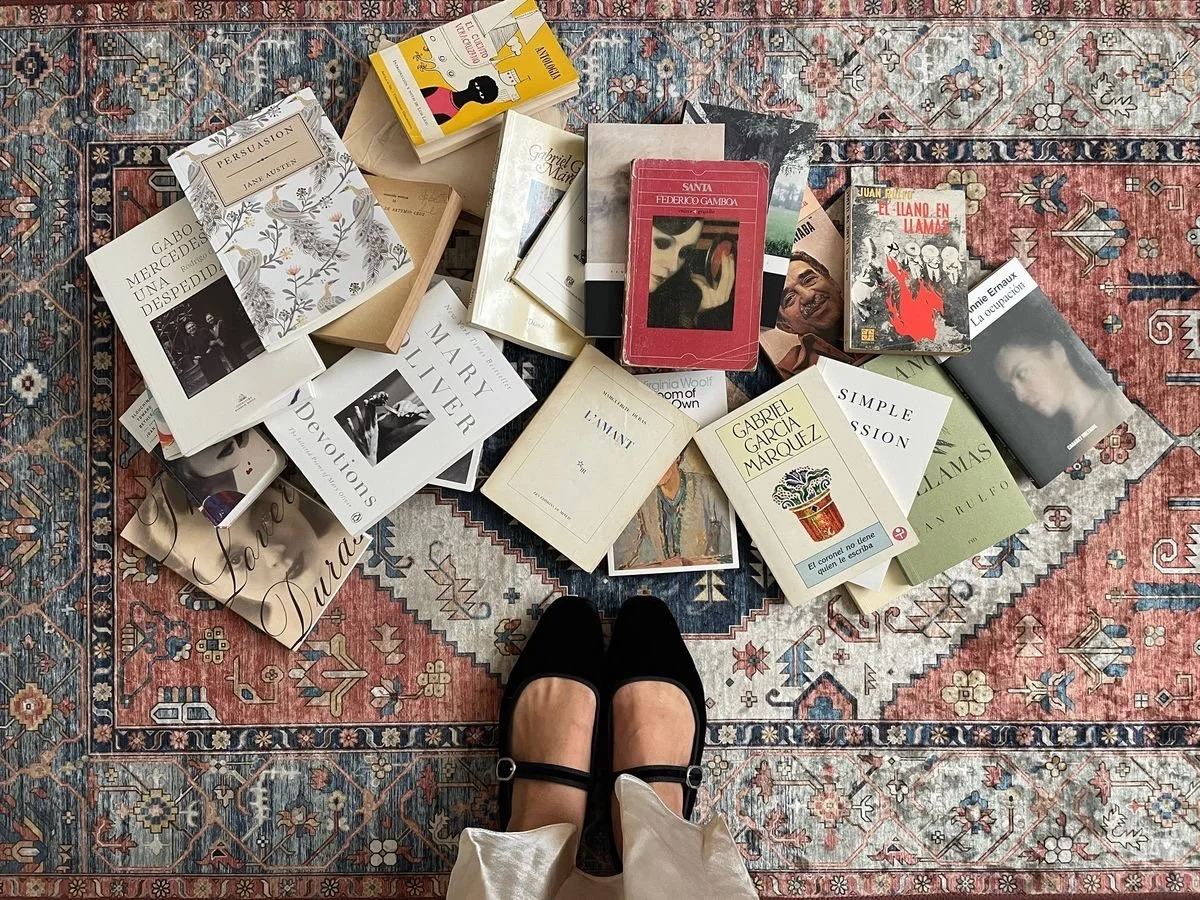
Credit: @montseil
Sit on the train and pull out a paperback to read nowadays, and you might find yourself at risk of being accused of ‘performative reading’. That is, of reading not for genuine interest, but to adopt the associations of taste, depth, and intellect associated with being someone who reads for pleasure. Initially an act associated with the ‘performative male’ stereotype (alongside possessing fake pseudo-feminist beliefs and a proclivity for matcha), performative reading satirises the way reading is now widely considered a marker of attractiveness and those who attempt to use it to enhance their cultural clout.
Jokes around performative reading land because they speak to a broader cultural shift: just being ‘hot’ today isn’t enough anymore. With the mainstreaming of Ozempic and face lifts (which might as well be head transplants), beauty has become increasingly accessible to whoever can afford it. And as more and more regular people invest in ‘tweakments’ spurred on by the idea that their looks are an asset worth investing in, beauty’s democratisation has lessened its exclusivity for the old-guard elites, thereby reducing the weight of its cultural cache. No longer able to solely signal status through being optimised on the outside, we’re turning to our insides, looking to differentiate ourselves through our minds and intellect instead. Against this backdrop, reading has become the ultimate flex, communicating taste, intelligence, and the luxury of having the time to turn pages in a time-poor economy. And unlike beauty, it’s the perfect status symbol for ethically-minded Millennials and Gen Z due to its inclusive exclusivity: reading has considerably fewer barriers to entry from both an effort and cost perspective. Plus, it can’t hurt that it looks good in pictures, too.
Enter: a sexed-up new intellectual aesthetic. As the last few years have seen us superficially seem like we’re shifting focus from ‘hotness' to intellect as a signifier of cultural status, the semiotics of reading seem to be doing the opposite. Lately, I’ve noticed that the way Millennials and Gen Z engage with literature online increasingly borrows language around physical beauty and desirability — more specifically, the ideas of ‘hotness’ and ‘sexiness’. We can see it manifest in the unofficial genre of literature dubbed ‘Hot Girl Lit’, encompassing writers like Ottessa Moshfegh, Sylvia Plath, and Sally Rooney. We can see it in the taglines ‘Hot Girls Read Books’ and packaged up in cotton Baby Tees sold by Cou Cou Intimates and sported by Dua Lipa reading ‘Show me your b00ks’. The phrase, emblazoned across the front of the shirt in black Times New Roman Font, is a cheeky internet-coded innuendo, the implication being that the ‘hottest’ girls aren’t just readers, they’re culturally literate too. This is a contemporary conception of literariness that rolls hotness, cultural status, and intellectualism together. By collapsing these traits to render them virtually interchangeable, it turns reading into its most hollow and performative iteration yet: pure image.

Credit: Cou Cou Intimates / Dua Lipa
This is nothing new. Like all trends, this is a modern development from a long history of books as signifiers of status, which I won’t go into, but has been covered extensively by Mina Le in her prescient 2024 commentary ‘booktok & the hot girlification of reading’. Instead, I want to focus on how the aesthetic pressures and complexities bound up in the semiotics of ‘reading is sexy’ movement are undermining the substance of the practice, regardless of how earnest or ironic the ‘sexy’ branding is, or whether it’s little more than a linguistic shorthand to connote ‘cool’, (à la ‘that’s so hot’ Paris Hilton). Reminiscent of the recent slew of ironic and comedic ‘girl’ trends (#girlmath, #girldinner, etc.), which often tap into this similar ‘hot rhetoric’, such commodified framing risks minimising serious interests and practices for women, and does a disservice to those looking to celebrate their literary interests. When we interchangeably associate physical attractiveness with an intangible intellectual pursuit, we once again place desirability (and indirectly, beauty) back on a pedestal as the ultimate measurement of cultural status. It might be someone’s end goal to use reading to land a date, increase their cultural capital, or impress someone, but that’s all a personal matter of circumstance. It’s not, and should not be marketed as a means to an end. Because ultimately that’s what a trending aesthetic is: a form of marketing.
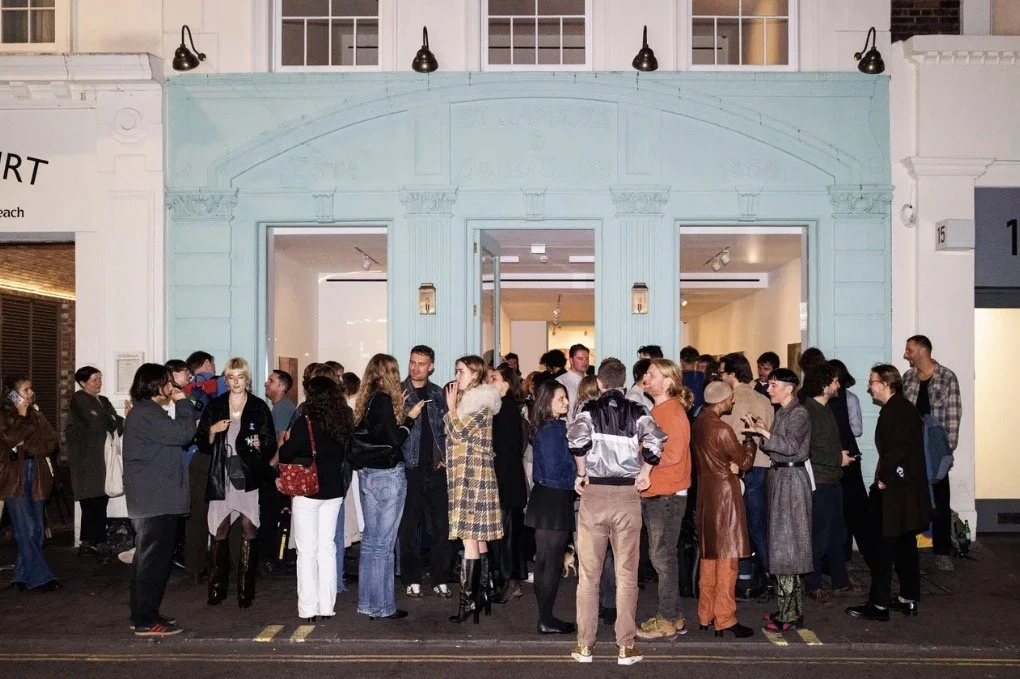
Credit: Soho Reading Series
This is true of the current cultural narrative people are trying to drum up around the rising London Literati scene as cerebral, fun, but most importantly, sexy. In a piece by James Greig for The Londoner, he independently interviews both Paul Johnhathon, founder of literary reading event Deleted Scenes, and Tom Willis, founder of The Soho Reading Series. In both, he identifies their desire to emphasise their event (and by extension, literature’s) cultural clout through coolness, be it of their guests, hedonism of the party, or even perception of the event. Johnathon talks of the sexual credentials of his event, stating, “my event is the only one that ‘fucks’. Believe me, those bathrooms have seen a lot’”, whilst Willis speaks of contributing to a movement which makes ‘literature cool again’ — although some attendants have famously disagreed with his execution. This isn’t to criticise the existence of events like these and the atmospheres they’re looking to provide. Their popularity has proven there’s an audience for it, and their efforts to create literary events and third spaces are worth appreciating. What it does make me reflect on is what it means for us that the predominant mainstream representation of literature and literary communities for young people is between #BookTok and Hot Girl Lit, the cool fashion-forward Literati, or an Instagrammable aesthetic. Who, or what kinds of people, do we alienate when we attribute conventional aesthetics and fashionability to literariness?
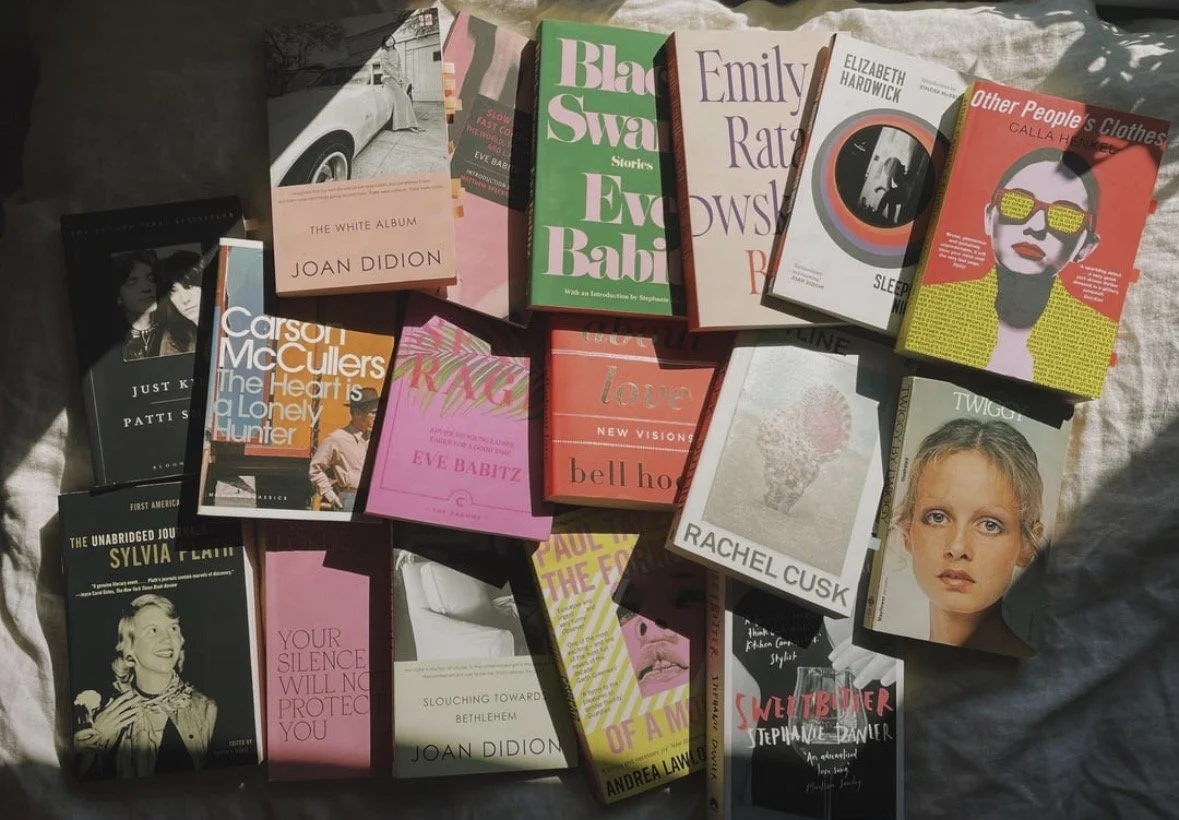
Sourced through Reddit
Reading is ‘hot’ for some and boring for others. Maybe it’s also a bunch of other things, as things always are when they’re not limited to singular interpretations. It’s also personal to each reader. For me, reading is a continuous exercise in empathy. It’s an education rooted in escapism: literature is the closest you could get to inhabiting the mind of another person across every kind of category, from time period to ethnicity, and it’s impossible to remain unchanged from reading something without learning something new. Treating our literary attention as a means to an end for a ‘hot’ or ‘sexy’ aesthetic narrows such processes and reduces a practice that is deliberate and effortful to the instant gratification typical of the digital age. Because the truth is, reading can be a slow process. Often challenging, too. When we read without care for what’s fashionable and open ourselves up to the vast libraries of information at our disposal, we cultivate great imaginative spaces and develop our capabilities for critical thought, and originate our own creative ideas. That’s why, for now, I’ll turn my phone off and pull out my paperback on the train. There, I’ll be reminded that all that matters is what happens between me and the book in my hand. And you know what? That’ll be just fine by me.