Step Inside the Box: How Szilveszter Makó Saved the Editorial
By Amy Walter
We all remembered where we were when Vogue dropped their December 2025 cover. A cover where Timonthée Chalamet is lost against something reminiscent of a pair of 2016 galaxy leggings. It was the perfect end to a rather chaotic and depressing year for the magazine.
From the firing of its Teen Vogue staff to Anna Wintour’s departure to a feature on Jeff Bezos' wife, the general consensus became that Vogue had become out of touch, officially. It had a looming reputation over the magazine for the last few years as accusations of repetitive covers had left people bored, searching for the next fashion magazine to take its place.
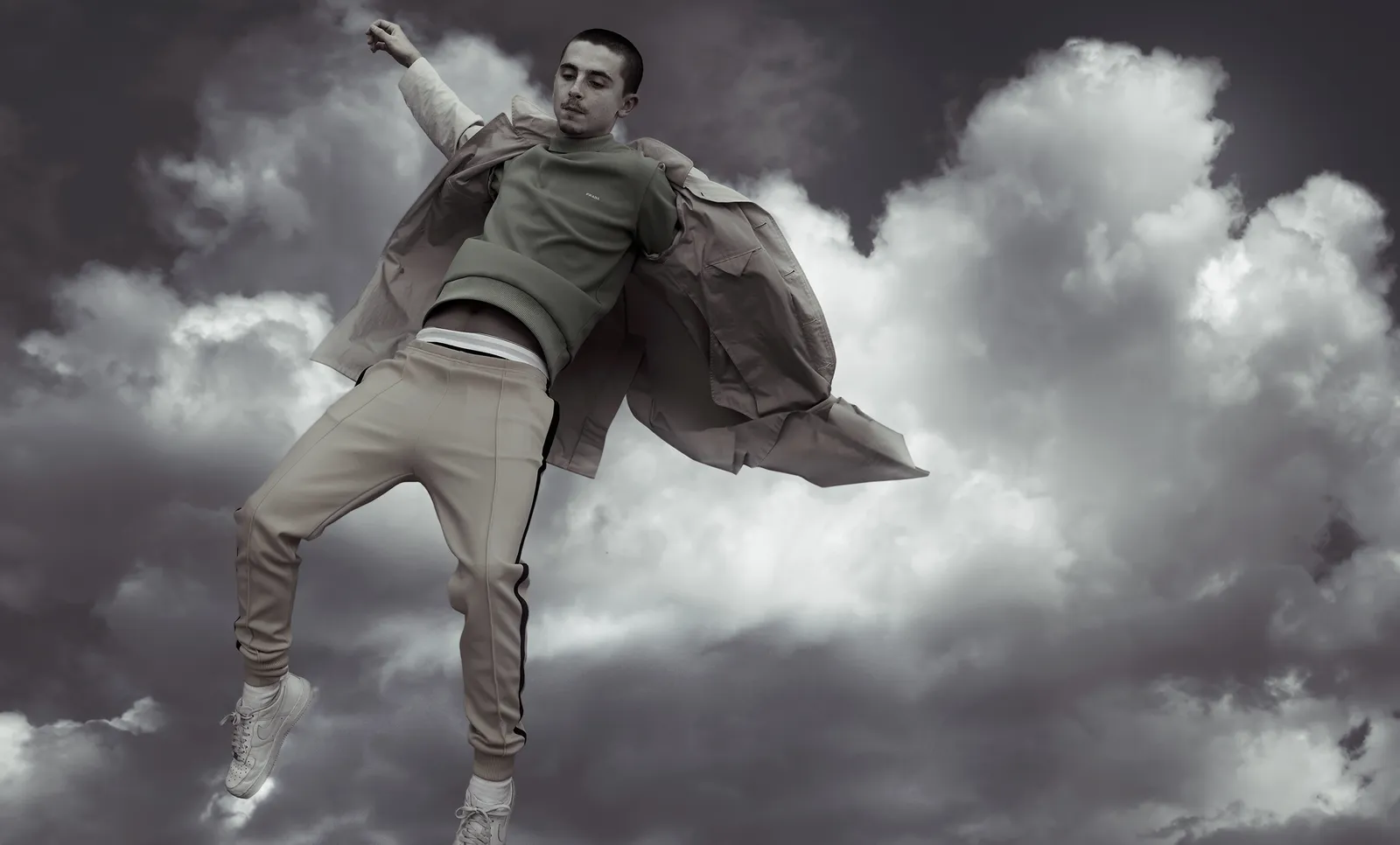
Timonthée Chalamet taken by Annie Leibowitz for Vogue.
Many competitors were waiting in line; could it be Cosmopolitan? Vanity Fair even? Or maybe GQ? And yet, they all still had one thing in common: being owned by the media company, Condé Nast. Something of an overlord to the remaining print media consumed within the US and globally. But there is still hope, the independent magazine. The savior from the same adverts, accusations of AI shoots, and buddying up with billionaires that we have seen in some other magazines.
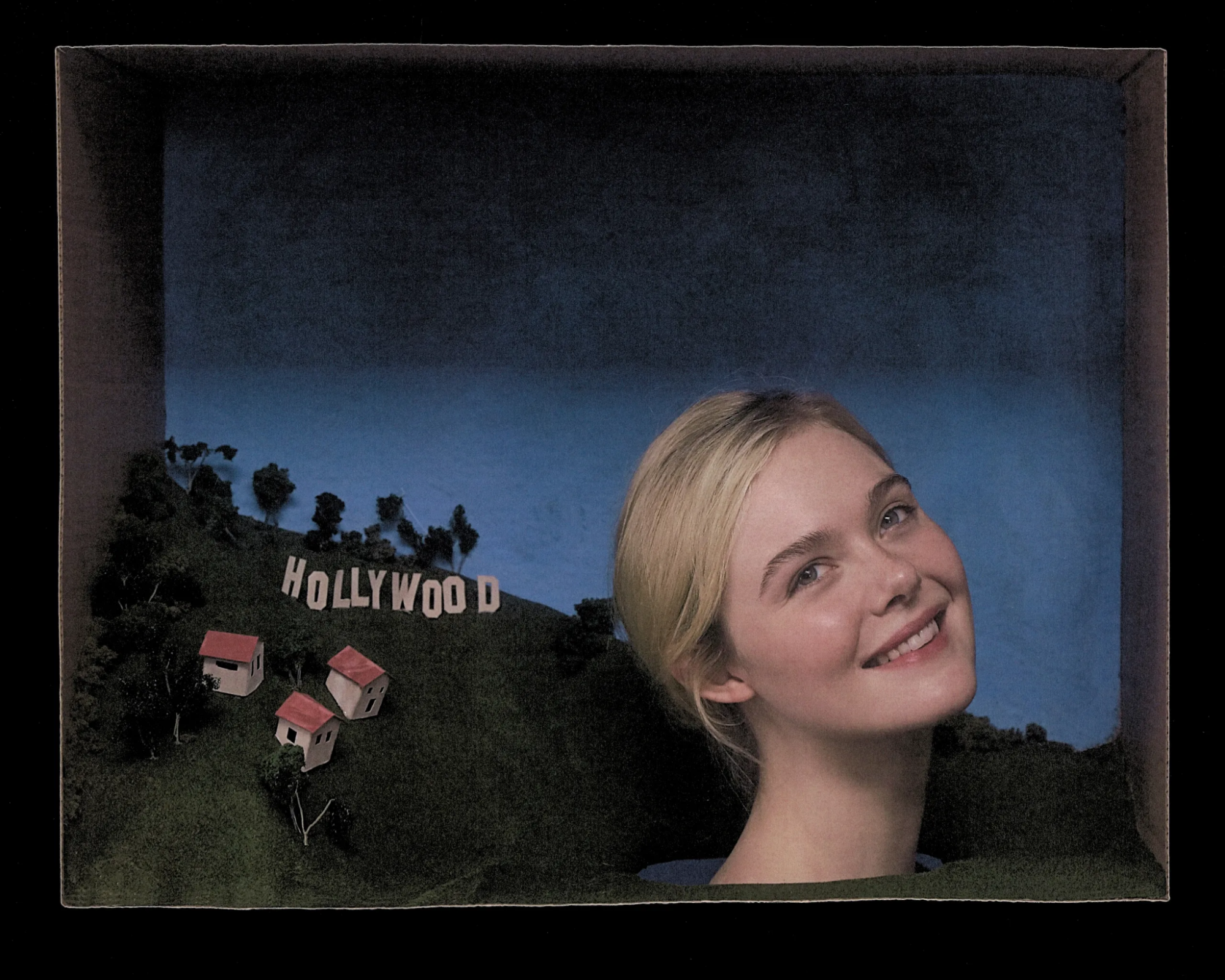
This brings me to the focus of this article: the work of Szilveszter Makó and his recent work with Who What Wear. Recently, the digital fashion magazine and Makó came together to bring us an Elle Fanning feature accompanied by historic imagery and the magical escapism only found in Makó’s work.
His work is different and utterly exciting in a time of ultra-simplicity and modernity. Makó rejects typical, over-edited images and modern cameras in favour of a grainier look, whilst the colors are toned down, the depth, message, and textures allow for a far more intricate and detailed look at modern America and celebrity culture.
The images produced are often endearing, featuring houses bestowed upon celebrities' heads and models posed within boxes or lying down for a doll-like look. The result, as Claire Marie Healey writes for We Present, allows for a “historical beauty in Makó’s photographs,” allowing for something similar to that of “time travel” and escapism for readers and viewers.
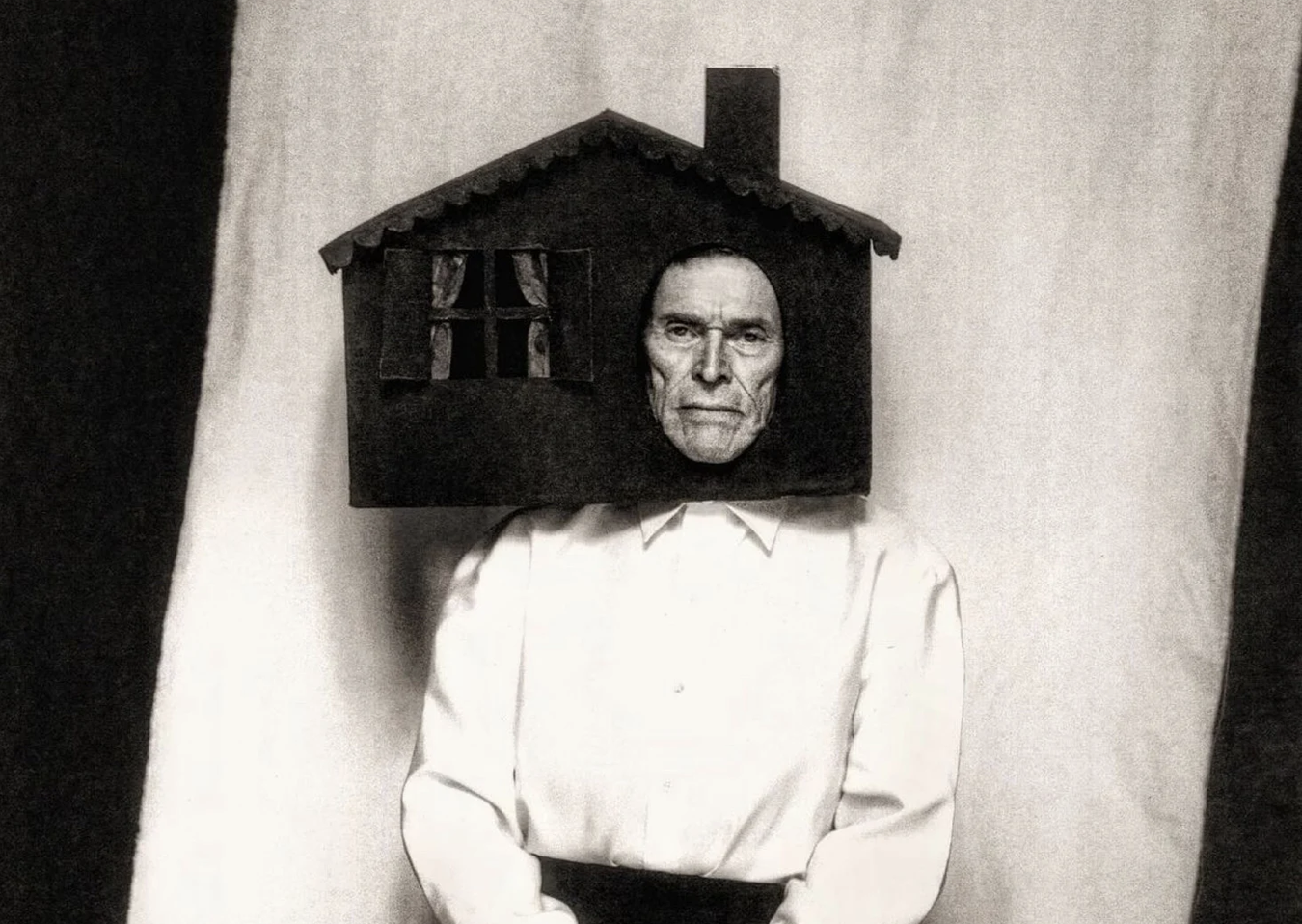
Willem Dafoe taken by Szilveszter Makó.
Makó’s interview with We Present also shone a light on his creative process, one which emphasises the importance of harvesting aspects like natural light, genuine materials, and collaboration. When speaking on what his typical set looks like, he prioritizes a team-based environment. “I am not enough by myself,” Makó highlights to Healey, having people “behind each and every brushstroke on the cardboard—is very, very important. Without this, everything falls.” This dedication to genuine craft and execution is why Makó’s work comes across so authentically. It prioritises genuine, human art rather than utilising AI or other means to fast-track intricate processes.
His shoot with Elle Fanning for Who What Wear is a great example of his editorial work. Through whimsy and vintage visuals, the result is some truly striking images that have done far more than just circulate on TikTok and Instagram, with people praising the shoot. They have reaffirmed that original and exciting ideas, which do not use AI, are still out there and still feasible to achieve.
My favourite image from the shoot is a landscape-style image where Elle Fanning’s head is the only part of her within a boxed landscape. Whilst Fanning sports a beaming smile, the Hollywood backdrop behind her looks depressing, lacking the luxury and glamour we have come to expect when artists depict the city. It's simple, perhaps reflecting a desire to return to a far less complicated time in America. Another interpretation could be the notion that Hollywood often ignores the corruption within America. As Hollywood remains up in the hills, attending premieres and beaming on the red carpet, in that same city, communities are under attack due to Trump’s administration.
Willem Dafoe taken by Szilveszter Makó.
It is for this reason that Makó’s work is so striking; it forces the viewer to think and wonder why he has made certain choices. When you compare this shoot with that of Timothée Chalamet’s cover, it is understandable why this one had a far warmer reception. In hindsight, Chalamet’s December cover could be part of his outlandish marketing towards Marty Supreme, but nonetheless, the shoot isn’t exactly thought-provoking. And if it is, it’s in a ‘Why did they make that decision?’ or ‘Who got a hold of the green screen?’ kind of way.
There are also interesting parallels between Makó’s work with NYC first lady, Rama Duwaji, and Vanity Fair’s feature on the representatives of the white house, such as Susie Wiles and JD Vance. Whilst journalistic photographer Christopher Anderson focused on “observing” the individual “players,” as he calls them in his Vanity Fair interview with Kahina Sekkai, within their professional habitat of the White House, Makó differs in his approach.
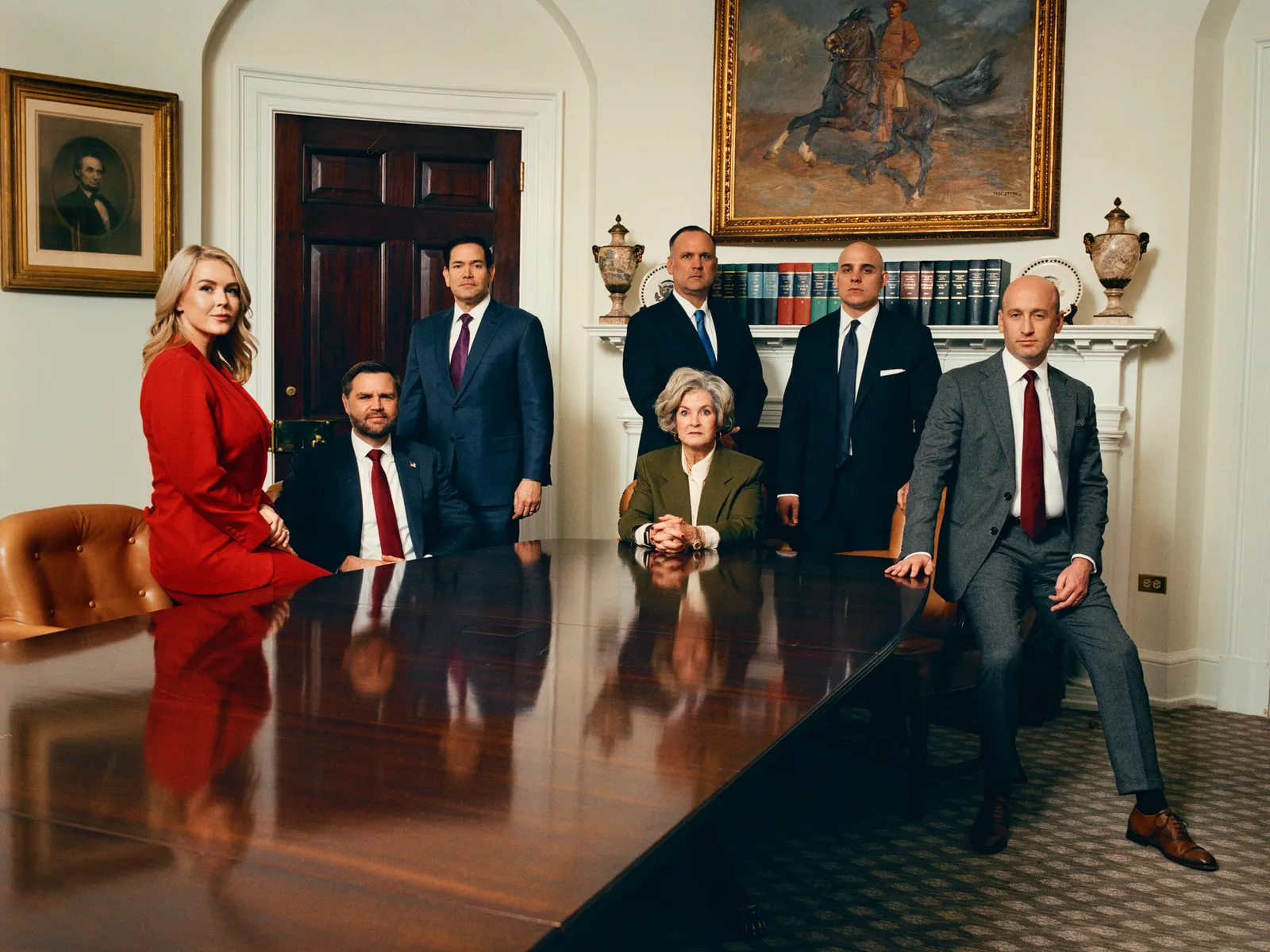
West Wing Insiders taken by Christopher Nolan for Vanity Fair.
Instead, the internet praised Makó for allowing the public an insight into Rama Duwaji as an artist rather than a first lady. The photoshoot for The Cut came across as a collaboration between two artists rather than an observation between photographer and subject. Duwaji’s own degree in Fine Art is represented throughout the shoot in references to photographers such as Irving Penn. The images themselves become abstract works of art rather than a standard portrait you would expect in a magazine or newspaper.
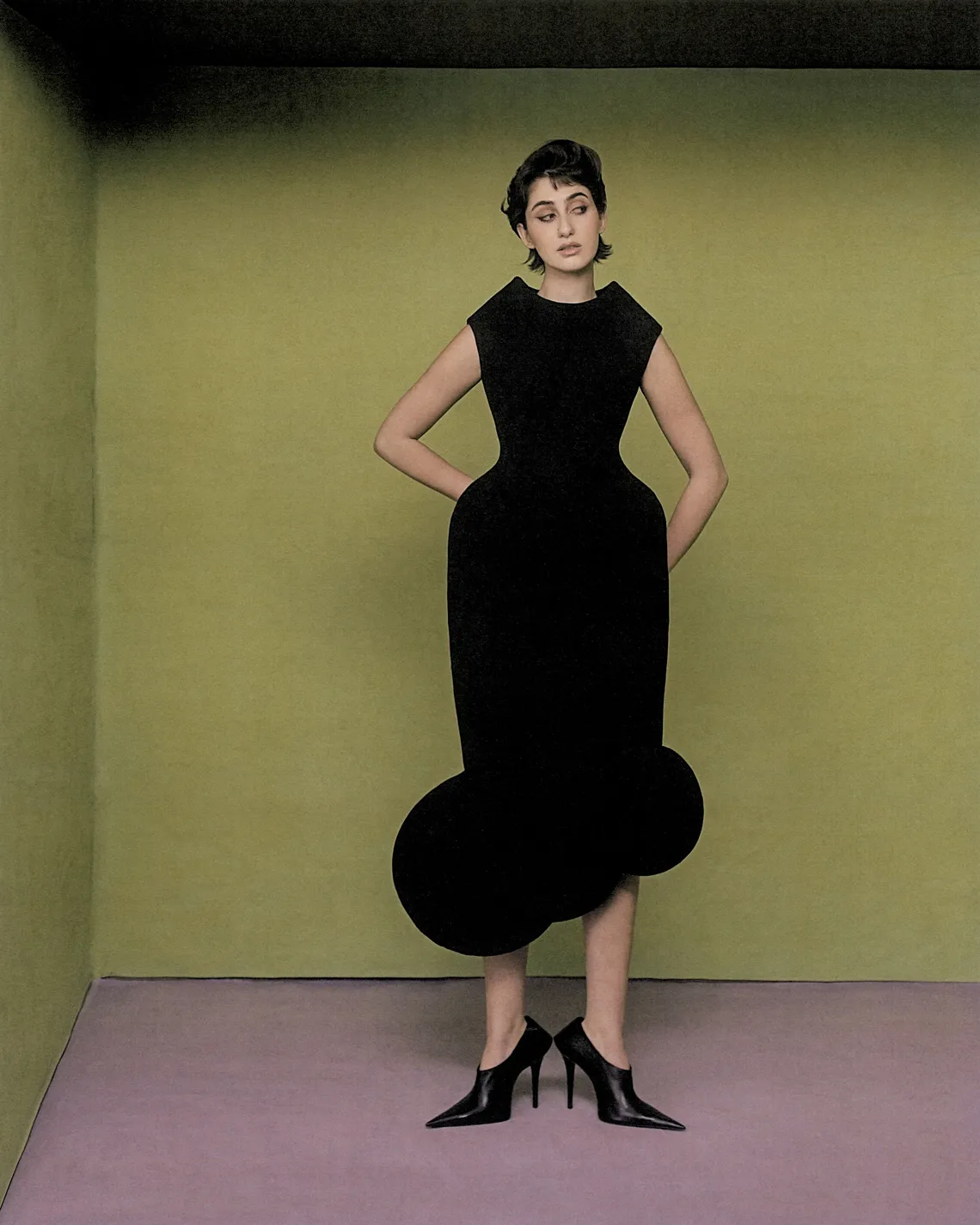
Rama Duwaji taken by Szilveszter Makó for The Cut.
For many in the art, fashion, and media world, this is only the start of a very exciting journey for Makó. The hope is that this praise towards more authentic and intricate shoots will continue to highlight to editors and media companies that people still enjoy well-done, genuine photography that highlights human creativity.
One Instagram user, ‘wtfmadhu,’ used the Who What Wear feature as an example to encourage people to make “weird art in 2026.” A statement which proves the importance of work like Makó’s, not only is it something original in a time where AI is favoured over genuine inspiration, but it allows much-needed escapism into a “wondrous” world of cats, massive plates, and Elle Fanning with a tail.
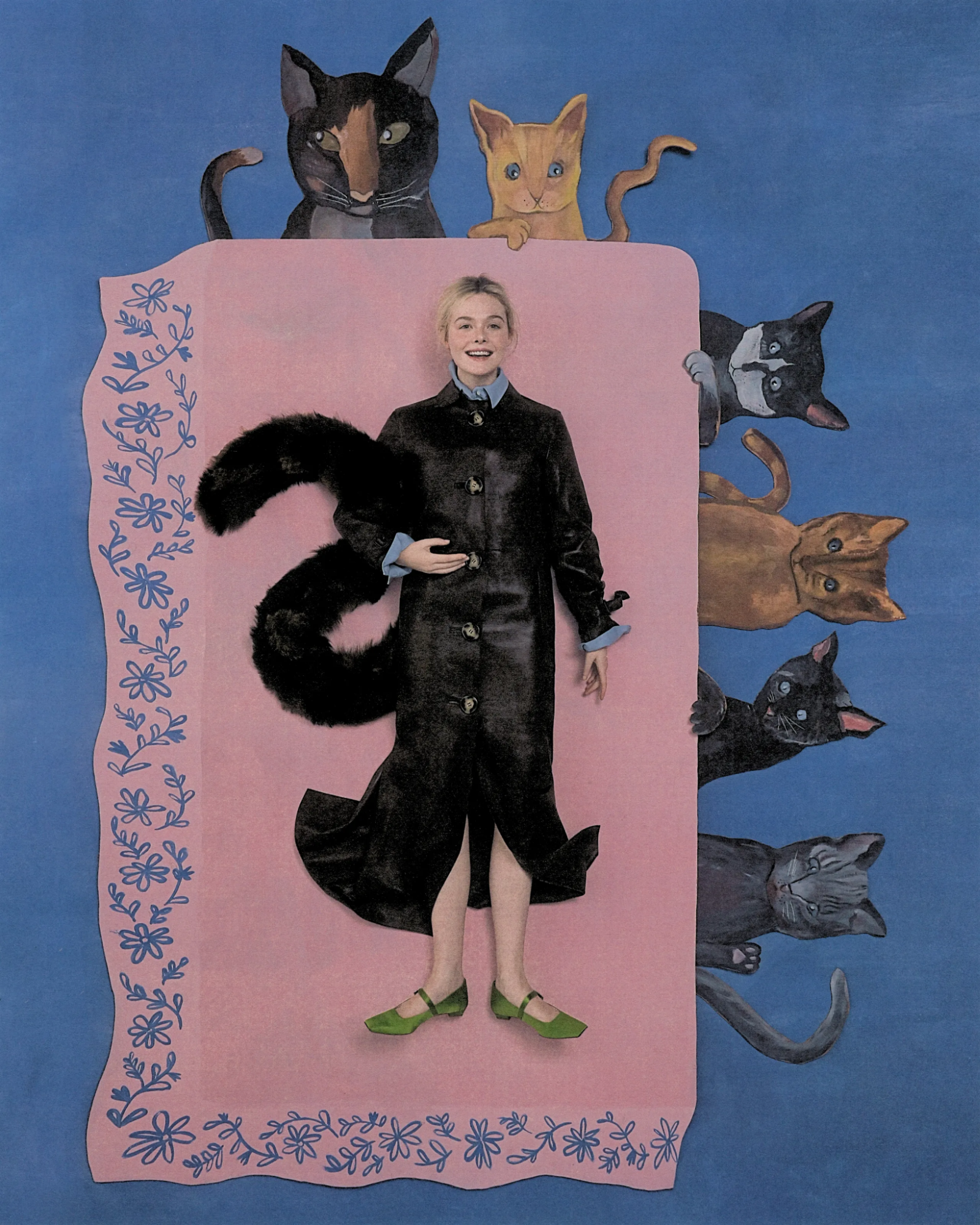
Elle Fanning taken by Szilveszter Makó for Who What Wear.