The Roots We Plant and How They Grow: An Exploration of Brittney Shyne’s 'Seeds'
By CG Morand
The view from Willie Head’s porch stretches over 72 acres of land, seemingly able to touch the edge of the sky. His calloused hands hold countless stories of labor, loss, and love. One last lingering look across his land before he picks himself up and walks through the front door of the house that has borne witness to generations of sacrifice and quiet survival.
Seeds is Brittany Shyne’s directorial and cinematographic debut; a meditative documentary tracing the lives of two Black farming families from the deep American South—the Williams and Head families. Shyne’s storytelling is thoughtful and patient, capturing the everyday pace of life in a non-linear form.
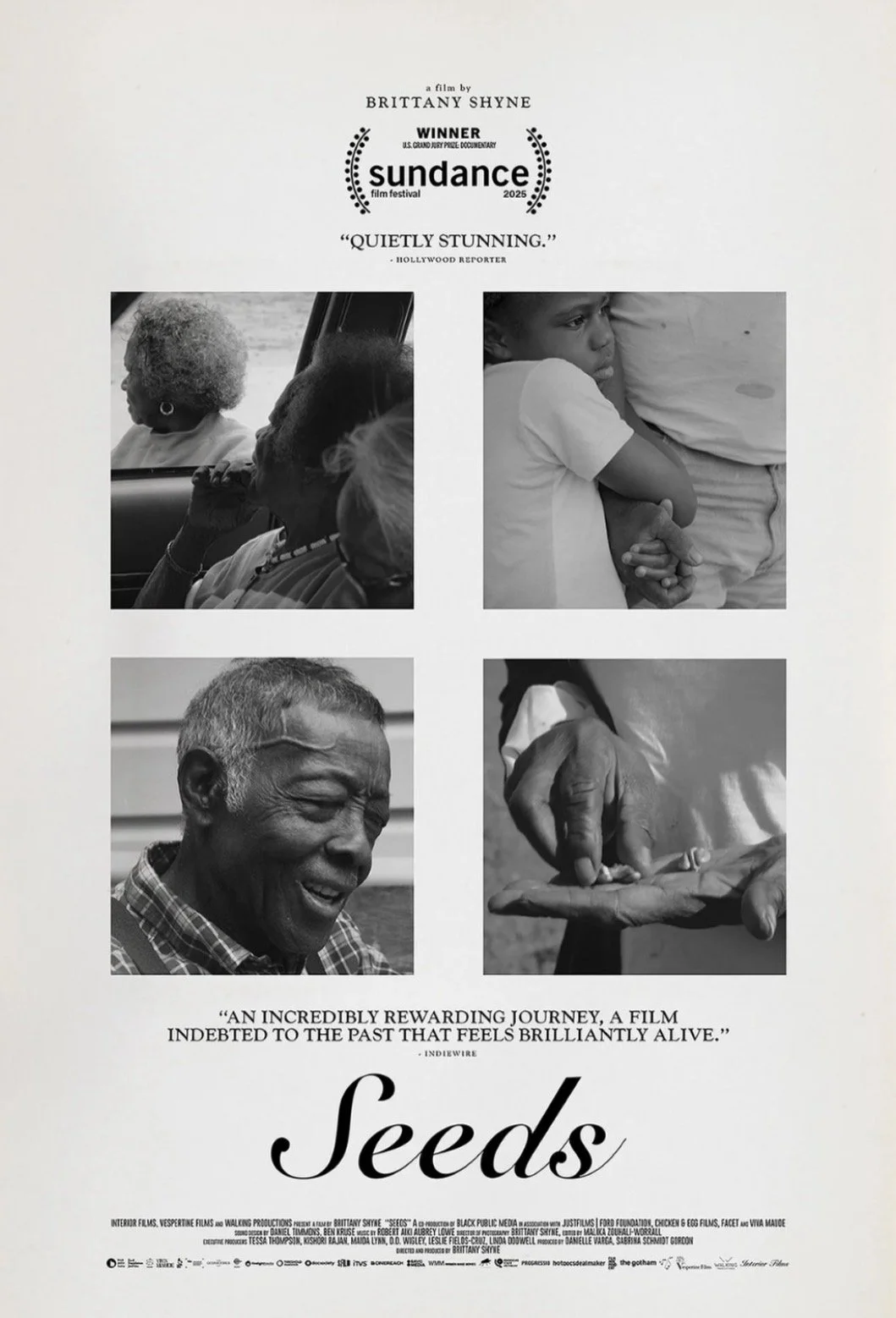
Courtesy of Seeds (2025)
The film opens with a conversation between a grandmother and granddaughter, riding in the back seat of a car, discussing their family bequest. The camera is pocketed in the corner of the vehicle, honing in on the soft coos and hums of the conversation. The grandmother pulls out a bag of candy and hands a piece to her granddaughter, simultaneously pressing a slice of the sweets between her teeth.
In moments such as these, Shyne ruminates on the seemingly mundane. Yet in those minute details lives a ubiquitous nostalgia, puncturing the audience with a quiet ache—an intimacy so familiar it nearly goes unnoticed.
“There is something so profound and sacred to just capture participants,” explains Shyne. Sharp close-ups are a marker of the film, highlighting the delicate details of life and lineage. There are no subtitles or names in the film, and without those typical documentary elements, Shyne forces the audience to focus on something different, asking us to listen and to value presence over information.
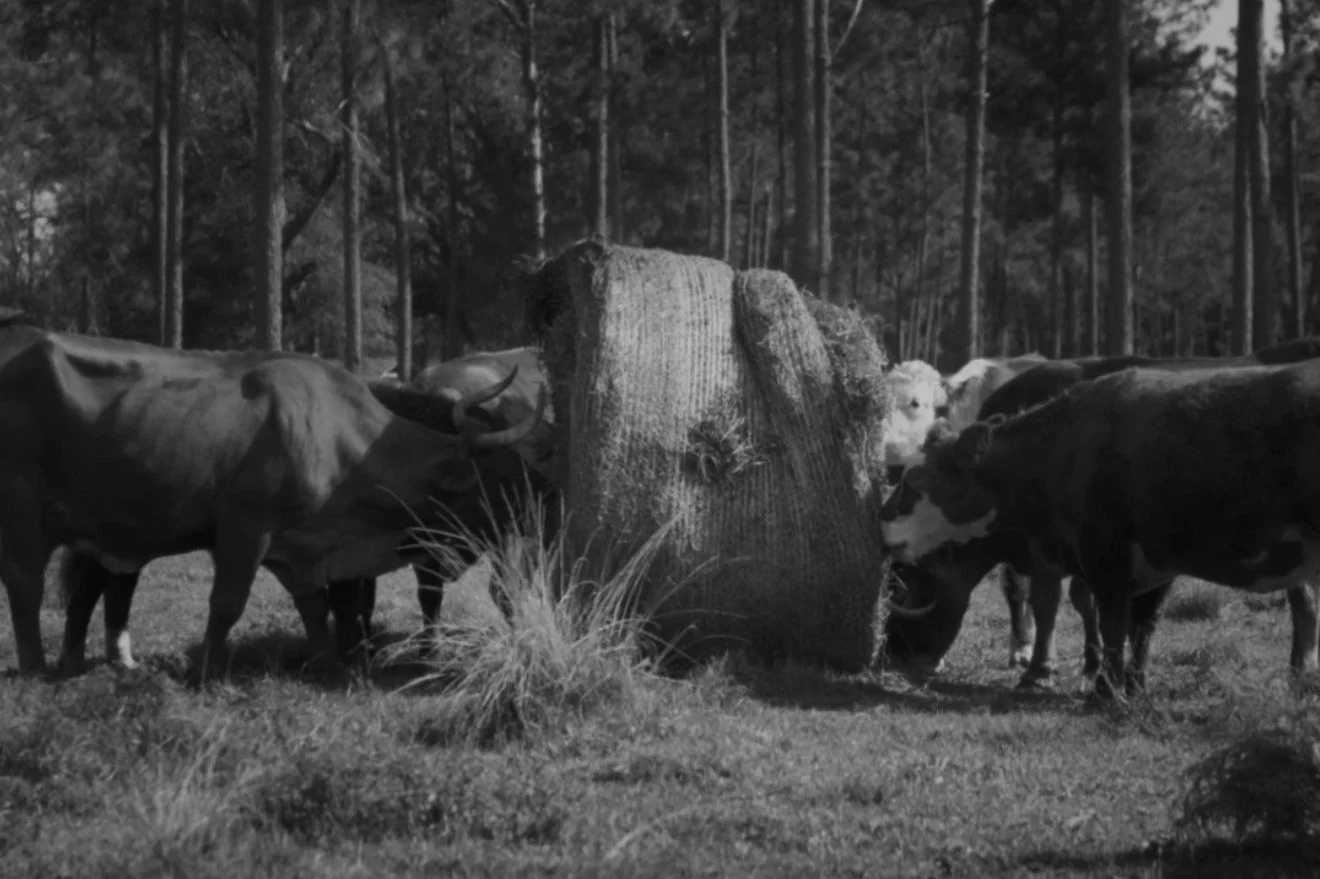
Courtesy of Seeds (2025)
Throughout Seeds, there is immense reverence for the land, framed through the living archive of the Williams and Head families. Long, introspective takes of the land—and of those who have worked it for over a century—familiarize the audience with the deep connections Black Americans have to it. Pillowy plants being lifted by colossal machinery further emphasize this relationship.
“Farming is the backbone of the world,” exclaims one of the farmers. “We feed people!” Farmers sustain society, yet they are so easily overlooked and under-accounted for within economic and political systems. While everyone relies on their labor, this erasure is especially pronounced for Black farmers.
Black farmers have been disproportionately taken advantage of through systemic discriminatory agricultural practices. Willie Head Jr.’s family has experienced the generational consequences of this injustice firsthand. Routinely turned away from loan companies, payout subsidies take months, even years, to arrive, while white farmers are compensated with far greater ease.
Courtesy of Seeds (2025)
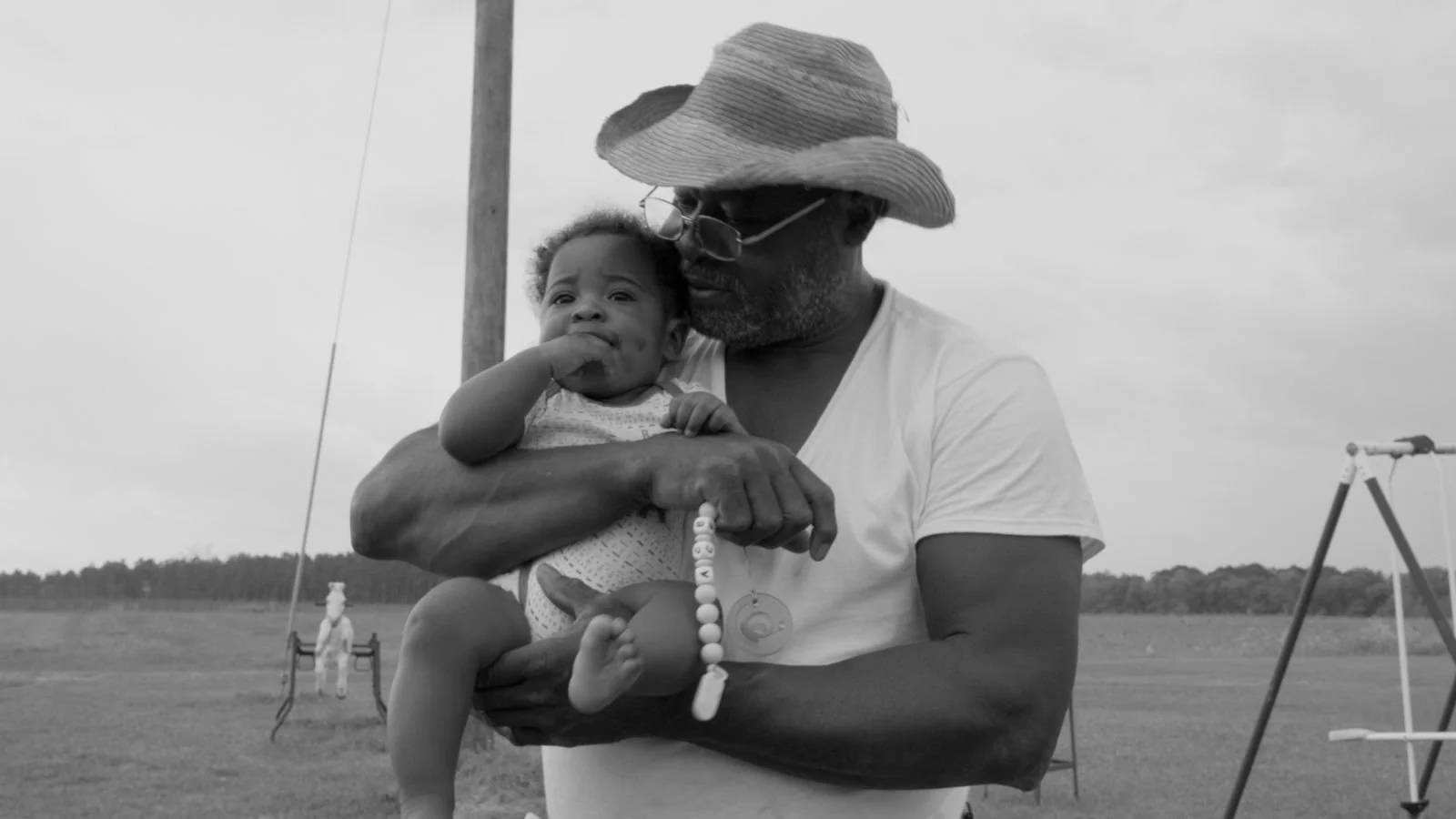
Willie Head Jr. is a proud and deeply rooted member of his community, a truth that shines through Shyne’s camera lens. His story represents thousands of farmers, and his fight for equity led him to the front of the White House to protest the prejudices that permeate government institutions. The film leaves the audience with questions unanswered, as the ongoing battle for rightful compensation still hangs in the air.
“Inequity is passed from plate to plate,” explains Shyne. With Seeds, she asks audiences to consider not only where our food comes from, but who bears the cost of bringing it to the table. Food has the power to bring us together, but only if we are willing to confront the systems that decide who has the privilege to be sustained, and who is left waiting.