
Technology Was Supposed to Save Us: The Rise and Fall of Faith In A Technological Utopia
By Kianna Amaya
Do you think the future is dead? Do you fear what technology will do to society? Have you lost all hope?
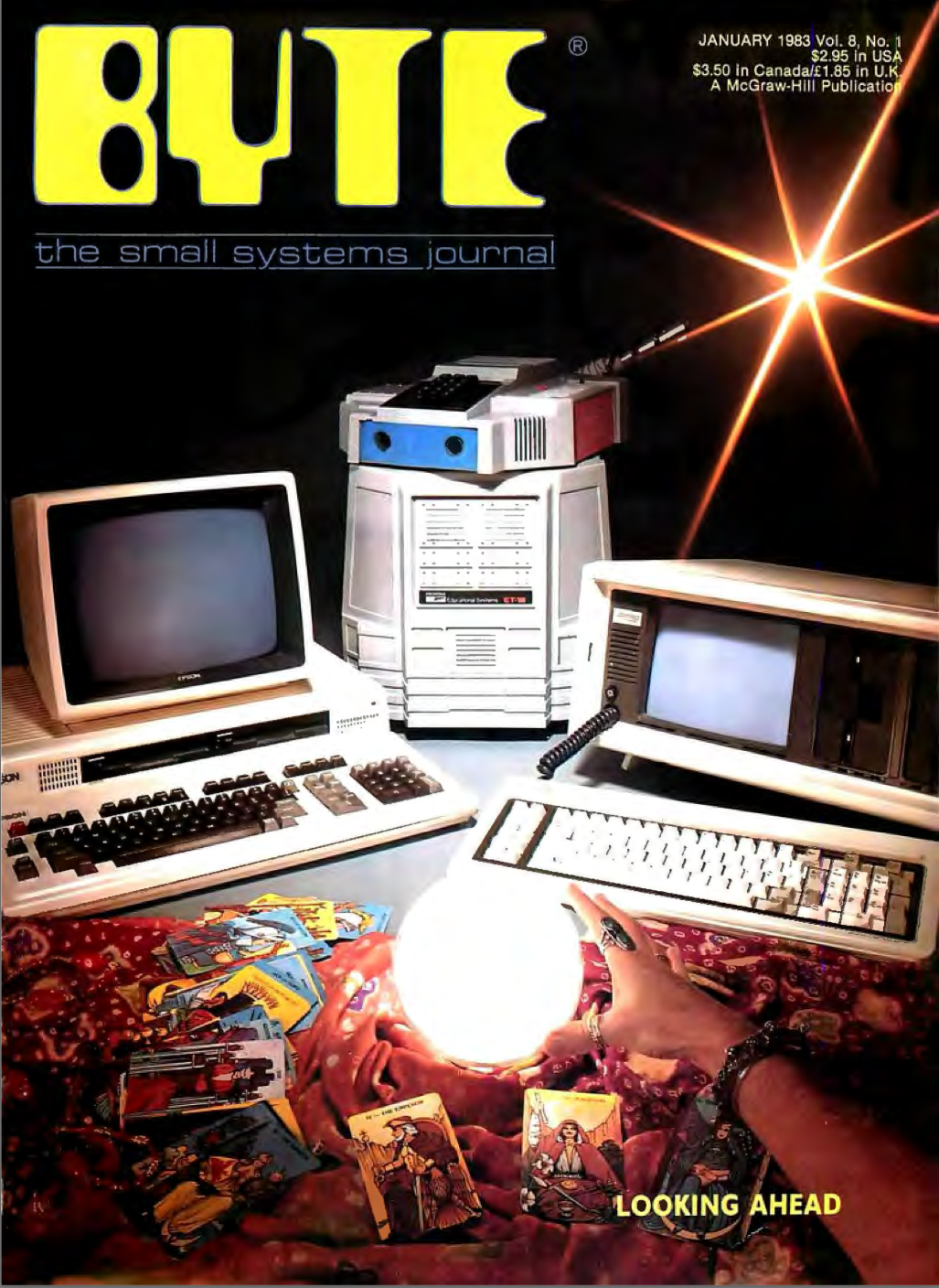
Sourced from Vintage Apple
Look at the news headlines these days. There's layoff after layoff as businesses announce restructuring and focused investments in AI. Data centers are being built in communities that are adamantly opposed to them. The cost of living is rising just as job insecurity and unemployment rise. Since Trump's second inauguration, Big Tech has aligned itself with the right. It is no surprise that people have lost hope and are no longer optimistic about the future. More and more people are having conversations about the role of tech, from AI to social media to surveillance tech, in our lives.
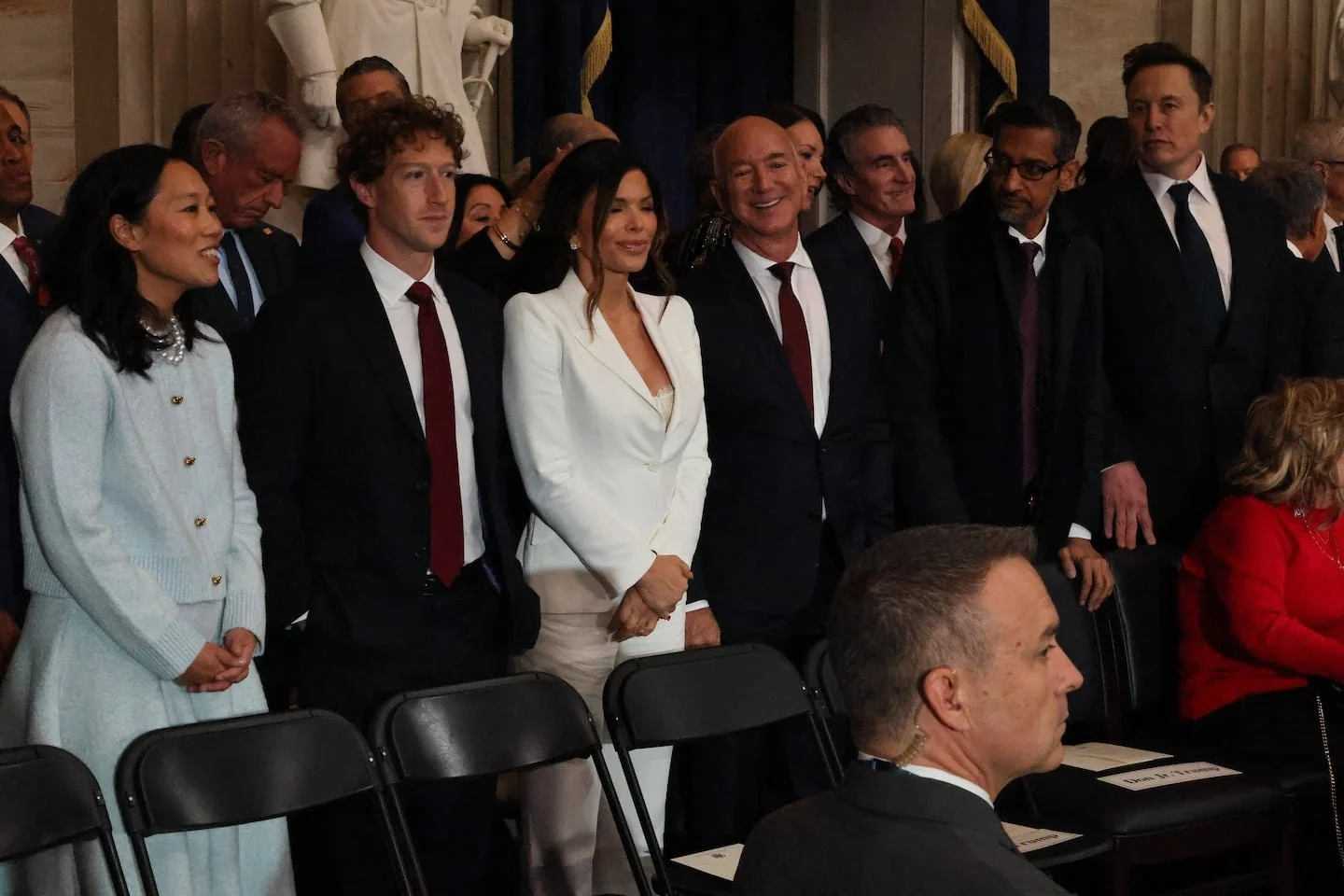
Sourced from The Boston Globe
Technological innovation has reached a point where it advances almost exponentially. Innovation started off slower. Then, around the late 1950s, we reached a new phase where tech got smaller and more complex with the invention of the microchip. Ever since, innovation has taken off at breakneck speed. Society is being rapidly reshaped before our eyes.
It's not uncommon to view technological innovation as the key to progress. The idea of technology equaling progress feels like an implicit belief. Technology is supposed to make our lives easier and happier. Technology should contribute to the greater good. Think of electric cars, pacemakers, and robot vacuums. They're all marketed as ways of making our lives better, of improving our material conditions in some way. We even dream up what new technological advancement will come next to make lives even better. There's a name for this kind of idea: it is broadly referred to as technology utopianism, or technotopianism (as I call it).
Technotopianism is a general belief that technology will lead us to a "perfect" society. Society would be more efficient. A technotopia is a society that is post-labor, post-scarcity, and post-suffering thanks to technological innovation. (Some literature calls it a faith in technology.)
Though the phrase "technological utopia" isn't often used, the belief in a potential future technotopia has existed for many years. In America, this belief is prominent within politics, too. On January 14, 1989, Ronald Reagan said, "The Goliath of totalitarianism will be brought down by the David of the microchip." In 2010, Hilary Clinton stated, "Information networks have become a great leveler, and we should use them together to help lift people out of poverty and give them a freedom from want."
In the 1930s, there was the North American Technocratic Movement that believed in technology making the world a better place through a type of government called a technocracy. In a technocracy, technology would rule and guide all policy decisions. Technocrats, as they were called, primarily focused on how the government, the economy, and U.S. politics could be transformed through technology. Technocracy was touted as a possible solution to the Great Depression. Technates believed technology would point to the best, most efficient way for everything, unlike voting.
The Soviet Union had technotopian imaginations of their society, of a socialist technotopia where all of society's needs would be met, particularly with mechanized agriculture. They believed in what historian Asif Siddiqi called "technology for the masses."
There were technotopian beliefs within California counterculture in the 80s and 90s, the cyberdelics. Cyberdelics believed that technology frees us from "big government" through interconnectivity and access to knowledge via the internet and other digital technologies.
However, some skeptics are concerned about how technology will shape our world. In The Perils of Techno-Utopian Thinking, Stuart Rollo starts by saying society must consider the benefits of technology and who pays for technological innovation. Technology isn't neutral. There is a general assumption of the objectivity of technology and that if technology runs the world, it will lead to both efficient and fair outcomes for everyone. But if technology runs our society, those in charge of it run society. Technology is shaped by those who create it and own it. Today, that is Big Tech.
It's clear that the culture has shifted in hope in technology. I've heard many people these days proclaim that they are anti-tech or technophobes. Getting rid of smartphones, deleting social media, reducing screen time, or even incorporating more analog hobbies are trending online. And, of course, many people are completely against AI.
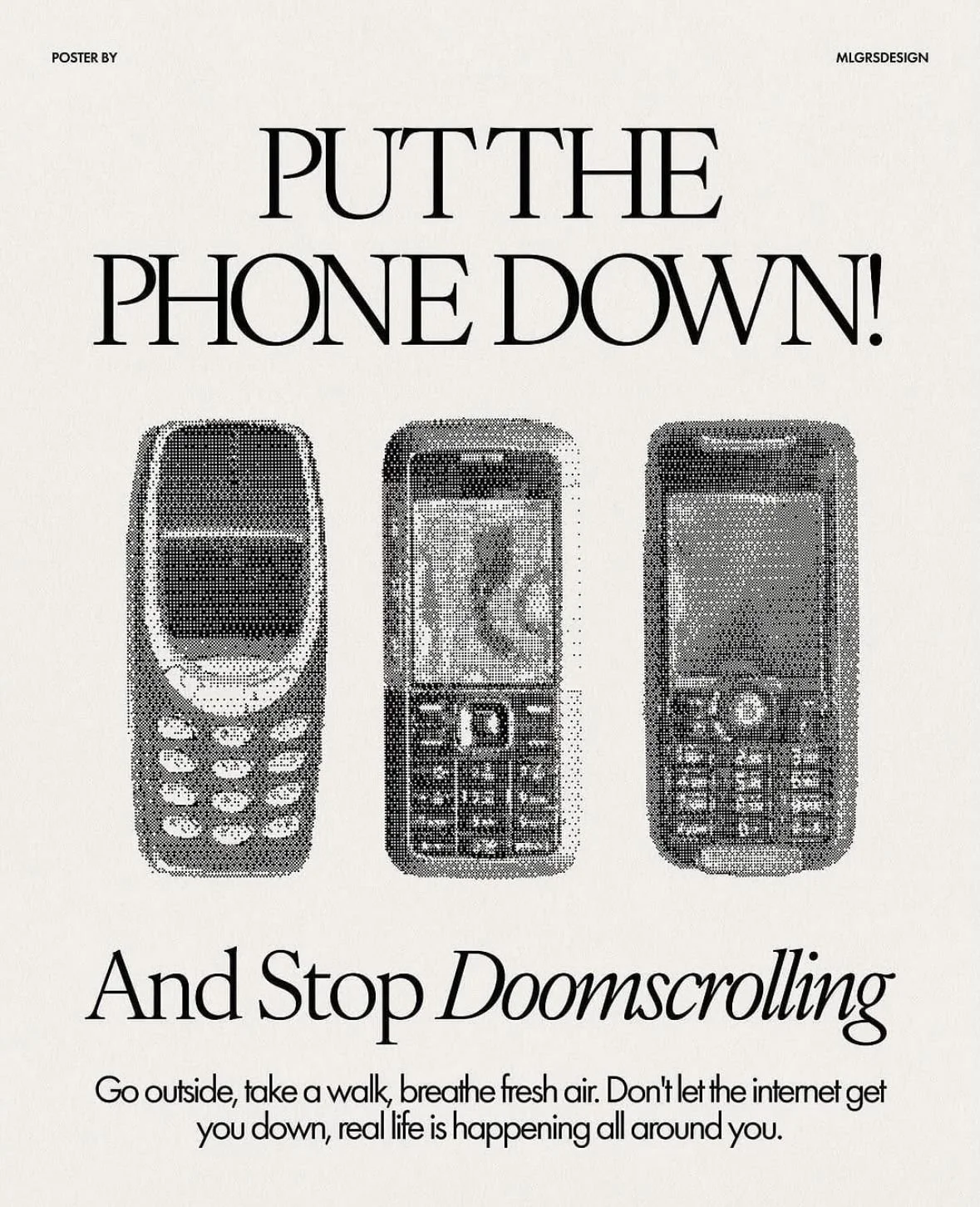
Sourced from @mlgrsdesign
Historically, humanity has put a lot of faith and hope in what technology can do to meet our ends. Though faith and hope have dwindled. According to a Pew Research survey, about 50% of Americans are more concerned about the increased use of AI than hopeful about it. Again, about 50% of Americans are concerned about how AI will impact creative and thinking skills.
Technophobia isn't a new belief either. The most commonly mentioned example of technophobia is the Luddites. The Luddites were a group of English weavers and textile workers in the early 1800s who feared that the newly created textile machines would take their jobs. Some of these workers began destroying machines across England in protest. Today, Luddite is often a pejorative term referring to technophobes, though some have reclaimed the name.
There are already some discussions about workers today sabotaging businesses' efforts to integrate AI. Recently, I came across a LinkedIn post about employees seemingly admitting to sabotaging AI strategies at their workplaces.

Sourced from Bandcamp
History rhymes again today. Technology has had a major place in our society for a long time. The only change is how fast it is happening. In the past, technology moved much more slowly, and while it shaped society, society had time to adjust. Now, it is moving so fast that society cannot keep up. How will this new technological age shape our society, and how will society handle the changes in the coming years?
Sources:
https://www.techpolicy.press/big-tech-chose-a-side-heres-whats-next/
https://www.maize.io/cultural-factory/technological-utopianism/
https://link.springer.com/chapter/10.1007/978-3-031-74101-2_9
https://www.orfonline.org/research/the-perils-of-tech-utopian-thinking
https://2009-2017.state.gov/secretary/20092013clinton/rm/2010/01/135519.htm