The Dutch Invasion: How Hardcore Broke Into the Mainstream
By Avery Wilson
Every decade or so, one country's melodic influence seems to reign supreme in music. Its sound can be felt across the globe and heard all over the charts. We've had the British Invasion of the '60s, the Swedish pop mastery of ABBA laying the blueprint for modern pop music and production, and the 2010s rise of reggaeton alongside K-pop's emergence on a global scale. The list goes on. So what's next in an era where it feels like everything has already been done? I raise you Dutch hardcore, better known as "gabber."
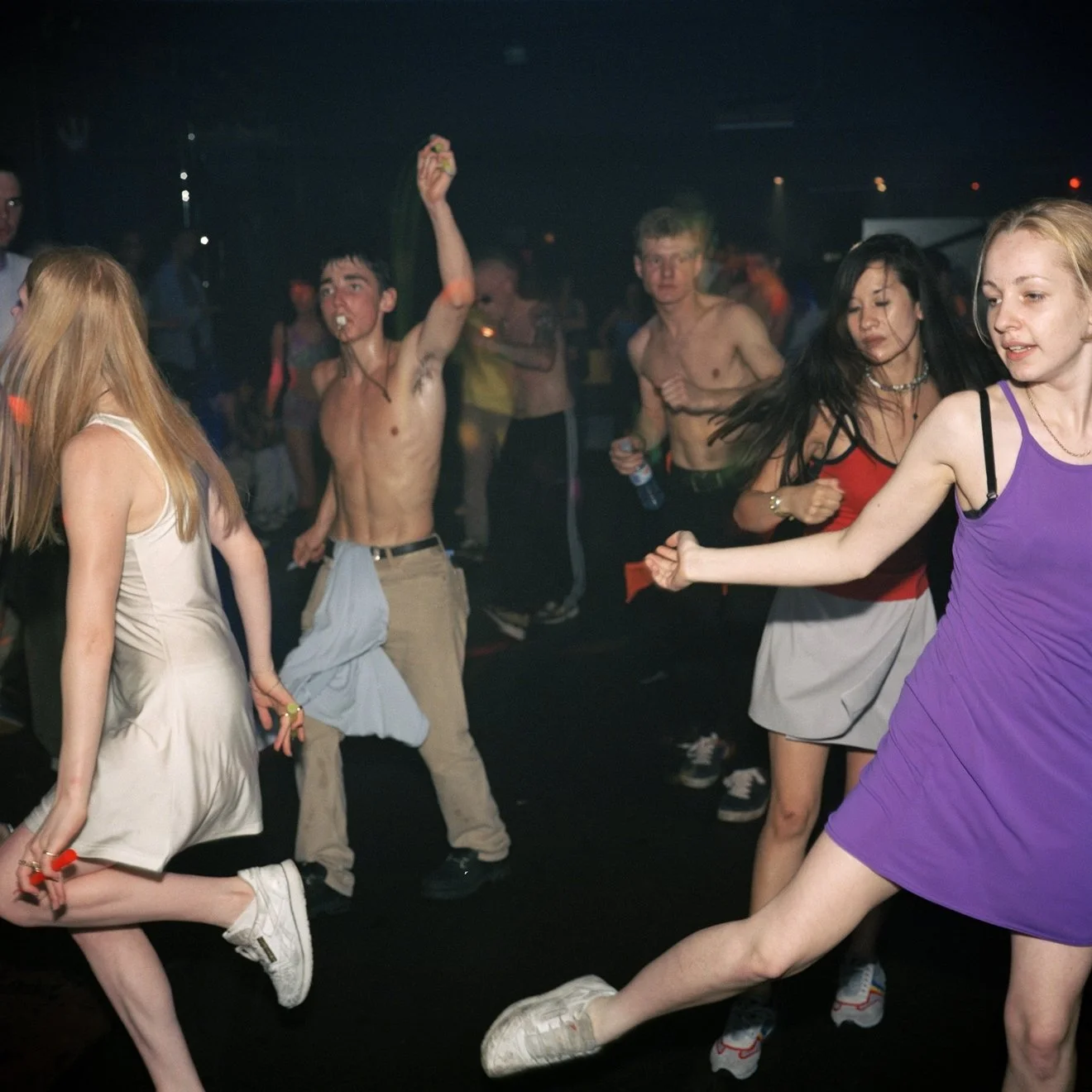
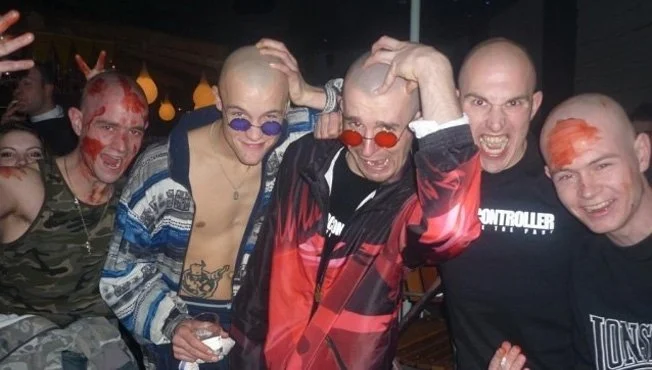
What began in the '90s as a small EDM subculture in Amsterdam and Rotterdam quickly exploded across Europe and beyond, finding a home within rave communities. The genre became a mainstream fixture of Dutch youth culture, with massive rave parties serving as the backdrop for many gabber anthems and launching the careers of countless DJs. The music is defined by pounding kick drums, blistering tempos that often reach 200 BPM, distorted samples, and an almost liberating sense of intensity. It's an extreme listening experience that creates a raw, buzzing sensation paired with a primal urge to dance.
Circa 2024, during a fraternity formal trip, I was drunkenly stumbling through the streets of downtown Vancouver after inhaling a Japadog that my then-boyfriend bought me to make up for our disappointing attempt at clubbing and, looking back, probably as a polite way to sober me up.
Barely a block from our hotel, I spotted a man with a bright, almost white-blond mullet standing outside smoking a cigarette. I noticed his thick-rimmed tinted sunglasses and vaguely remember telling my boyfriend how much I loved his jacket. As we walked toward the entrance, I looked a little closer, and my brain suddenly made the connection that he wasn't just a well-dressed Vancouverite. It was Joost Klein. I stopped in my tracks and asked if he was who I thought he was. He nodded softly, letting out a little giggle as his unmistakable grin spread across his face.
"Yes."
My jaw dropped as I turned to my boyfriend and his friend, hoping someone else understood why I was freaking out. Instead, I was met with blank stares.
I turned my attention back to Joost, who was still smiling, now sheepishly hiding his cigarette behind his back like a kid who had just broken something. Only weeks earlier, he had represented the Netherlands at Eurovision, easily becoming that year's fan favorite. His song "Europapa" had gone massively viral on TikTok, and he had made it all the way to the Grand Final before his dramatic disqualification just hours before the performance. That disqualification, arguably an unfair one, only amplified his popularity and pulled in people like me who, respectfully, didn't give a fuck about Eurovision until then.
Standing there in front of this Dutch artist I'd only ever seen through a screen, I immediately started gushing about his Eurovision run and how undeserved his elimination had been. He graciously took a photo with me before we said our goodbyes.
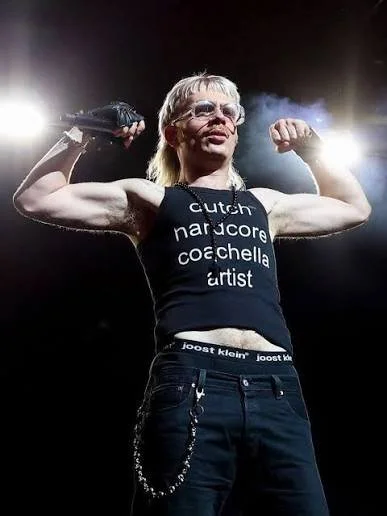
Joost Klein; Sourced through Pinterest
Fast forward two years, and Joost has performed at Coachella, embarked on a world tour, become a judge on the Dutch version of The Voice, and released two albums. His rapid ascent has made him one of the defining faces of the modern gabber movement while bringing greater attention to fellow artists and producers such as frequent collaborators MCR-T and HorsegiirL. You can already hear gabber's relentless BPMs and pounding percussion creeping into mainstream pop through songs like Blackpink's "Jump" or the demo version of Katseye's "Pinky Up."
Beneath the surface of mainstream pop, the DJ scene is thriving with electronic acts like Frost Children, Mgna Crrrta, Eera, and Bassvictim, all of whom draw inspiration from gabber's early sound while helping shape one of the defining sonic trends of the 2020s.
So whether gabber ever achieves the same level of commercial recognition as Britpop, K-pop, or reggaeton is almost beside the point. It has already left its fingerprints across contemporary music, bleeding into pop production, underground club culture, and the algorithms that determine what millions of people hear next. The genre's boundless, restless energy feels perfectly suited to an internet that constantly demands something louder, faster, and more extreme than whatever came before. Every generation gets its own musical invasion. This one just happens to arrive at 200 beats per minute. If history has taught us anything, it's that today's niche obsession has a funny way of becoming tomorrow's mainstream.