By Alivia Stonier
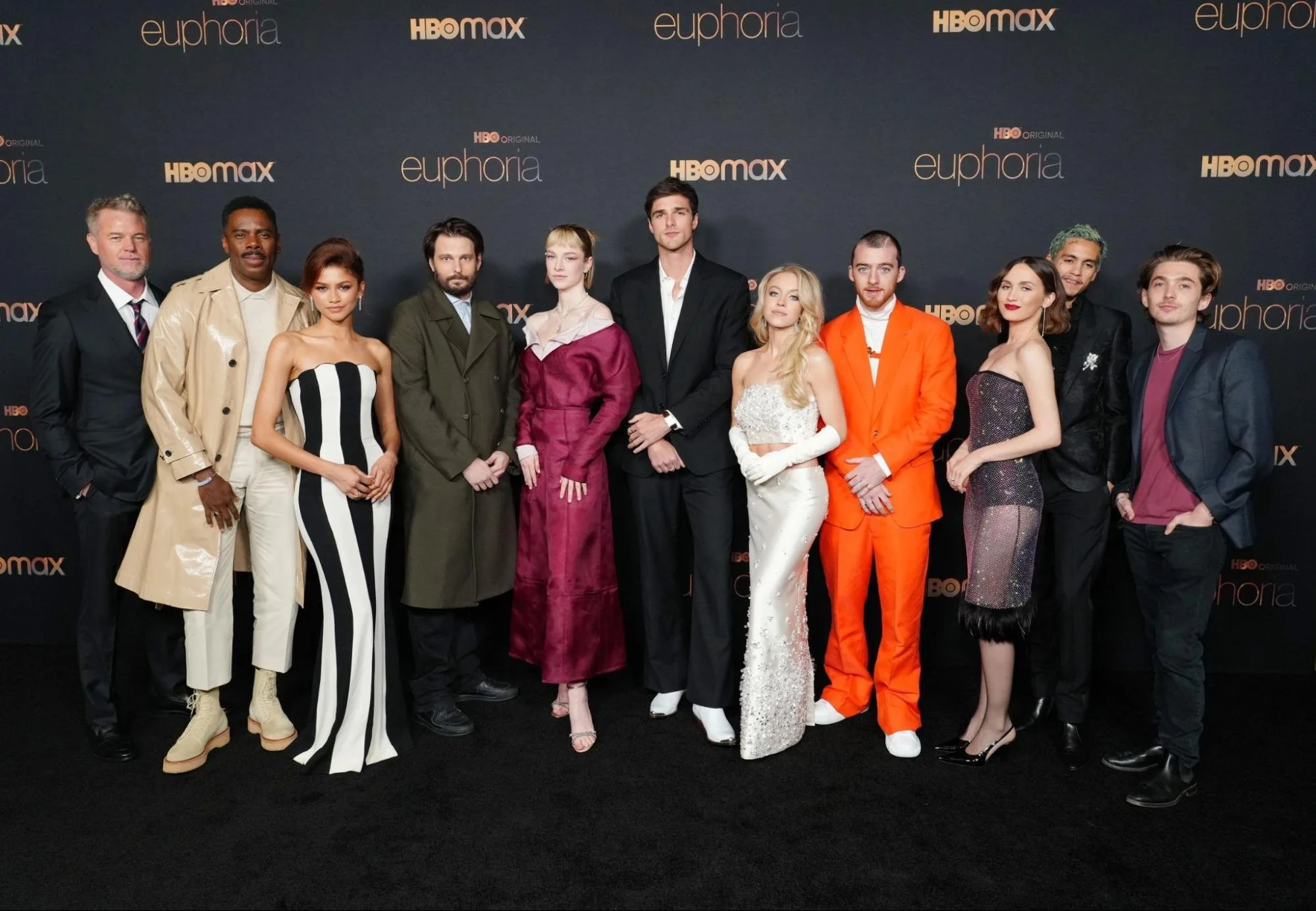
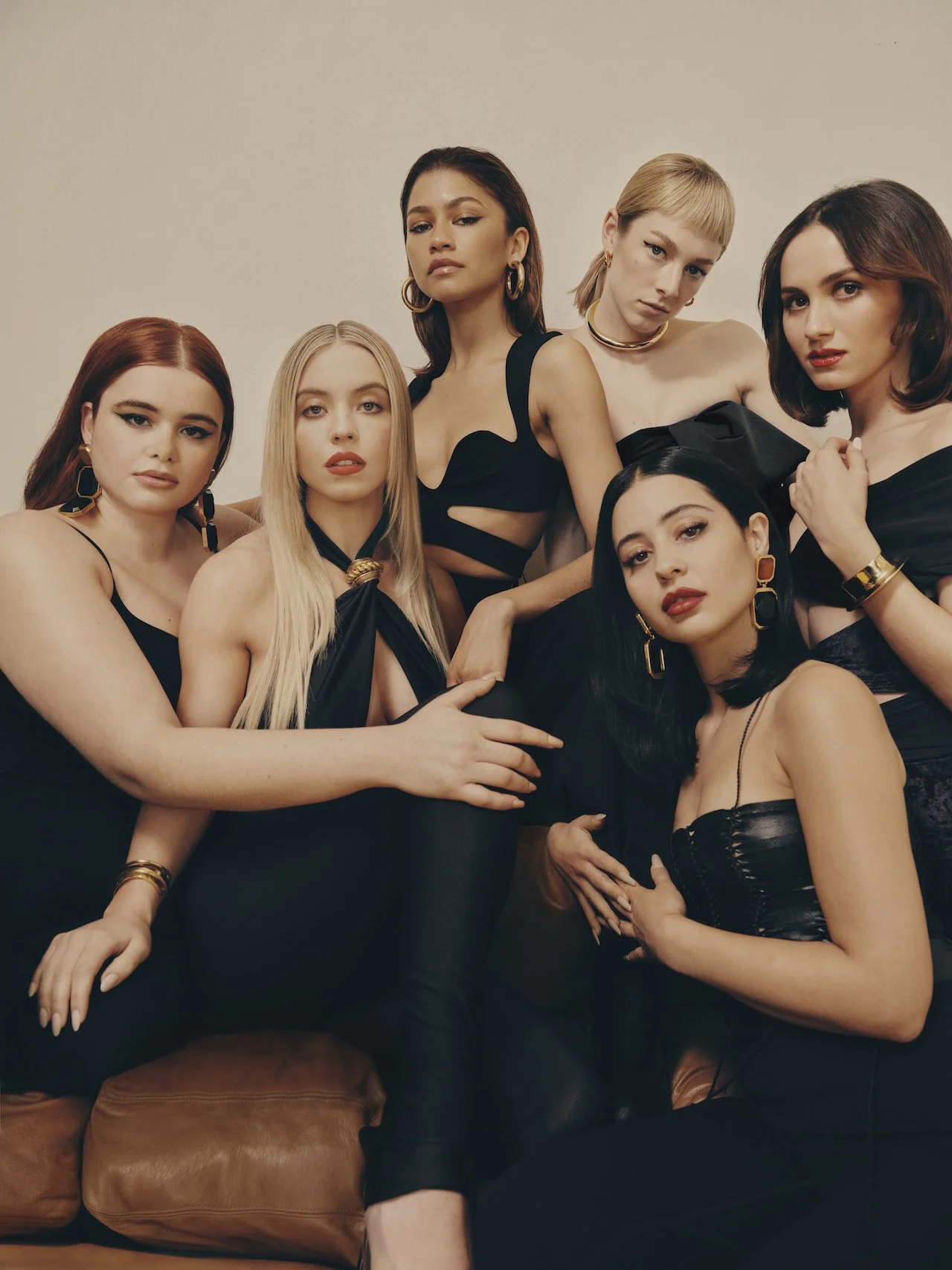
Euphoria on HBO became a part of Gen Z's identity, and with that popularity between parties and glitter came the uplifting of the now-famous actors' careers across the show. Many of the starring actors have had very different career trajectories.
Built off of the brainchild of Sam Levinson, who has had a mixed audience reception with his other works like The Idol being known for controversy, there's a very mixed range of how the talent he brought to the show has moved since being cast.
Credit: Jeff Kravitz
Zendaya
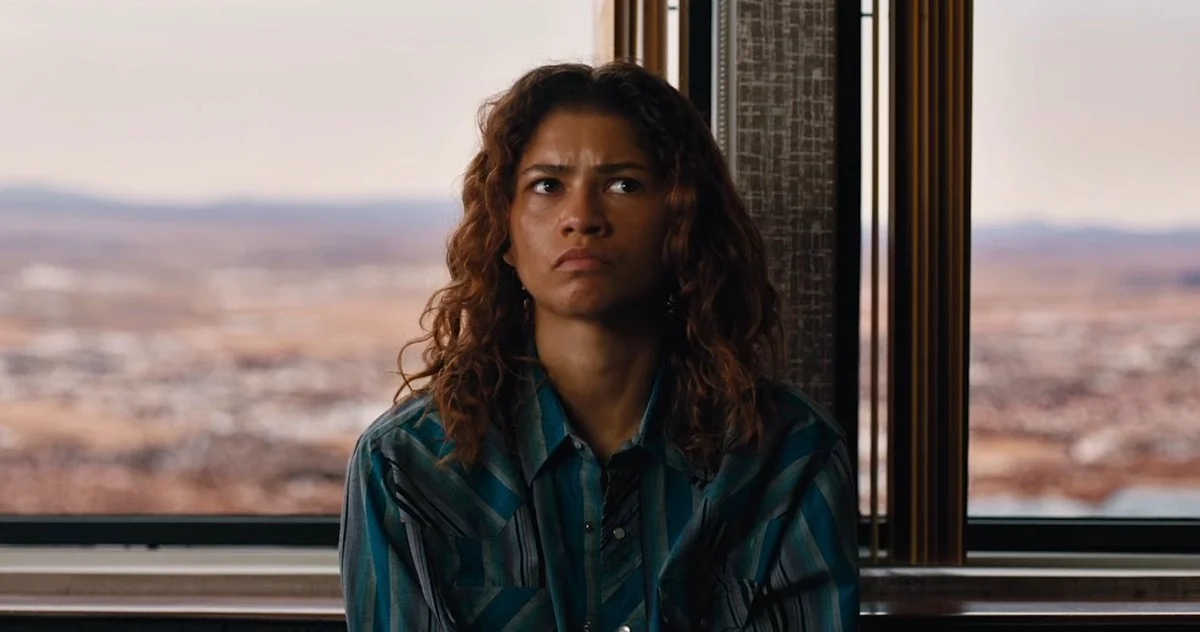
Zendaya quickly became a household name for her generation after launching her career with the success of Shake It Up. However, it was her role in Euphoria that pushed her into a more mature range of roles. She transformed herself to authentically portray the heartbreak and turmoil associated with drug use. As a result, the actress has continued to expand her career further into adult roles, including performances in Dune, Malcolm & Marie, Challengers, and The Drama.
If the show had been a film series, many fans said that Zendaya would have deserved Oscars for her performance throughout the series, especially in Season 2.
Zendaya’s evolution as a performer has also been defined by her emotional depth and willingness to take creative risks. In Euphoria, she delivered a raw and vulnerable performance that resonated with both critics and audiences, proving she could carry material far heavier and more psychologically complex than her earlier work. That role not only showcased her dramatic range but also established her as one of the most compelling actresses of her generation. With each new project, Zendaya continues to demonstrate that her success is not simply the result of early fame, but of genuine talent, discipline, and artistic ambition..
Jacob Elordi
Now known as a heartthrob across America, Elordi got his start in a very different corner of the teen genre in the Netflix franchise The Kissing Booth. Similar to Zendaya, the series acted as a pivot into a more serious style of work. His most notable project has been Wuthering Heights alongside Margot Robbie, in which he plays a character with a similarly creeping darkness.
Arguably, Euphoria gave Elordi the biggest shift in his career, taking him from remedial rom-com territory to becoming the first among the cast to earn an Oscar nomination for his 2025 performance in Frankenstein, not to mention playing Elvis a few years back in A24’s Priscilla. What has made Elordi’s rise especially compelling, though, is the way he has resisted being boxed in by his early image. Rather than leaning too heavily on the brooding romantic persona that first brought him attention, he has steadily chosen roles that emphasize unease, complexity, and a willingness to be less immediately likable. In that sense, his trajectory feels less like a conventional teen-idol ascent and more like the deliberate construction of a serious acting career — one shaped by risk and a clear interest in darker material.
Sydney Sweeney
Despite her popularity from Euphoria, earlier shows such as Everything Sucks!, and appearances in The Handmaid’s Tale, Sydney Sweeney has developed a notably negative reputation compared with the cult followings enjoyed by many of her peers, even while remaining attached to high-profile and commercially successful projects. Much of this backlash stems not only from the sexualization of the characters she portrays on screen, but also from the way her public persona has been marketed and consumed beyond those roles. Promotional choices and media coverage have often emphasized her desirability over her craft, reinforcing an image that many viewers see as inseparable from the objectification that surrounds her career. Controversies such as the sale of novelty soap referencing her “bathwater,” complete with provocative packaging, have only intensified the perception that her celebrity is being shaped through spectacle and sexual branding as much as performance.
At the same time, criticism of Sweeney is not limited to questions of image. She has also become a flashpoint in wider cultural debates, with some audiences interpreting her advertising work and public associations as politically suggestive in ways that feel out of step with the expectations of her largely young, online fanbase. In particular, backlash surrounding an American Eagle campaign led some commentators to accuse her of invoking language or imagery with uncomfortable ideological undertones, while earlier scrutiny over perceived conservative family ties and her reluctance to publicly align herself with progressive positions further complicated her reception. As a result, Sweeney occupies a strange position in contemporary celebrity culture: she is highly visible, commercially in demand, and widely discussed, yet often without the kind of protective fandom or critical goodwill that cushions many stars of her generation. Instead, her public image has become a site onto which broader anxieties about sexuality, politics, branding, and authenticity are repeatedly projected.
Hunter Schafer
Having portrayed a beloved character in Euphoria, despite the significant backlash toward Jules this season, Schafer has continued to grow beyond the role. In addition to her performance, she has taken on developmental work for the series, including directing an episode, and has further expanded her reach by joining The Hunger Games universe. This progression reflects the steady rise of her career and highlights her growing versatility in the entertainment industry. As she continues to move between acting, creative development, and high-profile franchise work, Schafer is proving that her impact extends far beyond a single breakout role. With each new project, she further establishes herself as a multidimensional talent whose presence in film and television is becoming increasingly influential.
Alexa Demie
Alexa has appeared in several prominent indie films, including Mid90s and Waves, and has developed a similar cult following for her role in Euphoria. Despite these successes, the actress has been very open about her struggles in the film industry because of her race and the difficulty of getting cast, which has led to rumors that she may retire after this series. These challenges were underscored when Levinson recently commented that Demie was nearly not cast as Maddie for this very reason, despite the character’s success.
At the same time, Demie’s trajectory suggests that her impact extends well beyond any single role. Her screen presence, fashion influence, and carefully curated public image have made her one of the most recognizable figures to emerge from the series, even while maintaining a relatively private personal life. That combination of mystique and visibility has only fueled audience fascination, helping to cement her status as a standout performer whose career continues to draw attention both inside and outside of Hollywood.
Credit: Michaiah Carter
Barbie Ferriera
Ferreira rose to prominence on Euphoria, where her character resonated with many viewers because she offered meaningful plus-size representation on screen. Her presence on the series stood out to audiences who saw in her a character that felt both specific and relatable, helping spark wider conversations about visibility, body image, and the kinds of stories that get told in mainstream television.
The actress has since been open about her departure from the show, explaining that creative differences played a major role in her decision to leave. She has said she felt her character was not being given the depth or justice she deserved as the storylines developed, a perspective that drew significant public attention and prompted broader discussion about character development and representation behind the scenes.
Following Euphoria, Ferreira has continued modeling while also building her acting career through indie projects, including Mile End Kicks.
Dominic Fike
Dominic Fike is best known for his work as a musician, but he became a welcome addition to Euphoria, with many viewers enjoying his performance despite the running jokes about how long the musical moments for his character felt throughout Season 2.
Although there was early speculation and some initial expectation that he might return, he ultimately did not reprise the role for the show’s final season. Even so, Fike has remained active in music, continuing to release work and appearing on the festival circuit this summer as he focuses on his career beyond the series. He is also now a father.
Chloe Cherry
Formerly known for her work in the adult entertainment industry, Cherry later moved into mainstream acting, making her screen debut on Euphoria and building a large following across social media. Her visibility has also brought controversy, with some public discussion focusing on her past career, the way media outlets frame her transition into entertainment, and broader debates about stigma, representation, and how performers with nontraditional backgrounds are received in Hollywood.
Maude Apatow
With Euphoria serving as Maude Apatow’s first major breakout role beyond the small appearances she made in her parents’ films as a child, she has gone on to become a fan favorite, earning praise for her understated performance and screen presence despite not having followed a particularly conventional path within the industry. Rather than emerging through the typical Hollywood trajectory, Apatow’s rise has been shaped by a mix of early exposure to filmmaking, selective roles, and a gradual establishment of her own identity as an actress separate from her family name.
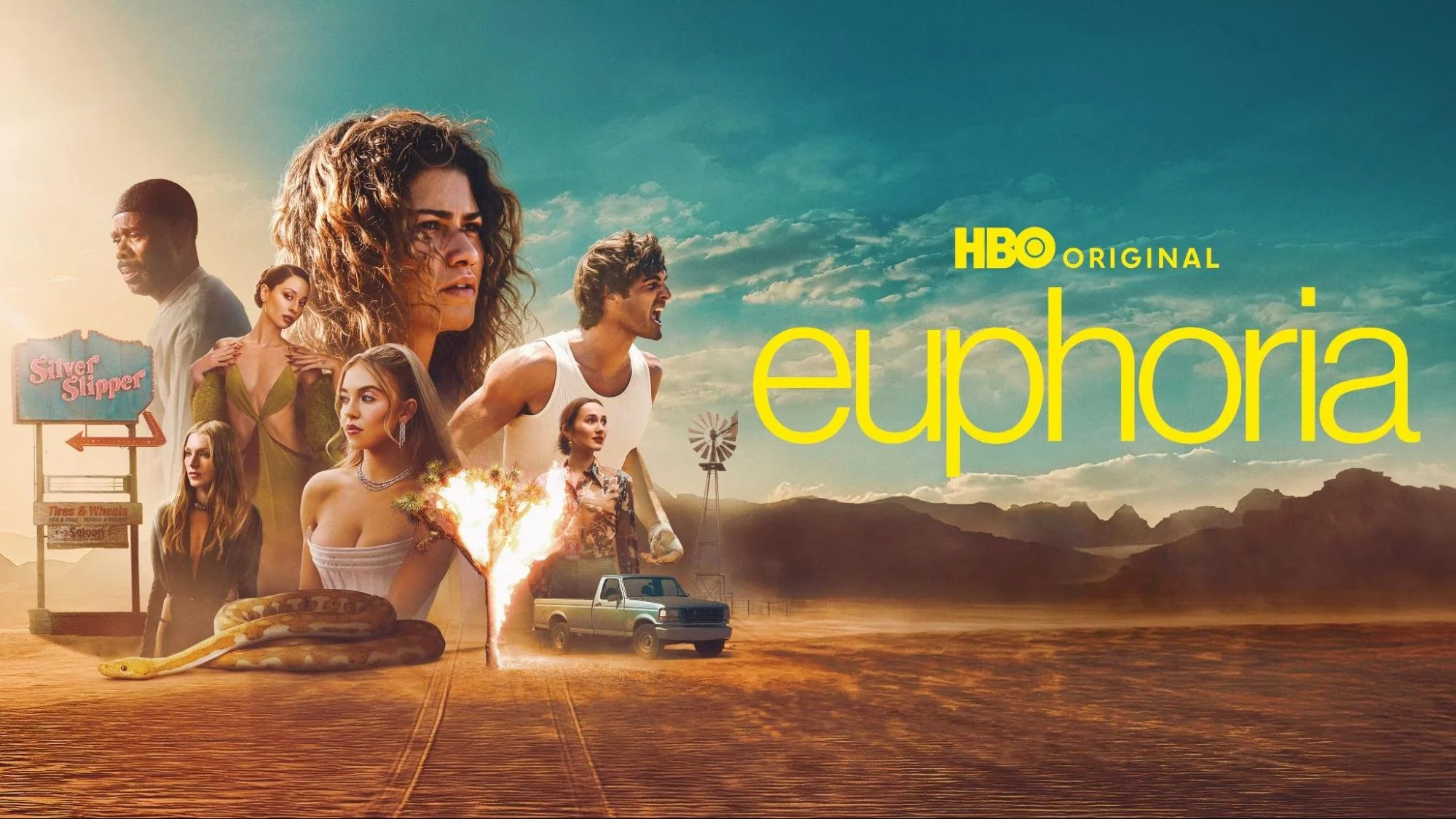
What becomes immediately apparent when looking at the level of success these actors have achieved is the wide variation in how their popularity developed. Some quickly became breakout stars, drawing widespread attention almost overnight, while others built recognition more gradually through consistent performances and growing audience support. That contrast highlights not only the reach of the show itself, but also the different ways a single project can shape the trajectory of a performer’s career.
The show has faced significant backlash, especially for its third and final season, over its sexualization of women within the sex work industry. Interestingly, the actors who chose to stand up for their characters, including Zendaya, who did not participate in nudity on the show, have gone on to be among the most respected. Meanwhile, actresses like Sweeney have faced backlash for taking part in some of the season’s more negative sexualization, including Cassie’s character being dressed as a baby for adult content.
With many fans joking that certain actors must be relieved to be freed from their contracts after being killed off during the season, it is clear that some viewers respect certain actors’ choices to continue more than others, especially when those choices appear reluctant or constrained. Respect has also been given to those who stepped away from the show because of creative differences regarding their characters.
It is undeniable that this cultural shift in how we view celebrities—not simply placing them on a pedestal for their fame, but also expecting them to use their platform for good and make decisions that do not contribute to larger harmful narratives—has impacted the careers of the cast.
More than ever, the question actors have to ask themselves is how they want to be represented when that image begins to expand beyond the character they are playing on screen.