The Hierarchy of Addiction
By Danielle Carnivele
Tall, thin, gorgeous with gaunt eyes and sunken-in cheeks, but she’s beautiful. What’s her secret? It’s a drag between her lips. The smoke, enough to satiate her for a week. Her hunger haunts her soul like an abandoned home. She is a shell of who she was, but she is beautiful. Until she died.
We warn kids about the harrowing effects of drugs and alcohol but forget a substance that is just as detrimental. The rise in popularity of Ozempic and GLP-1s is poised as ‘miracle’ drugs for weight loss, claiming their effects make weight loss effortless and easily attainable without the necessary lifestyle changes of diet and exercise. The rush of thinness is now easily accessible through a single injection, and the rush is just the beginning. Companies glorify weight loss and promote substances that support it, yet villainize people addicted to alcohol and other drugs. We warn children of the dangers of other substances, yet when it comes to weight loss, society forgets that food can also be a substance addiction.
Addiction is a disease, not a choice, and addicts can become addicted to anything.

Nicole Bica / @nicoledbica
Skinny culture is a norm society has been numbed to; despite the surplus in awareness campaigns and discussions on beauty diversity, until the concept of the ideal feminine beauty is no longer rewarded, it will continue to flourish.
Like many substances, Ozempic works as an appetite suppressor; no miracle ingredient burns fat more or increases your metabolism. It merely suppresses the body’s demand for nourishment. Similar suppressants include cigarettes, methamphetamines, weed, and even alcohol to fill the emptiness. The consequences are the same: routine change, dependencies, and long-term effects on your body and mind. There was once a time when even cigarettes were a pro-weight-loss solution. The craving for thinness goes outside of ourselves. We are flooded with images and information on an hourly basis on how to be perfect, and appearance plays a vital role in that. For decades, miracle weight loss solutions have been sought out and blindly believed, highlighting the desperation to become ‘perfect’ because in a man’s world, looks equate value.
Female independence has made vast advancements since our grandmothers were children, including the right to own a home, credit cards, and even open a bank account. Prior to that, all women needed a man to grant them access to the world. Back then, marriage was transactional: husbands went to work and were the breadwinners, while wives stayed home to maintain the household, the kids, and themselves. Women are taught how to be attentive to our appearances since we were children, and handed dolls as a way to practice hair, makeup, dress up, and care. We are given a set of rules and maintenance requirements to even meet the bare minimum of attractivism, yet all our efforts can still be overlooked at the slightest imperfection. Even the pretty girls have ugly secrets.
When weight loss ads promote “healthier, happier” people after using their products, it contributes to the same idea that alcohol can make you feel more confident, or adderall if you need a bigger caffeine rush than espresso can give you. It promotes a door to a lifestyle without showing the consequences. Food addiction is a form of substance addiction, which includes binge eating, bulimia, anorexia, and/ or abusing weight loss substances. Weight loss maintenance requires a lifestyle that resembles other substance addiction victims. It trains the body and mind to seek its vice of choice as its priority, and it is never enough. For some it’s alcohol, or cocaine, and for others it’s the feeling of not eating and the high that goes to your brain from starvation. It’s an addiction of the brain consuming itself essentially. Of putting your body in a state of survival mode. You get addicted to the feeling of deprivation, believing you deserve it, and that goes beyond just a number on the scale.
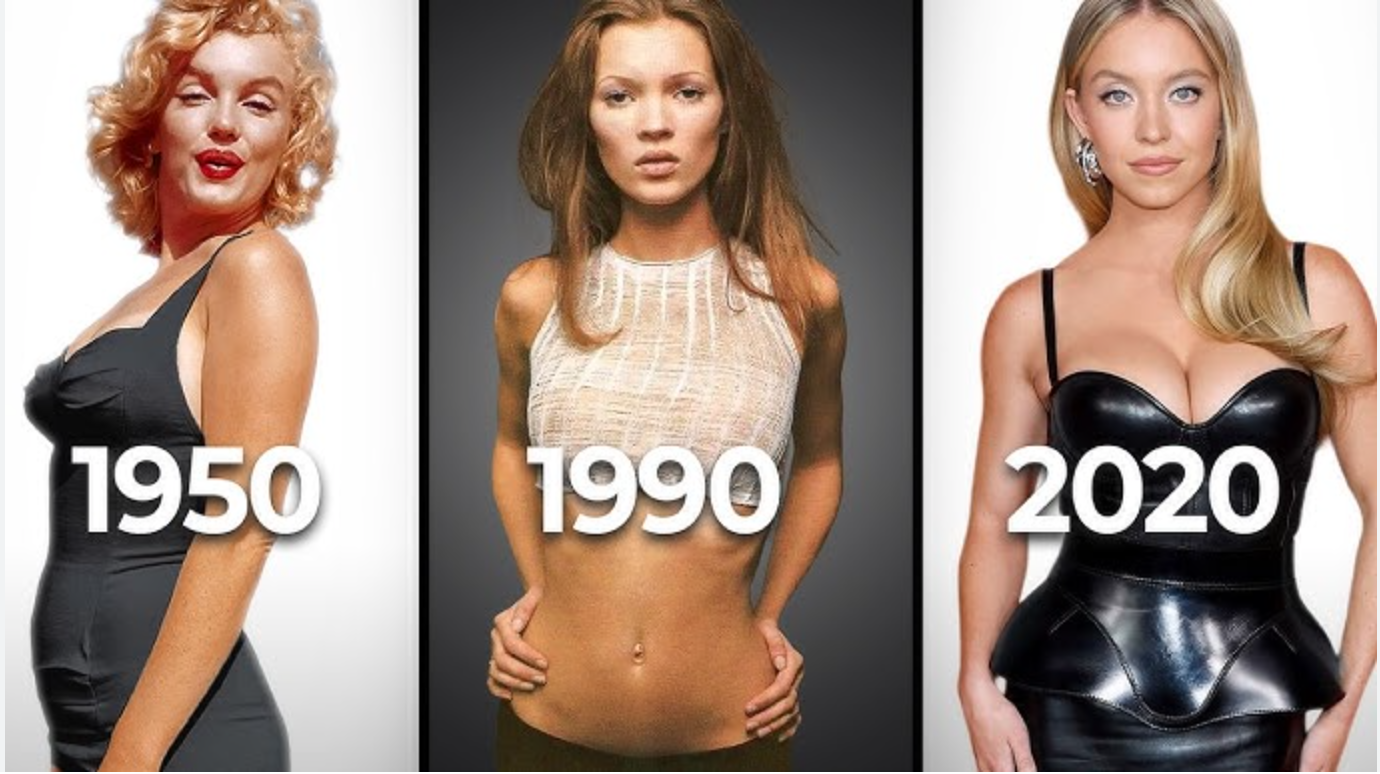
While blaming society and media is an obvious antagonist in the battle of body image, real accountability takes place from within, and reshaping our perspective on ourselves and how we interpret said media. Not to sound too preachy, but beauty is subjective. There is no singular way to look beautiful, but there is one image being promoted, and let's not forget where it comes from. When we think of the idyllic female beauty, we think tall, thin, long legs, blonde hair, flat stomach, and big boobs—basically a Barbie doll. She represents the Victoria's Secret model image men and women adore.
But what is Victoria’s secret? She’s an old man in Ohio, telling women what’s ’sexy’ and profiting off it. Our beauty standards have relied on the validation of old white men who catered their marketing budget to promote their opinion.
The glorification of thinness has long been intertwined with systems of control, particularly over women's bodies. Under the male gaze, a smaller body has often been associated with discipline, desirability, and obedience, reinforcing the idea that a woman's value lies in how little space she occupies. Throughout history, some religious sects and coercive groups have also used food restriction as a means of exerting power, framing self-denial as a path to purity or spiritual closeness while weakening both the body and the mind. When access to food becomes a measure of morality, control masquerades as virtue. The result is a culture that praises self-starvation as discipline while overlooking the psychological and physical harm it can inflict.
Body shapes have been deemed beautiful in all shapes and forms; let's not forget Venus, the Roman goddess of love and beauty, and the figure she’s been shaped to as the ‘perfect’ body. She’s not a 6’ model with her collarbones protruding; she’s curvy, soft, embodying her gentleness and warmth. Same with Marilyn Monroe, who embodied similar beauty standards. Throughout time, we can see the change in what society deems as ‘beautiful’ at the time, and while we can shape ourselves to other people’s opinions, it’s much more sustainable to define how you consider yourself to be beautiful.
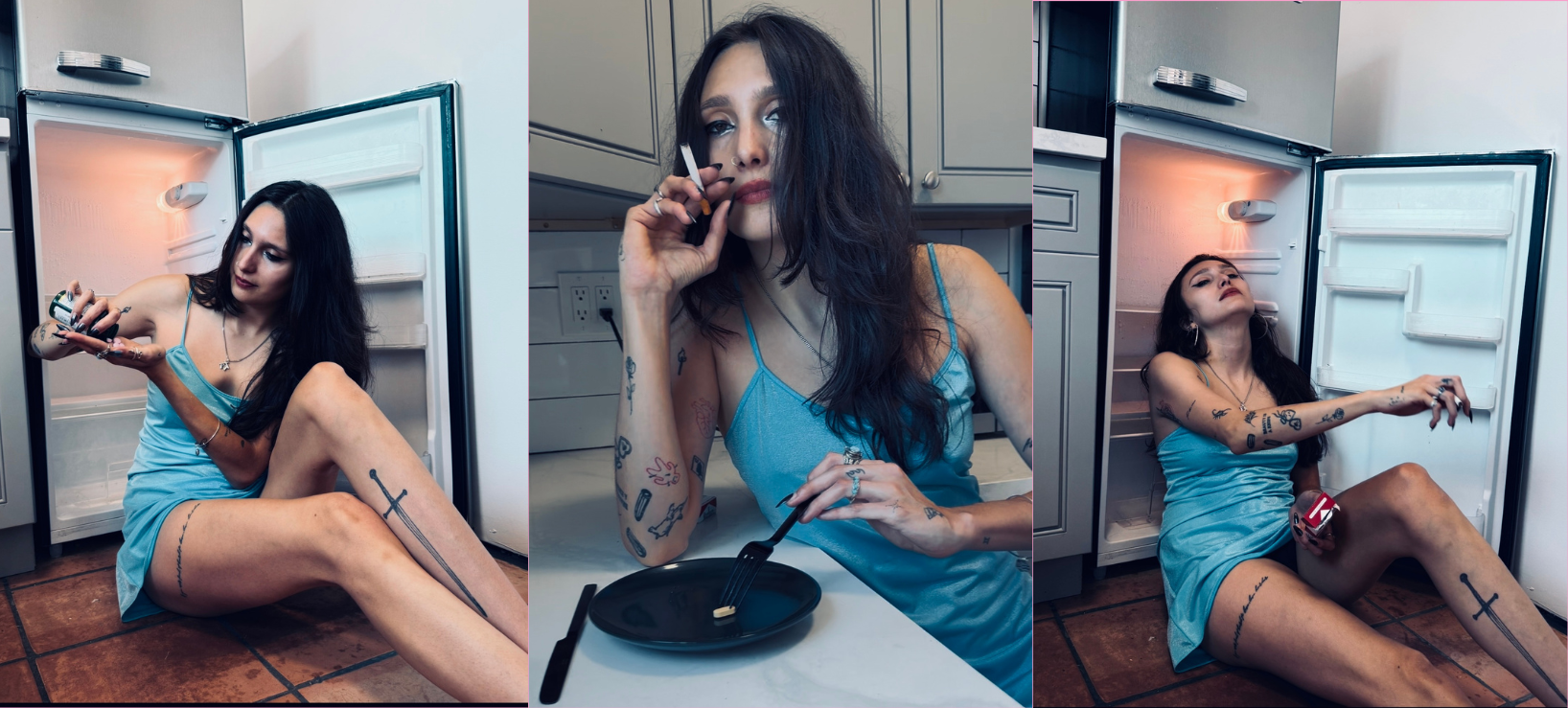
The pressure to be objectively beautiful creates a sense of desperation that can be lethal and has cost many their lives. As a former runway model, I remember girls going to extremes to maintain their thinness: soaking cotton balls in juice, purging/ diet pills, eating a tomato a day, smoking cigarettes instead of food; I even got to a point where I sought a darker substance as my ‘miracle weight loss drug’: meth. Like Regina George, I was desperate to lose a few pounds, and that desperation translated into something much darker; only once, though, and I gained weight ironically. This was just a snapshot into my 17-year addiction to dabbling with substances, and everything I did for thinness was a desire to feel enough. We don’t just learn to equate our worth to how we look, but we begin to feel that it is true. I didn’t have to look at a scale to feel validated in my addiction; I felt it: the hunger pangs, the shivers, the hollowness. A rush to my brain delivers a kind of ecstasy that can free me from my reality, suspending me into another dimension where things feel still. This was not accessed through a certain pill or drink, but through the effects of starvation.
Nicole Bica / @nicoledbica
Weight loss and food-related addictions can be just as devastating as substance use disorders, with one crucial difference: unlike drugs or alcohol, food is essential for survival. Recovery requires rebuilding a healthy relationship with food and the body rather than simply abstaining. As GLP-1 medications become increasingly normalized for cosmetic weight loss, we risk reinforcing the idea that our bodies need external substances to be acceptable; a message that can be especially dangerous for those vulnerable to addiction. Addiction itself is a disease, not a moral failing, and its risks extend far beyond drugs and alcohol. If we truly want to prevent addiction, we must pair responsible marketing of weight-loss medications with education that teaches young people their worth is not defined by a number on a scale or an ever-changing beauty standard.
Society condemns substance abuse while celebrating extreme thinness, even when it comes at the expense of physical and mental health. The concept of being perfect falls into complying with certain standards, and fears of falling victim to it; addiction reflects just that. The irony of the once-glamorized "heroin chic" aesthetic is that we often praise the appearance of addiction while stigmatizing the people who live with it.
While she may be thin and beautiful, there is vacuity in her eyes.