'Union County': A Film That Refuses to Reduce People to Their Addiction
By Natalie McCarty
Films that center on addiction are often difficult for me to watch for a multitude of reasons, but chief among them being that so many portrayals fail to treat it with the dignity it deserves. Too often, addiction is overdramatized, sensationalized, or even unintentionally glamorized. It's rare to find a film that approaches the subject with honesty, nuance, and compassion.
Union County is one of those rare films.
IMDb
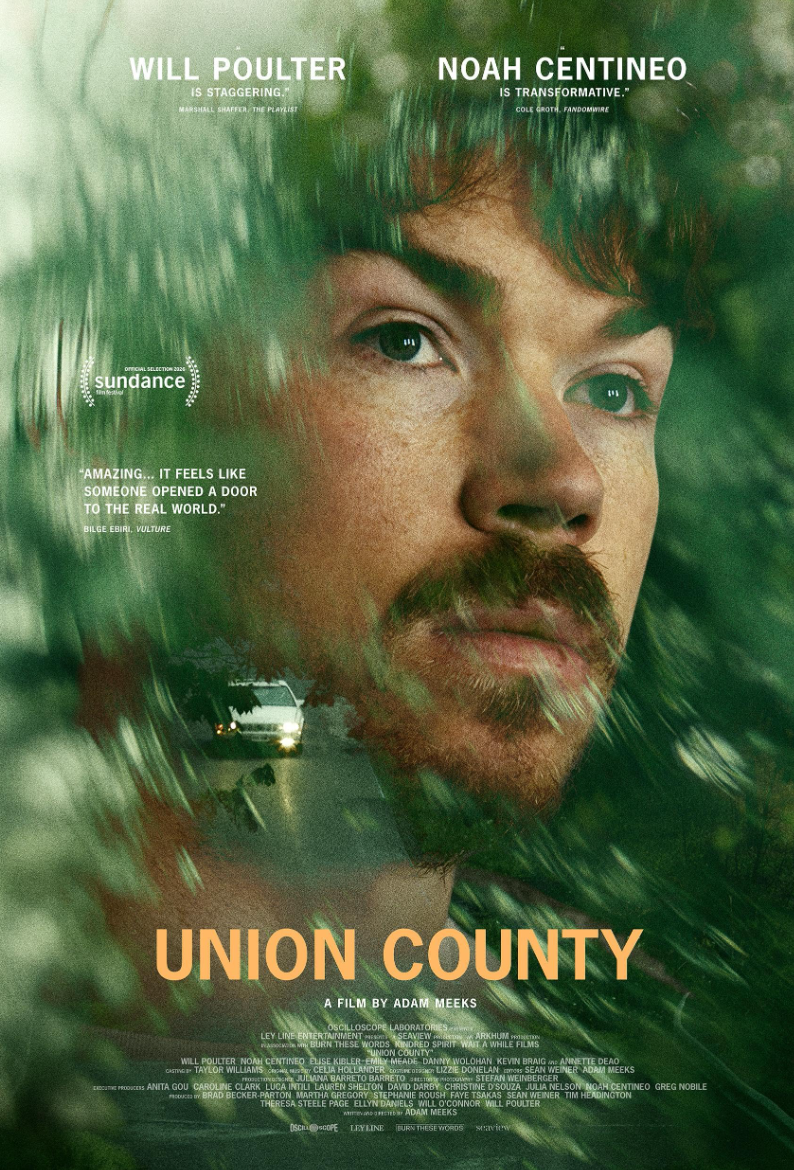
From the opening moments, Adam Meeks' directorial debut feels deeply lived in. Set against the backdrop of the opioid epidemic in rural Ohio, the film follows Cody Parsons (Will Poulter), who is assigned to a county-mandated drug court program and begins the uncertain, often painful journey toward recovery.
What struck me most was the tenderness of the film. There is a softness woven into every frame. The chirping insects in the woods, the hum of a car engine, the ritual of lighting a cigarette—these little details create together an intimacy that grounds the story in reality. If you didn't know Will Poulter as a recognizable actor, you could almost mistake parts of the film for a documentary.
I think this kind of authenticity could only be reached by having someone inhabit this environment or circle near it. Meeks grew up in central Ohio, and his relationship with the region is evident in every scene. His understanding of the people, the culture, and the landscape shapes the film in subtle but meaningful ways. From the clothes people wear to the food they eat and the way they speak to one another, every detail feels authentic rather than performative.
The film even incorporates scenes shot inside a real Ohio drug court, while several local residents appear as fictionalized versions of themselves in recovery meetings and courtroom scenes. Those creative choices blur the line between fiction and reality, giving Union County an emotional honesty that few films are able to achieve.
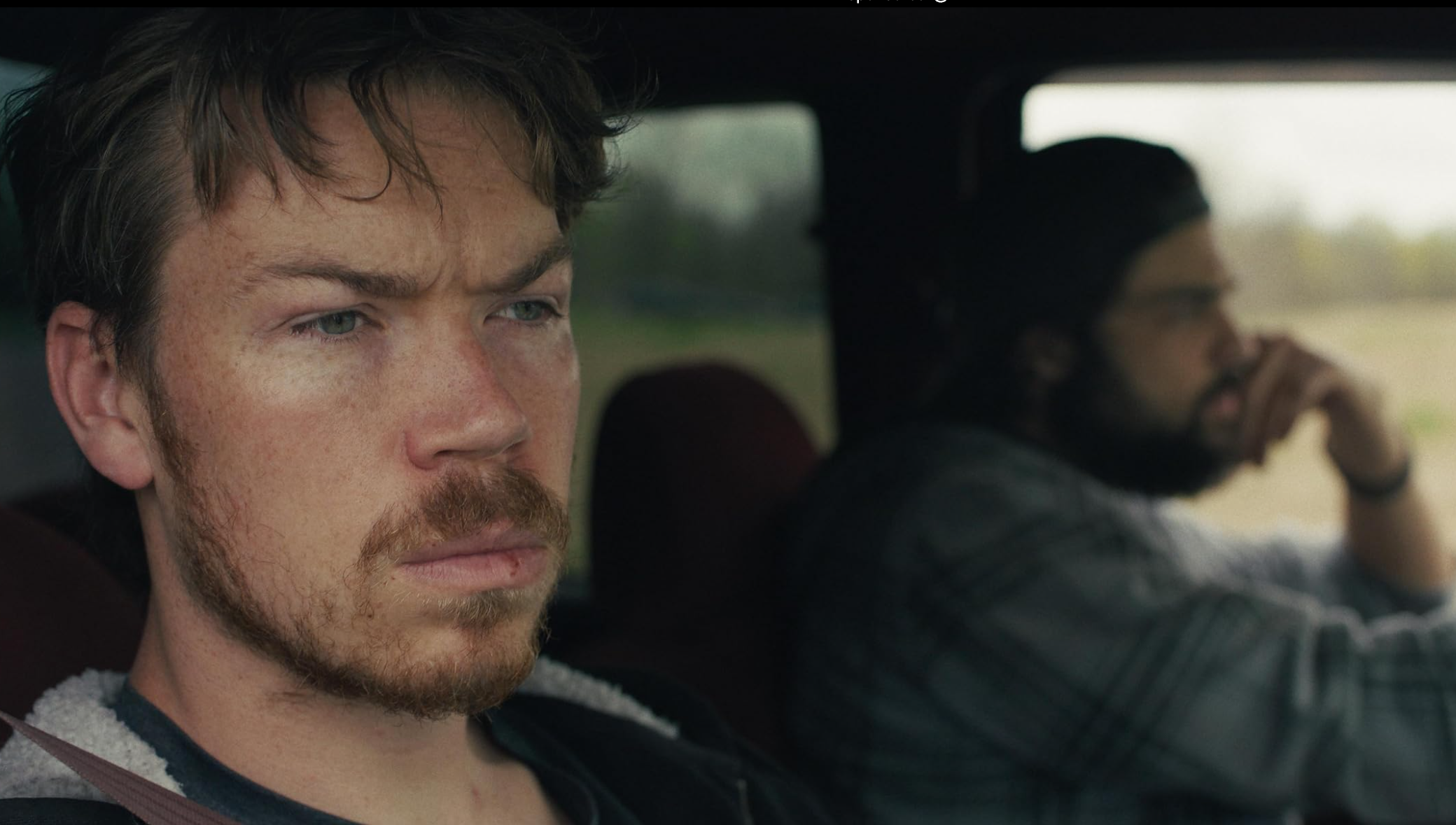
Will Poulter continues to prove that he is one of the most compelling actors working in independent film today. There is a remarkable depth to his performance as Cody. This film is encouraging, motivating, real. The final monologue delivered by Poulter is genuinely so impactful and has the power to touch lives. And Noah Centineo, as Cody's brother Jack Parsons, delivers what may be one of the most surprising performances in the film. Centineo has long been underestimated by the industry, but Union County serves as another reminder of the range he possesses as an actor.
IMDb
Beyond the individual performances, the film's greatest achievement is its refusal to place blame solely on the individual.
It's a very real depiction of the opioid epidemic that continues to devastate communities across the country. Union County doesn't shy away from exposing the systemic failures that contribute to that devastation. It highlights how difficult it can be to maintain sobriety in systems that often seem designed to punish rather than support.
Recovery doesn't happen in isolation, and the film understands that environment, economics, family, and community all play significant roles in determining who receives a second chance and who falls through the cracks.
Ultimately, Union County is a compassionate examination of people attempting to reassemble lives that addiction has scattered into pieces. It doesn't ask its audience to pity its characters but, instead, it asks us to see them.
And in a world that so often reduces addiction to statistics, headlines, and stereotypes, that act of seeing may be the film's most powerful statement.
Change is possible, recovery is within reach, and if you or someone you know is struggling with drug addiction, here are a few resources: