The New Guards of French Fashion
Entering an era where Chanel and Dior are cool again.
By Avery Wilson
Last month’s Couture Week in Paris saw the world’s top fashion houses present their most exclusive collections for the world to see. Many of these houses are undergoing a changing of the seasons, some more intensely than others, with the arrival of new creative directors leading fashion’s creative overhaul.
Taking on the most important position in a legacy house is no easy feat, especially when your predecessor, for better or worse, helped shape the brand's current identity. The two most obvious examples I can think of are Chanel's Matthieu Blazy and Dior's Jonathan Anderson; both CD’s are no strangers to the industry. If anything, they’re frequently praised for their previous work at Loewe and Bottega Veneta, rejuvenating and cultivating desire for otherwise struggling brands. However, despite being fashion darlings, it seems that after every collection, the same pattern of online discourse and criticism happens. “Dior/Chanel doesn’t look like Dior/Chanel,” which tickles me because, flashback to before these two started their tenure, all anyone would say in response to previous shows was how badly these brands need innovation and something new, myself included- I mean, my god! I never thought I'd live to see the day when people are defending Maria Grazia's Dior.
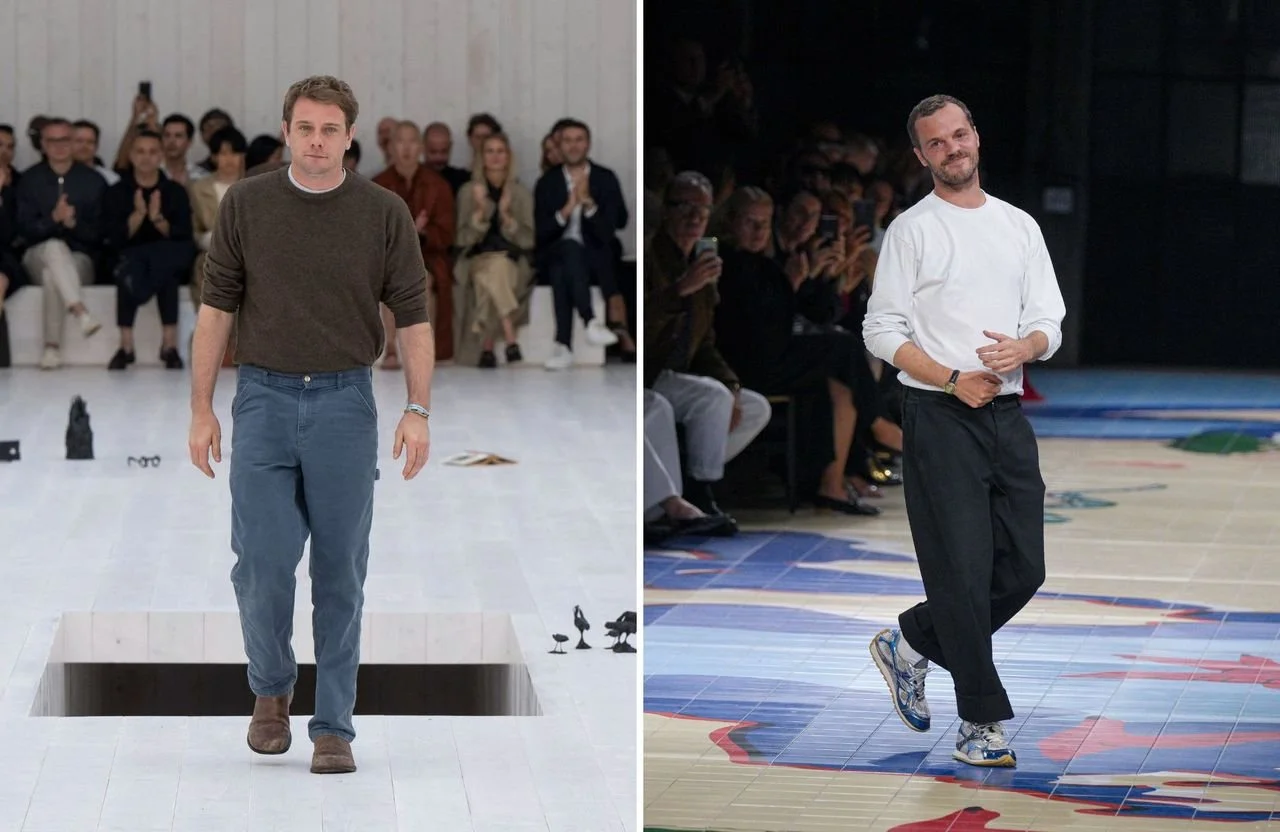
Sourced through Pinterest
Anyways, this critique surfaces like clockwork, followed by bits of praise, usually stemming from a piece that resonates with buyers or appears in a nice editorial shoot, until the next collection hits. This phenomenon has been going on forever. Fashion's creative direction seeks a balance among referencing the past, connecting to the present, and building an image for the future. It's difficult because when a brand has been iconic for decades, people develop rigid expectations of what that brand is supposed to look like. But fashion, just like anything else, is meant to adapt and change; there are decade-old archives to draw from. References may not always be obvious upon first glance, but they shouldn't be, right? Isn’t that the whole point?
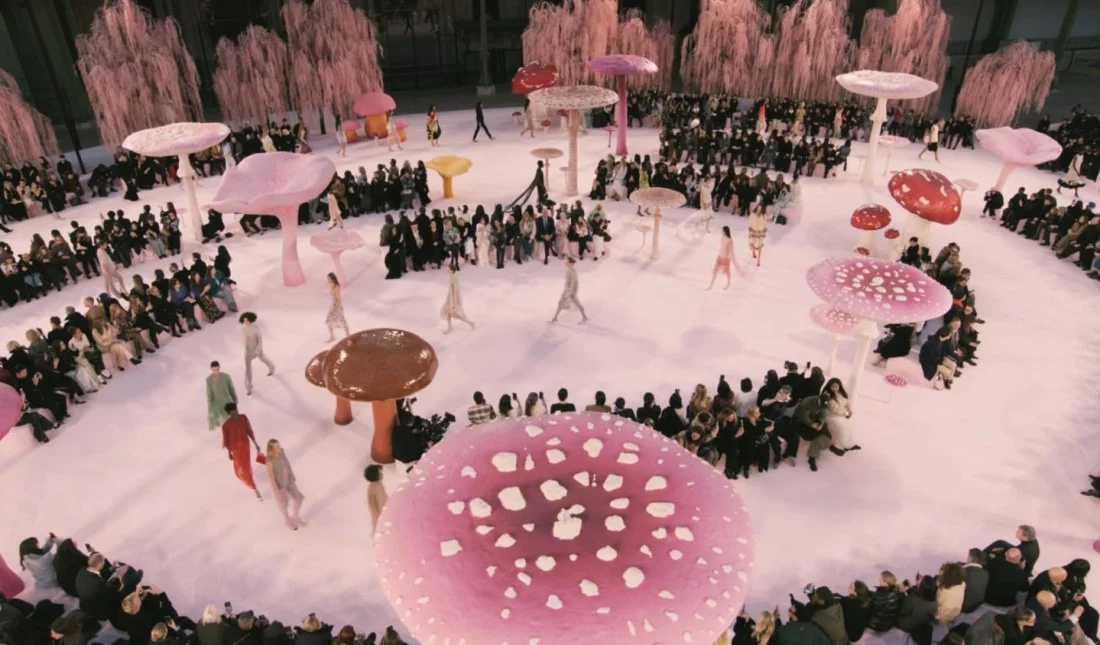
Sourced through Pinterest
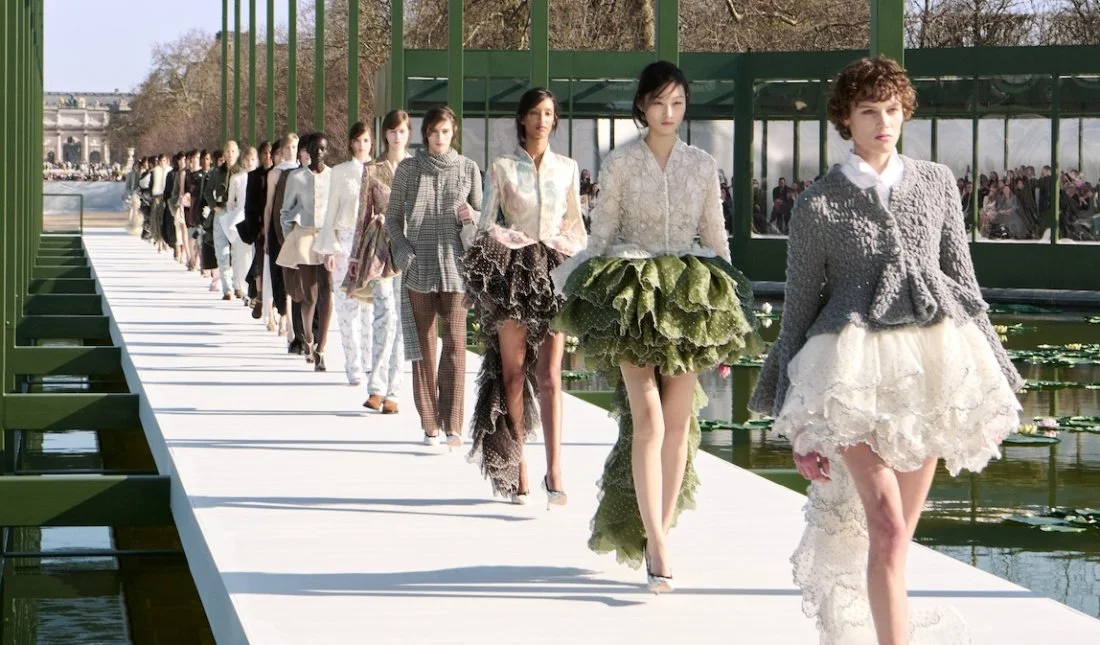
People become so stuck on the idea of what a brand should look like, rather than what it does, that they end up feeling disappointed and nostalgic for a version of a house that never existed. At a certain point, I have to wonder if much of this annoyance stems from years of repetition and mediocrity by the former creative directors. We had become so used to expecting the same thing every time with collections that any deviation from that standard is bound to be shocking. When a house has such a long history of defining fashion, people might expect it to look like a caricature of itself, stuck in a time. The two have done a great job at bringing critical and commercial success to the houses that they haven't seen in years. The ability to innovate the brand in ways that create excitement and whimsy while making thoughtful references to its history is often overlooked. Both directors have deep knowledge of the house's archives, a skill that takes time and can easily be abused, given that fashion is cyclical. The easiest thing to do would be to make recreations of the most popular collections and call it a day. Yet instead of taking the most obvious route, they use the archive as a starting point to build something more relevant to today.
Sourced through Pinterest
Blazy’s ability to make the iconic tweed feel new and refreshing, mixing it with denim and making the runways feel larger than life, is reminiscent of Chanel's spirit during Karl Lagerfeld's time, and Anderson’s interpretations of Christian Dior's creations, with his surrealist spin, have poured life into the label. Embracing fun and playfulness instead of sticking to self-serious guidelines has made the fashion desirable to both old and new customers alike. Brands that may have once alienated a young audience are welcoming them with open arms, creating clothes that can be worn day-to-day, inviting fresh faces like Inde Narravette, Quen Blackwell, and Cole Escola to sit at couture shows, and making a space for them as customers. I think witnessing this shift- brands reinventing themselves using forgotten elements from their past while making fashion fun and relevant again- has been a joy to witness, and I hope to see it continue. Change isn’t always a bad thing.