The Race for the Scariest Movie of 2026
By Reese Carmen Villella
We are six months into 2026, and it is time for people who don’t have anything better to do (like me) to start asking the age-old question: What will be the scariest movie of the year?
Fear is subjective. Some people are terrified by possession movies. Some people are terrified by home invasions. Some people are terrified by elevated horror, which is understandable because if I have to hear the phrase “grief is the monster” one more time, I may become violent.
In 2024, we had contenders like Longlegs, Terrifier 3, Daddy’s Head (which features a particular shot that still genuinely freaks me out), and Oddity, which was widely lauded as the scariest film of the year.
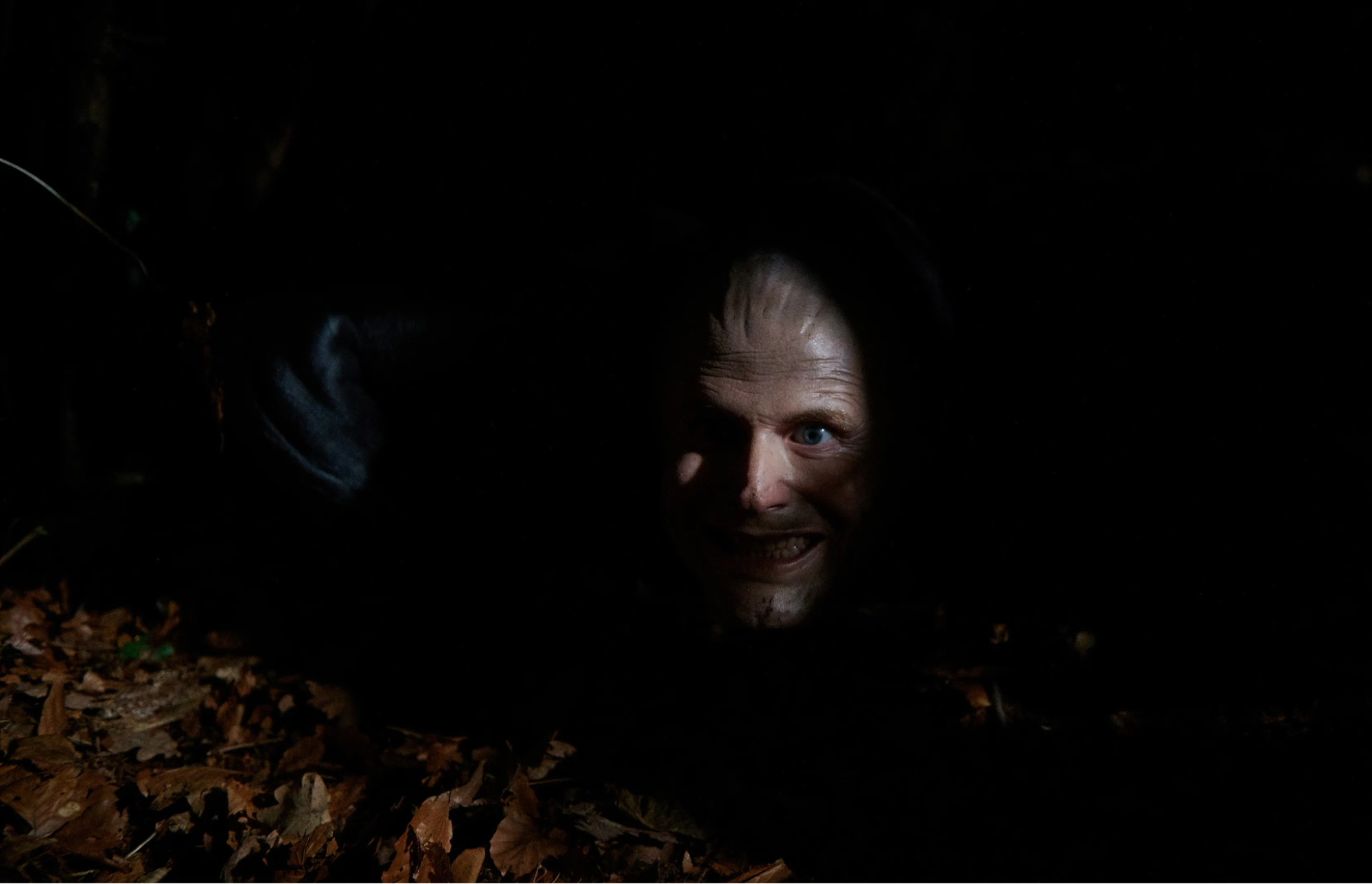
Daddy’s Head (2026); Courtesy of IndieWire
After his hit Longlegs, Osgood Perkins tried his hand at this game again in 2025 with The Monkey and Keeper, the latter of which had, despite its flaws, some fun creature design. I was tricked into watching Garden of Eden after a TikTok assured me it was the scariest movie of 2025, a paid sponsorship I regret believing to this day, as evidenced by my Letterboxd review.
Though the biggest horror success stories of 2025 were clearly Sinners (which doesn’t really count as horror to me, but I’ll let it slide because it’s so good) and Weapons, the title of “scariest movie of the year” was largely awarded to Bring Her Back, which also happened to be my favorite film of the year.
Now we’re halfway through 2026, and it’s time to start deliberating again. Of this year’s horror releases, I’ve seen Alpha, Bone Temple, The Mummy, Obsession, Primate, Undertone, Hokum, Ready or Not 2, Scream 7, Send Help, Thrash, Killer Whale, Psycho Killer, Forbidden Fruits, Passenger, and Backrooms. Of those, only a handful feel relevant to the “scariest movie” conversation:
The Mummy
Obsession
Undertone
Hokum
Passenger
Backrooms
As much as I’d love to talk about Alpha, which is a brilliant film by my favorite working director, it doesn’t really operate in the same space as these films. The unofficial criteria for “scariest movie of the year” are pretty simple: either the marketing or the broader discourse has to frame it as such. So while I’ll spare you the agonizing details, the films I won’t be discussing here but would still recommend are Alpha and Bone Temple. If you’re anything like me, you’ll also have a blast with Primate, while Thrash and Send Help make for perfectly respectable plane watches. You can skip most of the rest, but please heed my warning and avoid Psycho Killer, which was one of the most exhausting theatrical experiences I’ve had all year.
Looking ahead, I expect Leviticus, Evil Dead Burn, Insidious, Clayface, and Zach Cregger’s Resident Evil to enter this conversation before the year is over. But for now, let’s rank what we’ve got.
6. Lee Cronin’s The Mummy
It pains me to put this one at the bottom, as I adore Lee Cronin. He’s one of the mainstream horror filmmakers I’m most excited about right now. I loved Evil Dead Rise, and I had so much fun with The Mummy that I saw it twice in theaters. As far as the scare factor goes, I believe the amount of fun I had was actually the problem; I kinda enjoyed myself too much to genuinely be scared.
When the title was announced, horror fans immediately began arguing over whether Cronin had “earned” the right to put his name in front of a movie like some kind of horror auteur. To which I say: well, yes! He doesn’t need to be Guy Ritchie to throw his name in the title. Lee Cronin’s The Mummy sounds cool as hell, and I think that a little self-indulgence is welcome if you’ve made two back-to-back bangers.
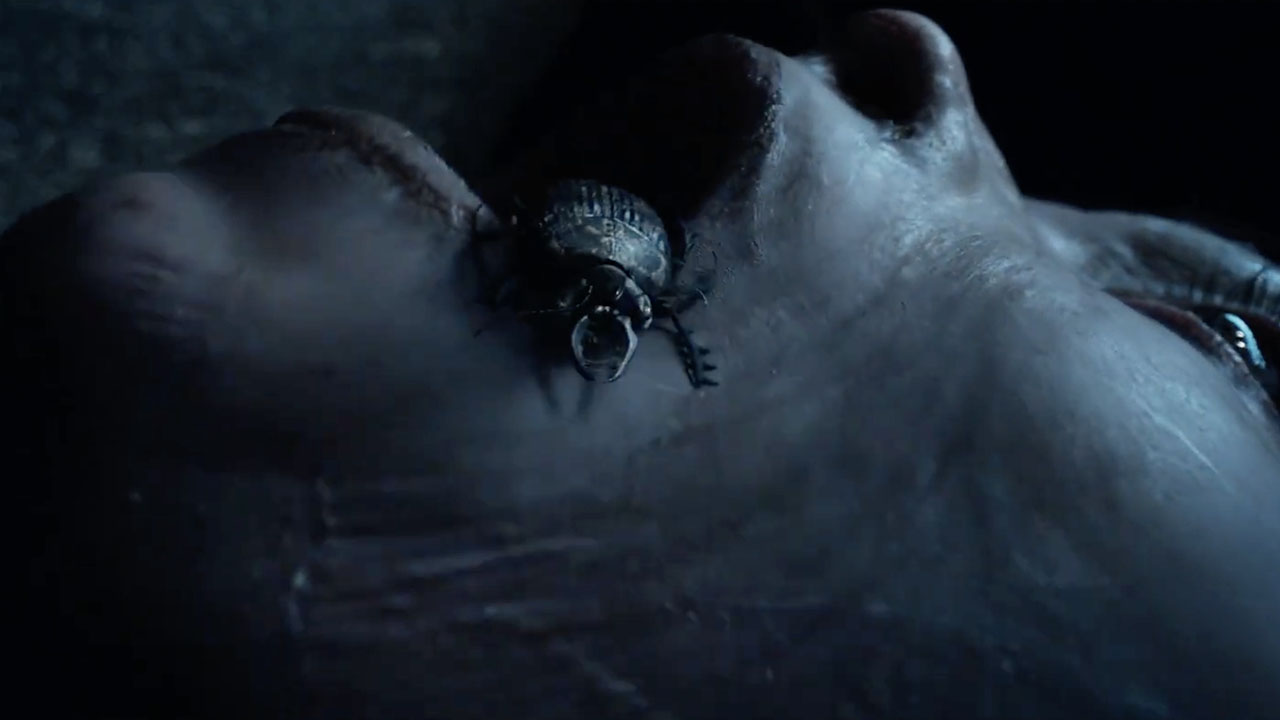
Courtesy of Bloody Disgusting
I also think Cronin has reasonably established himself at this point. The Hole in the Ground was a strong debut, Evil Dead Rise was a huge success, and The Mummy continues his streak of being one of the few mainstream horror directors who seem interested in making movies that are actually fun.
There is very little about this film that I outright dislike. I’ve seen some discourse about the runtime, but I think it’s earned. My only real complaint is admittedly a niche one: the split diopters. It was excessive. Cronin used a few in Evil Dead Rise, but I couldn’t even count the number he used here—my goodness!
The only other thing that didn’t entirely land for me was some of the makeup during the climax. The practical effects throughout the film are great, but the final mummified-child design pushes things a little too far into monster territory. I think a slightly more restrained approach would’ve been creepier. The earlier makeup effects work because they’re still recognizably human.
The film’s body horror is effective. Gore rarely gets to me, but there was one sequence in particular that made me feel genuinely nauseous, which scores huge points for Cronin. But fear and disgust aren’t always the same thing. The Mummy is energetic, funny, stylish, and entertaining. I spent most of the runtime grinning rather than dreading what came next (unless it was another split diopter).
5. Backrooms
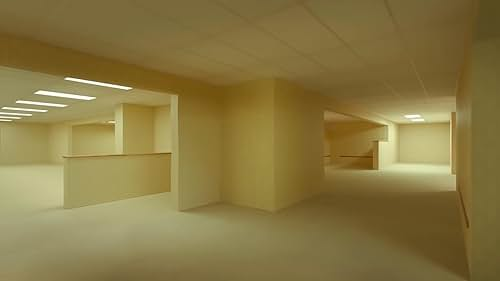
Backrooms fell kinda flat for me. I like the concept because I enjoy the online lore surrounding the Backrooms, and yes, I will indulge in liminal space TikToks late at night. I also love Vivarium, which seemed to have some visual influence on Backrooms. However, in terms of the scare factor, the film started on a slightly unfair footing because I’ve never actually found the Backrooms themselves scary.
However, a mystery entity pursuing you… I can tap into that. A shape you can’t quite make out slowly moving toward you. A long hallway that might have something at the end of it. The face in the laundry. Those were some of the best and scariest moments that really worked for me. The atmospheric work here is great, and if the film had lent itself more to that rather than to a half-baked character arc for the protagonist, I think I would’ve liked it a lot more.
I was interested in the film’s approach to found footage, a subgenre that has permeated the horror space like a disease. I like the found footage subgenre, and I will often go on a rant about the genre’s origins when my friends let me geek out, but I recognize that it is often overdone, unmotivated, and a flop (please stop making Hell House LLC movies). And so, I can appreciate that the film used a traditional narrative while incorporating some found-footage elements. Shelby Oaks was another recent experiment in this regard, blending found-footage aesthetics with a more conventional narrative structure. Backrooms feels like it’s attempting something similar, and for the most part, I think it succeeds on a technical level.
Courtesy of IMDb
The problem is that the film becomes increasingly focused on character drama, and that’s where it starts to lose me. The emotional beats never quite land because they don’t feel earned. We spend a surprising amount of time focused on a supporting character whose circumstances are so outlandish that I struggled to become emotionally invested in them. The film keeps asking us to care, but it never really does the work necessary to get us there.
A simpler approach would have worked better. I would’ve been perfectly happy watching a group of strangers stumble into the Backrooms together and learning about them as they navigate the space. Instead, the film repeatedly pulls away from its most interesting element to develop character arcs that never become compelling enough to justify the attention they’re given. I also think they frankly spent too much time outside of the Backrooms! Once the exposition is set up and the characters enter the Backrooms, don’t let them leave, because that’s where they finally become interesting.
And no, the entity reveal didn’t work for me.
4. Obsession
Obsession is one of the best films I’m discussing here, but it’s not scary in a traditional sense. The film’s horror is rooted in implication. Its horror isn’t built around jump scares or frightening imagery. Instead, it’s interested in making you uncomfortable, asking you to sit with ambiguity and slowly piece together what’s actually happening. That’s the kind of horror I love, which is why I think this film is so great, but it doesn’t necessarily translate to being scary.
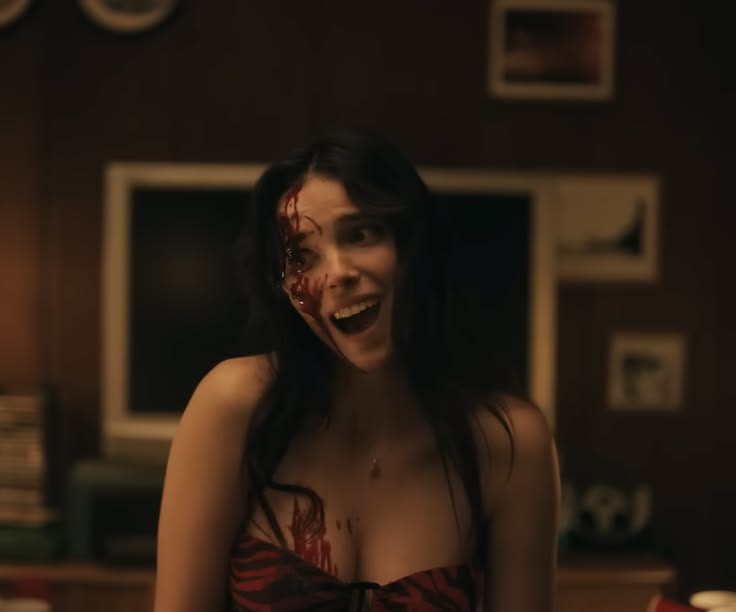
The film is largely defined by its bait-and-switch regarding who the real victim is. Initially, it seems like Bear is suffering the consequences of his own wish, trapped by an obsessive girlfriend who refuses to leave him alone. But then you learn that Nikki is conscious the whole time and suffering, which Bear is privy to but does nothing to resolve. Instead, he perpetuates her suffering to his own benefit.
Courtesy of Focus Features
Nikki is reduced to a vessel for Bear’s romantic and sexual desires, stripped of any physical or emotional autonomy. The monster isn’t the obsessive version of Nikki; it’s Bear’s willingness to accept her suffering so long as it remains convenient.
The now-infamous bedroom scene is the scariest part of the film. Curry Barker’s decision to shoot Nikki in silhouette throughout the film, but especially in this scene, tickles my filmmaker brain. Obscuring Nikki’s face and making her uncanny is one of the best horror conventions here. The bedroom scene, where Nikki watches Bear sleep, recalls Pulse, as she lurks in a dark corner and makes unnatural movements.
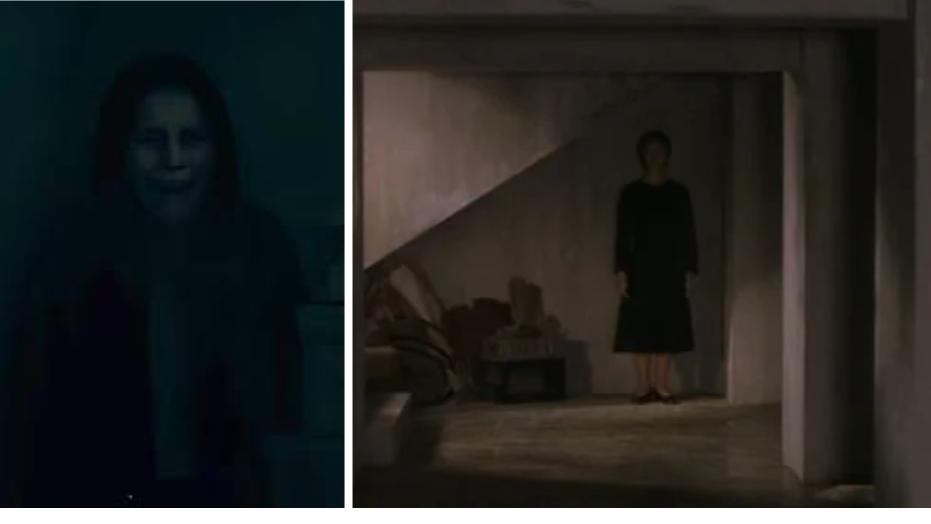
Stills from Obsession (left) & Pulse (right)
Ultimately, though, Obsession succeeds because of its writing rather than its scares, and I mean that as a compliment. It’s a film that lingers in your mind long after it’s over, even if it isn’t the one that leaves you checking under your bed before you go to sleep.
3. Passenger
Fine. I liked Passenger. God forbid I have a little fucking whimsy!
Is Passenger the strongest film here? No. Is it a good film? Not really. Is it something I would watch again? Also no. Is it scary? Sometimes!
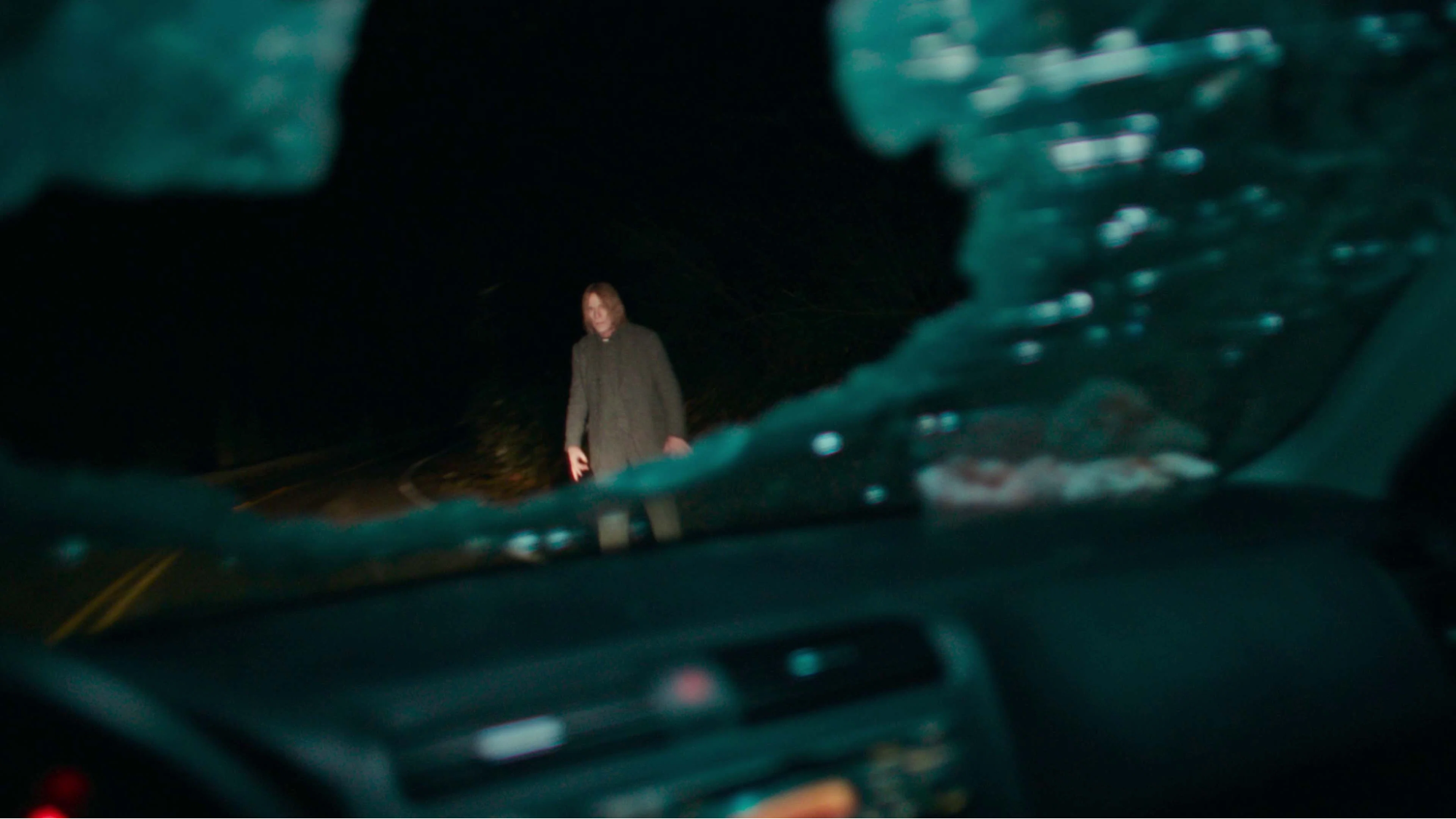
The film relies heavily on jump scares, which usually cheapens horror for me. But it also uses tension in a way that makes the jump scares deserved, in my opinion. Several sequences stretch themselves before finally releasing that tension.
Courtesy of TMDB
The creature is also mostly obscured, which remains the smartest decision a horror filmmaker can make. I’ve now mentioned this with Backrooms and Obsession, but horror tends to become less frightening the moment it begins to reveal itself. Whether that’s because modern creature design isn’t always strong enough to justify a full reveal or because fear of the unknown is genuinely more effective, I don’t know. That said, there is a very fine line to walk. In recent years, films like Daddy’s Head, Terrified, Forgive Us All, Traumatika, and Malum have featured creature designs memorable enough to justify putting them on screen. But reveal too little, and your monster feels underutilized. Reveal too much, and the illusion falls apart.
For example, I thought Forgive Us All barely showed its creatures enough to capitalize on how cool they looked, while Backrooms gave us a little more than I wanted. Passenger mostly finds the sweet spot. The film keeps its creature hidden long enough to remain effective, even if it does get a little too eager to show it off during the final act.
The standout sequence features a projector used as a light source in the woods, which is easily the highlight of the film. The projector is actively playing a movie, meaning images are warped as they are cast across the trees and the surrounding environment. I found myself doing a few double takes, trying to figure out whether something was actually moving through the woods or if I was just watching the projected film distort against the landscape. It’s a very clever visual idea and one of the most memorable horror sequences I’ve seen all year.
Maybe Passenger doesn’t always work, but when it does, it really does.
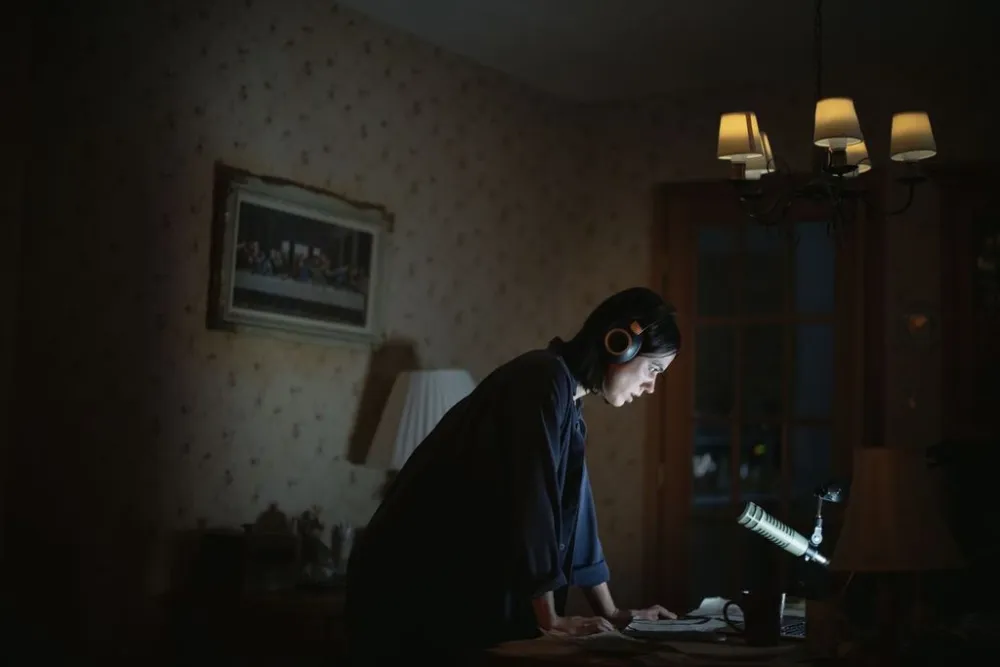
2. Undertone
Undertone is probably the most divisive movie on this list. Personally, I loved it.
More than anything, it’s an exercise in sound design. We spend most of the film watching a single performer while the world around her is constructed almost entirely through audio.
And for me, this worked! The distorted voices, environmental sounds, and disembodied performances create an interesting immersive experience.
Visually, though, the film also had some interesting choices. Wide shots linger, which leaves you looking for potential threats. The sound is so overwhelming that you expect the visuals to be overwhelming too, but there’s so much space that the dichotomy makes it feel claustrophobic. Every dark corner feels occupied. Every stretch of negative space feels intentional.
The first time I watched Undertone, it genuinely got under my skin. The second viewing was less effective, which is often the case with atmosphere-driven horror. Once you understand the trick, it loses some of its power.
I recommend turning off the lights, silencing your phone, and turning your TV’s subwoofer way up for this one.
Courtesy of Variety
1. Hokum
Congratulations, Damian McCarthy, you’ve won me over. I know you’ve been waiting to hear those words from me specifically. I liked Caveat. Oddity didn’t entirely work for me. And Hokum was a RIOT!
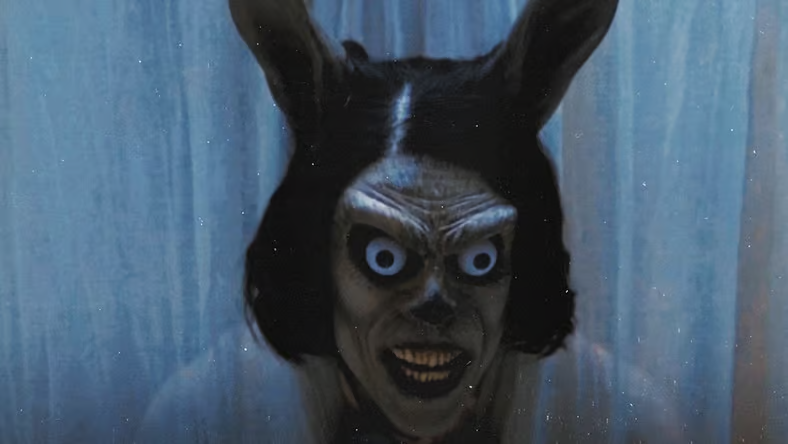
There’s a creeping sense of dread running through the entire film. The central dead body creates immediate anxiety because every frame feels like it’s building toward movement. And then there’s the witch. Oh, my God, she was scary. McCarthy reveals just enough of her to let your imagination do the rest, which, as I’ve mentioned, is something I’m a big fan of. The basement sequences are especially effective because the film never allows you to feel safe. Even when the character is near an escape route, they never feel reliable enough to relieve the tension.
The chase scenes are riveting. The claustrophobia is suffocating. The dark hallways are spooky. And yes! There is a jump scare that made me scream in a crowded theater. Admittedly, I’m jumpy, and I don’t always think being startled equals being scared. But this one really worked for me!
For now, Hokum is the scariest movie of 2026.
Courtesy of Dread Central
What Could Still Take the Crown?
Of course, we’re only halfway through the year, which means this entire article may age horribly within the next few months. I’m writing this a few days before seeing Leviticus, which I have extremely high hopes for. I’m also very excited about the new Insidious, which early reactions suggest is the strongest installment since the second film, and the trailer leads me to believe this is true.
Part of me wants to throw Evil Dead Burn into the conversation as well, but I suspect I’ll run into the same problem I had with The Mummy. I love Evil Dead too much to be properly frightened by it.
Thankfully, horror fans are eating well this year. Whether Hokum remains on top remains to be seen, and knowing how these conversations go, I’ll probably change my mind three more times before December. But for now, Damian McCarthy holds the crown, and if some terrifying masterpiece comes along next month and makes this entire ranking look ridiculous, then that’s a problem for Future Reese.