The Revolution Will Not Be Televised
AI, maximising performance, and ‘perfection’ versus inner change, compassion, and imperfection
By Nomi Makin
"The revolution will not be televised," Gil Scott-Heron declared in 1970, a time when mass media was solidifying its grip on politics, culture, and information. His message was clear. Real change isn't a passive spectator sport. It demands direct action and genuine human connection outside a screen’s controlled frame of curated narratives.
More than half a century later, Scott-Heron’s call for a revolution feels less like a historical artifact and more like an urgent warning.
Except now, the revolution won't be generated either.
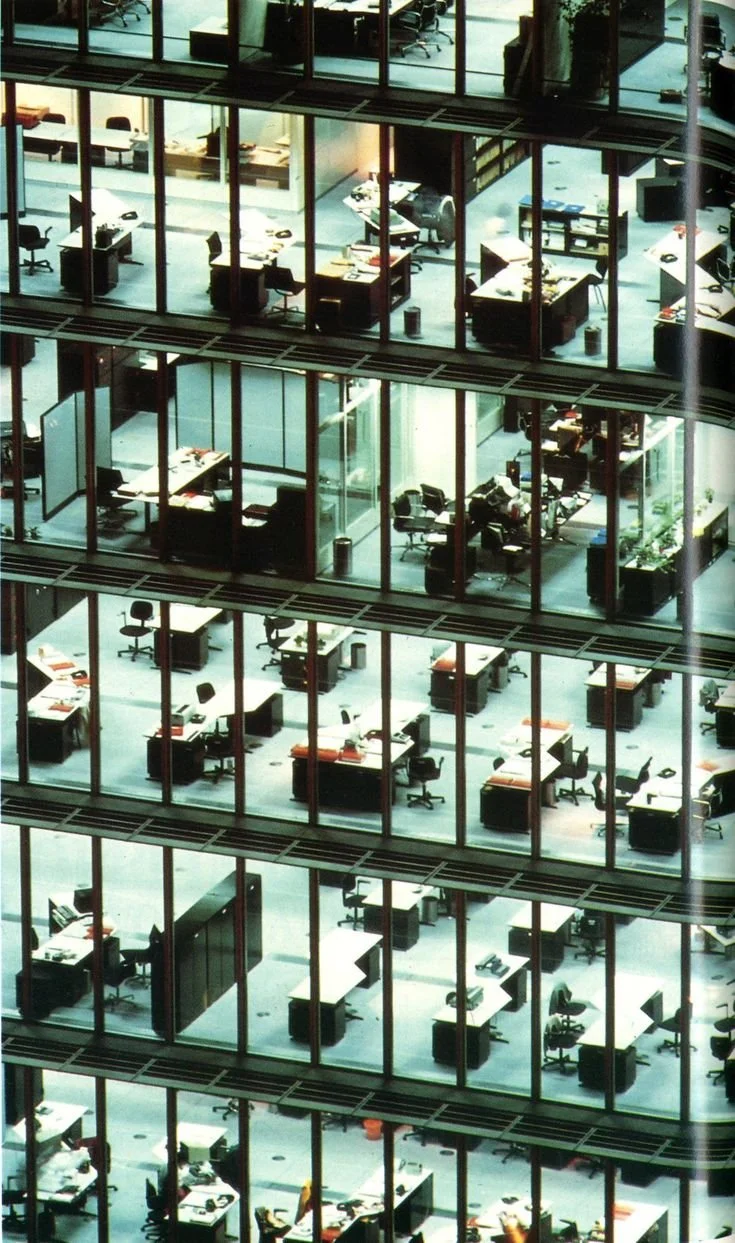
We are living in a strange period of reality where almost every aspect of life is being optimised. Work faster. Sleep deeper. Look better. Eat healthier.
Ai can write your email whilst simultaneously planning your holiday. However, with this continuous maximising of ‘efficiency’, our dependency on delegating tasks is now going beyond ‘work’. Some are even turning to ChatGPT for comfort the moment their situationship hits them with a blunt response.
Everything in life is becoming quicker and treated with a sense of urgency. But what happens when the thing we're optimising is being human?
Perhaps the great irony of Ai is that the more technology removes ‘work’ from our lives, the more we have to consciously seek out the things that cannot be optimised. Things that are central to being human. Things such as: community, creativity, solitude, vulnerability, intimacy and compassion. All of these things come from within and require real inner work.

People query ChatGPT for everything. What to do next, how to reply, whether a diet is actually healthy, or if a minor three-day headache signals impending doom. They feed it a crush's text from three hours ago for deep analysis. They even rely on it to explain their own feelings back to them.
It feels like living straight through a Black Mirror episode.
In Australia, a recent study found that 1 in 4 people had discussed their mental health with AI. Perhaps accessibility is the precise problem. Phones and AI sit in our pockets, ready for every minor panic. Dilemmas that once faded naturally or dissolved into hypothetical noise now get dissected, cross-examined, and blown out of proportion. Great news - that chest pain? ChatGPT calculates you have exactly two hours to live. Even better news - your situationship leaving you on read for two days? They hate you and never want to see you again. Lol.
AI is breeding an army of over-worriers and under ‘doers’.
Regrettably, my Instagram feed has been infiltrated by AI-generated grannies and Rastas dispensing "life wisdom" and medical advice. They’re formatted to mimic the genuine warmth of a real human elder who’s spent decades navigating the messiness of being human. And bizarrely, nobody seems to care. I’ve literally watched friends bring a problem to Chat before talking to the actual person they’re having the issue with. The irony is painful. We have never had more ways to communicate with one another, yet increasingly we're asking machines to mediate the communication for us.
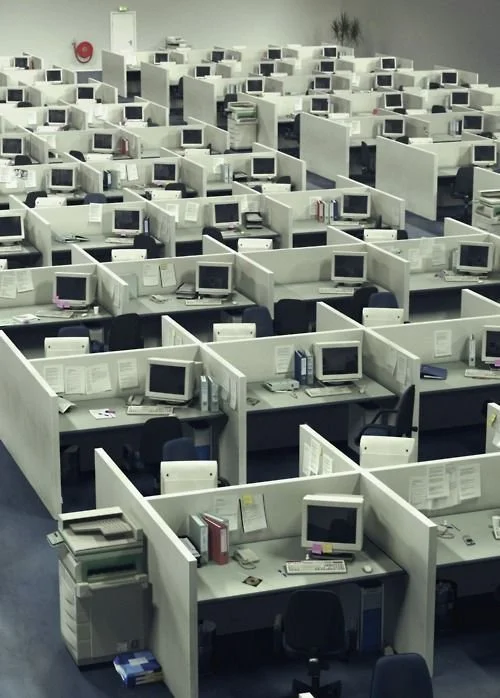
We’re living in an embodiment of the Matrix, except there’s no blue pill left to swallow. The blue pill is gone, and the red pill begs us to open our eyes to the robotic reality we now call home. Perhaps the harshest part of our quickly changing reality is that most of us are aware - but are passively seduced by the ‘intelligence’ that tells us what to think, how to behave and what’s worth fretting over.
We know we're becoming addicted to our screens. We know algorithms influence what we see and believe. We know social media is distorting our perception of ourselves and each other. We know AI is rapidly entering and poisoning our relationships, our creative industries and our minds.
There is no great revelation waiting around the corner. The question is what can we do?
And perhaps this is where the next revolution begins: not with rejecting technology entirely, but with remembering what technology cannot give us.
Creativity is one of the places I feel this most acutely.
For centuries, art has been a record of human imperfection. A photograph captures someone's beauty in their ugliness. A painting conveys patience. A song carries memory and yearning. Writing is inevitably tangled up in the person who lived enough life to have something to say.
Now AI can produce an image in seconds, write a song in minutes, and imitate almost any art form we can name. There is no doubt that the technology is extraordinary. But extraordinary and ‘good’ don’t always exist synonymously.
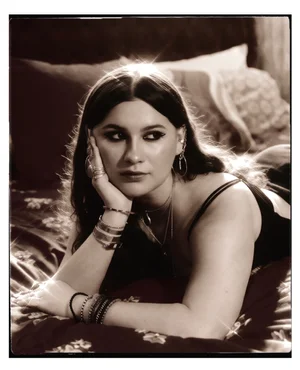
I spoke to photographer Oli Stone about AI's growing presence in his industry.
“I am firmly against the use of AI in my industry - I don't use it in my work,” he explains. His concern isn't that AI will replace photographers at all. It's that people are becoming too focused on speed and cutting corners instead of learning a process through mistakes.
His belief is that the people who continue investing time, energy, and feeling into their craft will ultimately thrive, while those who rely heavily on AI risk becoming accustomed to a workflow that requires less thought and feeling.
After speaking with Oli, I understood more deeply how creativity and expression are largely about mistakes and imperfection. Although it sounds cliché, prioritising the journey over the destination really is the core of being human. Challenges, hardships, mistakes, and failures aren't flaws in our design — they're the exact moments that force growth, real-life learning, and actual brain activity.
We have become so obsessed with perfection that we've forgotten how much creativity comes from getting something wrong.
The photograph that nobody ever sees. The badly written first draft and the thousand spelling errors (shoutout to me). The painting that is ruined by a single stroke. The meal prep you completely fucked up and now have to eat for the rest of the week.
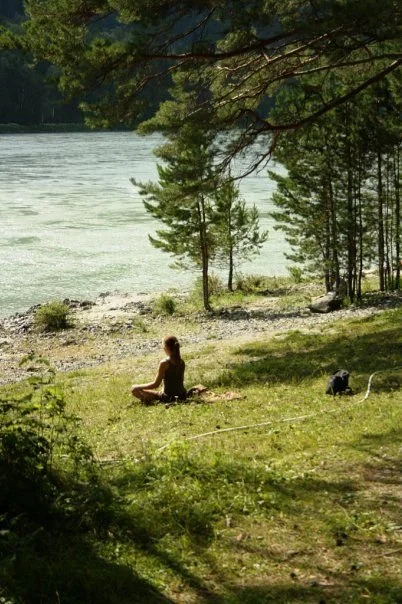
There is no growth or uprising in perfection. There is beauty in the attempt.
AI is forcing us to confront that more clearly than ever. If a machine can produce something technically flawless, then human creativity becomes valuable for precisely the things machines are supposed to eliminate. Personality, vulnerability, uniqueness, inconsistency and failure. The more perfect everything becomes, the more we yearn for imperfection.
Unfortunately, the clinicalness and optimisation of AI doesn’t end with creation.
I have friends whose first instinct in emotional turmoil is to open Chat. Instead of sitting with discomfort, they ask AI to name their feelings. Instead of having an awkward conversation, they ask ‘him’ what the other person "actually meant." Rather than accepting that relationships are inherently messy, they rely on software to make sense of them.
Research into AI companionship is already beginning to document concerns around emotional dependency, relationship expectations, and people becoming deeply emotionally entangled with chatbots.
Although seen as a bit of a joke, AI relationships are vastly growing. From the woman who married her AI boyfriend to gross men marrying female robots, around 1 in 12 people globally now report having a deep emotional or romantic relationship with an AI companion.
Although worrying, I don't think panic and fear are a healthy way to revolt. Like most things in life, the answer lies in balance and moderation. In a world whipped up by constant urgency and forced perfection, It’s far too easy to let real life become background noise.
Although helpful and useful for a lot of things, technology cannot sit beside you when you're crying. It cannot know what it feels like to lose someone. It cannot feel the particular ache of a song because it reminds you of someone you once loved.
It cannot live the experience that created your need to be understood.
True understanding comes from the opening of our hearts and minds to compassion and human connection. Learning how to truly love. And I'm not talking about finding your ‘soulmate' and skipping into the sunset hand in hand (as great as that sounds). Real unconditional love is much less of a phantasm.
Learning to love ourselves despite our uglier parts. Sitting with our wounds and carefully tending to them. Allowing ourselves to be alone and silent. Becoming comfortable enough with our own imperfections that we can extend that same patience to other people.
Solitude can create the space for this.
And perhaps solitude is one of the most radical things we can practise in a world designed to constantly interrupt us. To have a thought or question without immediately searching for it. To be bored. To meditate. To have a conversation where neither person knows the answer.
In our current world, this is exactly what a revolution looks like. When the systems around us are enormous and encompassing. Revolting quietly and simply can act as a powerful resistance.
Although the yearning to throw away my phone is strong and retreat to the foothills of the Himalayas - it might not be sustainable or even helpful. We don't actually need to return to some imaginary pre-technological paradise. But we do need to become more intentional about what we refuse to outsource. Our creativity. Our relationships. Our intuition. Our ability to think. Our capacity to sit with uncertainty. Our compassion.
Because the alternative is a world where community and connection are a thing of the past. Where we live in a constant state of efficiency and optimisation. A painfully individualised society.
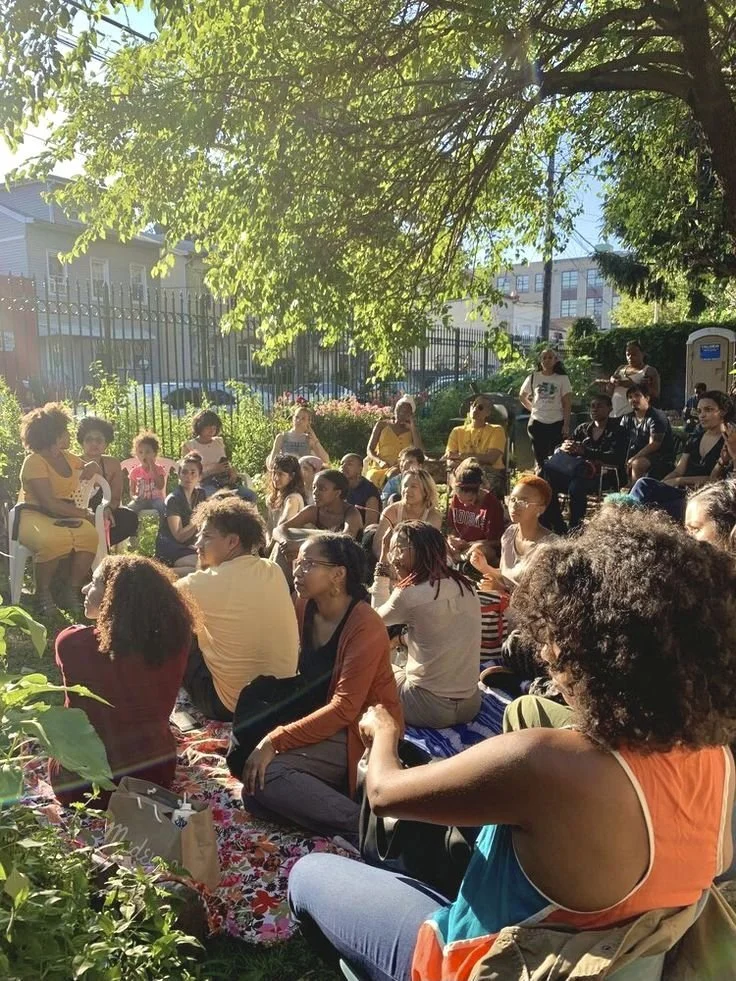
The further we move towards artificial intelligence, the more desperately we need to cultivate human consciousness. The revolution I am interested in is one where we refuse to allow convenience to become the highest value of our lives. The one where we can be alone without being lonely. One where our communities aren't based on productivity or status.
But the Awakening Our Universal Hearts.
This quiet revolution will not be televised. It won't be generated, automated or optimised.
It will happen lovingly. In open conversations and in the embrace of Mother Nature. In friendships that require forgiveness. In choosing to sit with ourselves instead of reaching for a screen. It will happen every time we choose connection over convenience, curiosity over certainty, imperfection over perfection and compassion over control.
The revolution is love.
And for once, there is no shortcut!