
The Urgency of the 2026 Primaries — and How to Get Involved
By Julia King

Sourced Through Pinterest
This spring marked the start of primary election season, and the forecast is, naturally, unpredictable. Each state presents voters with unique candidates, measures, and propositions; some even further complicated by last-minute redistricting. As many local legislatures are set ablaze with razor-thin competitions, every election is defined by a common denominator — the results are undeniably consequential.
The Urgency of the 2026 Primaries
Many harp on the importance of primaries every time they roll around, often watering down the perceived legitimacy of these elections. Primaries’ notoriously lower turnout rate suggests many voters view the races as nonconsequential, particularly in states utilizing a top-two primary.
That said, these primaries set the stage for the 2026 midterms in November, which will ultimately inform the remaining years of Donald Trump’s second term, and the political conditions of the 2028 presidential election.
The current state of Congress is not an unfamiliar story. Republicans are hoping to maintain control of Congress (and further enable Trump’s streamrolling of traditional legislative processes), while Democrats are fighting to engage dissatisfied voters and lay the foundation for future action against the administration.
The battle over Congress is only further inflamed by the hike of redistricting efforts leading up election season. Notably, Texas Governor Greg Abbott added redistricting to its 30-day legislative agenda after Trump urged Republicans to redraw the state congressional map to help keep the Republican House majority. Other red states have since followed suit.
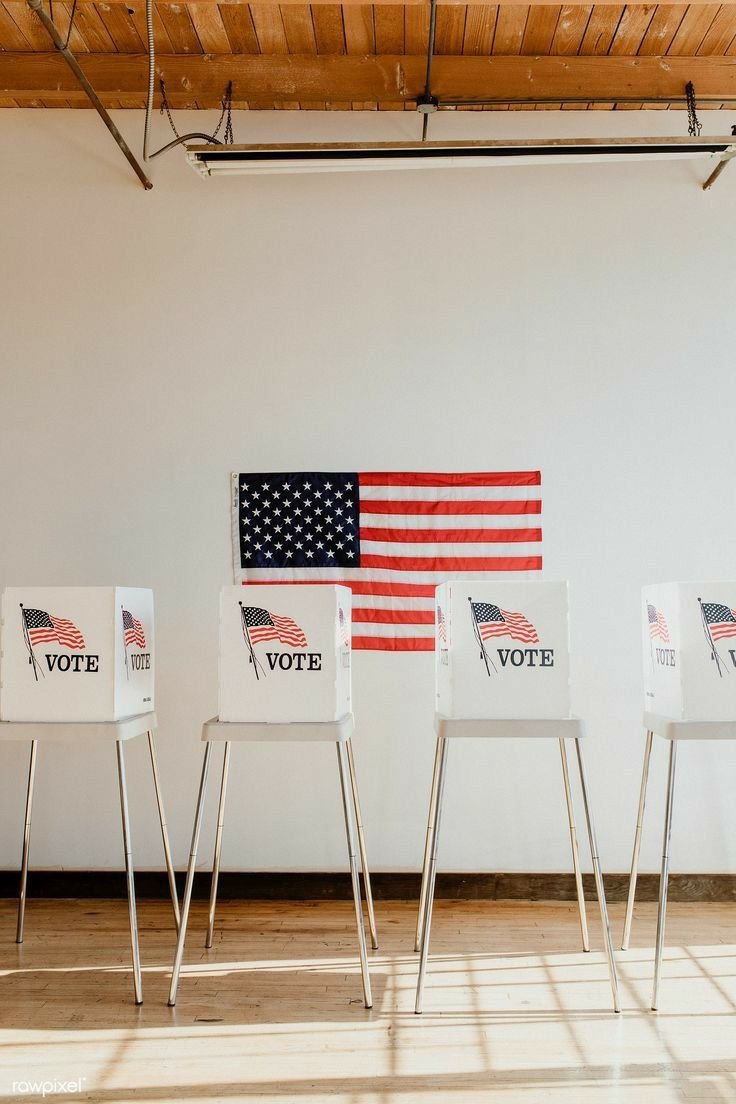
Sourced Through Pinterest
Know-Before-You-Go (To Vote)
In alignment with their unpredictable nature, primaries are held from March to mid-September. Thus, many states have passed the voter registration deadline. However, for states with later primaries, such as Delaware or Massachusetts, there is plenty of time to register and research.
First time voting? Individuals can easily register on their own state government website and navigate registration with vote.org or vote.gov. (And — over 20 states allow individuals who are 17 but will be 18 by the general election to vote in primary elections.)
While every ballot is unique, researching candidates remains paramount. Although a majority of voters’ attention often goes towards federal-level candidates (and often only the presidential ones), Congressional candidates can hold a considerable amount of weight in decisions that will affect the everyday voter. Voters must exercise their own judgment to determine which candidate aligns with their political preferences and local goals.
The primaries are also only the setup for the midterm terms in November, though just as important. There are various primary election types, which inform whether political affiliation will limit which candidates voters can actually select on their ballot.
Whether this season introduces your first primary election or welcomes you back as a seasoned voter, these races warrant a level of curiosity, research, and action to ensure one’s vote is heard. Information surrounding your one’s election can be overwhelming, but navigating your own research is truly most of the battle. As society trades original thought for convenience, let this midterm election serve as a reminder that taking a little extra time to research and participate can go a long way.