By Stella Speridon-Violet

Sourced Through Pinterest
There are versions of myself that I will never get to meet.
I get asked for drugs a lot at the bar because people assume my friends and I are doing hard substances just because we use the large stall together and go out frequently. I got unfollowed and labeled “mean-spirited” because I posted an ins and outs list on Substack by a girl I’ve never met.
Girls who think I’m intimidating because I didn’t smile at them once. Someone’s ex who decided I was a threat based on nothing but proximity. A guy who thinks I’m nicer than I am because I laughed at his joke one time. Someone who thinks I’m mean because I didn’t respond to their DM.
All of them are real… just not to me!
We like to believe we have authorship over who we are. That if we explain ourselves clearly enough, post the right things, and present the most “authentic” version, people will get it. They will see us as we actually are. But that’s never how it works.
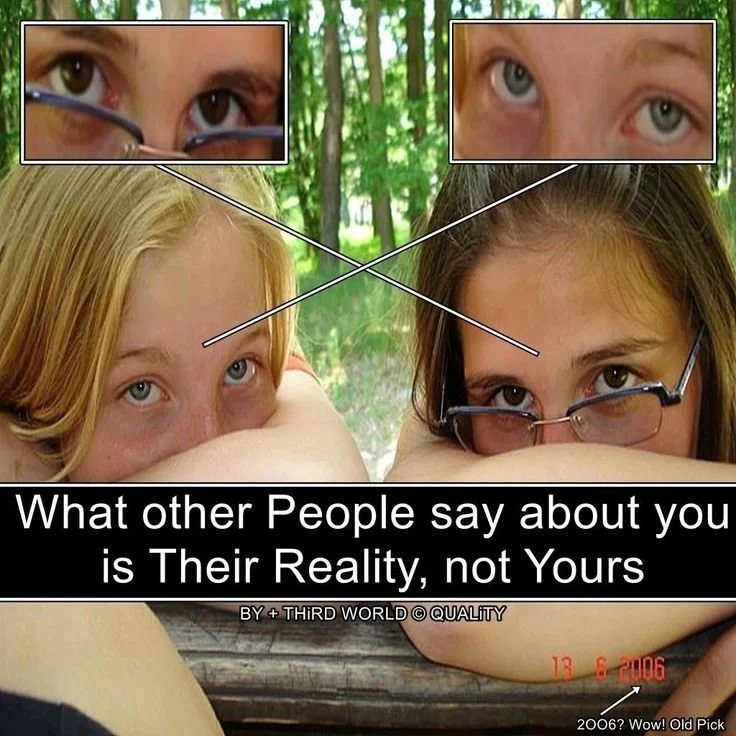
People don’t experience you; they interpret a version of yourself.
Sourced Through Pinterest
And once they decide who you are, that version of you calcifies. It becomes fixed, simplified, and easy to carry around. You become a character in a story you didn’t consent to, shaped by a single interaction, a tone, a rumor, a screenshot.
It doesn’t matter how inaccurate it is. It only matters that it makes sense to them.
There’s something deeply unsettling about knowing you’re being misremembered in real life. That someone out there is confidently describing you to another person, and you wouldn’t recognize yourself in what they’re saying.
Not because they’re necessarily lying, but because they are filling in the gaps.
We do this to everyone. We build out of fragments, half-conversations, social media posts, the way they looked at us once across a room. We assign meaning to things that might have meant nothing. We connect dots that were never meant to form a picture. And then we believe it.
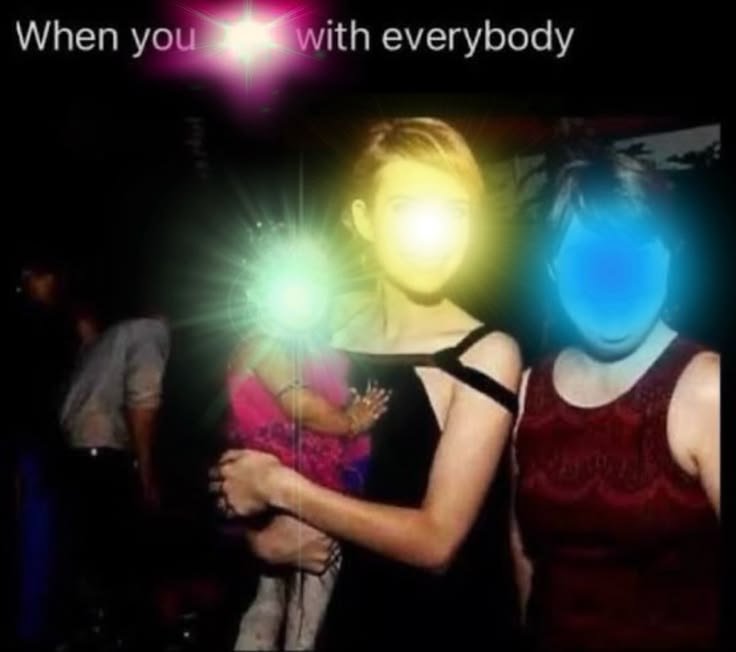
Social media makes this worse in a way that feels almost architectural. You’re not just being perceived by people who actually know you; you’re being processed by acquaintances, strangers, people who have only seen you in curated flashes.
From that, they build a version. Maybe you’re the “party girl.” Maybe you’re a “crazy ex-girlfriend.” Maybe you’re “way too nice.” Maybe you’re doing better than they think. Maybe you’re doing worse.
None of it is fully true. None of it is fully false. And you don’t get to correct it.
That’s the part people, including myself, hate to admit. That you have almost no control over your reputation, even on a micro level. Sure, you can try to steer it or explain and clarify it away. Maybe even hit them with a rebrand, but people will still walk away with whatever version of you fits into their existing worldview.
Sourced Through Pinterest
I’m not the same person I was five years ago; hell, I’m not even the same person I was four months ago, but that person still lives in people’s minds as well.
I’ve not always been a great person, honestly, I’ve not always even been a decent person. And, it kills me that I can’t go back and apologize to certain people, and that I’ll always live on as this jealous, reckless person.
And equally, the version of people who hurt me still exists.
It’s tempting to try to manage all of it. To become hyper-aware, hyper-palatable, hyper-controlled. To sand yourself down into something that can’t be misinterpreted, but that version doesn’t exist either.
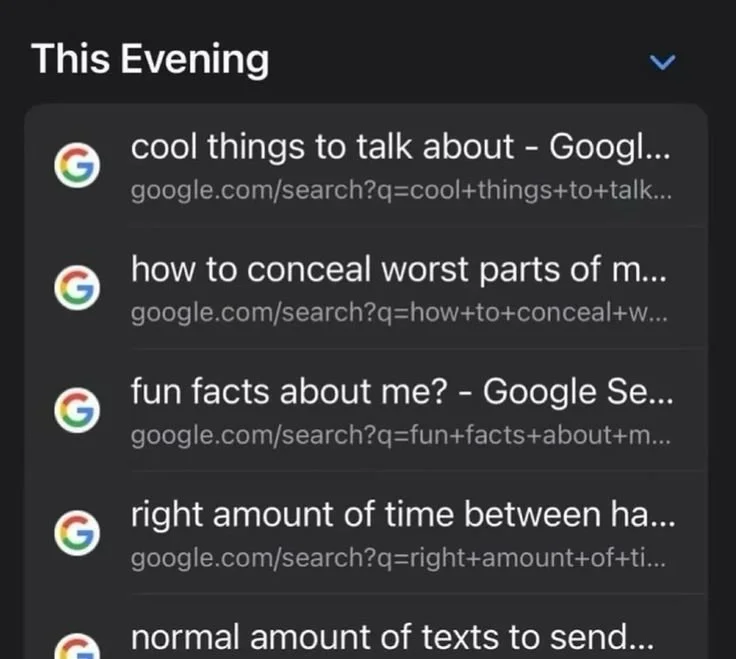
Sourced Through Pinterest
It’s just another character, this time, one you’re performing for everyone at once.
The truth is, being misunderstood is not a glitch in the system. It is the system.
There is no singular, correct version of you walking around out there. There are thousands. Some generous, some cruel, most incomplete. And they will continue to exist no matter how carefully you curate yourself.
So the question becomes, what do you do with that?
You can try to chase every version down, correct every misconception, control every narrative. You can exhaust yourself trying to be accurately perceived by people who were never really looking in the first place, or you can accept something slightly more disorienting. That you are not a fixed idea. That you are not fully knowable.
That somewhere, right now, someone is getting you completely wrong, and it actually doesn’t change who you are. Truthfully, there’s a strange kind of freedom in that—in understanding that your identity doesn’t lie in other people’s minds, even if versions of you do.
You don’t get to meet those versions, but you also don’t have to live as them.