By Sarah Bluett
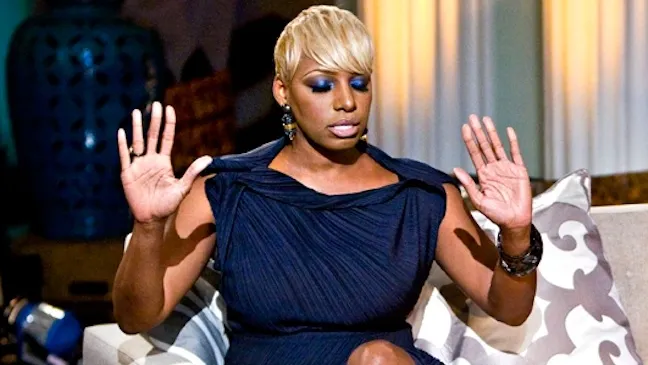
Credit: The Hollywood Reporter
Reality television shows in 2026 feel less like individual shows and more like one giant pot of celebrity soup. Similar to a perpetual stew, new ingredients or “stars” are added until the original shows become almost unrecognizable. Reality TV stole my heart at age nine or ten, when shows like Survivor, Big Brother, Dancing with the Stars, America’s Next Top Model, and Jersey Shore were popular. These types of shows captured different audiences, and also didn’t rely on social media in the same way shows do now. Shows now prioritize both personal fandoms and network loyalty. The more emotionally invested viewers become in contestants across platforms, the more valuable those contestants become to networks.
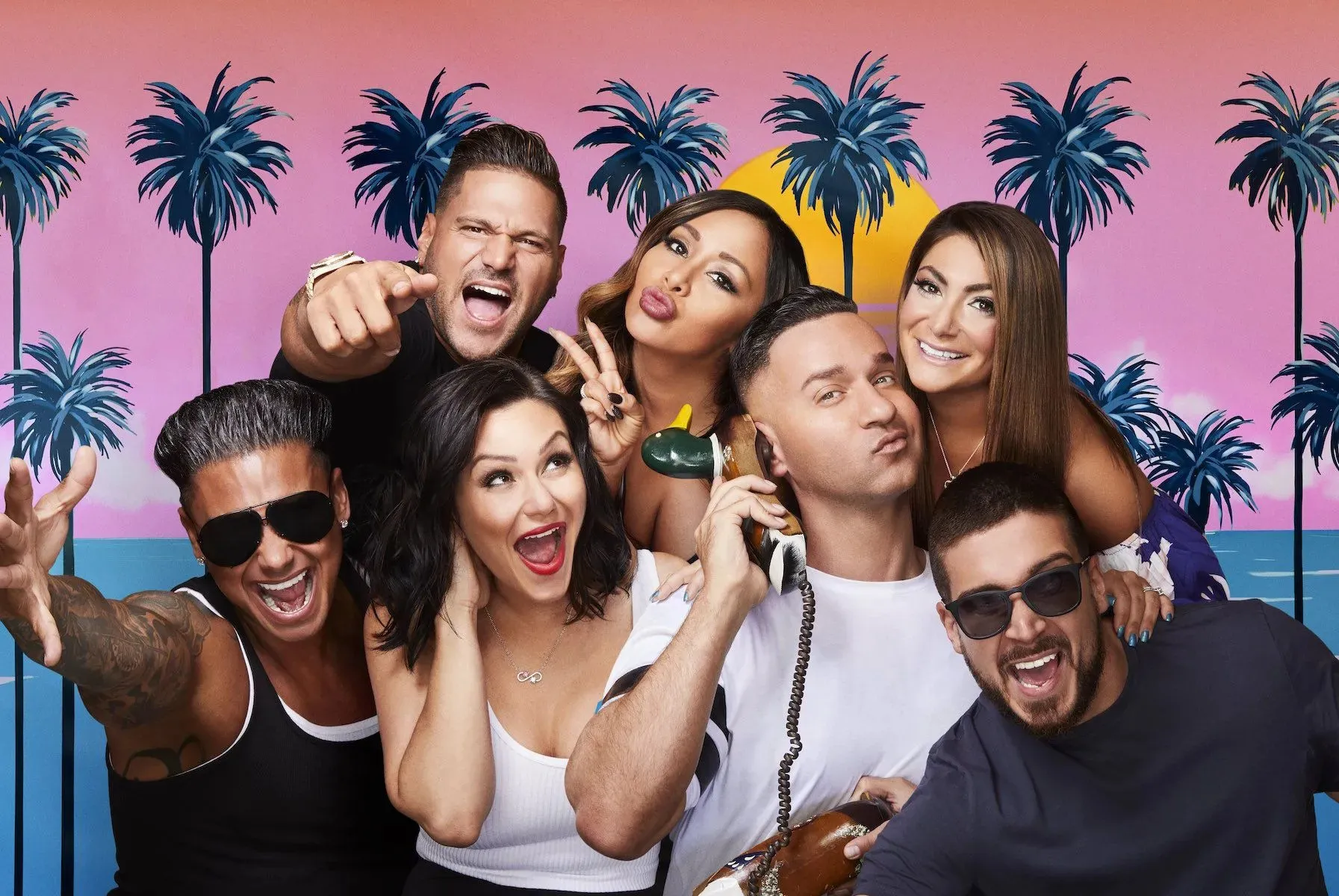
Credit: Prestige
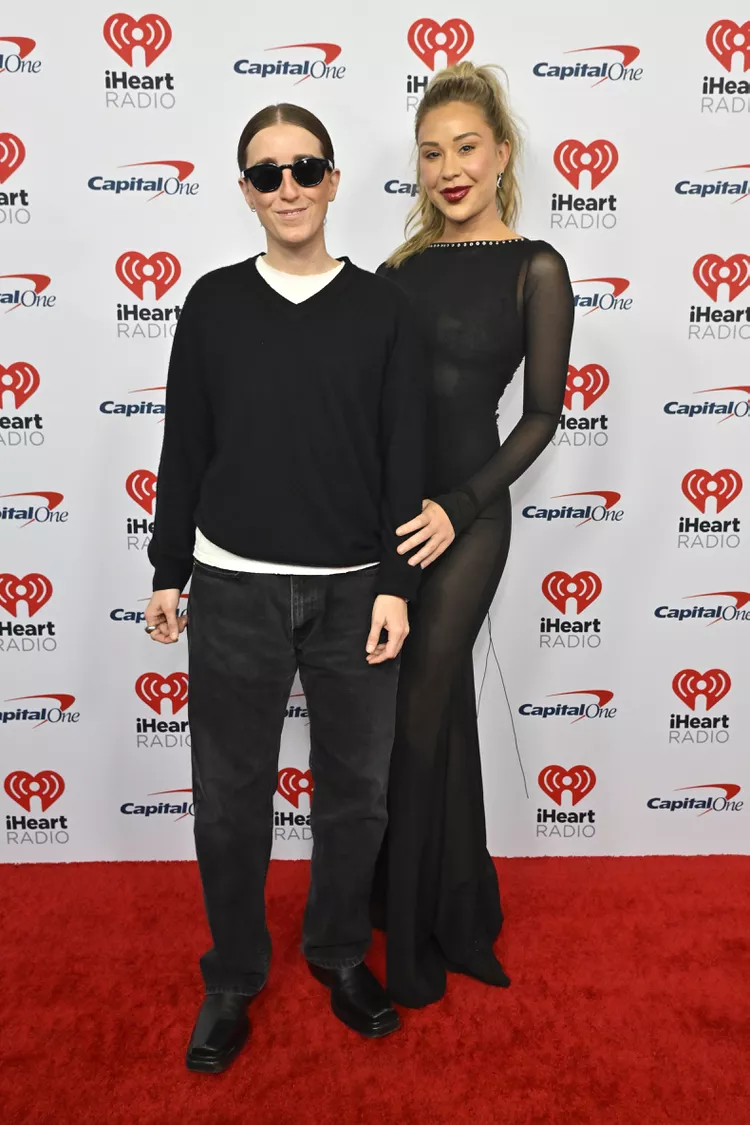
I’ve become invested in people like The Bachelorette alum, Gabby Windey, who came out as a lesbian and is now married to comedian and actor, Robby Hoffman. Windey is one of a handful of stars who have radically transformed their lives since The Bachelor franchise. Her projects include her podcast Long Winded, Peacock’s Traitors, and, most recently, a hosting role on Hulu’s Love Overboard. Her career trajectory shows how both a network and a rising star can benefit from their platforms.
Credit: Getty Images
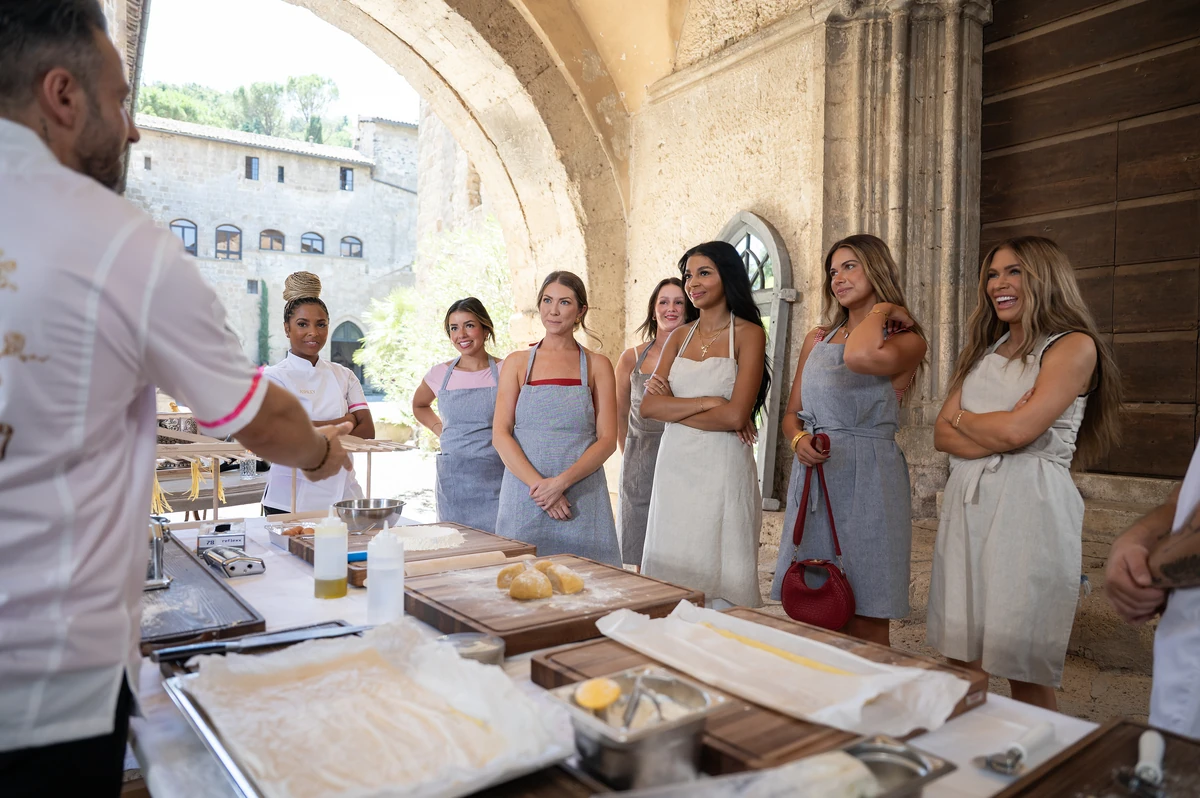
Media companies also understand this connection, and now more than ever, there have been countless cross-promotional episodes in shows like The Secret Lives of Mormon Wives, a new reality series, and Vanderpump Villa, a spin-off show of Bravo’s Vanderpump Rules.
Sourced from Secret Lives of Mormon Wives Fandom
One of my first experiences with the reappearance of “network” stars was on the Netflix dating show Perfect Match, where contestants from other Netflix reality shows joined. Similar things happen on “all-star” seasons of RuPaul’s Drag Race, Survivor, Bachelor in Paradise, and Love Island. Recasting familiar personalities can be entertaining for audiences, but it also raises the question of whether networks are relying too heavily on using existing talent. Some shows are built on this whole idea, like Traitors or Dancing with the Stars.
Sourced Through Pinterest
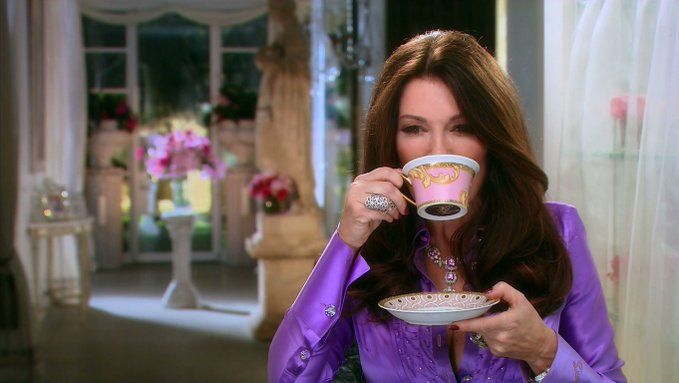
One example of this kind of recasting is Marciano and Hannah in season three of Vanderpump Villa despite being asked to leave in the previous season. Another more serious example is the cancellation of an upcoming season of The Bachelorette starring the famous TikToker and Mormon Wives star Taylor Frankie Paul, who faced backlash after a domestic dispute was shared online. They both create drama around the shows, but at what cost? On one hand, you can uplift people like Gabby Windey and capitalize on her comedic timing and personality, but on the other, you can cast someone like Taylor Frankie Paul with a more complicated past. In a digital age, audiences see how quickly news spreads across social media, and the power of the press is more fierce than ever. And as we’ve seen with Taylor, an audience and network can quickly turn against you.
Producers increasingly rely on controversy and recognizable “villains” to manufacture drama and utilize them as a trend instead of building original ideas. So what happens when these individual personalities become more important than the shows themselves? Is reality television morphing into one giant pot of nothing stew?
I hope that in the race to create constant content and viral stars, reality television slows down. I’d love to see more variety with new people, and most importantly, decision makers who prioritize the originality that made audiences fall in love with it in the first place.