Timothée Chalamet and the Death of the Indie Prodigal Son
Guess He’ll Never Be One of the Greats Now…
By Natalie McCarty
Last week, I was interviewed by The New York Times of the Netherlands about Oscar speeches and how they function as miniature cultural artifacts, but especially how they reshape perception in real time. Awards speeches are strange things: the strange theater of them, the mythology they build, the way a few sentences spoken under hot lights can recalibrate a public image overnight.
We discussed the archetypes: the humble speech, the activist speech, and the narcissist speech. But another conversation inevitably emerged beneath that one: what happens when the words do the opposite of myth-making? What happens when they puncture the illusion?
For every example of how media moments sculpt public perception, one name kept surfacing in my mind, and it was none other than Hollywood’s indie golden boy: Timothée Chalamet.
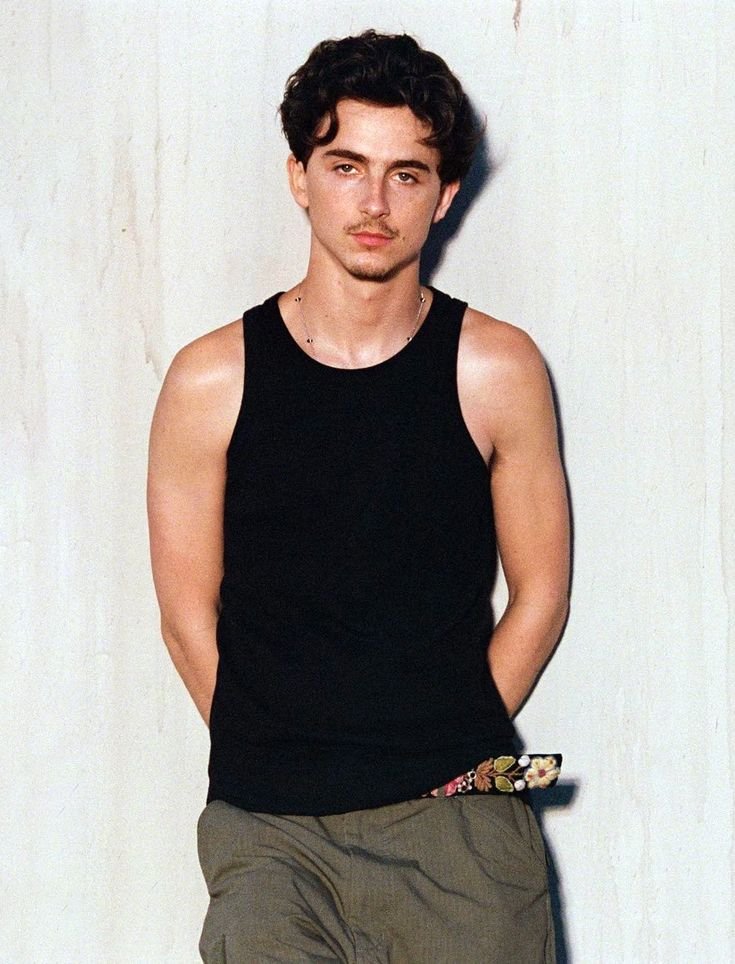
Courtesy of Cash App
For years, Timothée Chalamet was treated as something close to sacred within film culture. An enigma operating entirely in his own lane, he was talented, thoughtful, funny, and, above all, widely admired for seeming so articulate and self-possessed. In the public imagination, he felt like a collage of cinematic archetypes–the artistic seriousness of Leonardo DiCaprio, the mercurial mystique of Marlon Brando, the eccentric cool of Johnny Depp, and so much more–all refracted through something distinctly modern. There was a downtown sensibility to him, a little New York roughness softened by a kind of youthful sweetness. He wasn’t just another young movie star; he was positioned as the next evolution of one.
But mythologies are fragile things, and lately Chalamet seems oddly determined to dismantle his own.
The real turning point came at the 2025 Screen Actors Guild Awards, where Chalamet won Best Actor for portraying Bob Dylan in A Complete Unknown. Instead of the traditional humility ritual that most actors perform in these moments, he delivered something more revealing.
“I know we’re in a subjective business,” he said. “But the truth is, I’m really in pursuit of greatness. I know people don’t usually talk like that, but I want to be one of the greats. I’m inspired by the greats. I’m inspired by the greats here tonight. I’m as inspired by Daniel Day-Lewis, Marlon Brando, and Viola Davis as I am by Michael Jordan and Michael Phelps, and I want to be up there.”
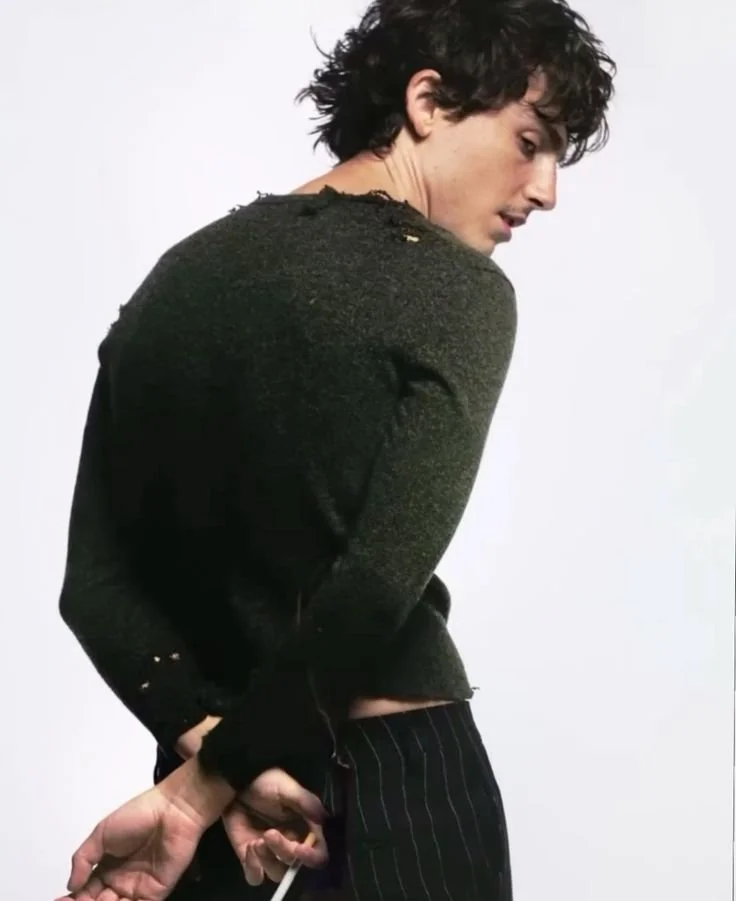
Credit: Aidan Zamiri
It was an oddly naked statement of ambition. Actors want greatness, of course, they all do, but Hollywood etiquette dictates that you never quite say it like that. Greatness is something bestowed, and declaring it yourself risks collapsing your career.
It was a controversial speech, and if I’m being honest, I actually liked parts of it. Ambition isn’t a crime, and there was something refreshingly blunt about hearing a young actor admit he wants to be great. But the internet doesn’t deal well in nuance. The clip circulated everywhere, and almost overnight, Chalamet’s name began to take on a slightly different tone online. Still, the speech alone probably wouldn’t have permanently altered his public image. Like most viral controversies, it likely would’ve disappeared into the algorithmic void in a few days.
Except Chalamet didn’t let it disappear, because he kept talking (mistake!). The Marty Supreme campaign trail became something of a spectacle in its own right; it was an exhausting blur of strange styling choices, increasingly self-serious interviews, and moments that only seemed to reinforce the perception that the actor was becoming more enamored with the idea of his own legacy than the work itself. The buzz cut, the tired rotation of plain suits, the grand declarations about cinema, even the much-mocked Cinespia collaboration framed around “the great works” that shaped him, it all began to harden into a caricature. What had once read as thoughtful and charming now felt performative, self-indulgent, even a little smug.
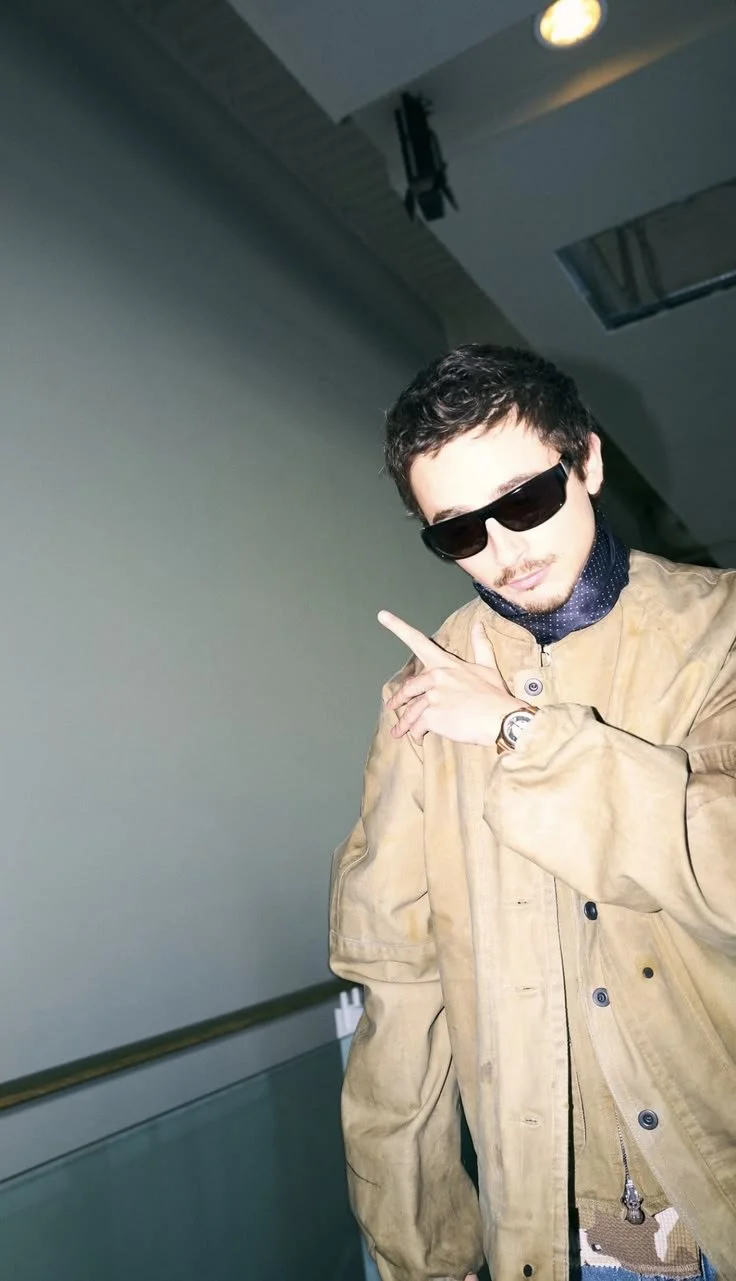
Credit: @tchalamet
And just when it seemed like the discourse couldn’t get any worse for him, it did.
During a February town hall conversation about the future of cinema, Chalamet attempted to contrast film with other art forms he believed were struggling for relevance. In doing so, he dismissed entire artistic traditions in a way that stunned the performing arts community.
“I don't want to be working in ballet, or opera, or things where it's like, ‘Hey, keep this thing alive,’ even though it’s like no one cares about this anymore,” he said. He quickly added, joking, “I just lost 14 cents in viewership.”
The comment spread across the internet almost immediately. What kind of an artist makes a comment like that? A pathetic one.
Opera and ballet are not fringe hobbies begging for life support; they are centuries-old art forms still filling theaters around the world.
Institutions that normally exist far from Hollywood discourse suddenly responded directly. Just to name a few:
The Metropolitan Opera posted a backstage montage celebrating the artistry of opera, captioned pointedly: “This one’s for you, Timothée Chalamet.”
London’s Royal Ballet and Opera responded with their own correction, emphasizing the reality of live performance and noting that thousands of people continue to fill their seats nightly.
Opera singers and performers were less diplomatic–Grammy-winning mezzo-soprano Isabelle Leonard criticized the remarks as narrow-minded and discouraging to the arts.
The irony, of course, is that Chalamet is hardly an outsider to that artistic ecosystem. His mother worked in dance and Broadway performance, and his sister trained at the School of American Ballet. The comment, therefore, felt less like an ignorant outsider speaking and more like someone casually dismissing the cultural world that shaped him. Loser behavior!
But perhaps the deeper issue is not the remark itself. It’s what it revealed about the persona Chalamet has spent nearly a decade cultivating.
Prior to this, he was positioned as the “thoughtful actor”–this young, intellectual heartthrob who speaks about cinema with reverence and references obscure influences in interviews. The image is seductive: the rare young star who treats film as art rather than content.
The problem, however, is that his public appearances are beginning to expose a gap between the aura and the substance.
When Chalamet speaks now, the rhetoric still gestures toward depth—toward greatness, toward legacy, toward the seriousness of art. But the ideas often collapse into something far more ordinary. A familiar cultural type emerges: the earnest young man convinced that announcing his ambition makes it profound.
In another context, he might simply be one more hyper-online creative personality: the skinny white guy posting long philosophical captions over a rainbow Instagram gradient, convinced he has discovered a universal truth when in reality he has just repeated a cliché slightly louder than everyone else. Boring business, people!
The hyper-visibility of his relationship with Kylie Jenner hasn’t helped the narrative either. Previously, Chalamet was framed as a kind of counter-celebrity—someone adjacent to fame rather than fully consumed by it. But by dating one of the most recognizable figures in influencer culture, that contrast collapsed almost instantly. Whether fair or not, the relationship reframed him from indie intellectual to active participant in the very celebrity machine he once seemed to orbit from a distance.
None of this means Chalamet lacks talent. He remains a compelling screen presence, capable of remarkable sensitivity as a performer. The early films that made him famous—Call Me by Your Name, Beautiful Boy, and Lady Bird—still exist. His abilities haven’t vanished; his work is always great on screen.
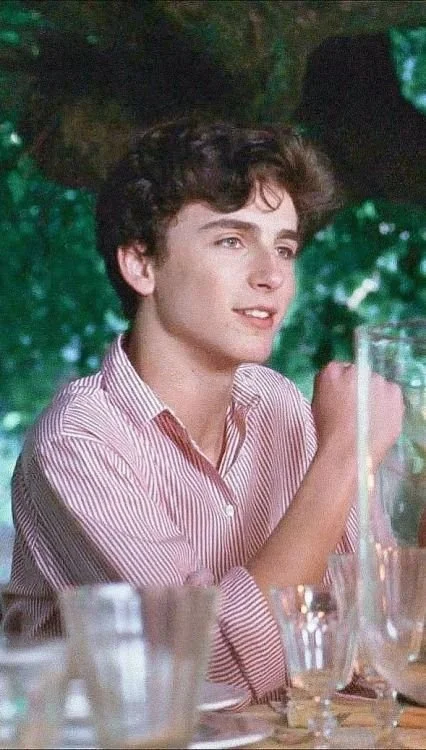
Call Me By Your Name (2017)
What has changed is his presence in culture.
Before this last year, Chalamet carried the energy of an underdog, something close to a cinematic version of Rocky Balboa, someone the scrappy outsider audiences wanted to root for. There was an enigma to him, a sense that he was quietly working toward something bigger than himself. That aura made people protective of him, even invested in his success (I know I sure was!).
Now the dynamic has shifted as his humility seems to have disappeared, and with it the goodwill that once surrounded him.
Ultimately, it’s a strange kind of tragedy to watch the actor once treated as the most introspective star of his generation become so preoccupied with announcing his own significance. The truth is that great actors rarely talk about being great. Even performers with enormous egos figured out long ago that the safest way to preserve the illusion of artistry is to let the work speak first.
Chalamet, by contrast, keeps narrating his own legacy while it’s still unfolding. If you’re his publicist, please stop him.
I don’t know what happened to him. I watch old interviews, and this new Chalamet doesn’t seem to be anywhere close to the other. Maybe it’s the pressure of fame. Maybe (certainly) it is the Kardashians. Maybe it’s the strange feedback loop of internet adoration that convinces young stars their every thought is worth broadcasting. Or maybe it’s simply what happens when someone spends years hearing that they are the most important actor of their generation.
Whatever the cause, the result is a dramatic shift in perception. He has gone from being the most liked person in the room to the one audiences hope doesn’t win.
The myth of Timothée Chalamet—the mysterious, thoughtful prodigy—has lost much of its allure. In its place is something far more familiar: a very talented young celebrity trying way too hard to convince the world he belongs among the legends.
And the uncomfortable reality is that if he truly were one, he wouldn’t have to keep saying so.
Maybe the better lesson lies in the very art forms he dismissed! Ballet dancers spend decades working in silence, chasing perfection through discipline rather than proclamation. They earn their greatness.
If Chalamet wants to be one of the greats, he might start there: working harder, speaking less, and letting the work do the talking.