When You Know, You Know — and When You Know
By Natalie McCarty
I believe in love at first sight. I just don’t think it’s the whole story, and I don’t think it’s the most important part.
Love at first sight is immediate recognition. Blame it on the in-yun or the alignment of the stars, but your body has the instinctive capability to clock something before your mind even has the time to interfere. That feeling is real, albeit almost otherworldly, and that first feeling can be precise. But it can also be precisely wrong–not because it’s fake, but because it’s incomplete. This premonitory feeling doesn’t really ask anything of you yet.
It’s entirely possible to fall in love at first sight. But does that alone make someone the one for you?
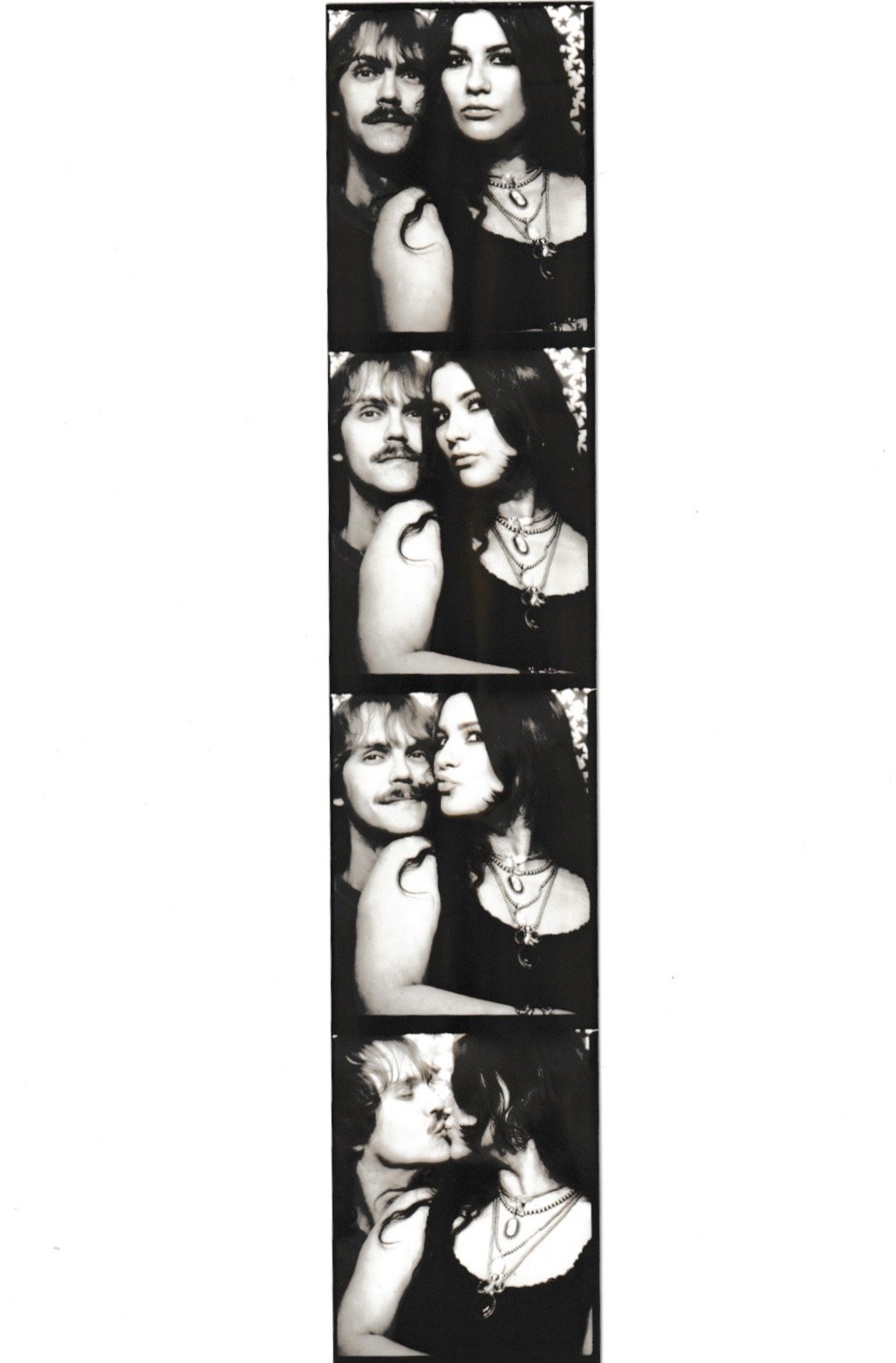
When I met my now boyfriend, I felt immediately that I was on the right path—that we, for reasons I couldn’t yet explain, were meant to know each other. I just knew. And I continue to know every day.
The unromantic truth is that knowing shows up as data: behavioral patterns, emotional reliability, a shared pace. This love doesn’t require me to feel consumed or destabilized. I don’t feel like I have to protect myself from the feeling, because this was simply meant for me. This relationship doesn’t destroy me because the love is steadfast, stable, and trusting—through conflict that doesn’t spiral, through mornings that don’t feel heavy, without insane stress dreams or begging the universe for signs. I don’t plead with fate for things to change.
Simply put, he makes my life bigger.
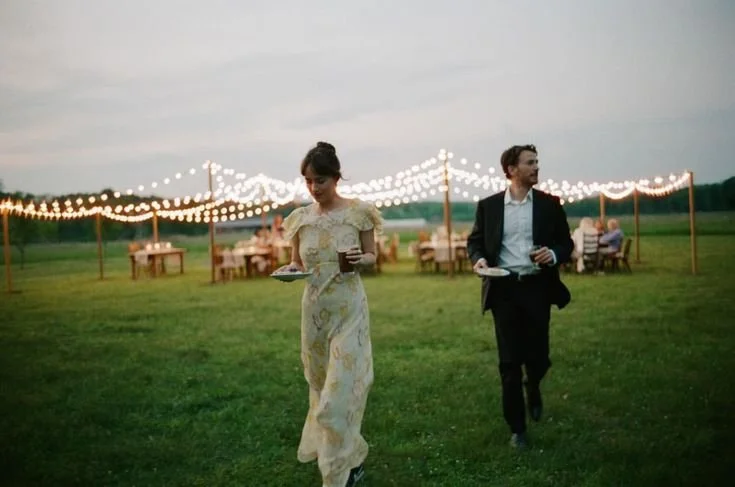
Materialists (2025)
“That’s when you know” isn’t a shortcut phrase. Real knowing is the moment you understand that, even against the odds, your life has already made room for them.
You can want someone desperately and still know you shouldn’t be with them. In fact, if you want them badly, you’re probably already aware that they’re not the one for you.
What I’m trying to say here is that there’s a difference between wanting and knowing.
Wanting feeds on uncertainty. It needs friction to survive and thrives on the possibility of loss. When you’re younger, that kind of love makes you believe that if it’s strong enough, it will outrun everything else. But deep down, you recognize when someone’s presence amplifies your self-doubt or demands constant interpretation—when a relationship isn’t viable. Naivety, blindness, and a devotion to the rush and the thrill often keep you tethered anyway.
Time, however, teaches you otherwise. Love doesn’t override logistics. Values either align or they don’t. Habits either protect intimacy or erode it. Ambition either pulls people together or tears them apart.
These are just the facts of life.
Growing older doesn’t make you cynical; it actually makes you literate. You stop mistaking intensity for inevitability, and, instead, you start paying attention to how a relationship functions when no one is trying to impress anyone else.
We live in a culture that treats choice as an infinite resource—dating apps, endless comparison, polyamorous relationships, the quiet belief that someone else might fit slightly better if you keep looking. Knowing disrupts that logic. It isn’t exciting in an optimizing culture. It doesn’t promise the best possible option. It asks you to stop scanning.
Knowing doesn’t eliminate doubt, and it doesn’t guarantee permanence. But it does clarify intention. That’s why it’s rare.

Before Midnight (2013)
Love at first sight opens the door. Knowing decides whether you walk through it, and whether you stay when the house reveals its flaws. Sometimes knowing follows love; sometimes it corrects or contradicts it. Sometimes it contradicts it entirely.
And sometimes knowing doesn’t feel like certainty at all. Sometimes it feels like a life that stops arguing with itself.
That’s when you know.
And I know.