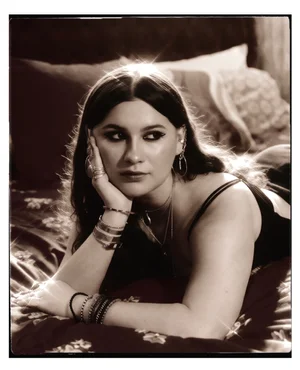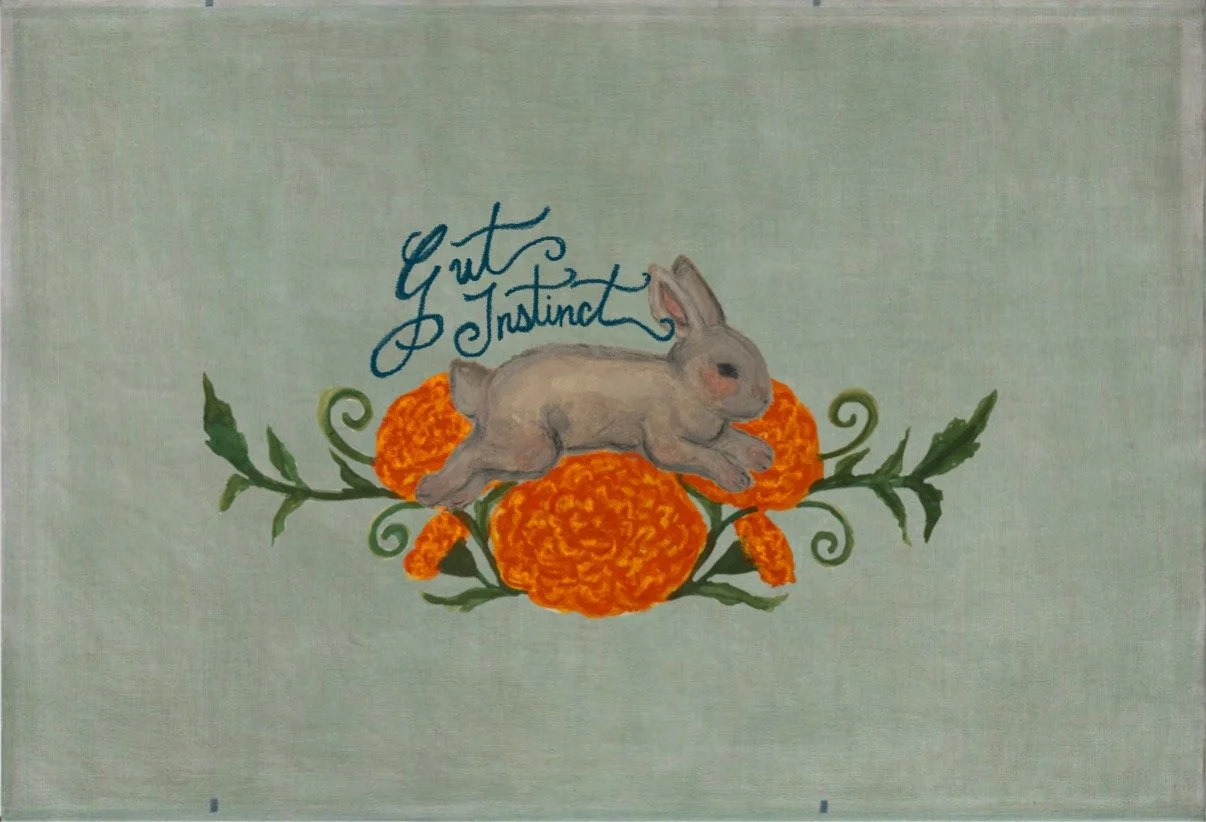
Writer in the Dark
By Stella Speridon-Violet
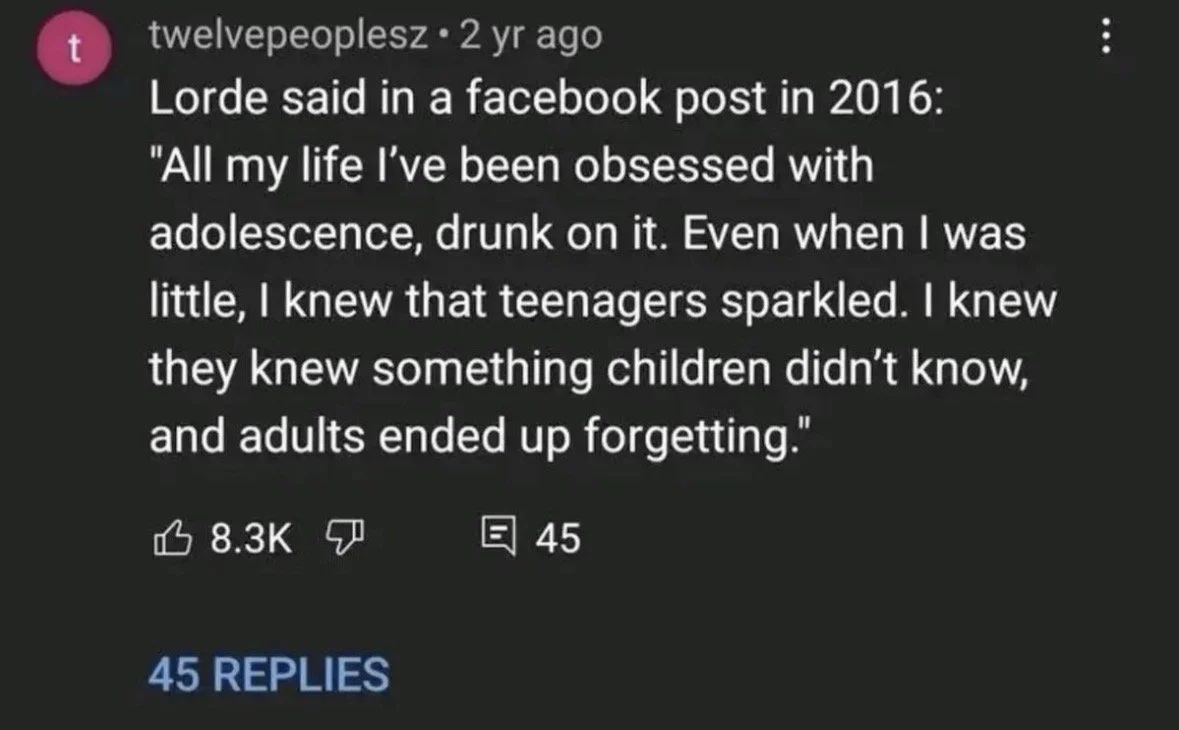
There’s something so vulnerable about publicly admitting that Lorde shushing the audience during “Writer in the Dark” touched something in me spiritually.
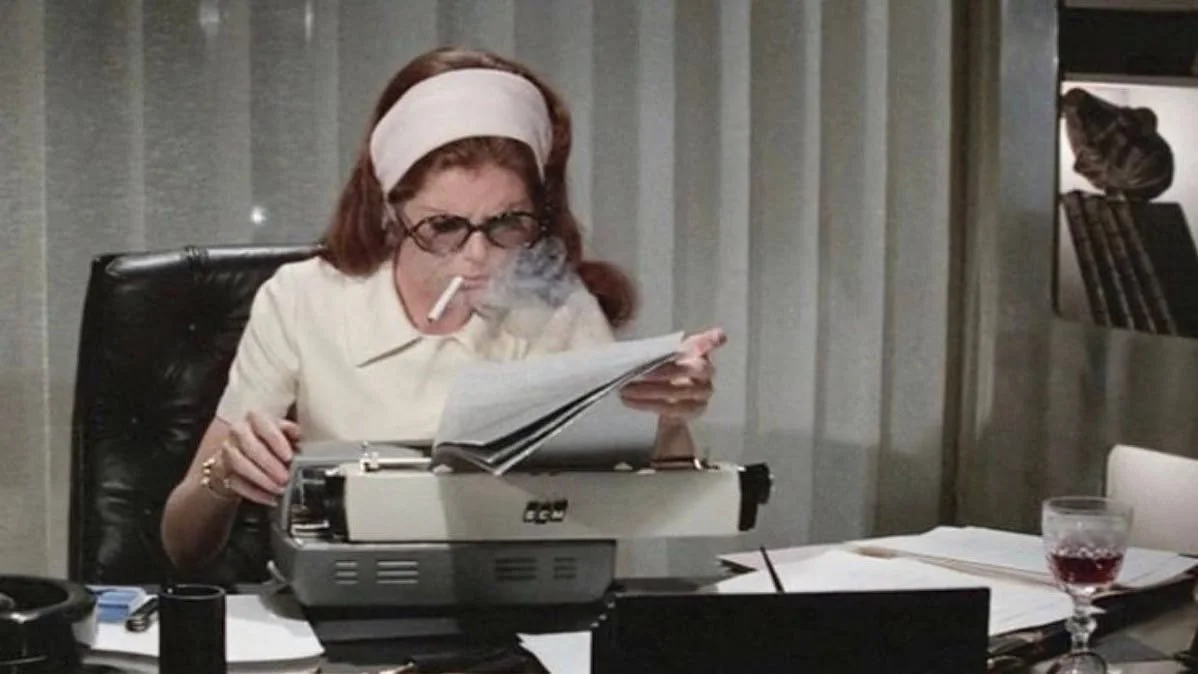
Sourced Through Pinterest
No one knows you’re a writer in public. That is both the tragedy and the privilege of it.
There is no uniform for writers unless you count tired eyes, a Notes app with 437 unfinished thoughts, and the tendency to stare too long at strangers like they are about to reveal something useful.
There is no stage, no microphone, no obvious performance. You can be standing in line for a drink, sitting in the back of an Uber, smoking outside a party, or pretending to listen at dinner while carrying entire worlds inside your head.
To everyone else, you are just another person in the room. To yourself, you are working.
Writers live double lives. There is the visible self: the girl ordering coffee, the friend texting back late, the woman reapplying lip gloss in a bathroom mirror. Then there is the hidden self: translating pain into sentences, filing away dialogue, noticing the tremble in someone’s voice when they say they’re “fine,” mentally bookmarking the exact shade of loneliness in a crowded bar.
Sourced Through Pinterest
Some people move through life experiencing things once. Writers experience them twice, once in the moment, and again later when they have to make meaning out of it.
It is a strange profession because so much of the labor looks like nothing. Thinking looks like laziness. Observing looks like zoning out. Solitude looks antisocial. Staring out the window looks unproductive.
Society trusts visible work, the 9:00 A.M. meeting, the uniform, the handshake, the performance of busyness. It rarely knows what to do with the person who sits quietly and returns with something unforgettable.
No one applauds the girl gazing into the distance because they don’t know she is building a paragraph.
And maybe that is why writers are so often underestimated. Especially women writers. Especially young women writers. If you are polished, feminine, social, attractive, funny, stylish, flirtatious, too online, too offline, too soft-spoken, too loud, too young-looking, people assume seriousness belongs elsewhere.
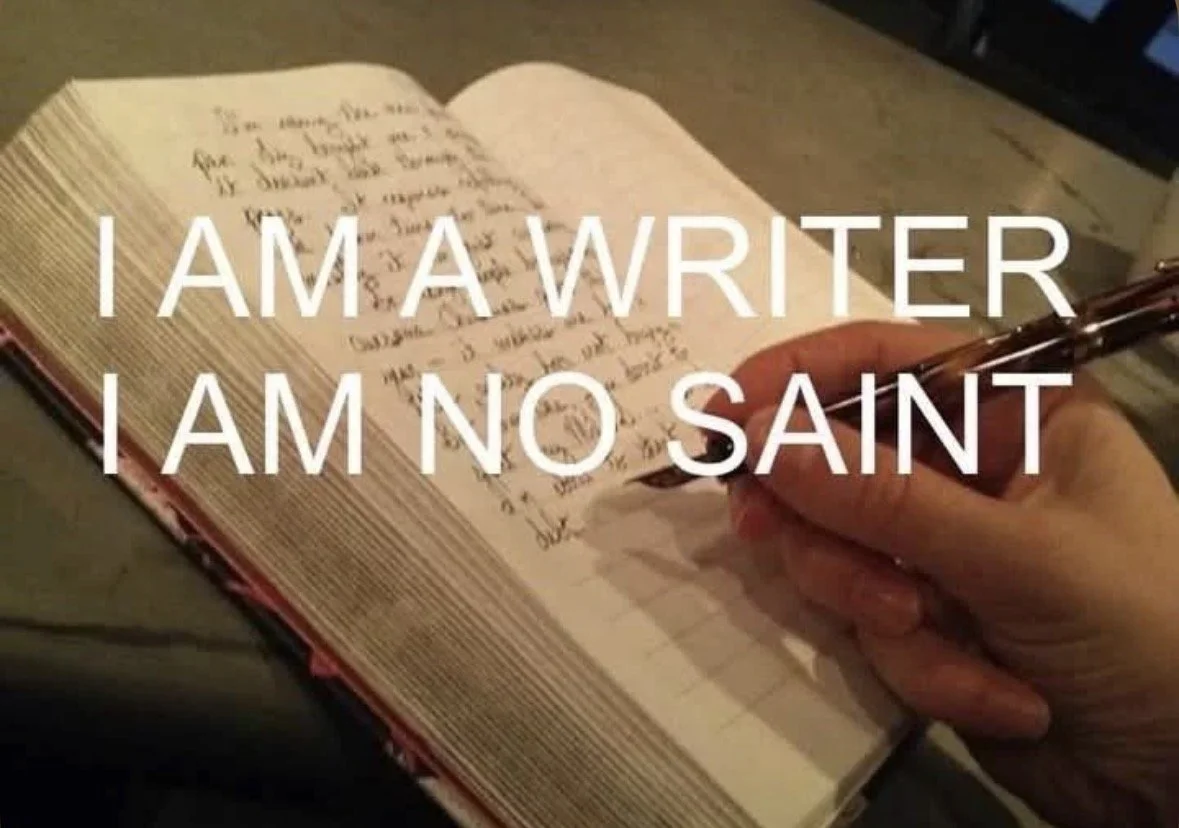
Sourced Through Pinterest
They mistake aesthetics for shallowness. They mistake softness for lack of intellect. They assume the woman in heels cannot also be dissecting the room with surgical precision.
Meanwhile, she already has a title for her latest Substack in her mind.
There is a specific power in being dismissed while paying attention. People confess around those they don’t perceive as dangerous. They reveal themselves in front of those they think are decorative. They speak carelessly in front of the quiet person. Writers know this better than anyone. Invisibility can be a curse, but it can also be access.
We hear everything.
But there is a cost to living this way. Writing can make it difficult to surrender fully to life because part of you is always standing outside the moment, watching it happen. Heartbreak arrives, and some traitorous instinct whispers, this will be good material.
Embarrassment burns, and somewhere in the back of your mind, a sentence begins forming. Even joy can feel split in two, between the happiness itself and the awareness that one day you’ll try to describe it.
It can feel vampiric at times, feeding on your own experiences just to survive creatively.
And yet, what is the alternative? To move through life untouched by detail? To let beautiful language pass uncollected? To hear the perfect sentence from a stranger and not keep it? Writers are greedy for texture. We hoard moments. We salvage meaning from wreckage. We make use of what others throw away.
There is loneliness in this, too.
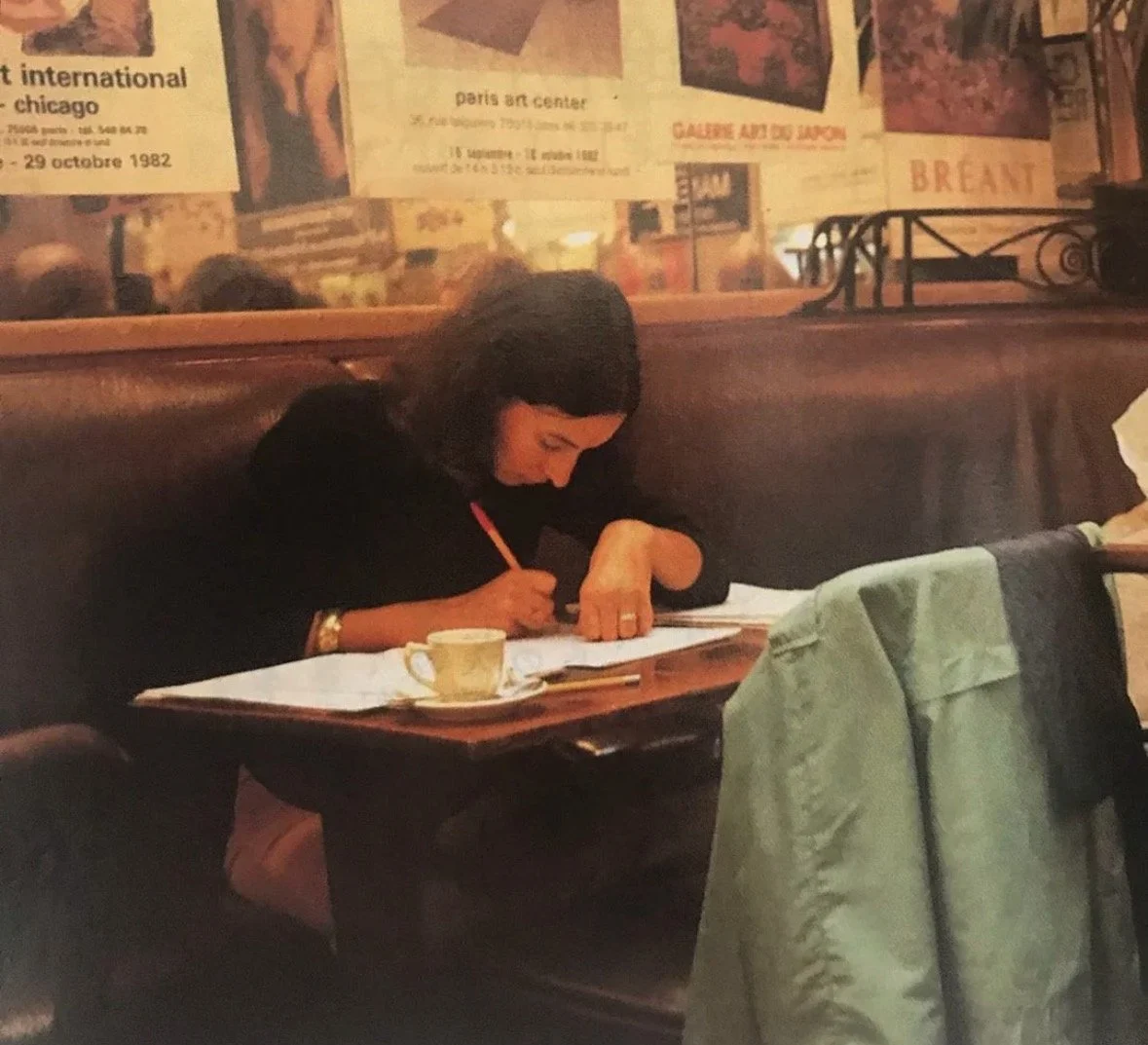
Sourced Through Pinterest
Writing is often solitary, unglamorous, unpaid, misunderstood, and mentally consuming. It requires faith in something no one else can see yet. You spend hours alone chasing a feeling into language, hoping that eventually it becomes readable, publishable, worthy. Sometimes you wonder if you are creating anything at all or simply talking to yourself in prettier fonts.
Still, there is something sacred about being unseen.
In a culture obsessed with constant performance, there is rebellion in private creation. In a world where everyone is encouraged to broadcast in real time, there is elegance in disappearing long enough to make something real.
The writer does not need to be witnessed while working. The proof comes later, in print, in pixels, in the sudden silence of someone reading a sentence that understood them too well.
That is when the room changes.
They may not notice you at the party. They may speak over you at dinner. They may assume you are harmless, unserious, decorative, distracted. Let them.
Because the funniest part of being a writer is that no one knows what you are until it is already published.