Being a Bitch Is the Greatest Thing You Can Be
By Stella Speridon-Violet
I spent years being terrified of being a bitch. Now, I think being a little bit of a bitch might be the greatest thing you can be.
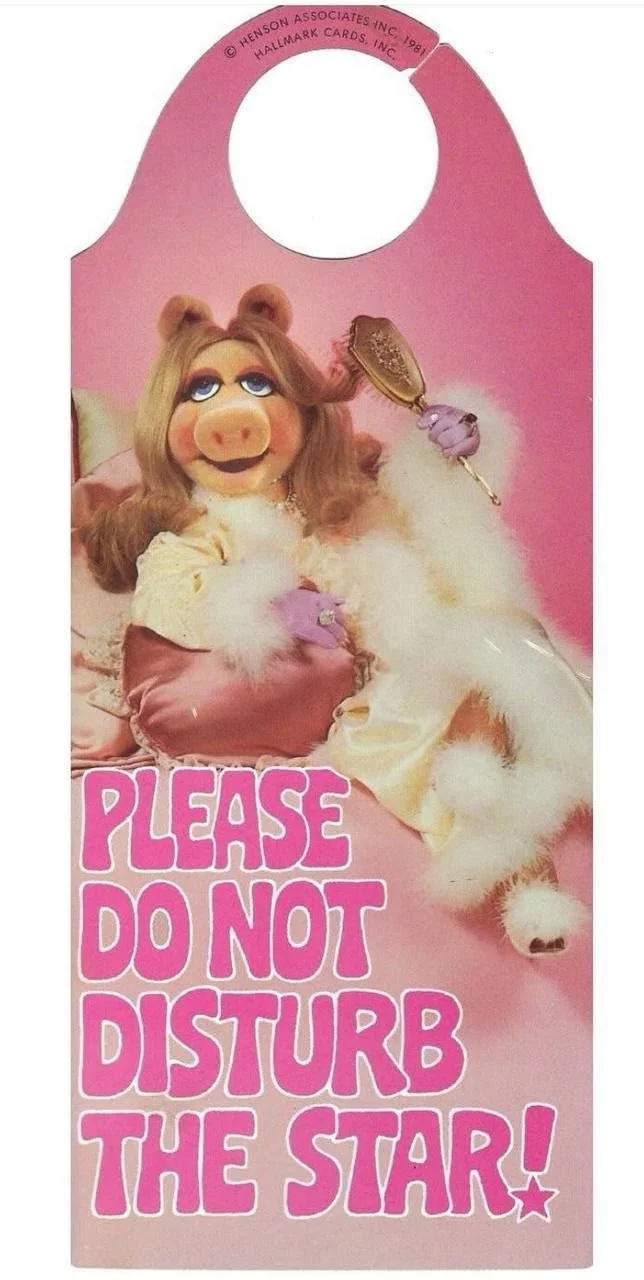
I’ve been called a “bitch” more times than I can count.
I’ve heard that I have a major RBF. That I’m intimidating. That I’m polarizing. Usually, these things are said with the implication that I should probably do something about it.
And, for a long time, I tried. We have become so obsessed with being “liked” that we are willing to sacrifice our moral compass, sense of self, and general well-being just to avoid making someone uncomfortable.
If you don’t have a personality, just throw a few house parties, and everyone will love you! Or, what you have to offer…
Suddenly you’re left mopping your sticky floor on a Sunday morning, hungover, from a night out with people who only wanted to use your house to pregame and invite themselves back to an “impromptu” afters.
They’ll go to brunch with their real friends and talk about your perfectly curated ambience: the music, the lighting, the cocktails, but they won’t really mention you.
You would’ve loved to ask if they could not use the fancy cups because one of them broke the last time they were pulled out. You would’ve appreciated an offer to clean up the chips that spilled all over the floor. But the sad truth is: you’re a people pleaser who lets everyone walk all over you.

I know this because I used to be the same way. I didn’t have boundaries because I thought if I did, everyone would hate me. I’d put on a smile and tell my friend that it was okay that I wasn't invited to her birthday party, while it ate me alive inside.
I became the person everyone could take advantage of; it was sad and pathetic.
The first time I stood up for myself in adulthood was with my old roommate. She had eaten a piece of my birthday cake in the freezer the night before my party. It was a homemade version of the heart cake in the Taylor Swift ‘Blank Space’ music video, and I was devastated. It was something so small and remedial, but it set me off. Instead of pretending it was okay and that my feelings weren’t hurt, I addressed it head-on, and it felt good to stand up for myself in that moment, even for something as silly as a birthday cake.
And from this moment, I realized I was able to move on from it because I had talked it out with her afterward—not because she had admitted she was wrong, but because I had finally learned that resentment is often what happens when you repeatedly abandon yourself to keep someone else comfortable.
Some years later, I found myself in a more serious situation with another roommate; we just could not seem to get along. I had come more into my own with a solid friend group, a new semester’s worth of classes, and a stacked social calendar.
Looking back, I can recognize that some of the tension probably came from her own insecurities. At the time, though, I was still learning how to stand my ground.
I invited her to every event, even if I knew she was busy with work. I cleaned up after having friends over, including her own dishes. I tried my best to maintain a healthy balance of privacy and personal space during the week, but it wasn’t enough. She grew resentful towards me and eventually our friends. She became increasingly passive, and I responded by becoming increasingly distant.
One day, I came back from Europe after almost two months there and decided it was time to face my fears, and I talked to her. It went the best it could, but it was honestly less about the talk and more about the fact that I was able to stand my ground and make sure my points were heard, while also truly validating hers.
After our lease ended, I started living alone, which led me to start practicing something I had spent years avoiding: being okay with someone else being unhappy with me.
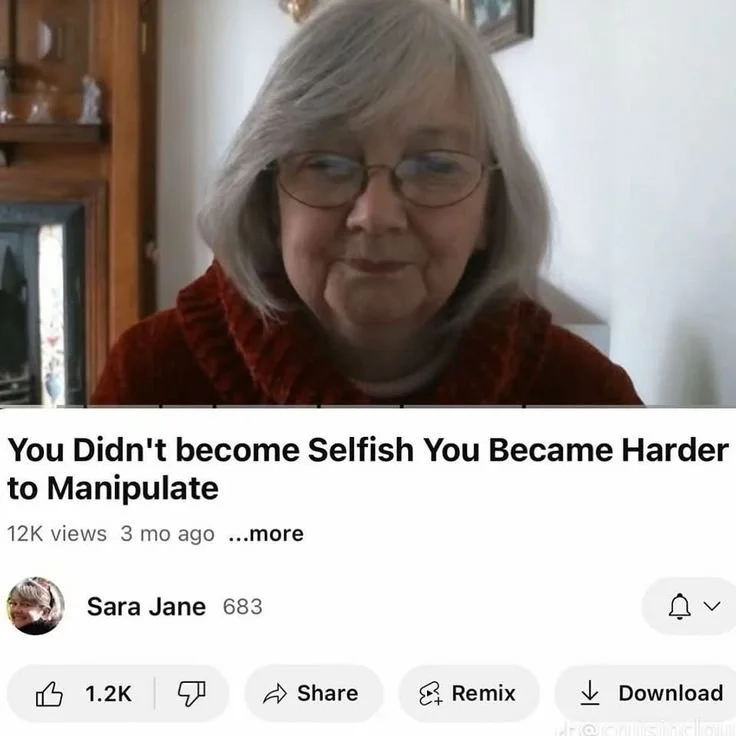
One of the most freeing things you can learn in your twenties is that people like to live in comfort, and when you try to challenge that, animosity often grows in its place.
They like the friend who always says yes. The roommate who never complains. The girl who laughs at the joke that secretly hurt her feelings. The person who will stay at the party until 2 a.m. even though they’ve been exhausted and socially drained since 10:30. And the second you stop being convenient, people notice.
If I was uncomfortable at a party, I’d usually just stick it out and show face to make myself feel better about my social life, but now if I’m not having fun, I’ll leave and not care about if people think I’m lame or boring.
If someone says something rude to me, I don’t automatically turn it into an internal debate about whether I’m allowed to be offended; sometimes, I’ll even address it point-blank.
There are a million examples I could give you of times I should have stood up for myself and didn’t. There are probably a million more now, where I did.
And I’ve been called a bitch for a good chunk of those, which I used to take as an insult; however, now I’m starting to think it’s one of the better things someone can call me. Because “bitch” is often what people call a woman when she stops being agreeable, and I’d rather be called that than a people-pleaser, someone who has no backbone, or a coward.
Being a bitch doesn’t make you cruel or inconsiderate either; it means being willing to disappoint people or to be misunderstood. It means being willing to let someone think you’re rude because explaining yourself for the fifteenth time is exhausting.
The hard truth is, not everyone has to like you. And, while it sounds obvious, I think a lot of people spend their entire lives learning it the hard way.
Someone can dislike you because you actually did something wrong. You should be able to accept that, too. Being a bitch isn’t a free pass to be an asshole.
But someone can also dislike you because you remind them of someone they don’t like about themselves… and there is nothing you can do about that!
Trying to make everyone like you is an impossible job with terrible benefits. So maybe the goal shouldn’t be to be liked; maybe the goal is to be someone you actually like.